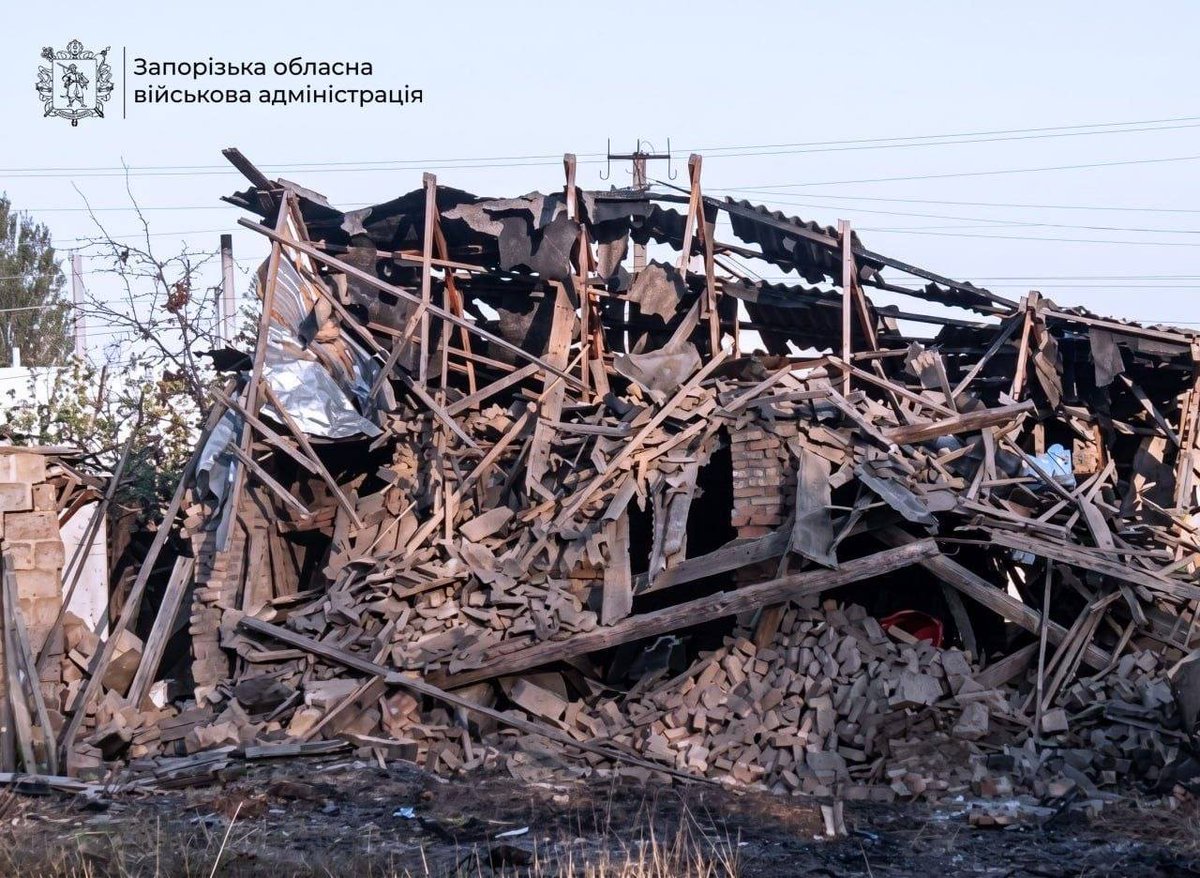
On 9 May 2026 Russian forces carried out a coordinated rocket barrage across three southern Ukrainian regions, targeting Dnipropetrovsk, Zaporizhzhia and Kherson. In Dnipropetrovsk Oblast, the districts of Nikopol and Synelnykove were hit twenty times, while Zaporizhzhia recorded 738 strikes on thirty‑one settlements. The attacks resulted in two civilian fatalities and six injuries, according to the monitoring channel monitor_the_situation.
Russian forces launched strikes across Dnipropetrovsk (including Nikopol and Synelnykove districts hit 20 times), Zaporizhzhia (738 strikes on 31 settlements), and Kherson regions over the past day, killing 2 civilians and injuring 6.
The scale of the strikes underscores Russia’s continued reliance on high‑volume rocket fire to pressure Ukrainian defensive lines and civilian infrastructure in the south. The concentration of hits in industrial and residential zones suggests an intent to disrupt both military logistics and local morale.
Ukrainian Deep Strikes into Russian Territory
In parallel, Ukrainian forces extended their offensive reach beyond the front line. At 05:18:49 UTC an A‑22 Foxbat light aircraft conducted a precision strike on the Chechen capital of Grozny, targeting undisclosed military positions. The operation marks one of the most audacious deep‑strike missions of the conflict, demonstrating Ukraine’s ability to project air power deep inside Russian territory.
Just minutes later, Ukrainian units attacked an oil refinery in Syzran, Samara Oblast. The refinery, a key node in Russia’s fuel supply chain, sustained damage that is expected to curtail output temporarily. Both actions were reported by monitor_the_situation and reflect a strategic focus on degrading Russian energy infrastructure.
Air Defense Achievements Over Donbas
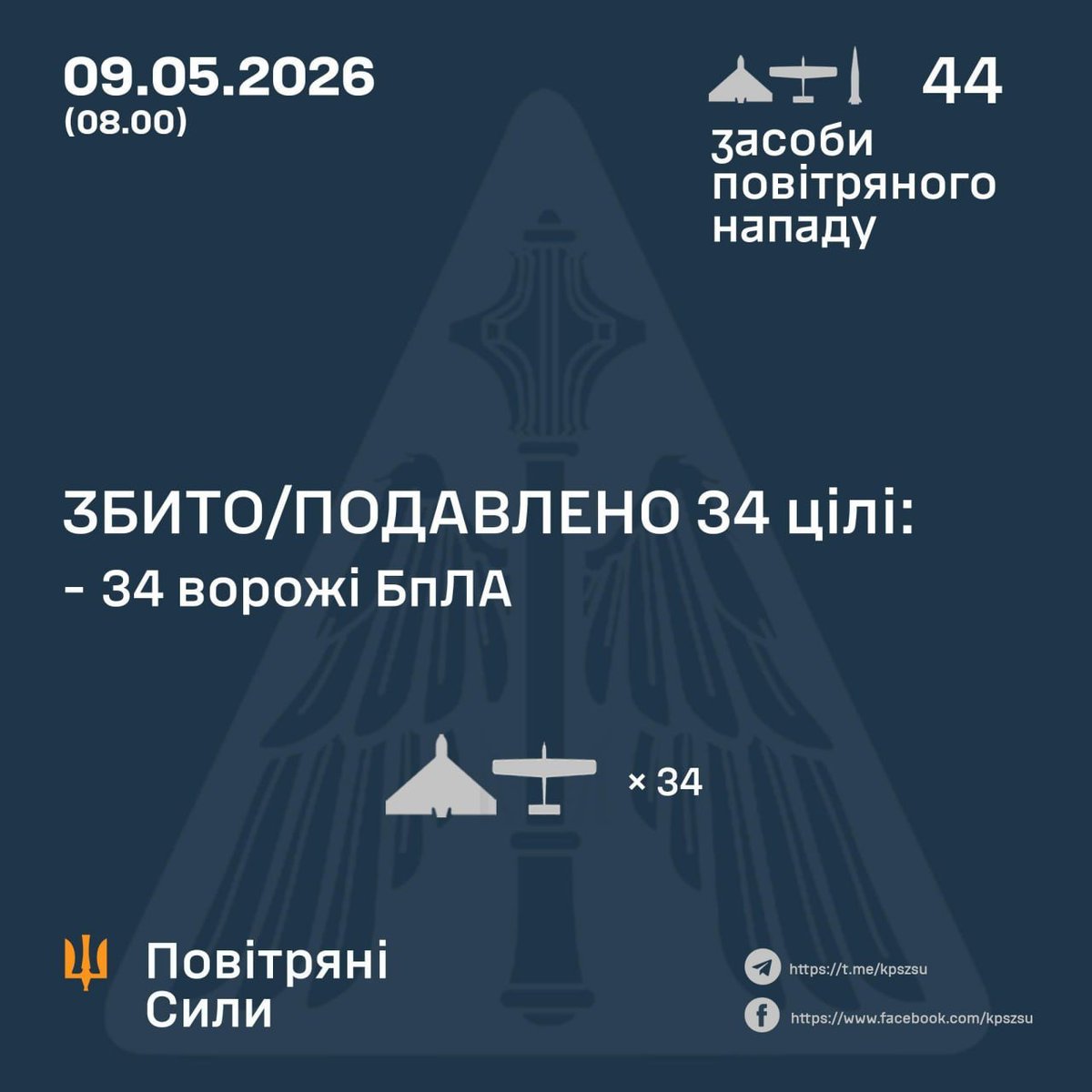
Ukrainian air defenses recorded a significant success over the Donbas region overnight. Of the 43 Russian unmanned aerial systems launched—comprising Shahed, Gerbera, Italmas and Parody drones—34 were shot down by integrated air‑defence systems. In addition, an Iskander‑M ballistic missile launched from Crimea was intercepted before reaching its target, preventing potential strikes on six separate locations.
The high interception rate highlights the effectiveness of Ukraine’s layered air‑defence architecture, which combines short‑range systems, medium‑range SAMs and electronic warfare assets. The ability to neutralise a ballistic missile also signals a growing proficiency in counter‑ballistic capabilities, a development closely monitored by NATO intelligence partners.
Ground Gains Near Mariupol
On the ground, Ukrainian forces seized key logistics routes surrounding the occupied city of Mariupol. Control of these arteries disrupts Russian supply lines that have historically fed forward‑deployed units in the southern sector. The maneuver, confirmed by field reports on the same monitoring channel, involved coordinated infantry and mechanised elements that established defensive positions along the newly captured corridors.
Ammunition Depot Destruction in Donetsk
Further attrition of Russian materiel was achieved in Donetsk Oblast, where Ukrainian precision strikes destroyed a Russian ammunition depot. While the exact quantity of munitions destroyed has not been disclosed, the loss is expected to impair the resupply of frontline units operating in the contested eastern front.
Collectively, these actions illustrate a multi‑domain Ukrainian strategy that couples deep air strikes, robust air‑defence performance, and targeted ground operations to erode Russian combat capability while limiting civilian casualties on the Ukrainian side. The ongoing intensity of both sides’ operations suggests a continued escalation in the coming weeks.