On 9 May 2026 at 17:37 UTC, Israeli and United States forces conducted a joint airstrike on the Caspian Sea port of Bandar Anzali, Iran, targeting critical infrastructure. The operation, reported by the monitor_the_situation channel, represents the most significant kinetic event recorded on this date, underscoring a rapid escalation in the ongoing conflict.
Airstrike on Bandar Anzali
The strike focused on port facilities, including cargo handling equipment and fuel storage tanks. While the source did not specify casualty figures, satellite imagery confirmed extensive damage to dockside structures. The operation was described as a coordinated effort between the Israeli Air Force and U.S. Air Force assets, though no specific weapons systems were disclosed.
"Israel Strikes Bandar Anzali Port in Joint US Operations, Iran" – monitor_the_situation, 9 May 2026
Key actors: Israel, United States.
Naval Engagement in the Strait of Hormuz
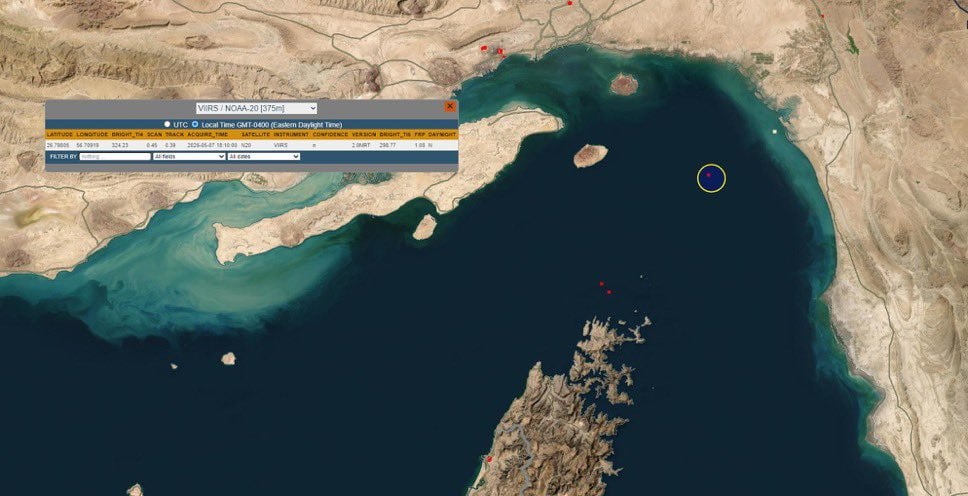
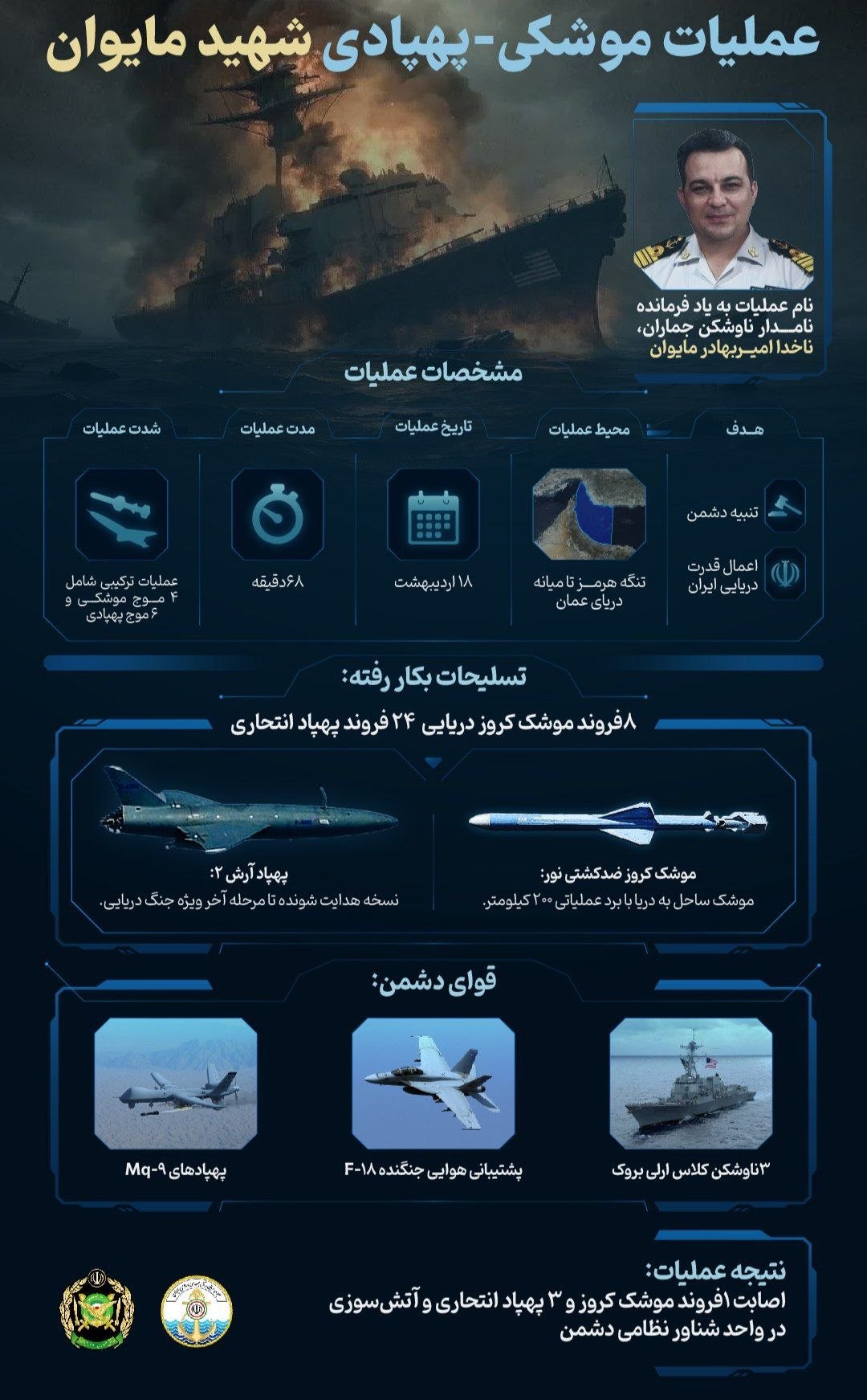
Earlier that day, at 09:00 UTC, the Islamic Revolutionary Guard Corps (IRGC) Navy claimed an exchange of fire with U.S. destroyers in the Strait of Hormuz. According to the CIG_telegram channel, the IRGC asserted that three U.S. destroyers sustained damage during the night of 7‑8 May. NASA’s FIRMS satellite data subsequently detected two separate fire signatures on the water’s surface near the Omani and Iranian coasts, which the IRGC presented as evidence of the engagement.
While independent verification of the claimed U.S. ship damage remains pending, the incident illustrates the heightened risk of direct naval confrontation in one of the world’s most strategic chokepoints.
US‑Israeli Damage in Bandar Abbas
At 08:30 UTC, the monitor_the_situation channel reported that the combined US‑Israeli campaign had damaged approximately 30,000 civilian vehicles in the southern port city of Bandar Abbas. The figure originates from an Iranian insurance agency, which documented widespread destruction of cars, trucks, and commercial fleets following aerial bombardment. No military casualties were reported, but the economic impact is substantial.
Impacted sector: Civilian transportation and logistics.
U.S. Strikes on Tankers Near Jask
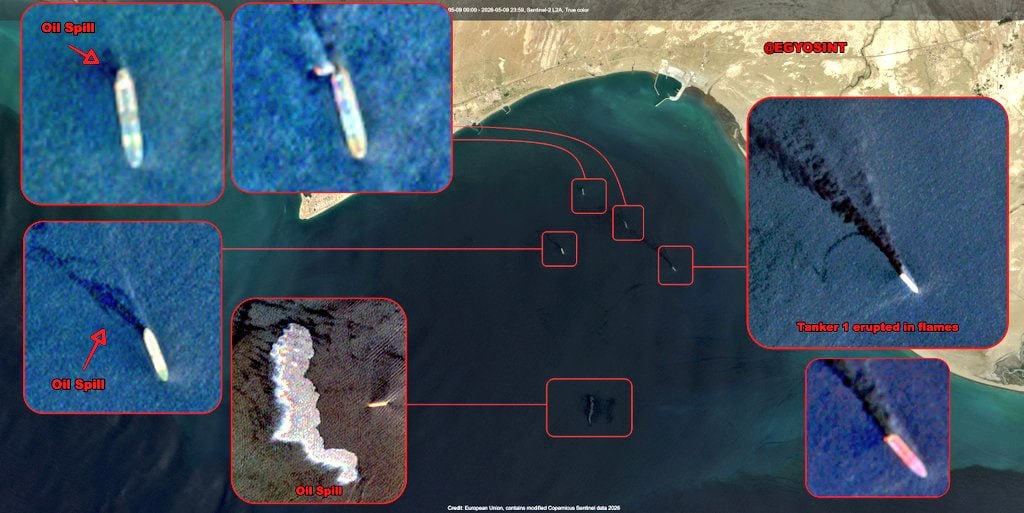
At 15:37 UTC, CIG_telegram posted that U.S. forces struck or disabled four oil tankers near the Jask area of Hormozgan Province. Satellite imagery showed one tanker ablaze and multiple oil slicks extending up to 7.4 km from the anchorage. The incident resulted in significant environmental contamination and temporary disruption of regional oil transit.
"Four tankers were apparently struck or disabled by the U.S. forces near Iran’s Jask area" – CIG_telegram, 9 May 2026
British Naval Posture
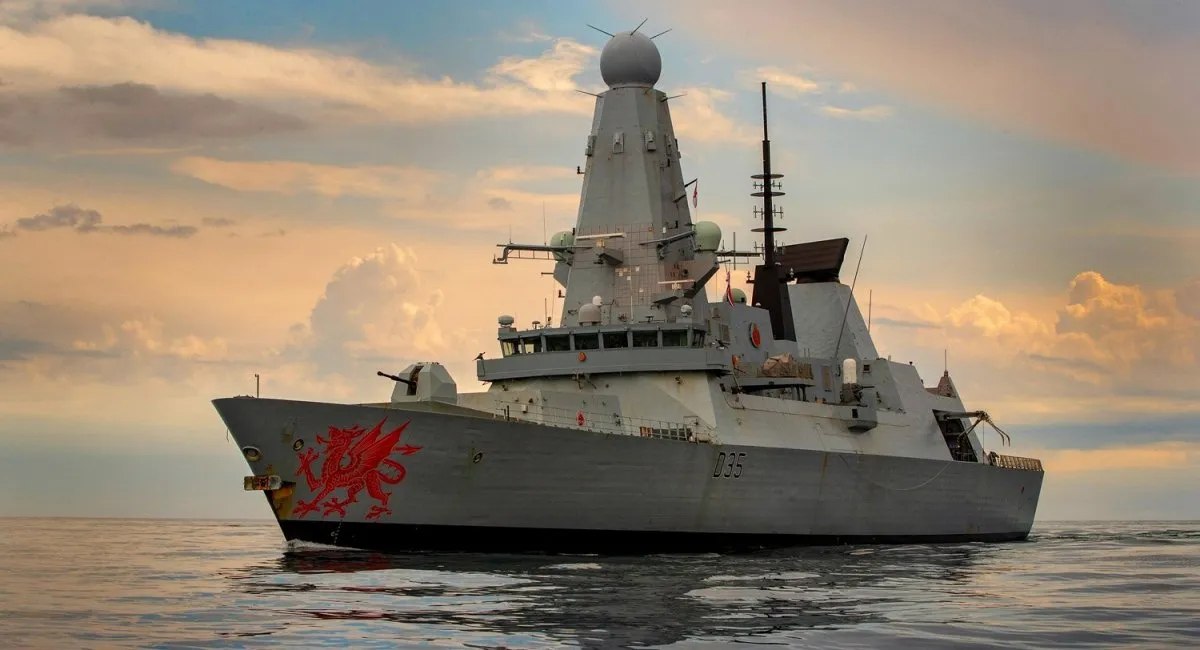
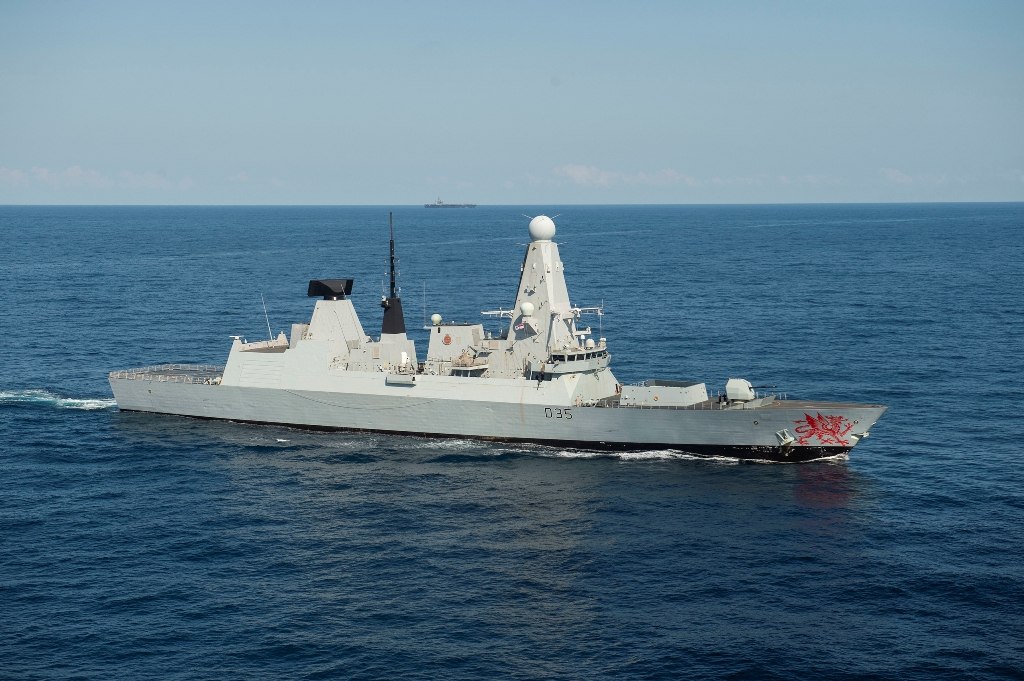
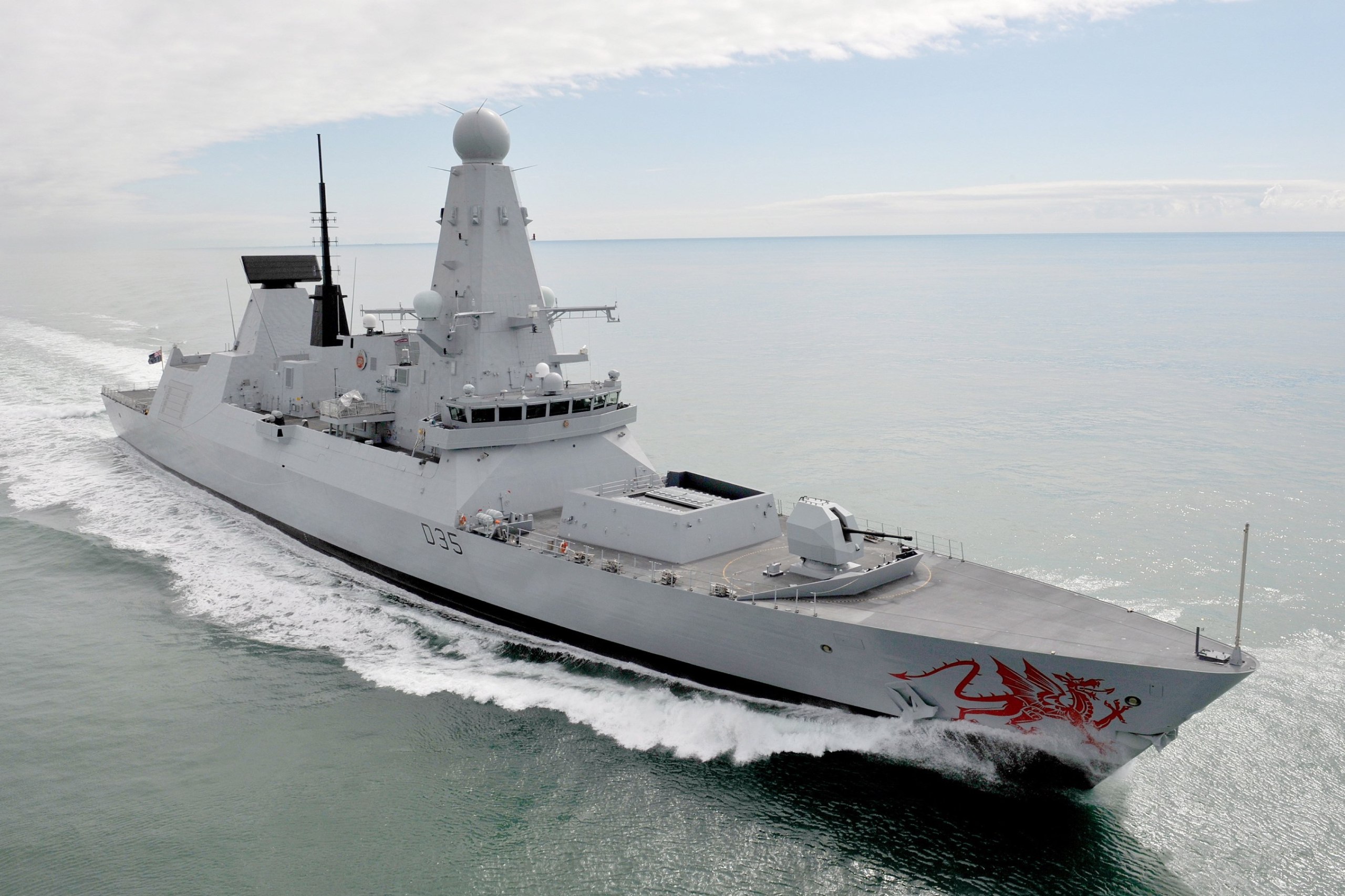
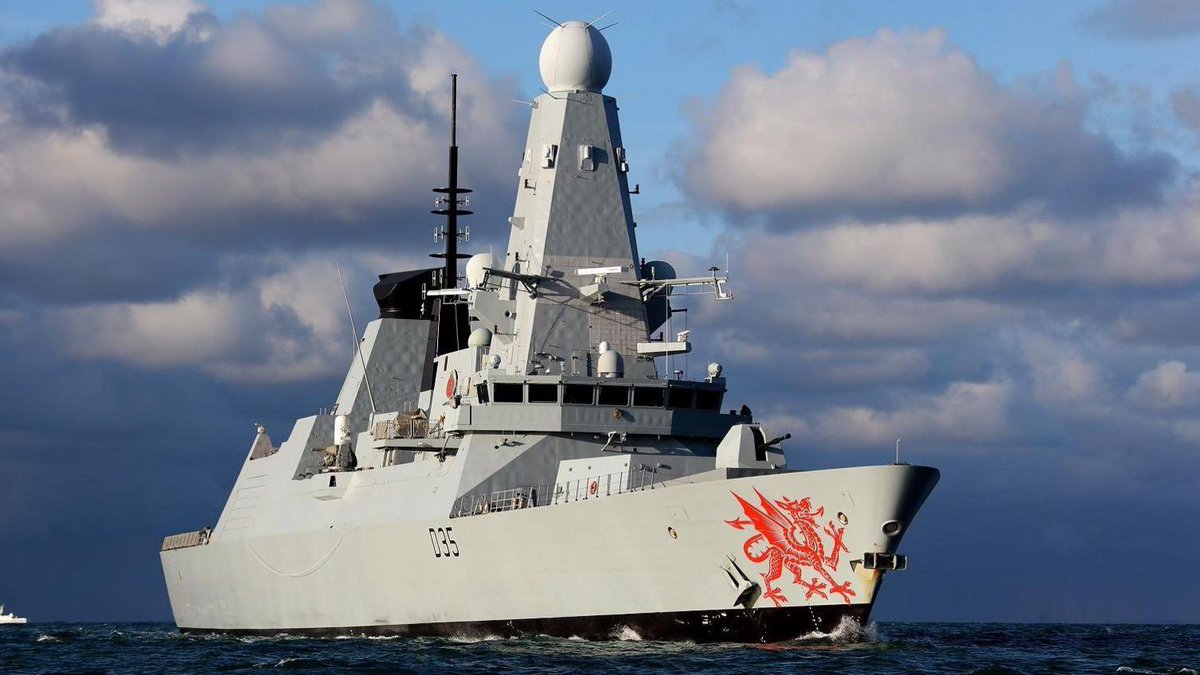
Multiple sources on 9 May documented the United Kingdom’s response to the escalating situation. The JPost reported the deployment of a warship to the Middle East, while GeoPWatch and monitor_the_situation confirmed the redeployment of the Type‑45 destroyer HMS Dragon from the eastern Mediterranean to the Strait of Hormuz. The British Ministry of Defence framed the move as a precautionary measure to protect commercial shipping should a defensive coalition be formed.
Units involved: HMS Dragon, Royal Navy.
Chinese Research Vessel AGNI
At 12:34 UTC, monitor_the_situation noted the arrival of the Chinese research vessel AGNI near Larak Island, situated at the entrance to the Strait of Hormuz. While the vessel’s mission is scientific, its presence adds a diplomatic dimension to an already crowded maritime environment, highlighting the interests of non‑regional powers in the conflict zone.
Maritime Casualties and Humanitarian Concerns
Also on 9 May, a wooden dhow caught fire and sank near the Strait of Hormuz, killing an Indian sailor and injuring four others, as reported by monitor_the_situation. The Indian Consulate in Dubai offered consular assistance. In addition, BellumActaNews cited a Wall Street Journal report that more than 20,000 seafarers aboard 800 vessels remain stranded in the strait due to ongoing missile and drone attacks attributed to the IRGC. The humanitarian situation includes shortages of food, water, and medical supplies, raising concerns for international maritime law and the safety of civilian crews.
Collectively, these kinetic events illustrate a rapid intensification of hostilities across air, sea, and economic domains. The coordination between Israeli and U.S. forces, the IRGC’s willingness to engage directly with U.S. naval assets, and the involvement of third‑party states such as the United Kingdom and China suggest a broadening of the conflict’s operational scope.