On May 9, 2026, Israeli military actions across Lebanon resulted in at least 19 fatalities, marking the most lethal episode of the day and highlighting the fragility of a U.S.-brokered ceasefire that remains under severe strain. The attacks, reported by Al Jazeera, occurred despite diplomatic efforts to halt hostilities, and set the tone for a series of kinetic events that unfolded across the broader region.
Lebanese Front: Israeli Bombardment and Casualties
According to Al Jazeera, Israeli strikes targeted multiple sites in Lebanon, resulting in civilian and combatant deaths that brought the death toll to at least 19. The report did not specify the exact weapons employed, but the scale of the casualties suggests the use of air‑delivered munitions. The attacks continued unabated while U.S. officials prepared a new round of ceasefire talks slated for the following week, indicating a disconnect between diplomatic negotiations and on‑the‑ground realities.
"No letup in Israeli attacks despite a US‑brokered ceasefire, with a new round of talks expected next week," Al Jazeera reported.
Joint Israeli‑U.S. Strikes on Iranian Nuclear Facilities
In a separate high‑profile operation, Israel and the United States conducted focused airstrikes against Iranian sites involved in the weaponization of enriched uranium. The Jerusalem Post cited analysis from the Institute for Science and International Security, which confirmed that development facilities linked to uranium enrichment were targeted. While casualty figures were not disclosed, the strikes represent a significant escalation in the covert conflict over Iran’s nuclear program.
Gaza Strip: Aftermath of Al‑Shati Refugee Camp Airstrike
Later that day, Al Jazeera’s correspondent Tareq Abu Azzoum documented the return of Gaza residents to the rubble of Al‑Shati Refugee Camp following an overnight Israeli airstrike. The report highlighted the humanitarian toll, with extensive structural damage and displaced families navigating the devastated landscape. No specific casualty numbers were provided, but the visual evidence underscores the ongoing intensity of Israeli operations in the Gaza Strip.
Cross‑Border Rocket and UAV Activity Along Israel’s Northern Frontier
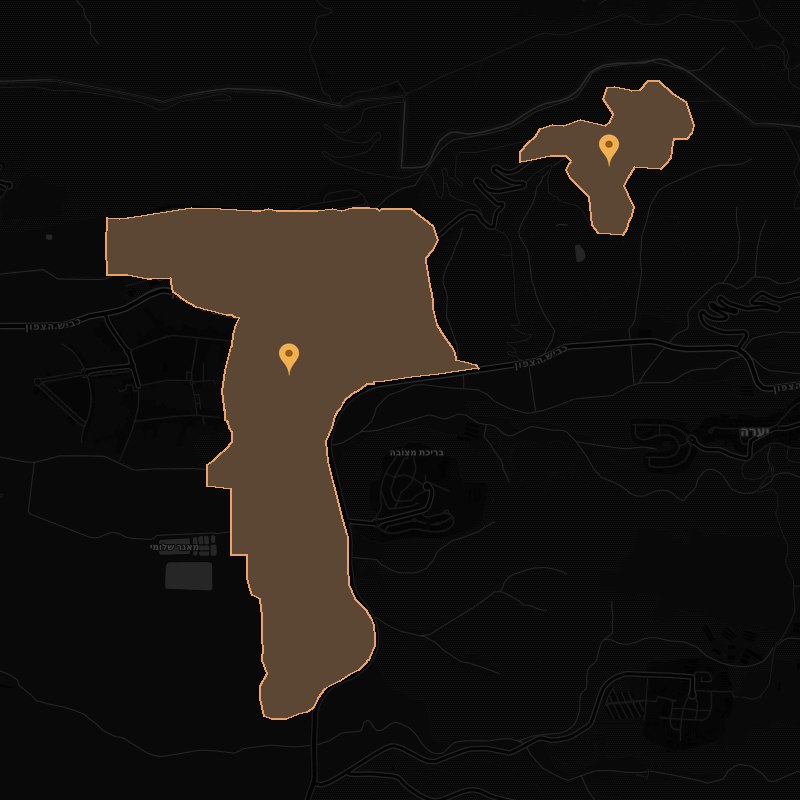
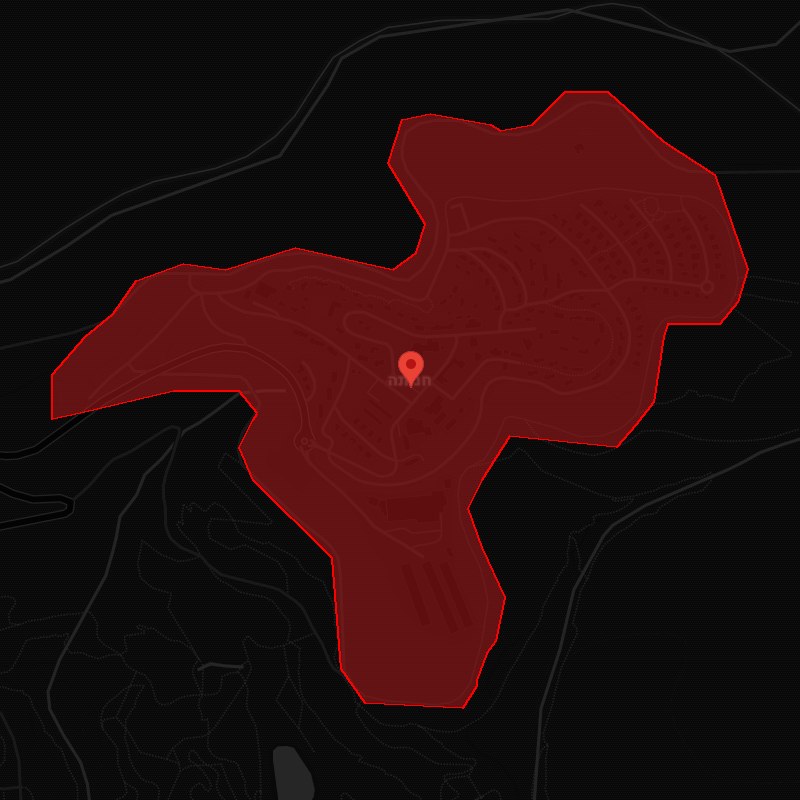
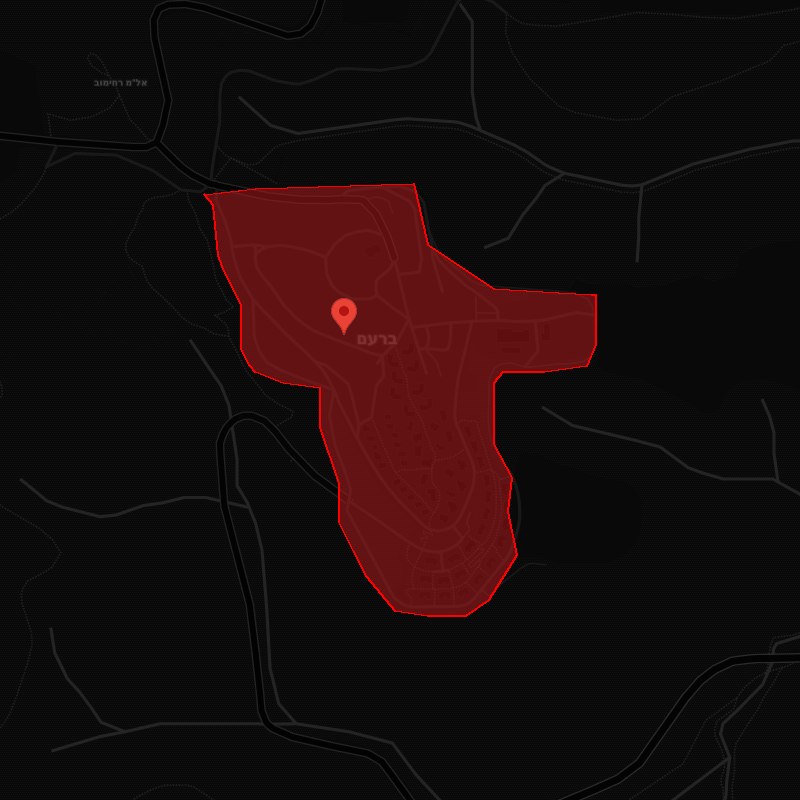
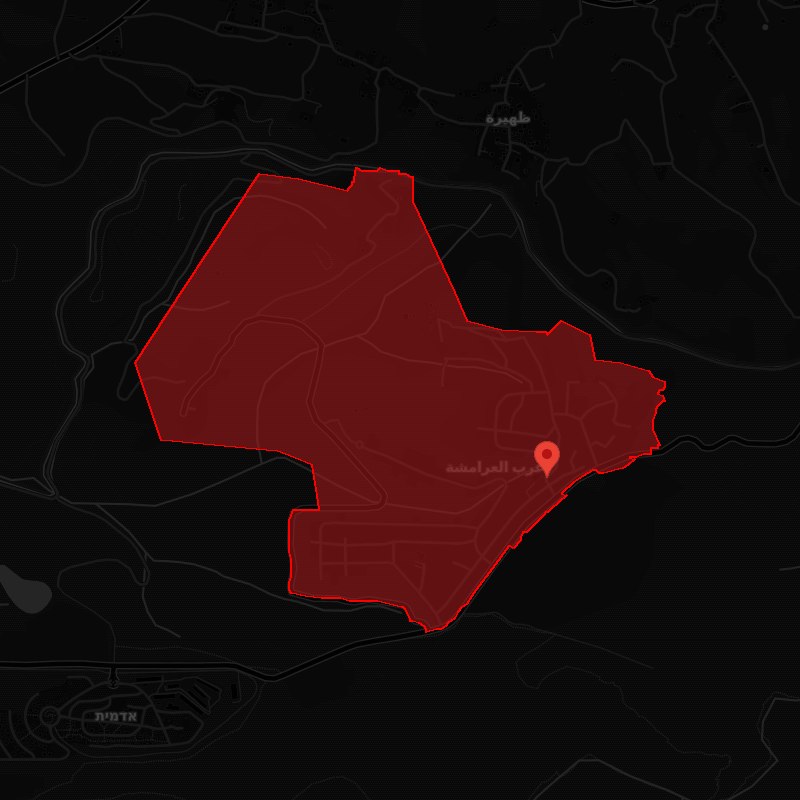
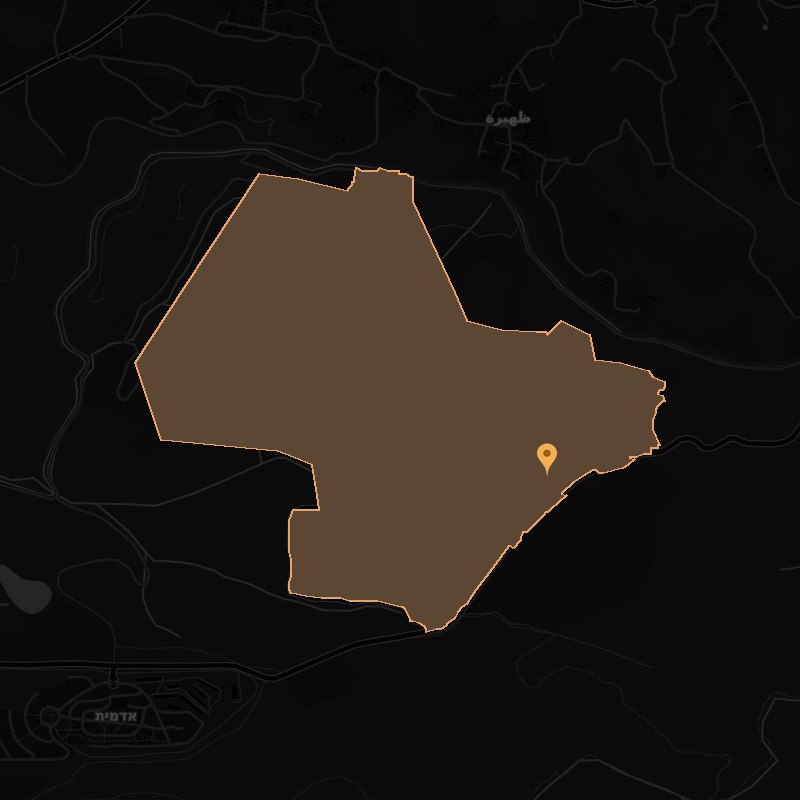
Multiple rocket alerts were recorded throughout the day along Israel’s northern border, as reported by RocketAlert. Alerts originated from confrontation lines at Hanita, Baram, and Arab al‑Aramshe, each triggering civilian warning systems but causing no reported injuries. Concurrently, Hezbollah escalated its aerial campaign by launching two drones that struck the Israeli town of Shlomi, resulting in casualties, and by deploying FPV (first‑person view) drones over northern Israeli districts. Video evidence of these drones was shared by monitor_the_situation, confirming the expanding use of low‑cost UAVs in the conflict.
"Hezbollah launched two drones that directly hit Shlomi, causing casualties according to Israeli sources," monitor_the_situation reported.
Israeli air defenses responded with at least one missile interception over the Northern District, as captured by GeoPWatch, demonstrating the heightened alert status of Israel’s integrated air‑defence network.
Regional Kinetic Developments Beyond the Levant
While the Middle East remained the focal point, several notable kinetic events occurred elsewhere:
- Ukraine: Ukrainian air defenses shot down 15 Russian aircraft—including Su‑25, MiG‑29, and Su‑30SM models—in Donetsk Oblast, marking a substantial attrition of Russian air assets (source). Additionally, Ukrainian drones targeted Russian air‑defence systems near Mykhailivka, damaging a Tor‑M2 missile system and a 2K22 Tunguska gun (source).
- U.S. Naval Operations: U.S. Central Command confirmed that its naval blockade of Iranian waters remains fully operational, sustaining pressure on Iran’s maritime logistics (source).
- Mali: Al‑Qaeda‑linked groups JNIM and the Azawad Liberation Front launched a major offensive, forcing Russian‑backed forces to retreat and challenging the Malian junta’s control (source).
Implications for Conflict Dynamics
The convergence of high‑intensity kinetic actions across multiple fronts illustrates a pattern of escalation that complicates diplomatic de‑escalation efforts. In Lebanon, the continuation of Israeli strikes despite a ceasefire suggests that tactical objectives are outweighing political negotiations. The joint Israeli‑U.S. operation against Iranian nuclear facilities signals a willingness to employ pre‑emptive strikes to curb perceived proliferation threats.
Hezbollah’s increased use of drones—both for direct attacks on Israeli towns and for reconnaissance—reflects a broader trend toward low‑cost, asymmetrical aerial warfare. Israel’s rapid missile interceptions indicate a robust defensive posture but also a heightened risk of inadvertent escalation.
Parallel developments in Ukraine and the broader Middle East demonstrate that kinetic engagements are not isolated; they are part of a complex web of regional power contests, where advances in drone technology, air‑defence capabilities, and naval blockades intersect with longstanding geopolitical rivalries.
Looking Ahead
Stakeholders should monitor the following indicators:
- Further Israeli operations in Lebanon and Gaza, especially any shifts in target selection that could affect civilian populations.
- U.S. and Israeli coordination on strikes against Iranian nuclear infrastructure, which may provoke retaliatory actions.
- The evolution of Hezbollah’s UAV tactics and Israel’s corresponding air‑defence responses.
- The impact of Ukrainian drone strikes on Russian rear‑area assets, which could influence the broader Eastern European front.
- Continued enforcement of the U.S. naval blockade and its implications for Iranian maritime activity.
Continued vigilance and real‑time intelligence are essential to assess the trajectory of these kinetic events and to inform policy decisions aimed at preventing further escalation.