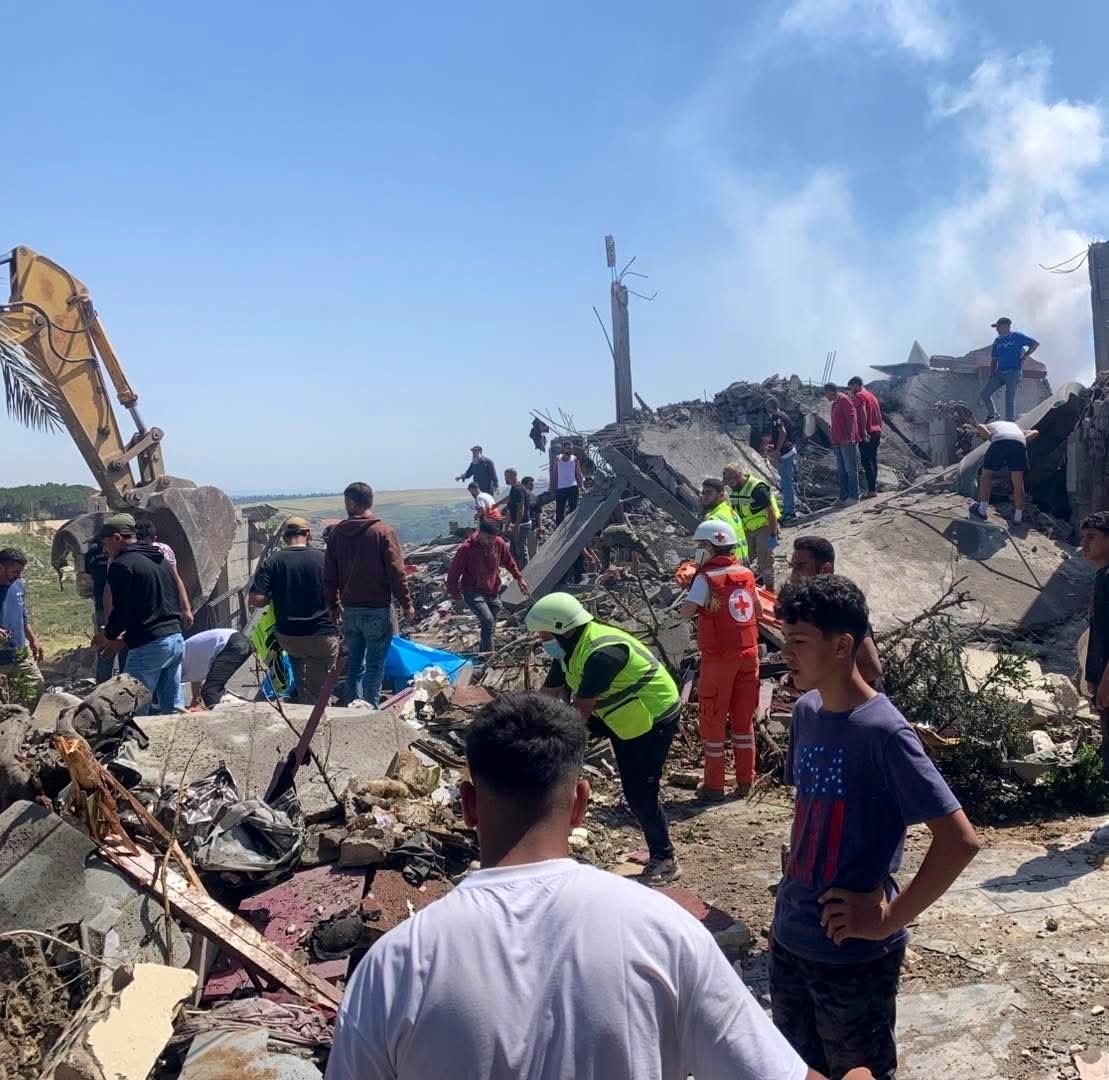
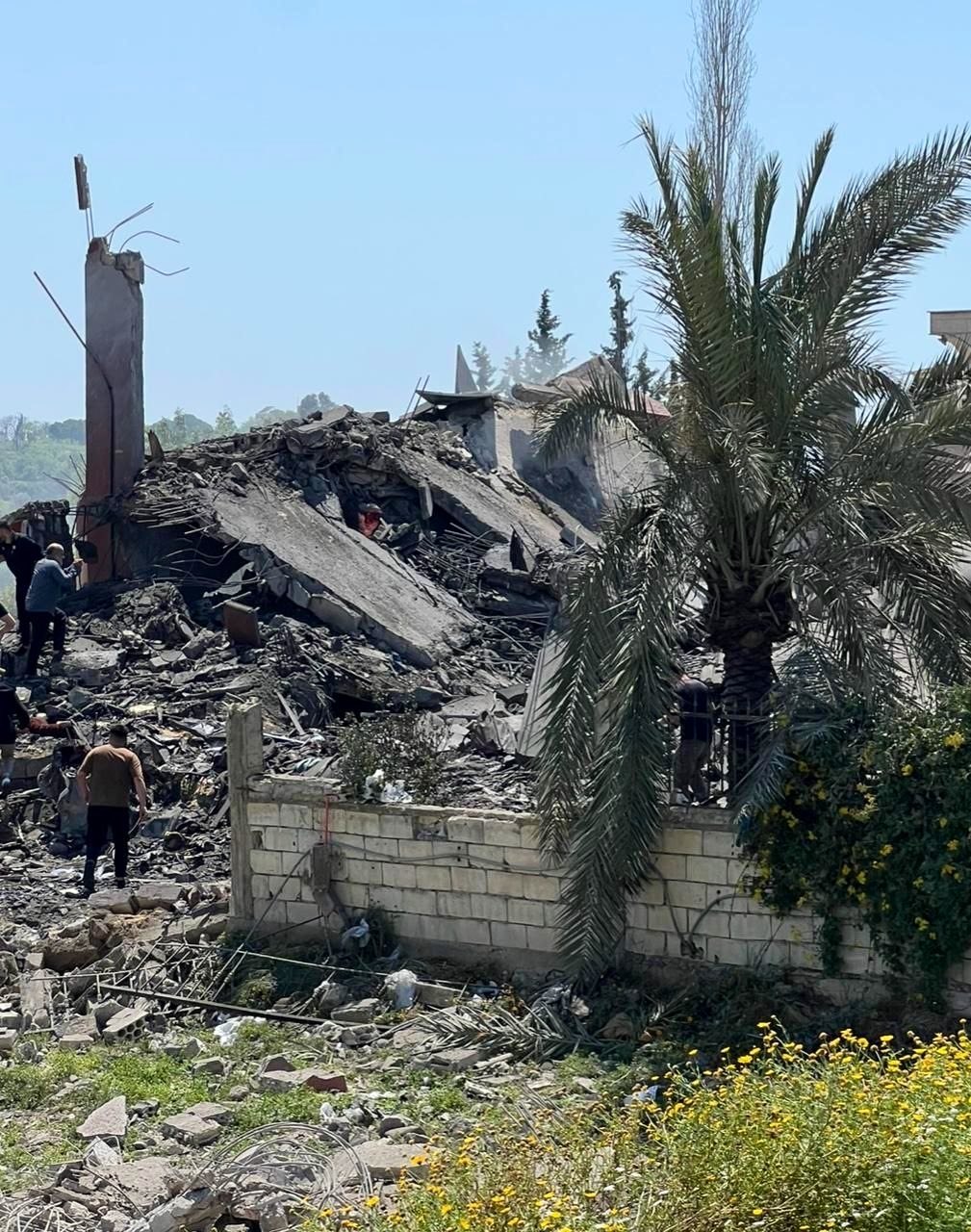
On May 9, 2026, Israeli air power delivered two consecutive strikes on the town of Saksakiyeh in southern Lebanon, resulting in at least seven confirmed deaths and a growing number of injured civilians trapped beneath rubble. The attacks, reported by GeoPWatch, represent the most lethal single‑day kinetic event in Lebanon this year and underscore the rapid escalation of cross‑border hostilities between Israel and Hezbollah.
Israeli Airstrikes on Saksakiyeh
At 11:34:00 UTC, an Israeli airstrike hit a residential building that housed dozens of displaced families, many of whom were refugees from the nearby town of Jebchit. GeoPWatch noted that “dozens are feared dead” and that rescue teams were still on site, anticipating a rising casualty toll. Less than an hour later, at 12:12:53 UTC, a second strike struck a separate structure in the same locality, confirming seven fatalities and leaving many more injured and buried under debris. Both incidents were captured in photographs released by GeoPWatch (source, source). No specific weapon systems were disclosed, but the pattern aligns with previous Israeli precision‑guided munition deployments in the region.
"An Israeli strike in Saksakiyeh, South Lebanon has killed at least seven people and left many injured and trapped under rubble," GeoPWatch reported.
Casualties: Minimum seven dead; dozens injured; numbers likely to increase as rescue operations continue.
Strategic impact: The targeting of civilian shelters intensifies humanitarian concerns and may provoke retaliatory actions from Hezbollah, which has already escalated its own kinetic operations.
Hezbollah’s Accelerated Drone Campaign
In parallel with the airstrikes, Hezbollah released a series of video recordings documenting the use of first‑person‑view (FPV) drones against Israeli forces. The footage, disseminated through multiple Telegram channels, shows attacks on both armored and infantry units across a wide swath of southern Lebanon.
Key incidents include:
- At 17:15:15, an FPV drone engaged an IDF Merkava III tank near Aalma El Chaeb, with a soldier observed on the tank’s roof (GeoPWatch).
- At 17:12:04, a separate drone strike targeted at least two IDF infantry soldiers in Bayada on May 6 (GeoPWatch).
- At 15:16:01, a drone hit an IDF soldier fleeing a Merkava tank in Aalma ash‑Shaab (rnintel).
- At 15:03:24, Hezbollah claimed to have struck an Israeli bulldozer near Houla with an FPV drone (GeoPWatch).
- At 15:02:00, a drone attack on a group of Israeli soldiers was reported in Al‑Bayyada (monitor_the_situation).
These operations demonstrate a shift toward low‑cost, high‑precision aerial weapons that can engage moving targets such as tanks, bulldozers, and infantry formations. The use of FPV drones, which are manually piloted in real time, allows Hezbollah to exploit terrain cover and reduce the exposure of its operators.
Hezbollah released footage showing an FPV drone strike on an IDF Merkava tank near Al‑Maa El Chaeb, confirming the group’s continued capability to target high‑value armored assets.
Weaponry: Commercially available FPV drones retrofitted with explosives; no conventional anti‑aircraft systems reported in these incidents.
Israeli Artillery and Broad Air Campaign
In addition to the Saksakiyeh strikes, the Israeli Defense Forces (IDF) conducted a broader air and artillery campaign across southern Lebanon. According to the Jerusalem Post, more than 85 Hezbollah sites were hit by airstrikes within a 24‑hour window, targeting weapon storage facilities and production sites (JPost). Simultaneously, Israeli artillery fire struck multiple towns in the south, as reported by monitor_the_situation (source).
The artillery barrage and extensive air campaign appear to be a direct response to rocket fire aimed at IDF positions earlier in the day. While the exact number of casualties from the artillery strikes has not been disclosed, the pattern of reciprocal fire reinforces a cycle of escalation that has persisted since the 2023 border flare‑up.
Overall Assessment
The events of May 9 illustrate a marked intensification of kinetic engagements in Lebanon. Israeli airpower has shifted from precision strikes on military targets to attacks on civilian shelters, raising the risk of broader humanitarian fallout. Hezbollah, in turn, has expanded its drone‑based offensive, achieving tactical successes against armored and engineering assets while avoiding direct aerial confrontation.
Both sides are employing asymmetric tools—Israel with high‑precision munitions and large‑scale air campaigns, Hezbollah with low‑cost FPV drones and limited surface‑to‑air missile engagements (e.g., the reported SAM launch against an IAF drone over Aabbasiyyeh at 10:30, outcome unknown). The convergence of these tactics suggests a protracted low‑intensity conflict that could spill over into larger civilian harm if either side escalates further.
Humanitarian agencies are urged to monitor the evolving situation, particularly the status of displaced families in Saksakiyeh and surrounding villages, where trapped survivors may face delayed medical assistance due to ongoing hostilities.