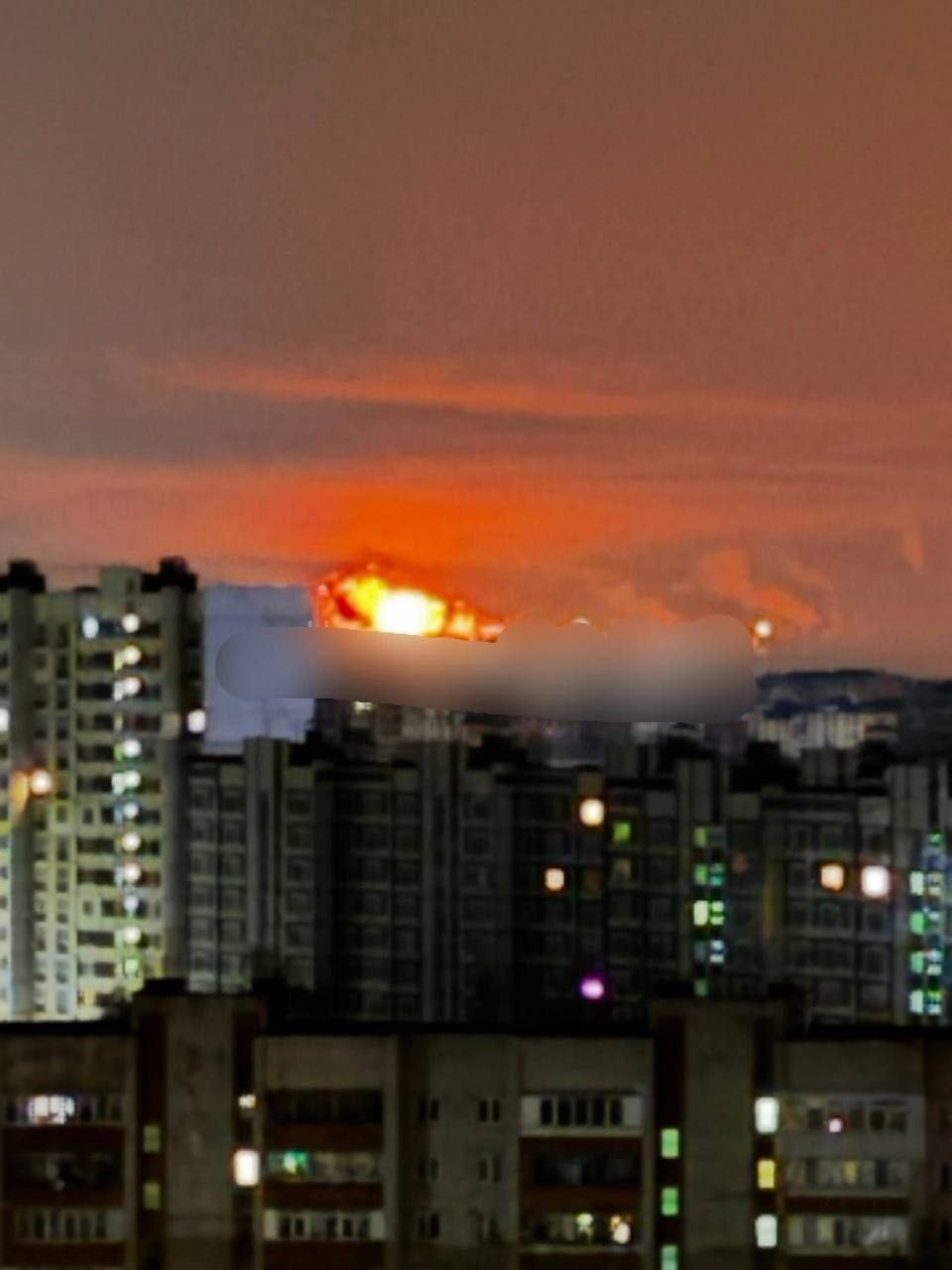
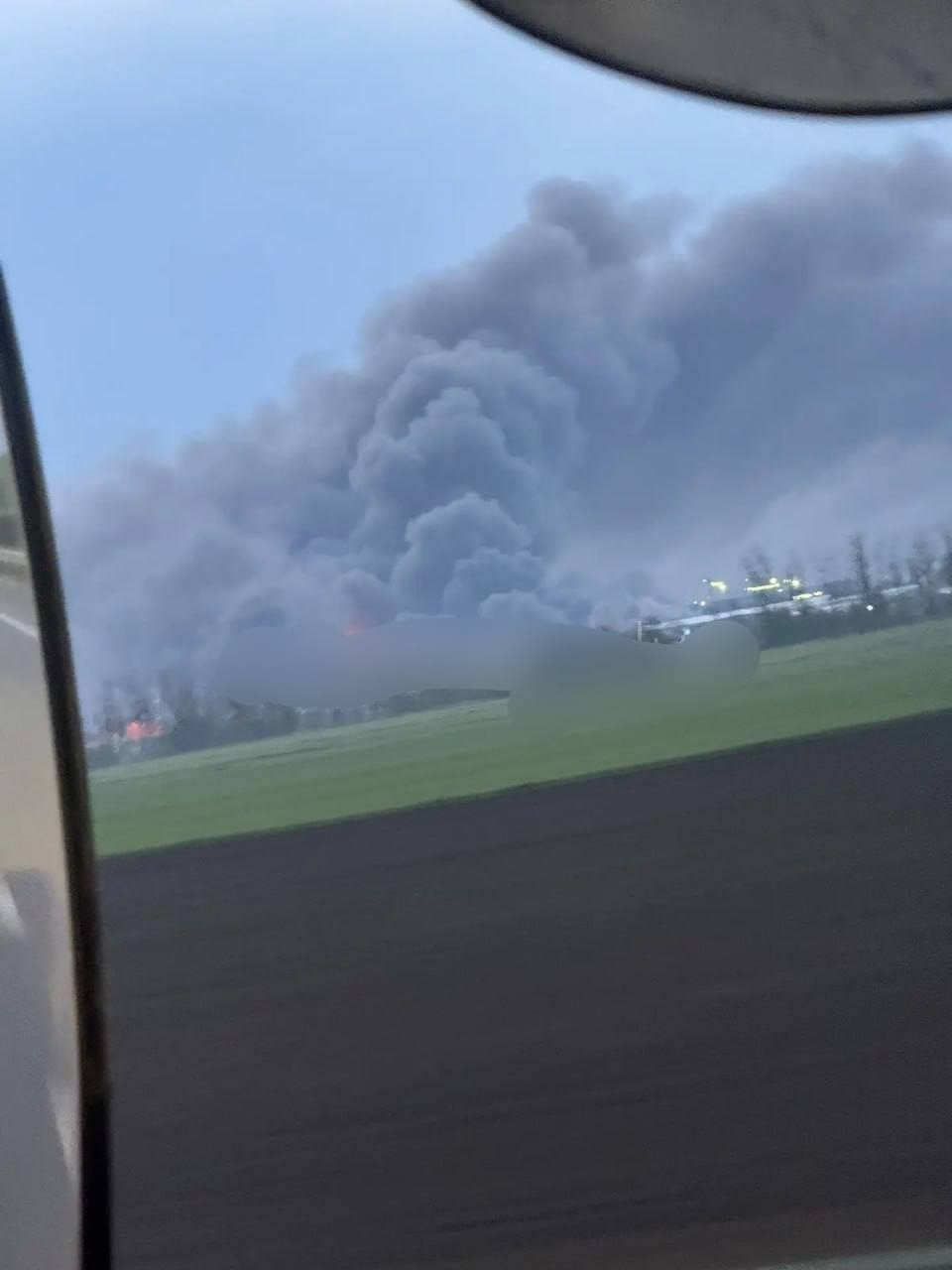
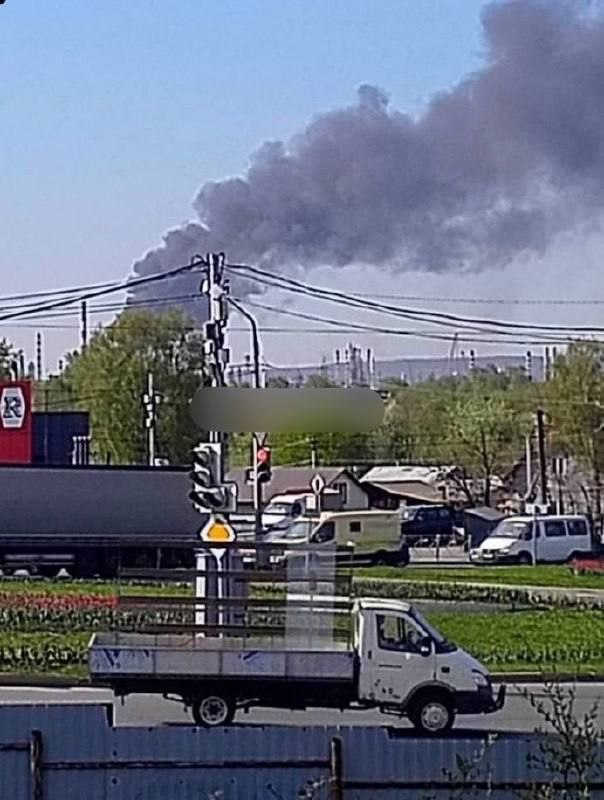
In the early hours of 8 May 2026, Ukrainian forces escalated their aerial offensive against Russian territory, striking the southern city of Rostov‑on‑Don with a missile that ignited a large fire and caused multiple explosions. The attack, reported by the Telegram channel monitor_the_situation, marks the most significant strike of the day and underscores a sharp increase in Ukrainian long‑range operations despite a declared temporary ceasefire.
"Ukraine Strikes Rostov‑on‑Don with Missiles in Russia" – monitor_the_situation, 00:02:18 8 May 2026
The missile, identified only as a generic “missile” in the source, hit a strategic target within the city, though casualty figures have not been released. Video footage shared by the channel shows a bright flash followed by a towering plume of smoke, confirming the severity of the blast. The strike aligns with a broader pattern of Ukrainian attacks on Russian energy and defense infrastructure observed throughout the day.
Additional Missile and Rocket Strikes Near Moscow
Later in the morning, another report from monitor_the_situation indicated that Ukrainian forces targeted a Russian oil refinery and a defense‑technology center located in the vicinity of Moscow. While the exact coordinates remain undisclosed, the source described the operation as a coordinated strike on “key Russian facilities” and noted that no immediate casualties were reported. The lack of detailed weapon information suggests the use of precision‑guided munitions, possibly launched from Ukrainian air‑defense platforms or long‑range artillery.
Ukrainian Drone Swarms Target Multiple Russian Regions
At approximately 05:58 UTC, the intelligence outlet intelslava posted video evidence of Ukrainian drones attacking the Chechen capital, Grozny. The drones reportedly struck a Federal Security Service (FSB) building and a motorized rifle unit, though Russian authorities have not issued an official statement. The footage, accompanied by a brief caption, claims that the attacks were part of a “night raid” that intensified after the ceasefire announcement.
"Ukrainian drones attacked Grozny, targeting an FSB building and a motorized rifle unit" – intelslava, 05:58:13 8 May 2026
Within minutes, another intelslava post documented a series of drone incursions across three additional Russian regions. In Yaroslavl, a refinery was hit; in Rostov, a military‑industrial complex known as the “NTC Radar” facility sustained damage; and in Perm, oil infrastructure was reportedly struck. The channel shared three photographs showing smoke plumes and damaged equipment, confirming the breadth of the Ukrainian UAV campaign.
"The most severe consequences of the night raid by Ukrainian drones occurred in the Yaroslavl and Rostov regions" – intelslava, 05:59:16 8 May 2026
These coordinated drone attacks demonstrate a shift toward low‑altitude, high‑precision strikes that can bypass traditional air‑defense systems, especially in regions where Russian radar coverage is stretched thin.
Russian Air‑Defense Intercepts Over Donetsk
At 00:13 UTC, Ukrainian forces reportedly launched a ballistic missile or a misfired Russian surface‑to‑air missile (SAM) that was intercepted over Donetsk Oblast, Ukraine. The interception was captured on video and posted by monitor_the_situation. While the originating side of the projectile remains ambiguous, the event highlights the heightened risk of escalation along the front lines, where both sides maintain dense air‑defense networks.
"Ballistic Missile or Misfired SAM Intercepted over Donetsk Oblast, Ukraine" – monitor_the_situation, 00:13:36 8 May 2026
The successful interception underscores the continued operational capability of Ukrainian air‑defense units, which have been reinforced with Western‑supplied systems over the past year.
Operational Context and Strategic Implications
The series of strikes and drone incursions occurs against the backdrop of a temporary ceasefire announced by both Kyiv and Moscow earlier in the week. Despite the pause in ground combat, both parties have leveraged the lull to intensify aerial and missile operations aimed at degrading each other’s strategic assets. Ukrainian officials have framed the campaign as a means to pressure Russia ahead of the upcoming Victory Day commemorations, while Russian state media has portrayed the attacks as “unprovoked aggression” violating the ceasefire.
From a tactical perspective, the use of long‑range missiles against urban centers such as Rostov‑on‑Don signals an intent to disrupt Russian logistical hubs and civilian morale. Simultaneously, the deployment of UAVs against oil refineries, radar installations, and security‑service buildings reflects a broader strategy to erode Russia’s energy production capacity and command‑and‑control infrastructure.
Casualties and Humanitarian Impact
As of the latest reports, no definitive casualty numbers have been released for any of the incidents. Russian authorities have been reticent in confirming damage assessments, while Ukrainian sources have emphasized the precision of their strikes without providing civilian impact data. Independent verification remains limited due to restricted access to the affected sites and the rapid pace of information dissemination on social media platforms.
Conclusion
The events of 8 May illustrate a pronounced escalation in Ukraine’s aerial campaign, leveraging both missile and drone capabilities to strike high‑value Russian targets while operating under a nominal ceasefire. Russian air‑defense systems have demonstrated resilience, as evidenced by the interception over Donetsk, but the breadth of Ukrainian attacks across multiple regions suggests a coordinated effort to maintain pressure on Russian strategic assets. The ongoing exchange underscores the fragile nature of the ceasefire and the likelihood of continued high‑intensity, low‑intensity conflict dynamics in the weeks ahead.