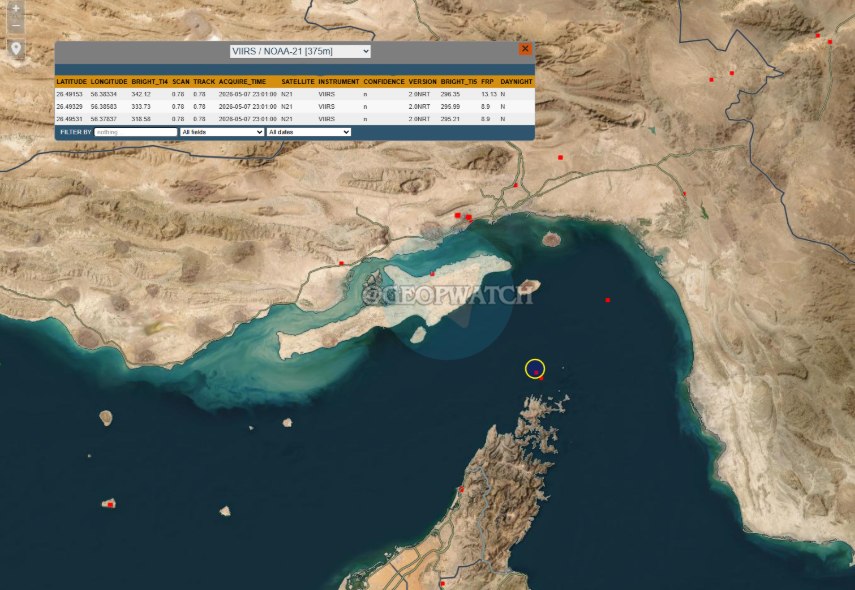
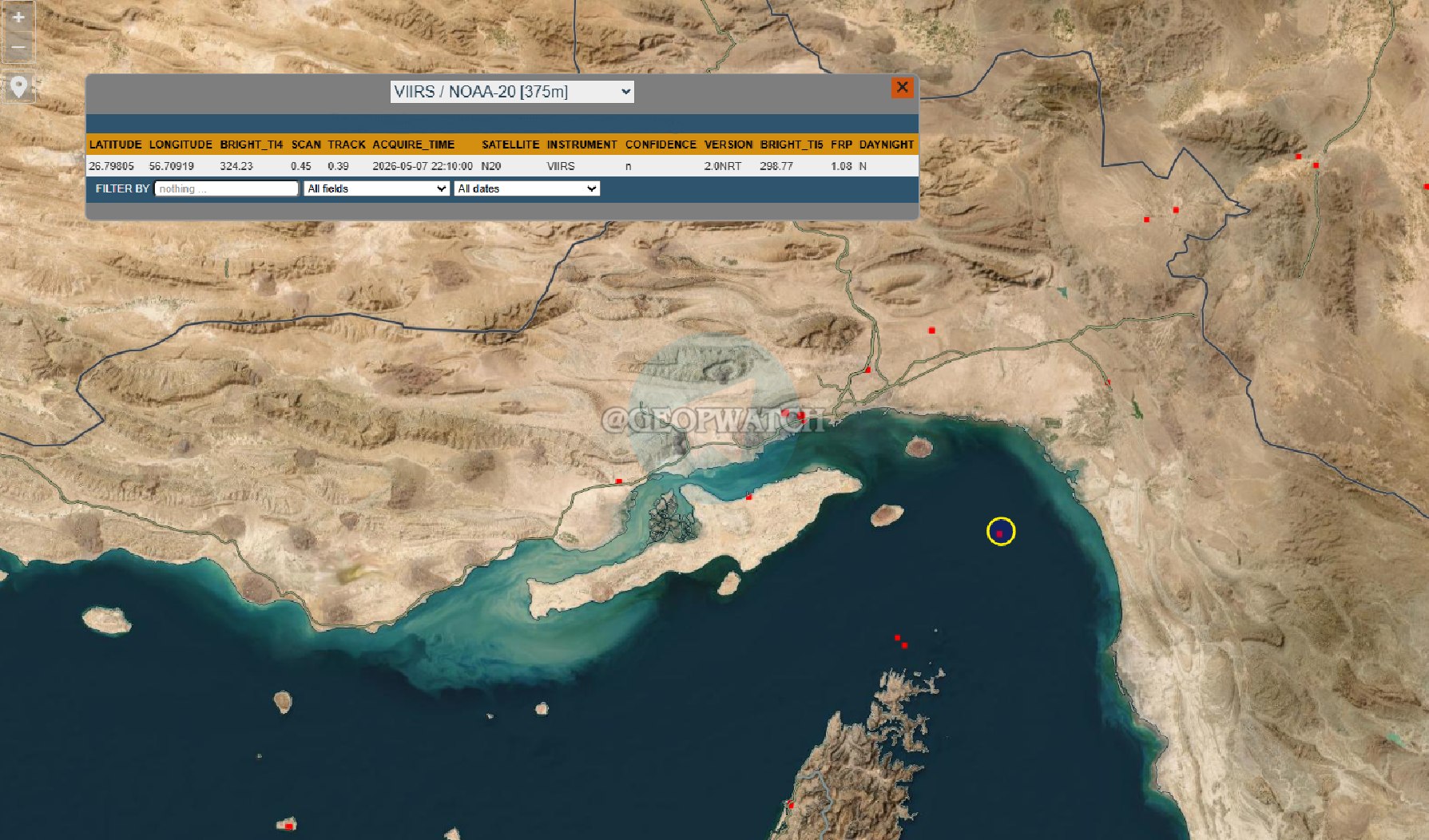
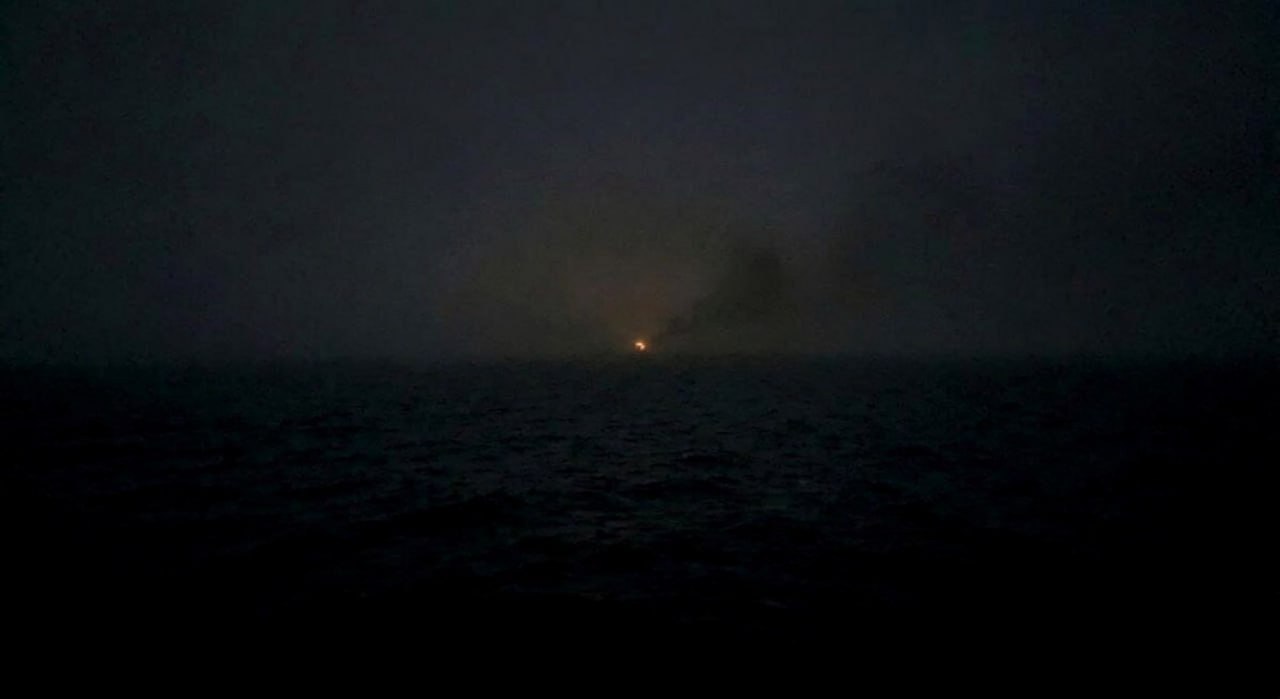
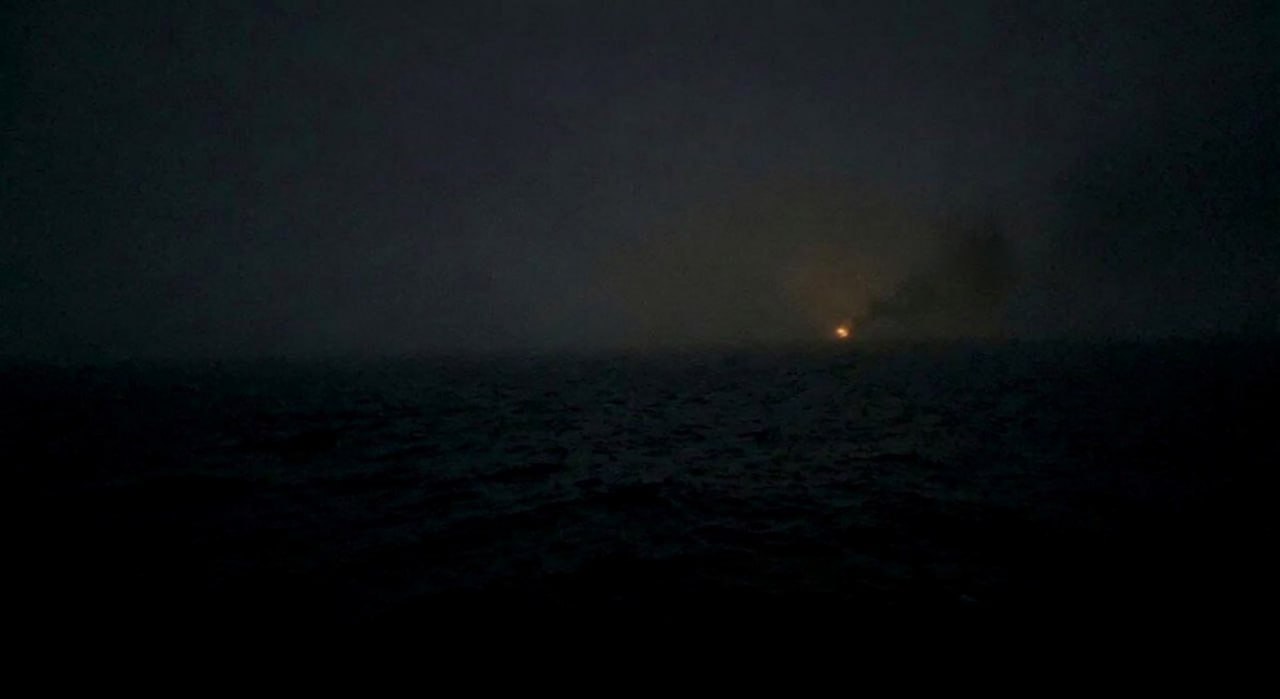
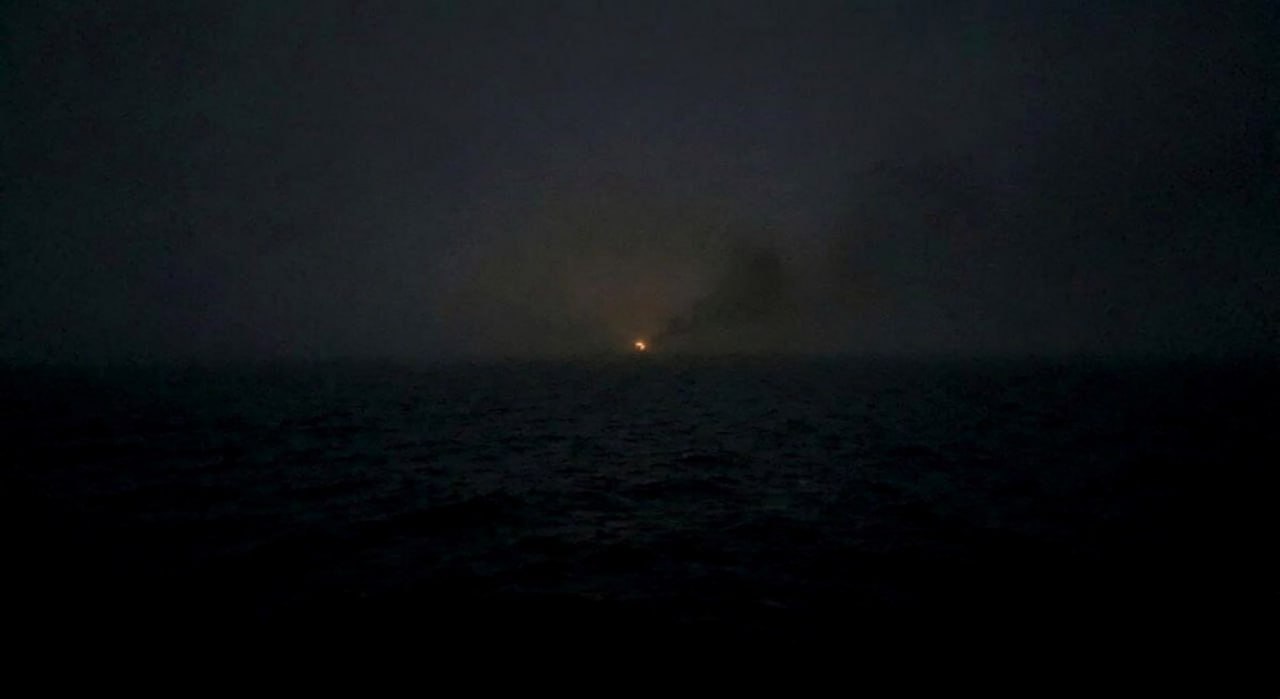
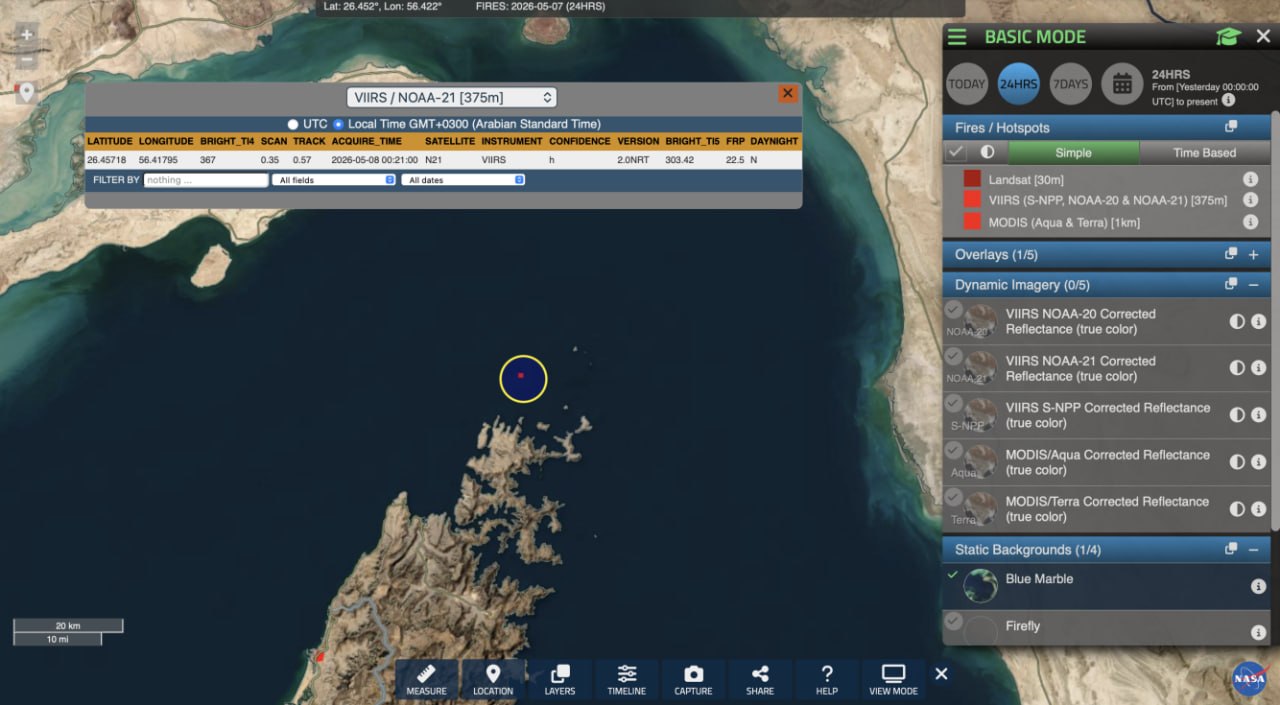
On 8 May 2026, satellite and open‑source monitoring confirmed that two separate vessels caught fire within the Strait of Hormuz, the narrow waterway that channels roughly 20% of global oil shipments. The incidents, reported by GeoPWatch at 01:02 UTC, were observed visually and corroborated by photographic evidence. Neither vessel’s flag or ownership could be identified, and no weapons were reported as the cause of the blazes. The fires were contained after several hours, but the visual confirmation of multiple simultaneous conflagrations underscores the heightened risk to commercial traffic in the region.
Strait of Hormuz Fires Confirmed by Multiple Sources
GeoPWatch’s report, posted on its Telegram channel (https://t.me/GeoPWatch/32792), described “two vessels on fire in the Strait of Hormuz” and supplied two photographs showing intense flames against the backdrop of the narrow channel. A separate observation from rnintel at 00:05 UTC documented a third vessel ablaze in the same waterway, though ownership remained unclear (https://t.me/rnintel/60526). The convergence of three independent sources within a 60‑minute window suggests a coordinated or coincidental series of events, rather than isolated accidents.
"Visual confirmation of a vessel currently on fire in the Strait of Hormuz. Ownership unclear," rnintel reported.
There were no reported casualties, injuries, or crew evacuations in any of the three incidents, and no weapon systems were identified as the trigger. The lack of attribution leaves open the possibility of accidental ignition, mechanical failure, or deliberate sabotage, but the absence of weapon signatures precludes definitive conclusions.
Projectile Strike Sets Gambia‑Flagged Tanker Ablaze North of Oman
At 00:27 UTC, intelslava reported that the Gambia‑flagged oil tanker Mayruree Naree was struck by an unidentified projectile approximately 11 nautical miles north of Oman’s coastline in the Arabian Sea. The impact ignited a fire that engulfed the vessel’s deck and superstructure (https://t.me/intelslava/87620). The projectile’s origin and type were not disclosed, and no state or non‑state actor claimed responsibility. The tanker, carrying crude oil, was en route to an undisclosed destination when the incident occurred.
"A Gambia‑flagged oil tanker, Mayruree Naree, caught fire after being hit by an unidentified projectile about 11 nm north of Oman," intelslava noted.
Preliminary assessments indicated that the crew initiated emergency protocols and were evacuated safely, with no fatalities reported. The fire was later brought under control by the vessel’s onboard fire‑suppression systems and assistance from nearby maritime rescue assets.
Unidentified Vessel Fire Adds to Maritime Uncertainty
The rnintel observation of a separate vessel on fire in the Strait of Hormuz, reported at 00:05 UTC, adds a further layer of complexity. The vessel’s flag, cargo, and exact position were not disclosed, and no weapon evidence was presented. Photographs accompanying the report showed a large merchant ship with flames visible from the deck, suggesting a rapid escalation that required immediate response from regional coast guard and naval units.
Combined, these three incidents represent a significant escalation in maritime security threats within a single day, affecting both the Strait of Hormuz and adjacent Arabian Sea waters.
Operational Impact on Critical Shipping Lanes
The Strait of Hormuz remains one of the world’s most vital chokepoints for energy transport. Any disruption, whether from mechanical failure, accidental fire, or hostile action, can have immediate repercussions for global oil markets. While the fires reported on 8 May were contained without loss of life, the visual evidence of multiple simultaneous incidents raises concerns about the adequacy of existing safety and surveillance measures.
Maritime authorities from Iran, Oman, and international naval coalitions have issued advisories urging vessels to exercise heightened vigilance, maintain increased watchstanding, and consider alternative routing where feasible. The United Nations’ International Maritime Organization (IMO) has called for a rapid investigation into the causes of the fires and the projectile strike, emphasizing the need for transparent reporting to mitigate speculation and prevent escalation.
In the short term, shipping companies may adjust schedules, increase insurance premiums, and deploy additional onboard fire‑suppression resources. Longer‑term implications could include a reassessment of the risk profile for vessels transiting the Strait, potentially prompting a shift toward larger, more heavily armed escort vessels or the adoption of alternative routes such as the Cape of Good Hope for high‑value cargoes.
Conclusion
The events of 8 May 2026 illustrate a volatile security environment in the Gulf region’s most critical maritime corridor. While no casualties were reported, the simultaneous occurrence of multiple vessel fires and a projectile‑induced blaze on a commercial tanker underscores the need for robust monitoring, rapid response capabilities, and coordinated international engagement to safeguard the flow of global trade through the Strait of Hormuz.