On 8 May 2026, the intensity of kinetic operations in Lebanon surged, marked by a high‑severity Israeli airstrike that killed more than a dozen civilians in the south, a series of Hezbollah‑launched unmanned aerial attacks, and a Lebanese Army engagement against armed suspects in the Bekaa region. The events unfolded across multiple fronts, underscoring the fluidity of the Israel‑Hezbollah confrontation and the broader security challenges facing the Lebanese state.
Israeli Airstrikes in Southern Lebanon
At 17:18 local time, the Israel Defense Forces (IDF) conducted a coordinated air campaign over southern Lebanon, targeting what the IDF described as “terrorist infrastructure.” According to Al Jazeera, the strikes resulted in “more than a dozen reported killed in Israeli attacks on south Lebanon.” The casualties included civilians and at least two combatants linked to Hezbollah. The weapons employed were conventional aircraft‑borne munitions, and the operation was confirmed by the IDF spokesperson as part of a broader effort to degrade Hezbollah’s launch capabilities ahead of upcoming diplomatic talks in Washington, DC.
"More than a dozen reported killed in Israeli attacks on south Lebanon," Al Jazeera, 8 May 2026.
Hezbollah’s Drone Campaign
Concurrent with the airstrike, Hezbollah intensified its use of low‑cost unmanned systems. GeoPWatch documented at least four separate drone‑borne attacks between 09:45 and 16:30, employing both first‑person‑view (FPV) attack drones and grenade‑dropping quadcopters. The targets included an IDF D9 bulldozer, infantry convoys, a command post, and a Merkava main battle tank in the towns of Bayada, Iskandarouna checkpoint, and Deir Seryan. The weapons used ranged from FPV drones delivering kinetic payloads to quadcopters releasing hand‑held grenades and anti‑tank guided missiles (ATGMs). No Israeli casualties were reported, but material damage to the bulldozer and the tank was confirmed by IDF statements.
Lebanese Army Counter‑Drug Operation in Baalbek
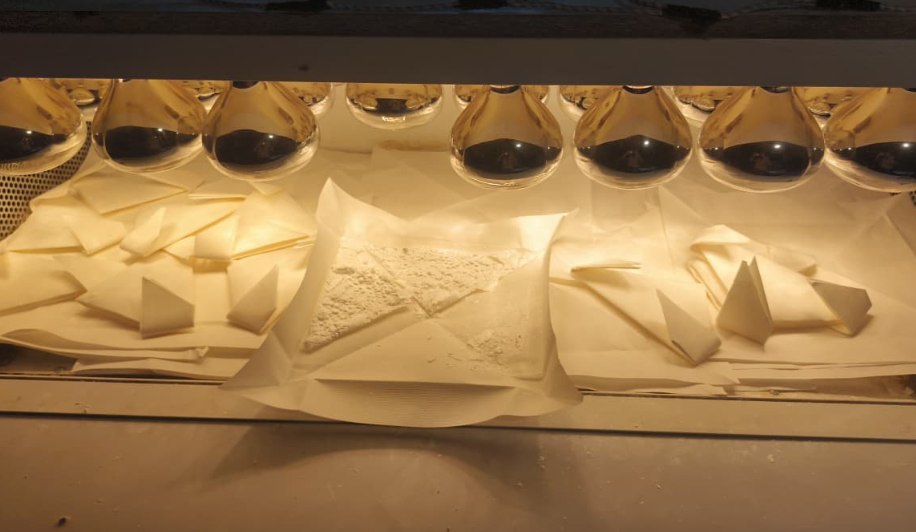
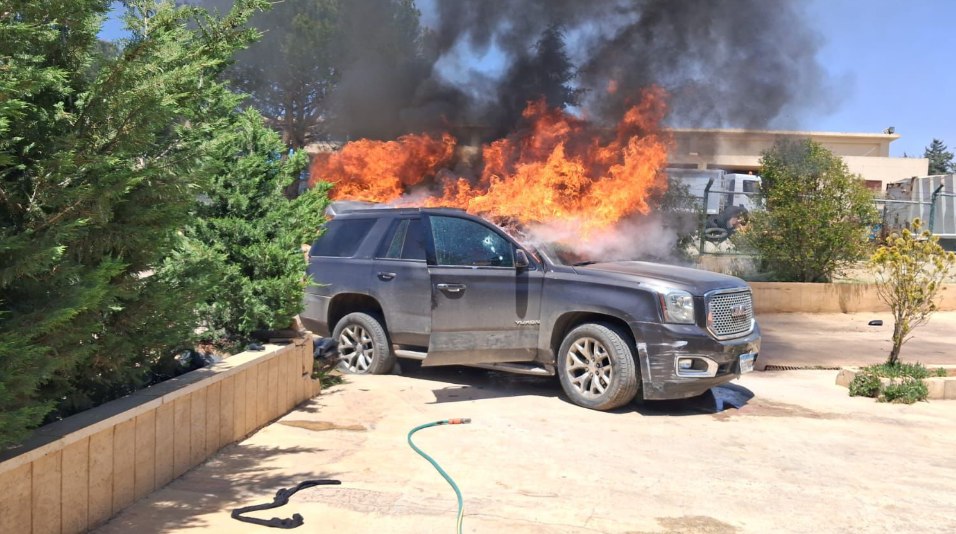
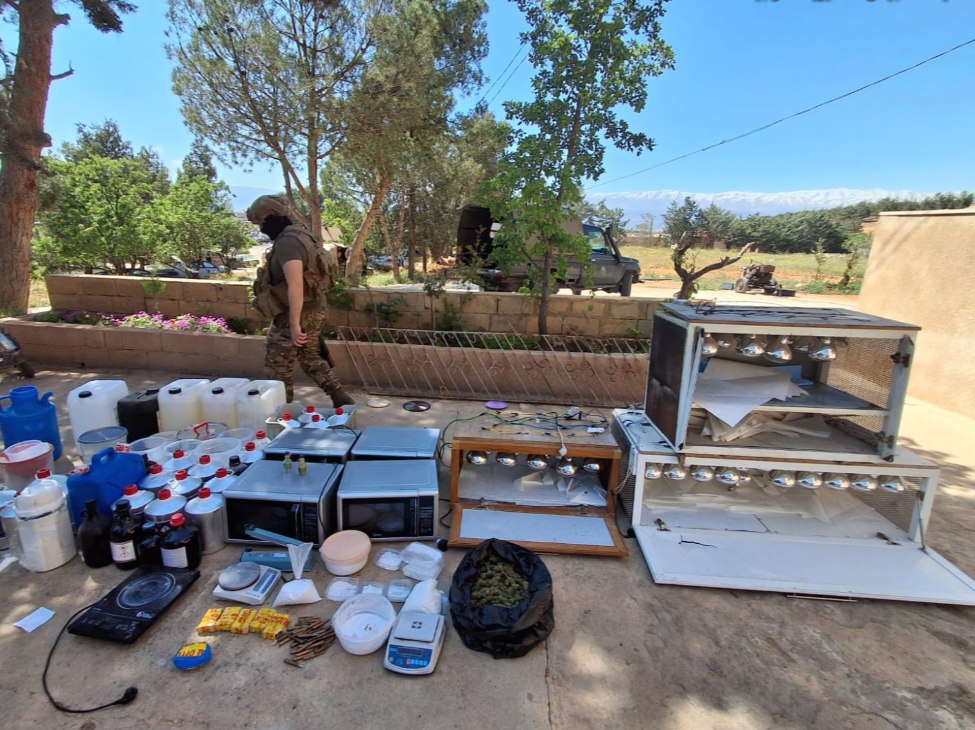
At 17:33, a Lebanese Army patrol moving to raid a suspected drug‑manufacturing facility in the Al‑Sharawna neighborhood of Baalbek encountered an ambush by two wanted suspects, one identified as a Syrian national. The exchange of fire resulted in minor injuries to one soldier and five civilians. The suspects’ jeep ignited after its ammunition cache detonated, prompting the army to evacuate one suspect for medical treatment while the second remained trapped under heavy gunfire. The operation highlights the Lebanese security forces’ simultaneous engagement with non‑state armed actors and illicit networks, complicating the security environment.
IDF Interceptor Missile Launch
Earlier, at 16:37, the IDF reported firing an interceptor missile at a “suspicious aerial target” over southern Lebanon. GeoPWatch released video footage of the launch, confirming the use of a surface‑to‑air missile system designed to neutralize unmanned or low‑altitude threats. While the target was not identified, the incident reflects the heightened vigilance of Israeli forces against potential drone incursions.
Additional Airstrikes and Rocket Engagements
Other kinetic actions on 8 May included:
- An Israeli Air Force (IAF) strike on the Bekaa Valley at 15:48, aimed at undisclosed targets linked to Hezbollah logistics.
- An IAF attack on a Hezbollah rocket launcher in northern Lebanon at 15:19, captured on video by idkunim_il.
- A rocket landing near an Israeli army convoy in southern Lebanon at 16:01, documented by monitor_the_situation, indicating ongoing artillery exchanges.
- Drone strikes by Israel on a motorcycle in Houmine al‑Tahta and villages of Arab al‑Jal and Deir Antar at 11:45, also reported by monitor_the_situation.
Overall, the day's events illustrate a multi‑layered conflict environment in Lebanon, where state actors (Israel, Lebanese Army) and non‑state actors (Hezbollah, criminal networks) operate in overlapping spheres. The escalation of aerial attacks, particularly the high‑casualty Israeli airstrike, raises the risk of broader civilian harm and may influence diplomatic negotiations slated for Washington later in the week.