On 7 May 2026 the Lebanese theatre experienced a marked surge in kinetic activity, with Israeli air power concentrating on urban targets in Beirut while Hezbollah intensified its drone‑based anti‑armor campaign in the south. The sequence of events reflects a rapid escalation following the April 16 US‑brokered cease‑fire, underscoring the fragility of the current stalemate.
Airstrike on Dahieh, Beirut – Targeting a Radwan Force Commander
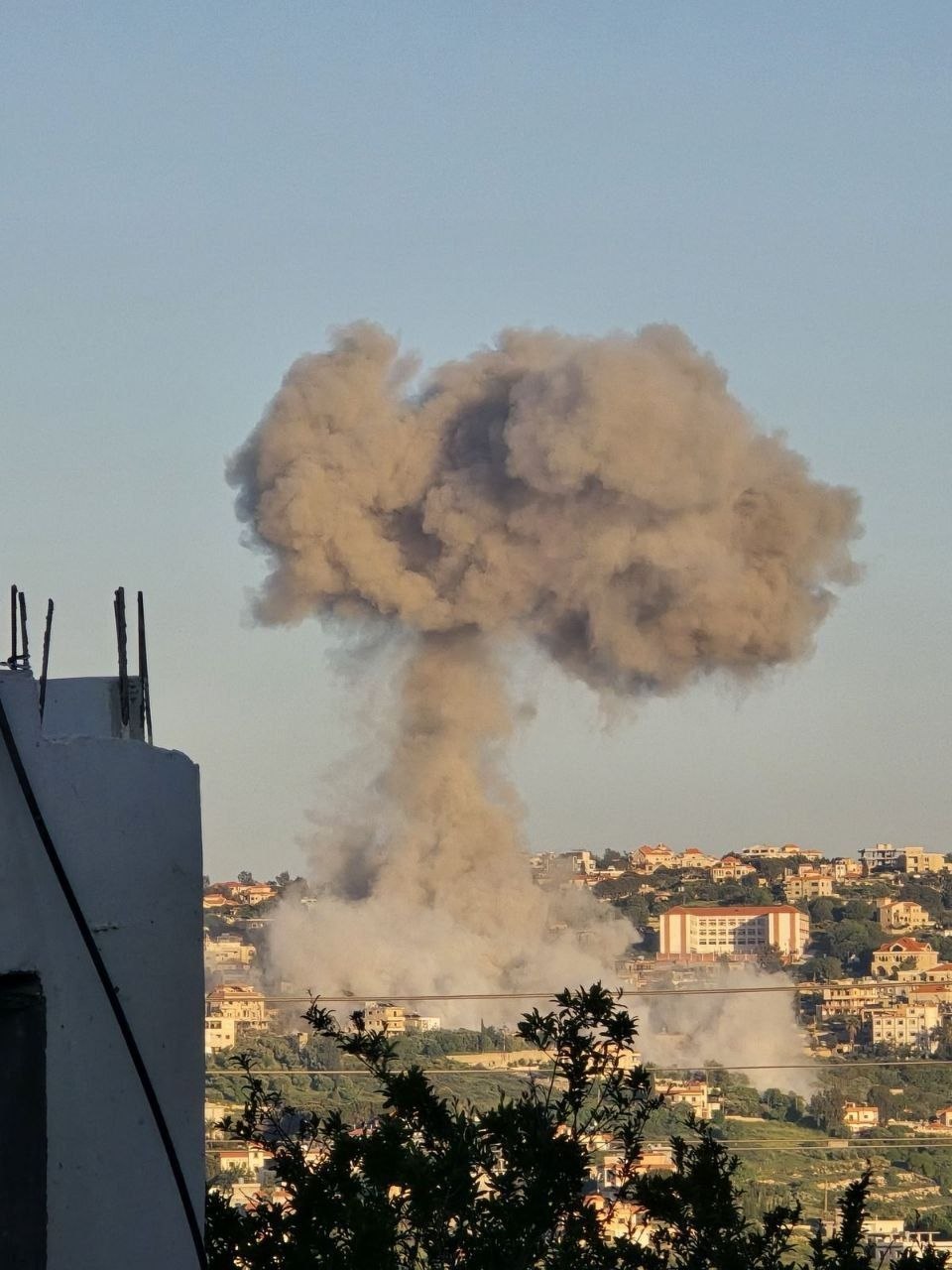
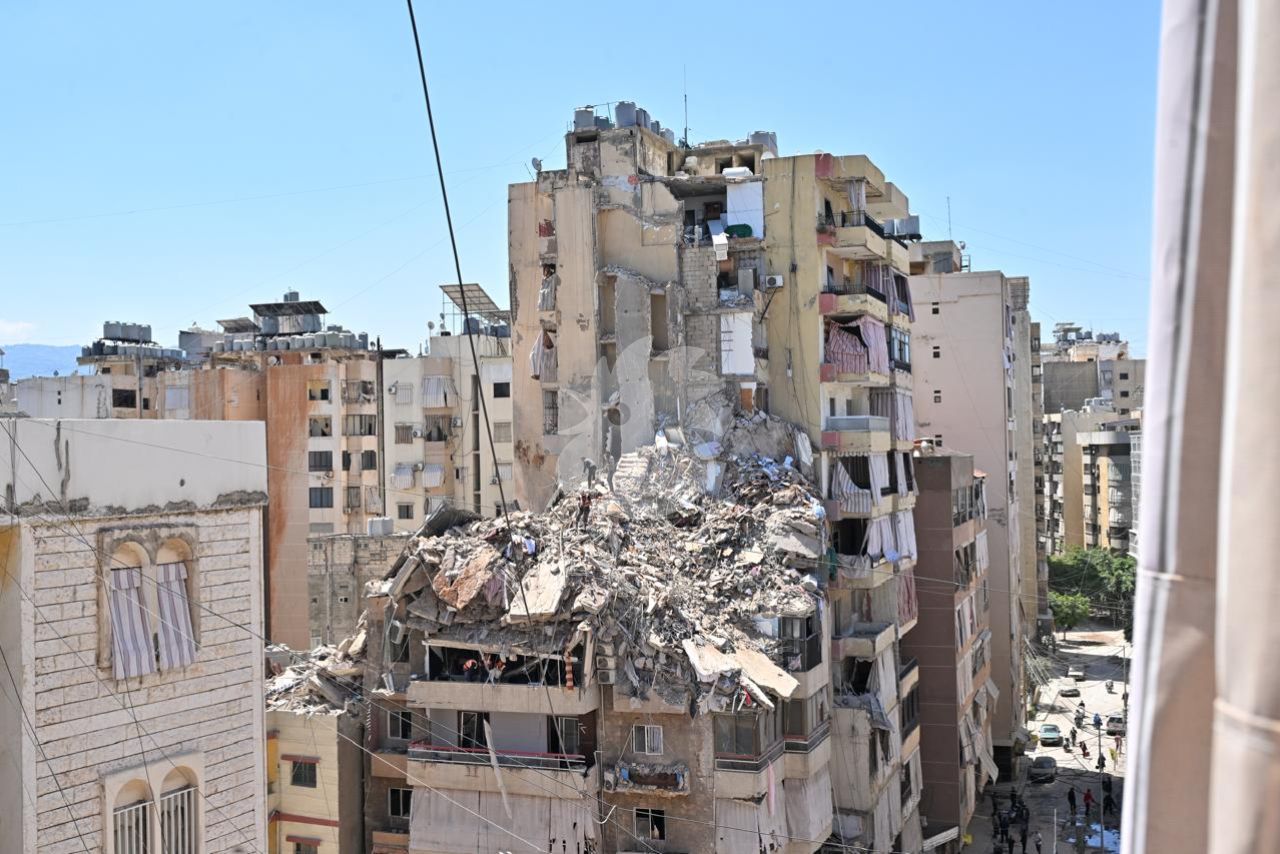
At 16:53 local time an Israeli Air Force strike hit an apartment building in Dahieh, a predominantly Shia suburb of southern Beirut. According to GeoPWatch, the strike was aimed at Malek Balut, identified by Israeli officials as a senior commander of Hezbollah’s Radwan Force. Video footage released by the channel shows the building’s roof collapsing and smoke rising from the impact zone. No official casualty figures were released, but local reports indicate multiple fatalities and injuries among residents. The operation marks the first direct Israeli strike inside the Lebanese capital since the cease‑fire and demonstrates Israel’s willingness to target high‑value Hezbollah leadership despite the diplomatic sensitivities surrounding Beirut.
"Israel has no immunity for anyone in Beirut," Israeli Prime Minister Benjamin Netanyahu warned in a televised address following the strike, emphasizing the strategic calculus behind targeting Radwan leadership.
Source: GeoPWatch (t.me/GeoPWatch/32686)
Renewed Israeli Strikes on Southern Suburbs of Beirut
Just minutes after the Dahieh attack, Al Jazeera reported a separate Israeli airstrike on the southern suburbs of Beirut, the first such operation since the April 16 cease‑fire. The strike employed conventional aircraft ordnance and targeted an undisclosed location believed to host Hezbollah logistical assets. While the Israeli Defense Forces (IDF) did not disclose casualty numbers, local hospitals reported an uptick in civilian admissions for shrapnel wounds. The dual‑strike pattern suggests a coordinated effort to degrade Hezbollah’s command‑and‑control infrastructure in and around the capital.
"Israel has carried out its first airstrike on Beirut’s southern suburbs since the cease‑fire," Al Jazeera noted, highlighting the breach of the tacit understanding that had limited hostilities to the border region.
Source: AlJazeera (t.me/aljazeera/…)
Israeli Claims of Over 220 Hezbollah Fighters Killed in Southern Lebanon
In a separate statement broadcast by monitor_the_situation at 08:47, the Israeli Air Force claimed that cumulative operations since the cease‑fire had eliminated more than 220 Hezbollah fighters and commanders in southern Lebanon. The claim aggregates results from multiple airstrikes, artillery barrages, and drone attacks conducted over the past weeks. While independent verification is pending, the figure underscores Israel’s intensified campaign to neutralize perceived threats to its northern border communities.
"We have eliminated over 220 fighters and commanders," the Israeli Air Force spokesperson said, citing precision strikes on known Hezbollah positions.
Source: monitor_the_situation (t.me/monitor_the_situation/15142)
Ground Operations and Drone Engagements in Southern Lebanon
Concurrent with aerial operations, the IDF launched ground attacks aimed at pre‑empting anticipated Hezbollah rocket fire. According to idkunim_il, Israeli forces moved into southern Lebanese villages at 16:40, employing artillery and armored units to disrupt launch sites. Hezbollah responded with a series of FPV (first‑person view) drone attacks targeting Israeli armor:
- Bint Jbeil: At 14:45 a Hezbollah‑operated FPV drone struck an IDF Merkava tank; five minutes later artillery fire hit IDF reinforcements attempting to evacuate the crew. At 15:45 a second drone destroyed an IDF NAMER APC in the same town (GeoPWatch, t.me/GeoPWatch/32681).
- Bayada: At 10:15 a drone hit a Merkava tank and a nearby command node, according to GeoPWatch (t.me/GeoPWatch/32680).
- Deir Seryan: A drone attack on an IDF D9 bulldozer was confirmed by Hezbollah at 07:18 (GeoPWatch, t.me/GeoPWatch/32656).
These engagements illustrate Hezbollah’s growing reliance on low‑cost, high‑impact UAVs to counter Israeli mechanized forces, a tactic that complicates IDF operational planning and raises the risk of collateral damage in densely populated areas.
Assassination of Senior Radwan Commander Ahmed Ghaleb Balout
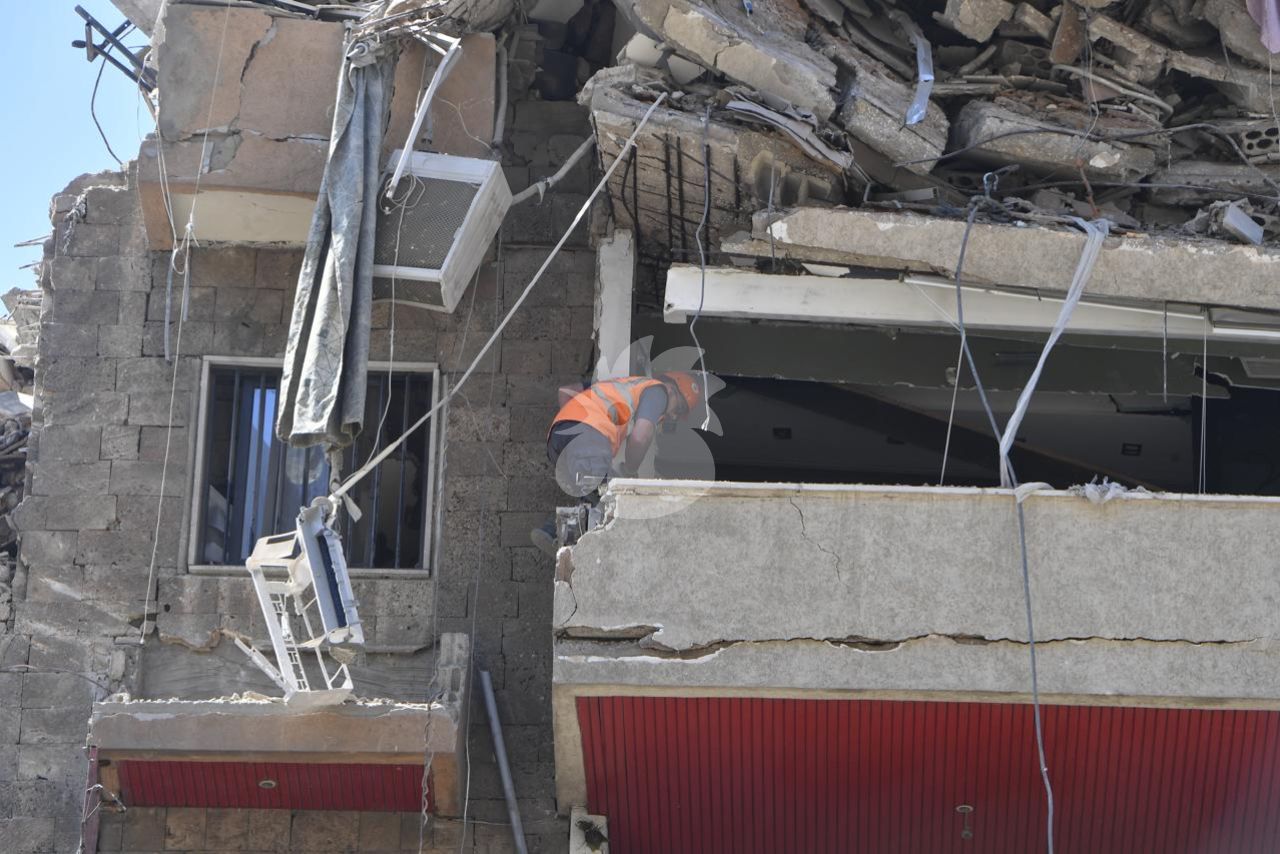
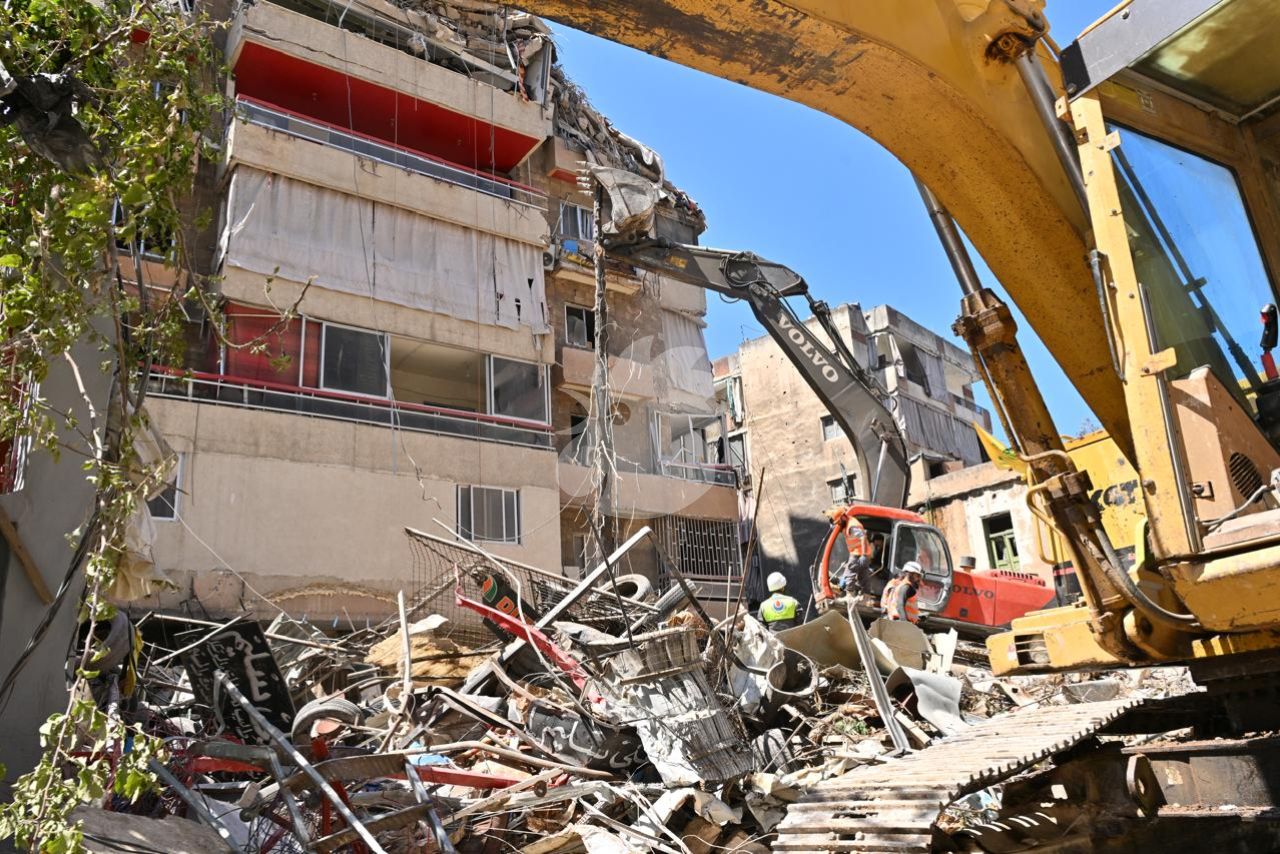
BellumActaNews reported that the same Dahieh strike also resulted in the death of Ahmed Ghaleb Balout, known as Malik Balout, a senior Radwan Force commander. Hezbollah has neither confirmed nor denied the killing, but the organization’s silence is notable given the prominence of the target. Cleanup operations in Dahieh began shortly after the blast, with Israeli officials warning that “no immunity exists for anyone in Beirut.”
"No immunity for anyone in Beirut," Netanyahu warned, reinforcing the strategic intent behind targeting senior Radwan figures.
Source: BellumActaNews (t.me/BellumActaNews/172335)
Demolitions and Additional Kinetic Actions
In the southern town of Al‑Bayada, the IDF carried out controlled demolitions of residential structures on 7 May, as documented by intelslava. The demolitions were presented as a measure to eliminate suspected Hezbollah hideouts and tunnel networks. No civilian casualty figures were released, but satellite imagery shows extensive structural damage.
Overall, the day’s kinetic events demonstrate a multi‑dimensional escalation: high‑precision airstrikes in urban Beirut, sustained aerial and artillery pressure in the south, and an expanding UAV warfare component employed by Hezbollah. The convergence of these tactics raises the probability of further civilian harm and complicates diplomatic efforts aimed at preserving the cease‑fire.