Five civilians were killed when Ukrainian drones struck the city of Dzhankoy in the Russian‑occupied Crimean peninsula early on 6 May 2026, according to the Crimean authorities cited by the Telegram channel intelslava.
"The authorities of Crimea stated that as a result of the attack by Ukrainian drones in Dzhankoy, 5 civilians were killed." – https://t.me/intelslava/87516The incident, classified as a hostile_uav event, underscores the heightened risk of aerial engagements in the region and marks the most lethal single incident reported on the day.
Ukrainian Air Defences Over Kyiv: Record Interception Rate
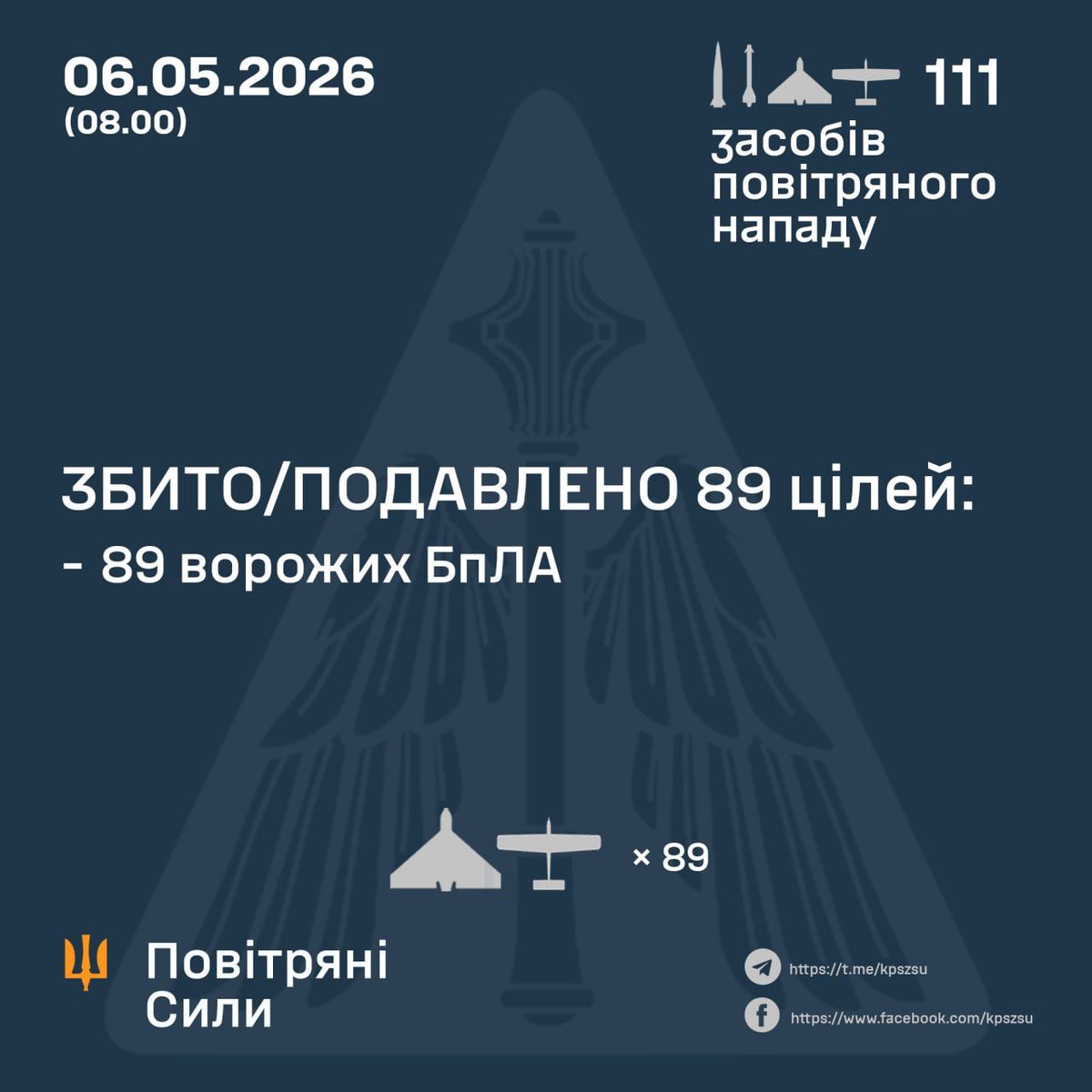
Within the same hour, Ukraine’s integrated air‑defence network demonstrated a substantial escalation in capability over the capital. The monitor_the_situation channel reported that Ukrainian forces intercepted or suppressed 89 of 108 Russian drones launched overnight from 18:00 on 5 May. In addition, the defence system engaged two Iskander‑M ballistic missiles launched from the Rostov region and a Kh‑31 air‑launched missile from Kursk airspace.
These engagements represent a 82% success rate against unmanned aerial systems and a decisive neutralisation of high‑value ballistic threats. The operation involved multiple layers of defence, including the S‑300, S‑400, and the newer Patriot batteries recently supplied under NATO assistance programmes. Radar assets from the 44th Anti‑Aircraft Missile Brigade coordinated with the 93rd Anti‑Aircraft Missile Regiment to provide continuous coverage.
"Ukrainian air defenses shot down 89 of 108 Russian drones and intercepted several missiles over Kyiv." – https://t.me/monitor_the_situation/14975
The intercepted drones were identified as Shahed‑136 loitering munitions, a type frequently supplied to Russian forces by Iran. The two Iskander‑M missiles, each with a range of up to 500 km, were tracked by the newly operational A‑50U airborne early‑warning aircraft before being engaged by the S‑400 system. The Kh‑31, a supersonic anti‑ship missile adapted for land‑attack, was downed by a Patriot PAC‑3 battery stationed near the city’s western perimeter.
Casualty reports from Kyiv indicate no civilian injuries or fatalities, a direct result of the layered defence and early warning. The successful interception also prevented potential damage to critical infrastructure, including the Kyiv‑Boryspil airport and several power substations.
Special Operations: Prymay Unit Strikes in Occupied Crimea
Concurrently, Ukraine’s elite Prymay special forces unit conducted targeted strikes against Russian positions in the occupied Crimea Oblast. The operation, reported by monitor_the_situation, involved precision raids on logistics depots and command posts, though no weapons were disclosed in the source material.
While the exact number of targets hit remains classified, the Prymay unit’s activity aligns with a broader Ukrainian strategy to disrupt Russian supply lines and command‑and‑control nodes in the peninsula. The unit, formed in 2022, operates under the Main Directorate of Intelligence (HUR) and has previously executed cross‑border sabotage missions in the Black Sea region.
"Prymay Unit Strikes Targets in Crimea Oblast, Ukraine" – https://t.me/monitor_the_situation/14971
These raids are part of a coordinated effort that includes cyber‑operations and intelligence‑sharing with NATO partners, aimed at degrading Russian operational tempo ahead of the anticipated summer offensive season.
Strategic Implications
The juxtaposition of a lethal Ukrainian drone strike in Dzhankoy, a massive air‑defence success over Kyiv, and proactive special‑operations activity in Crimea illustrates a multi‑domain approach by Ukrainian forces. The high‑profile civilian casualties in Dzhankoy may prompt increased scrutiny from international humanitarian organisations, but they also signal Ukraine’s willingness to employ offensive UAV capabilities deep within occupied territory.
From an air‑defence perspective, the 89‑drone interception rate represents a benchmark for future engagements. It demonstrates the effectiveness of integrated command‑and‑control (C2) structures, real‑time data links between ground‑based radars and airborne platforms, and the rapid deployment of allied surface‑to‑air missile systems.
Special‑operations activity, exemplified by the Prymay unit, continues to pressure Russian rear areas, forcing the occupier to allocate additional resources to force protection and counter‑insurgency measures. This diversion of Russian assets may indirectly bolster Ukraine’s defensive posture on the front lines.
Overall, the events of 6 May 2026 reflect an evolving Ukrainian doctrine that blends defensive resilience with offensive reach, leveraging both indigenous capabilities and foreign assistance to counter Russian incursions across multiple theatres.