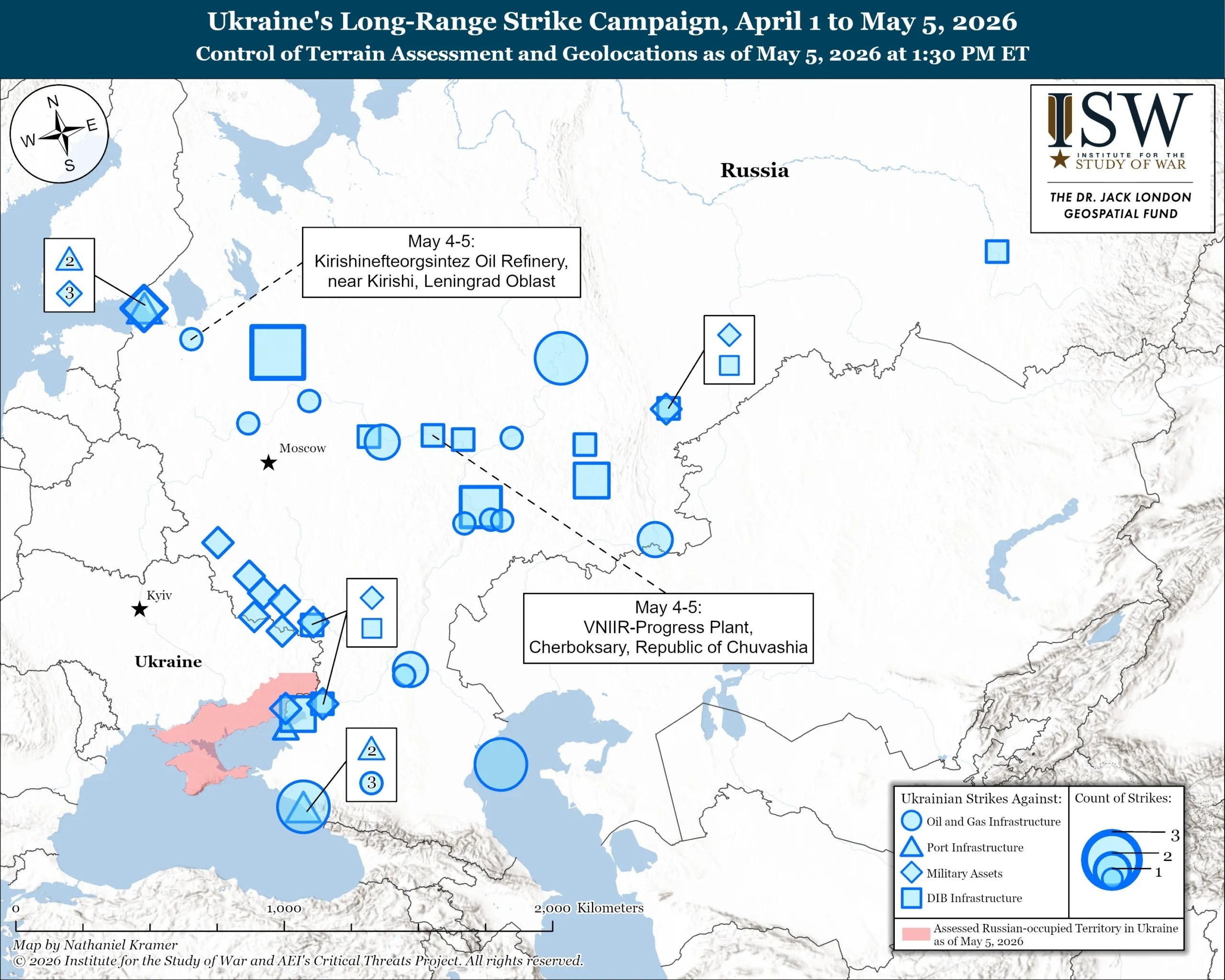
On 6 May 2026, Ukrainian forces executed a series of coordinated long‑range attacks that struck deep within Russian territory, targeting critical oil, gas and power infrastructure. The most consequential of these assaults occurred in the Black Sea port city of Tuapse, where a combination of drones and an Iskander‑M ballistic missile damaged multiple major oil refineries and a gas processing facility. The strike underscored the vulnerability of Russia’s rear‑area energy assets to precision‑guided weapons launched from Ukrainian‑controlled territory.
Tuapse: Multi‑Facility Damage Highlights Strategic Depth
At approximately 03:29 UTC, Ukrainian long‑range drones, supported by an Iskander‑M ballistic missile, engaged several installations in Tuapse, Krasnodar Krai. According to the CIG_telegram channel, the attacks “damaged several major Russian oil refineries and a gas facility, underscoring Russia’s vulnerability to attacks deep in its rear.” The operations involved the Ukrainian Unmanned Systems Forces (USF) and were coordinated with the Ukrainian General Staff and the Ukrainian State Emergency Services (DSNS). While casualty figures were not disclosed, Russian authorities reported no fatalities and limited injuries.
🛢 🇺🇦 🇷🇺 Continued long‑range Ukrainian strikes against cities deep in the Russian rear demonstrate Russia’s inability to reliably defend the major cities and infrastructure facilities of European Russia against drone and missile strikes.
The targeted refineries are operated by Kirishinefteorgsintez, a state‑owned enterprise responsible for a substantial share of Russia’s fuel output. Damage assessments, still pending, suggest that processing capacity may be reduced by up to 15 % in the short term, potentially affecting domestic fuel supplies and export volumes. The use of an Iskander‑M missile, a short‑range ballistic system with a reported range of 500 km, indicates a deliberate escalation in weapon choice to ensure penetration of hardened facilities.
Orenburg Thermal Power Plant: Drone‑Only Assault
Two hours later, at 05:48 UTC, Ukrainian drones attacked a thermal power plant in Orenburg, a key node in the Russian electricity grid. The monitor_the_situation channel reported that the plant “lit up” following the strike, implying a successful impact on critical infrastructure. Ukrainian forces employed unmanned aerial vehicles (UAVs) equipped with explosive payloads, but no ballistic missiles were involved. No casualties were reported, and the plant’s operators indicated that power generation was temporarily disrupted, though restoration efforts were underway.
The Orenburg incident demonstrates Ukraine’s capacity to conduct simultaneous strikes across disparate regions, stretching Russian air‑defence resources. The attack aligns with a broader Ukrainian strategy to degrade Russia’s energy resilience, forcing the Kremlin to allocate additional defensive assets to protect rear‑area installations.
Cheboksary VNIIR‑Progress Plant: Missile and Kamikaze Drone Combination
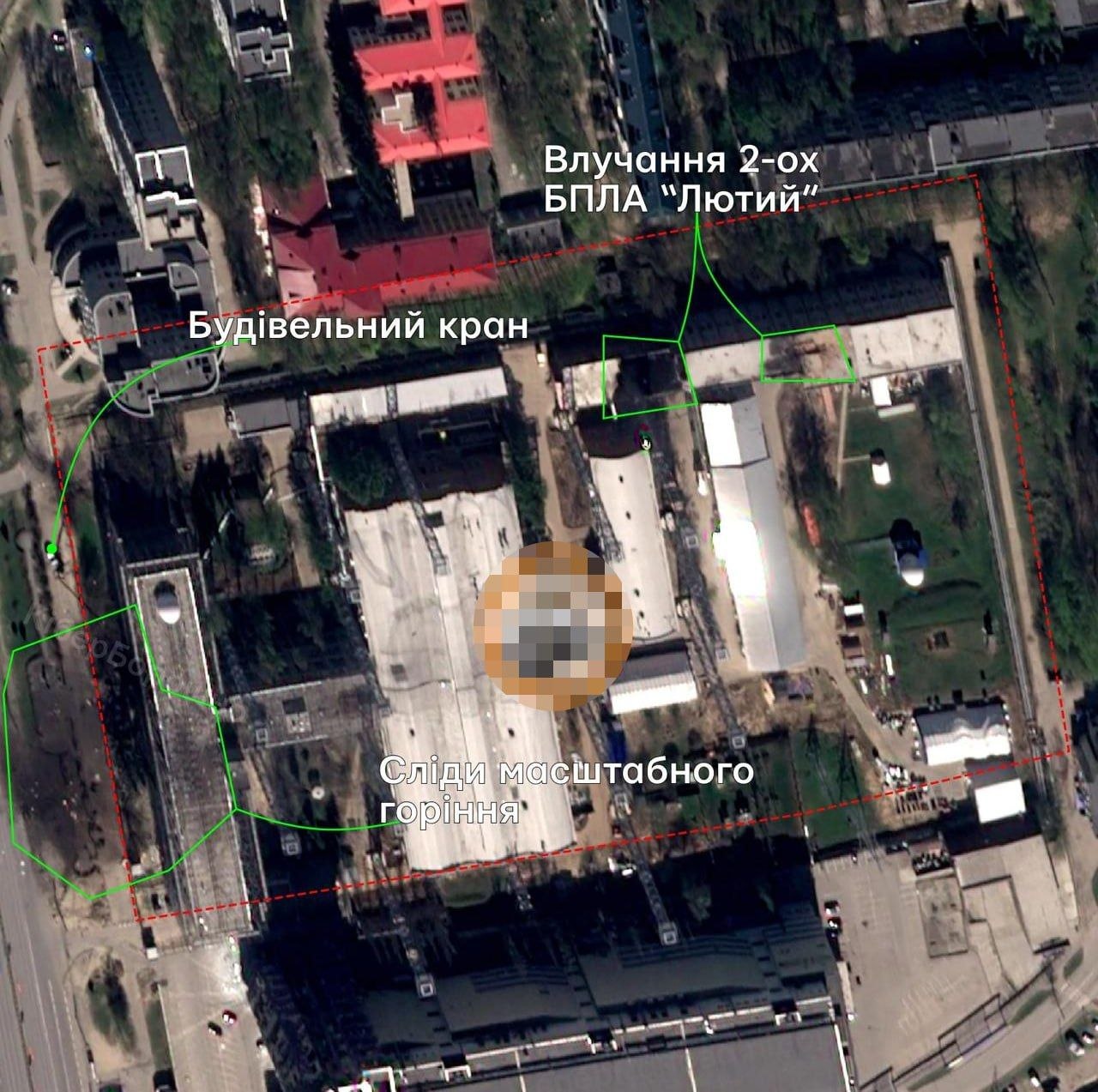
Earlier in the morning, at 02:45 UTC, a Ukrainian FP‑5 Flamingo missile and two An‑196 Lutiy kamikaze drones struck the VNIIR‑Progress research and production facility in Cheboksary, the capital of the Chuvash Republic. Satellite imagery, shared by the intelslava channel, showed impact damage to the plant’s main building roof. The FP‑5 missile, characterized by a relatively low accuracy, avoided catastrophic structural failure, while the remaining five of six missiles launched in the salvo were intercepted by Russian air‑defence systems.
“Thanks to the low accuracy of the missile, serious damage, as if it had hit the roof of the production building from above, was avoided.” – intelslava
No injuries were reported, and the plant’s operational status remains under assessment. The VNIIR‑Progress facility is involved in advanced materials research, and any disruption could have downstream effects on Russian defense manufacturing.
Operational Context and Implications
The three incidents on 6 May illustrate a pattern of Ukrainian targeting that prioritizes high‑value energy assets across a wide geographic spread. By employing a mix of UAVs, ballistic missiles and cruise‑type FP‑5 missiles, Ukrainian forces are diversifying their strike portfolio to mitigate the risk of counter‑measures. The coordination among the Ukrainian Unmanned Systems Forces, the General Staff and emergency services suggests an integrated command structure capable of planning and executing multi‑theater operations.
From a strategic perspective, the attacks serve multiple objectives: degrading Russia’s fuel production capacity, imposing logistical strain on energy distribution networks, and compelling the Russian military to divert air‑defence assets from front‑line engagements to rear‑area protection. While the immediate physical damage appears limited in terms of casualties, the potential economic and operational repercussions for Russia’s energy sector could be significant, especially if follow‑up attacks sustain pressure on the same facilities.
Source Attribution
All event details are drawn from open‑source Telegram channels: monitor_the_situation (https://t.me/monitor_the_situation/14969), CIG_telegram (https://t.me/CIG_telegram/74930) and intelslava (https://t.me/intelslava/87514). No independent verification beyond these sources was available at the time of writing.