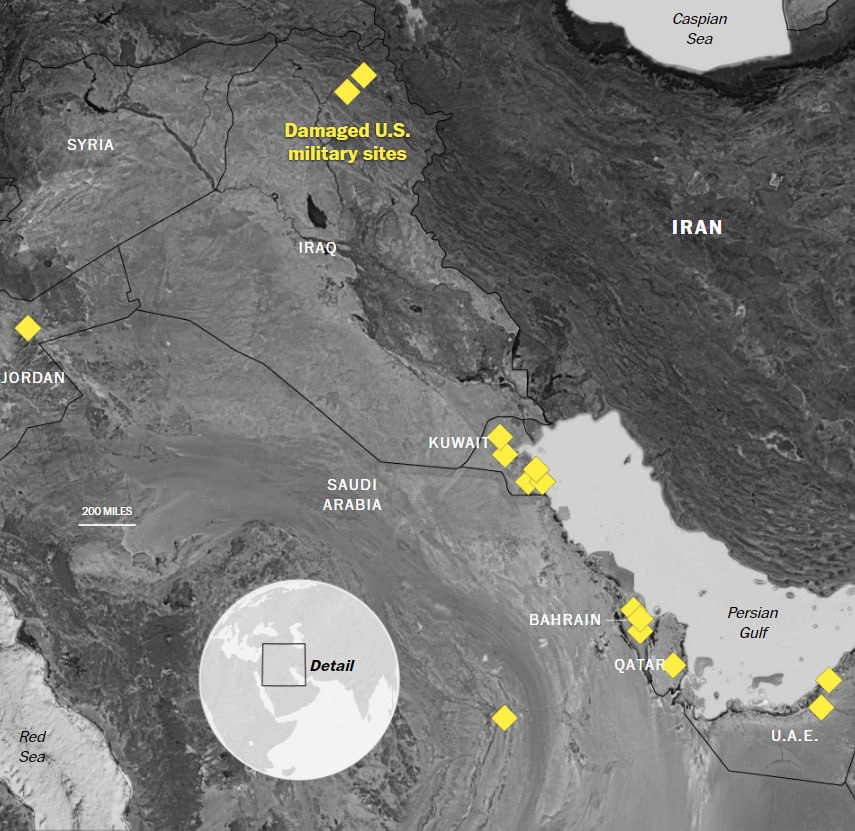
On May 6, 2026, Iranian missile and drone attacks inflicted damage on at least 228 structures and pieces of equipment at U.S. military installations across the Middle East, according to satellite imagery analyzed by the Washington Post and shared on the CIG_telegram channel. The strikes targeted hangars, barracks, fuel depots, aircraft, and critical radar, communications and air‑defense systems in Qatar, Bahrain and Kuwait, marking the most extensive assault on U.S. assets in the region since the start of the current conflict.
"Iran has hit far more U.S. military assets than reported, satellite images show," the Washington Post reported, citing the CIG_telegram feed (https://t.me/CIG_telegram/74939).
Weapons employed included a mix of ballistic missiles and unmanned aerial vehicles (UAVs), reflecting Iran’s growing capability to conduct coordinated kinetic operations at range. The affected organizations were the United States Department of Defense and its forward‑deployed units, while the attacking force was identified as the Iranian Revolutionary Guard Corps (IRGC) and affiliated militia groups.
Russian Preparations for Large‑Scale Airstrike on Ukraine
At 12:05 UTC, the intelligence outlet intelslava posted a warning that Russian Aerospace Forces were massing aircraft and loading ammunition for a potential large‑scale airstrike on Ukrainian territory scheduled for May 10‑12. The assessment was based on observed flight‑path changes and logistical activity at Russian air bases. No specific targets were disclosed, but the report underscores heightened operational tempo on the Eastern Front.
"Russian Armed Forces are preparing a massive strike on Ukraine for the period from May 10 to 12," intelslava wrote (https://t.me/intelslava/87529).
The weapons mentioned were conventional aircraft and a stockpile of air‑launched munitions. The involved organizations were the Russian Aerospace Forces and the Russian Armed Forces, with Ukrainian monitoring services providing the analysis.
Regional Alerts and Drone Incidents
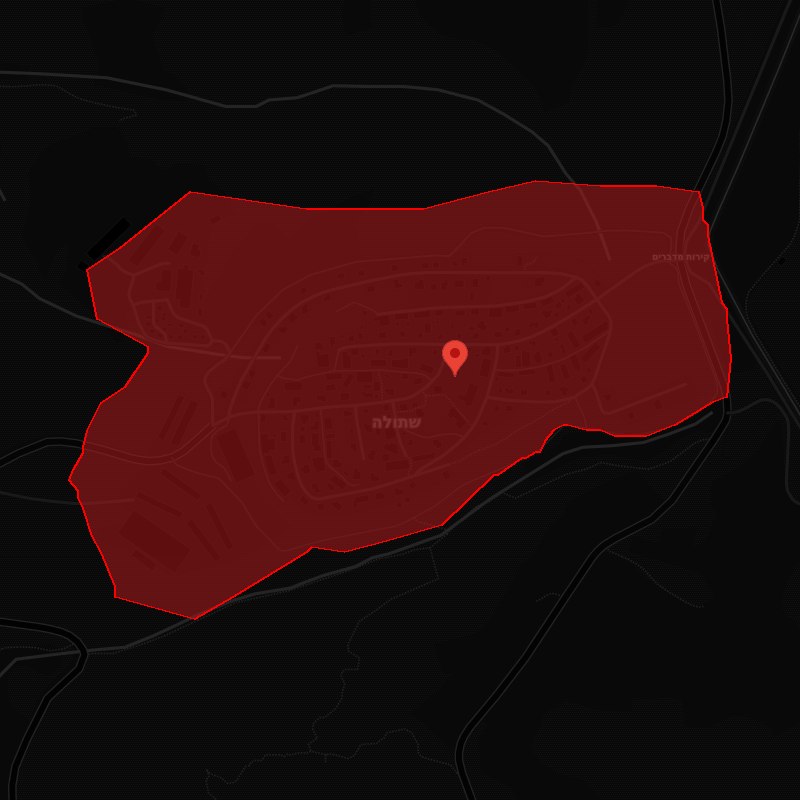
In the Levant, a RocketAlert.live notification at 09:38 UTC flagged a rocket/missile alert along the Shtula confrontation line in Israel, though no casualties were reported. The alert originated from the RocketAlert channel, which aggregates real‑time threat data across the Israeli‑Lebanese border.
Later, at 09:59 UTC, the idkunim_il channel reported that two Israel Defense Forces (IDF) soldiers were injured by a drone‑borne explosive device in southern Lebanon. The incident illustrates the continued use of low‑cost UAVs for tactical strikes in the contested border zone.
"Two IDF soldiers were moderately and lightly injured in Lebanon by a drone bomb explosion," idkunim_il reported (https://t.me/idkunim_il/59088).
In Sudan, the Al Jazeera news service cited Sudanese officials accusing Ethiopia and the United Arab Emirates of conducting drone attacks that violated a fragile cease‑fire. Sudan recalled its ambassador to Addis Ababa in response, signaling a diplomatic escalation.
"Sudan blames Ethiopia, UAE for recent drone attacks," Al Jazeera reported (https://www.aljazeera.com/news/2026/5/6/sudan-blames-ethiopia-uae-for-recent-drone-attacks-what-we-know?traffic_source=rss).
These incidents collectively demonstrate the proliferation of drone warfare across multiple theaters, with weapons ranging from improvised explosive devices delivered by UAVs to more sophisticated armed drones.
Insurgent Activity and Road Blockades in West Africa
In Mali, the JNIM (Jamaâ a Niger et Mali) insurgent group intensified its campaign against the Malian junta’s supply routes. At 16:57 UTC, JNIM fighters attempted to storm a detention center in Kéniéroba, 60 km south of Bamako, but were repelled by Malian security forces. Earlier, at 16:59 UTC, JNIM’s road blockade forced hundreds of drivers, including Moroccan truckers, to wait for days, leading to spoilage of perishable food supplies.
"The blocus by JNIM on certain roads leading to Bamako has forced hundreds of vehicle drivers to wait for days," rnintel reported (https://t.me/rnintel/60421).
At 17:00 UTC, JNIM fighters opened fire on drivers attempting to breach checkpoints and burned seized cargo, contradicting the junta’s claim that the blockade was not fully in effect. These actions underscore JNIM’s capacity to disrupt logistics and exert pressure on the Malian government.
"Drivers attempting to breach checkpoints were shot at and others saw their cargo seized and burnt by JNIM fighters," rnintel reported (https://t.me/rnintel/60422).
The weapons employed were small arms, while the organizations involved were JNIM and Malian security forces.
U.S. Naval Movements in the Mediterranean and Gibraltar
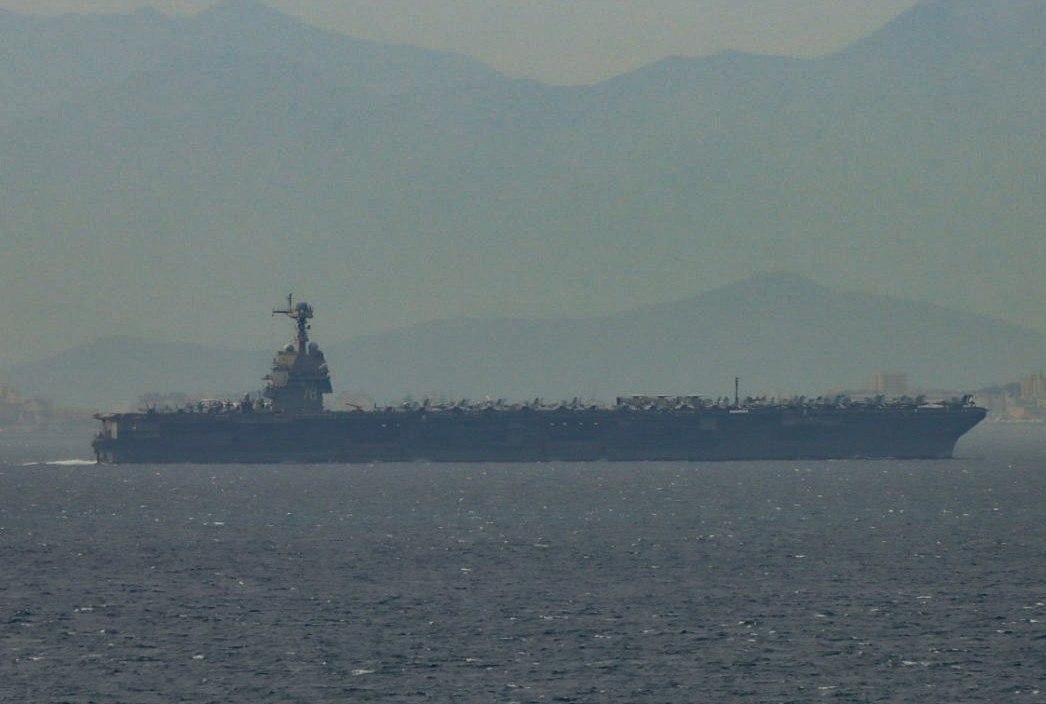
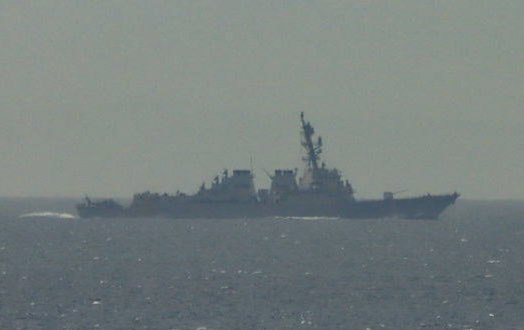
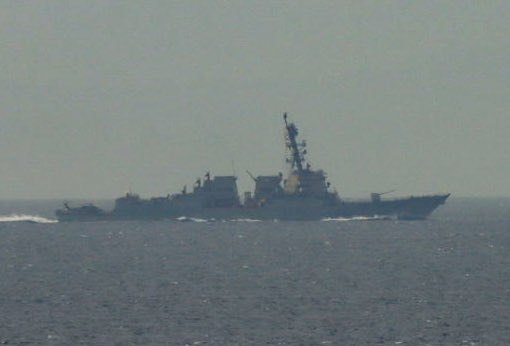
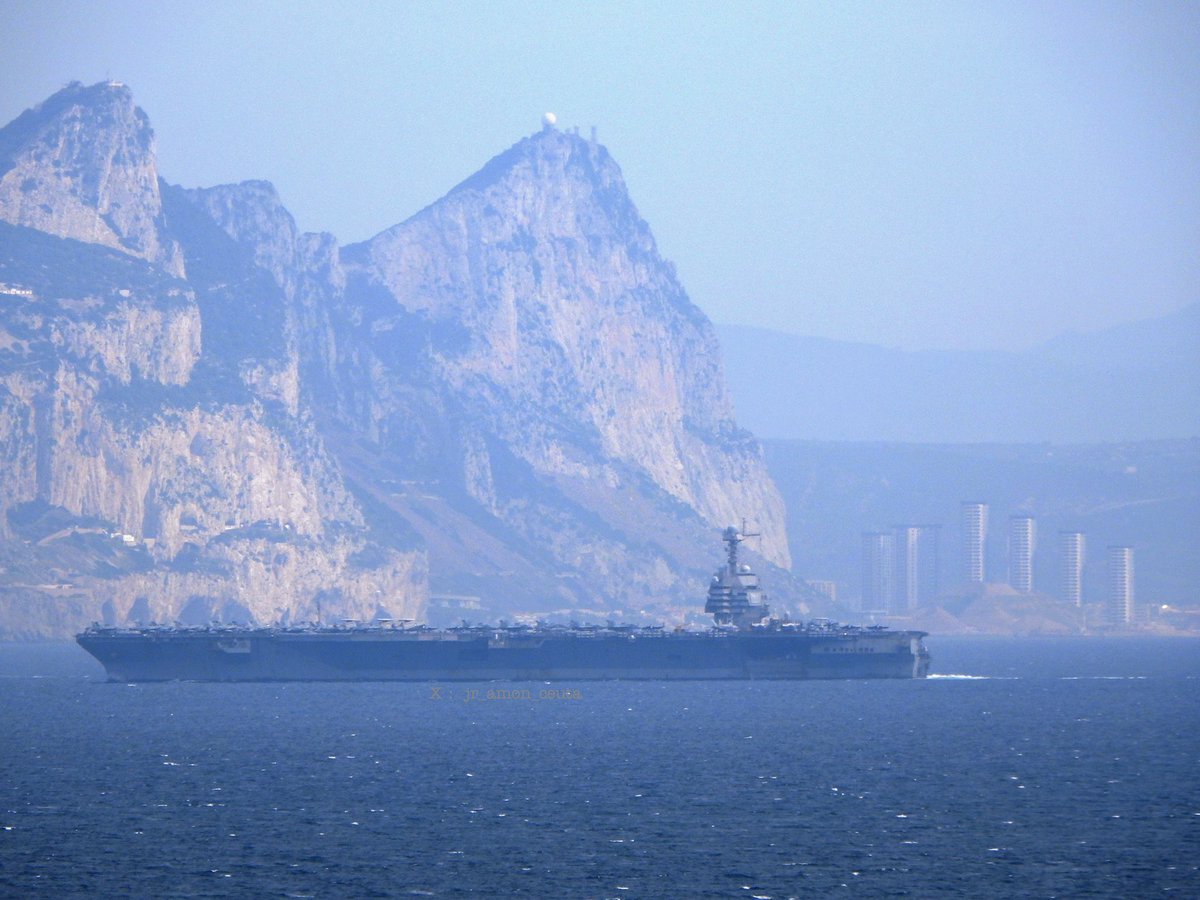
Multiple sources documented the transit of the U.S. Navy’s flagship aircraft carrier USS Gerald R. Ford (CVN‑78) through the Strait of Gibraltar on May 6. BellumActaNews captured the carrier heading westward after a 316‑day deployment, while GeoPWatch and monitor_the_situation provided additional visual confirmation, noting the carrier’s escort by two Arleigh Burke‑class destroyers.
"USS Gerald R. Ford heads west through the Strait of Gibraltar today on her way home after a long deployment - currently 316 days since she left the US," BellumActaNews posted (https://t.me/BellumActaNews/172281).
The carrier’s movement signals a strategic redeployment of U.S. power projection assets amid heightened tensions in the Middle East and Eastern Europe. No kinetic action was reported during the transit.
Other Notable Events
In Chad, the JASDJ militant group attacked the Barka Tolorom camp near Kaalom, causing visible damage confirmed by satellite imagery, as reported by monitor_the_situation. In Syria, the Interior Ministry announced the foiling of a Hezbollah‑linked plot to assassinate government officials; Hezbollah denied involvement, highlighting ongoing proxy tensions between Damascus and Beirut.
"Syria thwarts Hezbollah‑affiliated plot to assassinate gov’t officials," JPost reported (https://www.jpost.com/middle-east/article-895296).
Finally, the U.S. military released video footage of a strike on a suspected drug‑smuggling boat, illustrating continued maritime interdiction efforts in the Gulf of Aden and surrounding waters.
Collectively, these events illustrate a day of heightened kinetic activity across multiple regions, with state and non‑state actors employing a range of weapons—from ballistic missiles and drones to small arms—to achieve strategic objectives.