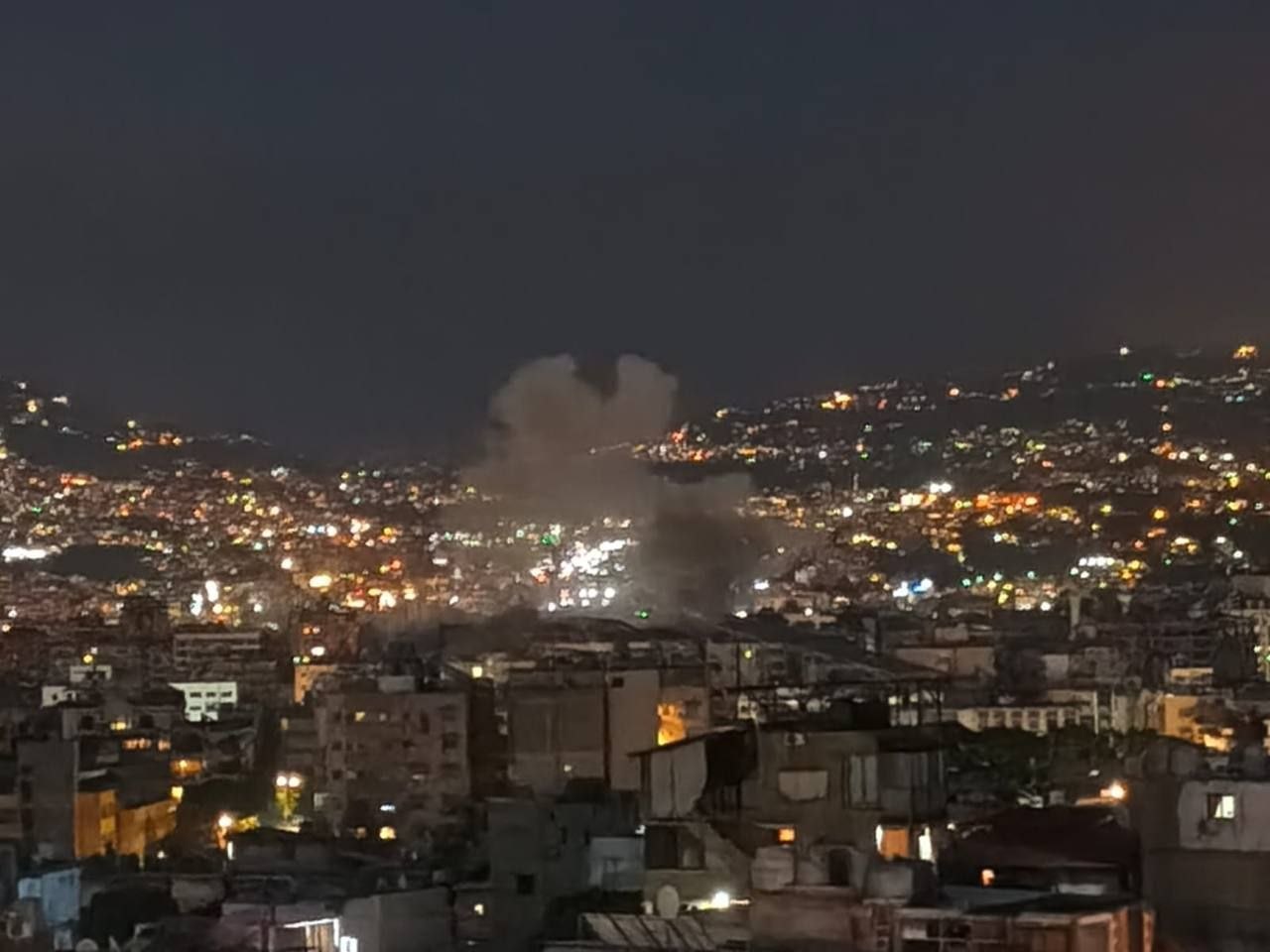
At 17:15 local time on 6 May 2026, the Israeli Air Force conducted a precision strike on the Dahiyeh suburb of Beirut, targeting a location identified by Channel 14 as an assassination site. The operation, reported by the open‑source channel rnintel (source URL https://t.me/rnintel/60424), marked the first direct Israeli strike inside the Lebanese capital since the 2006 war. No weapon type was disclosed, but the strike was described as an “airstrike” and was accompanied by a photo release. The event triggered immediate condemnation from Lebanese officials and heightened alerts across the capital.
BREAKING: The Israeli Air Force just carried out an airstrike in the Dahiyeh suburb of Beirut, the capital of Lebanon. Channel 14 reports this is an assassination strike.
Beirut Targeted in Successive Operations
Within minutes of the Dahiyeh strike, Israeli channels claimed coordination with the United States for the operation (rnintel, 17:34:36). A separate IDF statement, relayed by idkunim_il, asserted that the strike aimed at the commander of Hezbollah’s Radwan force (idkunim_il, 17:22:00). While casualty figures for the Dahiyeh attack were not released, the targeting of a senior Hezbollah operative underscores a shift toward high‑value eliminations inside urban Lebanese areas.
Escalation Across Southern Lebanon
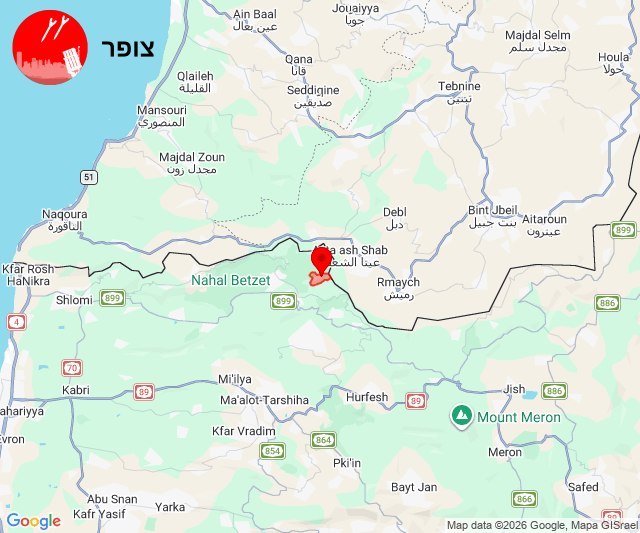
Simultaneously, the Israeli military intensified its campaign in the south. At 16:44, an airstrike hit Kfar Tibnit, a town near the Israeli border (BellumActaNews, 16:44:50). The following hour, Israeli jets struck Khirbet Selm, killing two civilians and wounding a third, as reported by Lebanon’s National News Agency via monitor_the_situation (monitor_the_situation, 15:48:58). In Tyre, two additional fatalities were recorded (monitor_the_situation, 15:00:53), and a ground raid on al‑Saksakieh resulted in five deaths and fifteen injuries (monitor_the_situation, 14:43:14).
Further strikes hit civilian infrastructure: an airstrike on al‑Dawoudiya farm killed and wounded multiple residents (monitor_the_situation, 13:56:15), while an attack in the Bekaa Valley claimed four lives (monitor_the_situation, 12:12:05). The cumulative death toll from these southern operations exceeds a dozen, with additional injuries and displacement reported across at least twelve villages (Al Jazeera, 10:12:49).
Hezbollah’s Drone and Rocket Counter‑Measures
Hezbollah responded with a series of unmanned‑aerial‑vehicle (UAV) attacks. On 6 May, the group released footage of an FPV drone strike that killed three Israeli soldiers on 1 May (rnintel, 17:45:41). Additional FPV drone operations targeted Israeli assets at the Khiam Detention Camp (GeoPWatch, 16:51:15), Bayada (GeoPWatch, 16:49:57), and Taybeh (GeoPWatch, 14:11:33). A coordinated drone and kamikaze assault on multiple IDF vehicles in Naqoura was also documented (GeoPWatch, 14:45:01).
Rocket fire from Hezbollah positions in southern Lebanon triggered air‑raid alerts across northern Israel at 06:42 (monitor_the_situation, 06:42:25). Although no Israeli casualties were reported from the rockets, the exchange illustrates the reciprocal kinetic pressure on both sides.
Casualties, Displacement and Humanitarian Impact
Official Lebanese sources confirm at least 22 civilian deaths from Israeli strikes on 6 May, with additional injuries numbering in the dozens. The United Nations Relief and Works Agency (UNRWA) has not yet released a consolidated casualty figure, but the Health Ministry’s reports from the Bekaa Valley and southern districts indicate a rising humanitarian burden.
Displacement orders issued by the Israeli Defense Forces (IDF) affected twelve villages in southern Lebanon, compelling residents to seek shelter in nearby towns and UN‑run camps (Al Jazeera, 10:12:49). The IDF also warned of further “evacuation zones” as air operations continue.
Operational Context and Strategic Implications
The May 6 kinetic surge follows a pattern of Israeli “targeted” strikes against Hezbollah leadership, combined with broader punitive air campaigns against civilian infrastructure in southern Lebanon. The simultaneous use of FPV drones by Hezbollah demonstrates an evolving asymmetrical capability, allowing the group to strike high‑value IDF assets with limited exposure.
While Israeli officials have not publicly linked the Dahiyeh strike to any immediate retaliation, the timing coincides with heightened diplomatic friction over the May 9 truce in Ukraine and ongoing regional tensions involving Iran and the United States. The coordination claim with the United States (rnintel, 17:34:36) suggests a broader coalition approach to counter‑Hezbollah operations.
Overall, the events of 6 May 2026 illustrate a marked escalation in kinetic activity across Lebanon, with urban and rural targets both subjected to high‑precision airstrikes, ground raids, and drone‑borne attacks. The pattern points to a sustained campaign aimed at degrading Hezbollah’s command structure while imposing significant civilian costs, raising the risk of further escalation.