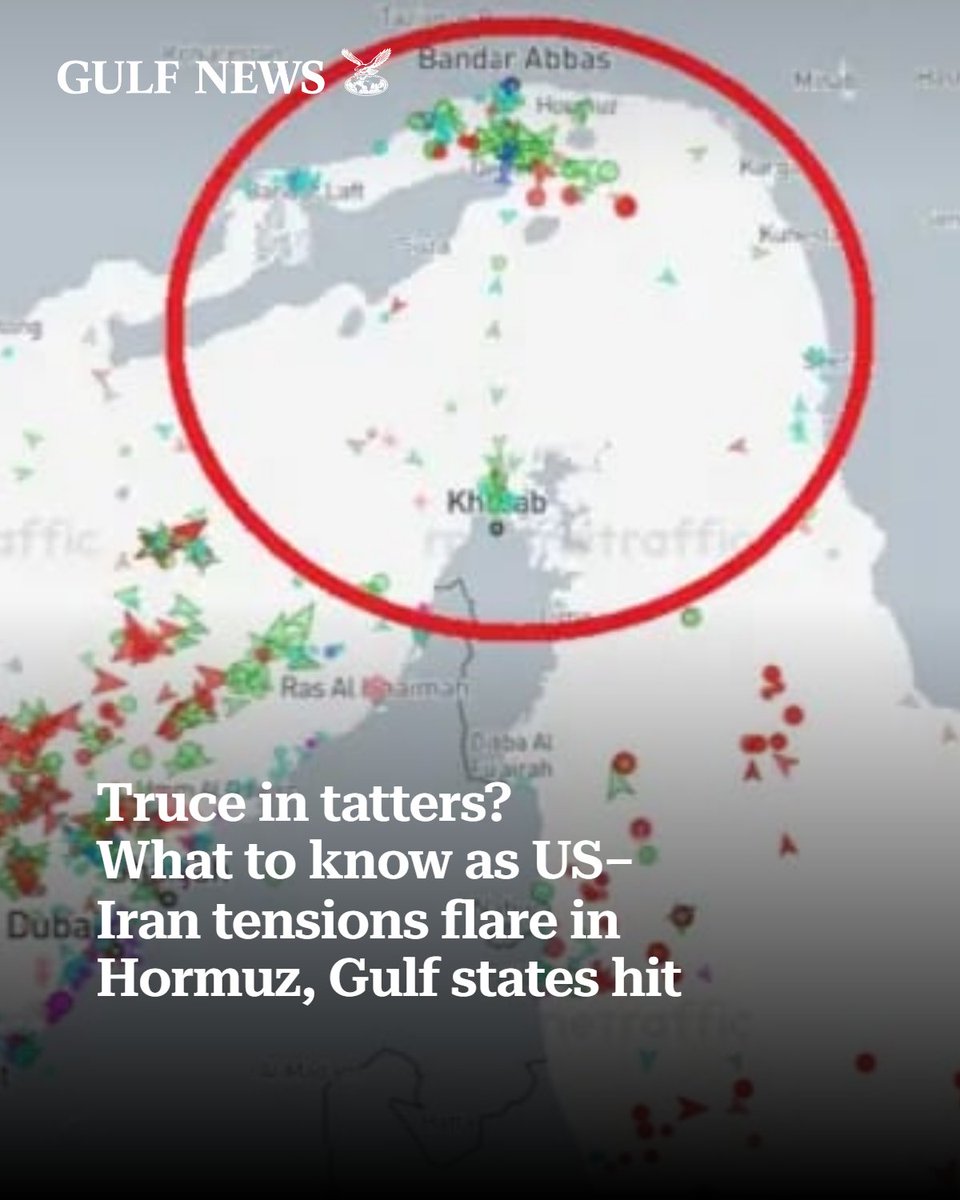
The most serious development on 2026-05-06 was the outbreak of clashes in the Strait of Hormuz, an event described by the monitoring channel @gulf_news as a direct threat to the fragile U.S.-Iran truce that has underpinned regional maritime security since 2023. The confrontations, reported at 04:02 UTC, involved unidentified exchanges of fire between Iranian and U.S. naval assets in international waters, prompting immediate concerns over the continuity of oil shipments through the narrow chokepoint. While no specific weapons were listed, the incident was classified as Conflict · S4 – CRITICAL, underscoring its potential to disrupt global energy markets.
"Clashes erupt in Strait of Hormuz amid fraying US‑Iran truce," @gulf_news reported, noting that Gulf states were already alert to possible shipping disruptions.
Location: Strait of Hormuz, International Waters
Actors: United States Navy, Islamic Republic of Iran Navy
Source: monitor_the_situation
Drone Activity Over Qeshm Island Amplifies Tensions
At 04:51 UTC, Iranian officials confirmed that reconnaissance drones were intercepted over Qeshm Island, a strategic outpost near the Strait of Hormuz. The drones, identified as high‑altitude surveillance platforms, were reportedly challenged by Iranian air defenses, reflecting a rapid escalation in aerial posturing between Tehran and Washington. No casualties were reported, and the incident was logged as a MEDIUM hostile_uav event.
Location: Qeshm Island, Iran
Weapon: Reconnaissance drone
Actors: Unidentified (likely U.S.) aerial assets, Iranian air defense
Source: monitor_the_situation
IRGC Drone Strike Targets Komala Headquarters in Iraqi Kurdistan
In a separate but related development, the Islamic Revolutionary Guard Corps (IRGC) launched a precision drone strike against the Komala political headquarters in the Kurdistan Region of Iraq at 05:26 UTC. The attack, reported by the Jerusalem Post, caused structural damage but no confirmed fatalities. The strike coincided with civilian reports of explosions in several Iranian coastal cities—Bandar Abbas, Qeshm, and Sirik—around 04:00 local time, suggesting coordinated pressure points along the Persian Gulf coastline.
Location: Kurdistan Region, Iraq; explosions reported in Bandar Abbas, Qeshm, Sirik (Iran)
Weapon: Armed drone
Actors: IRGC, Komala
Source: JPost
French‑Owned Cargo Ship Struck by Possible Cruise Missile
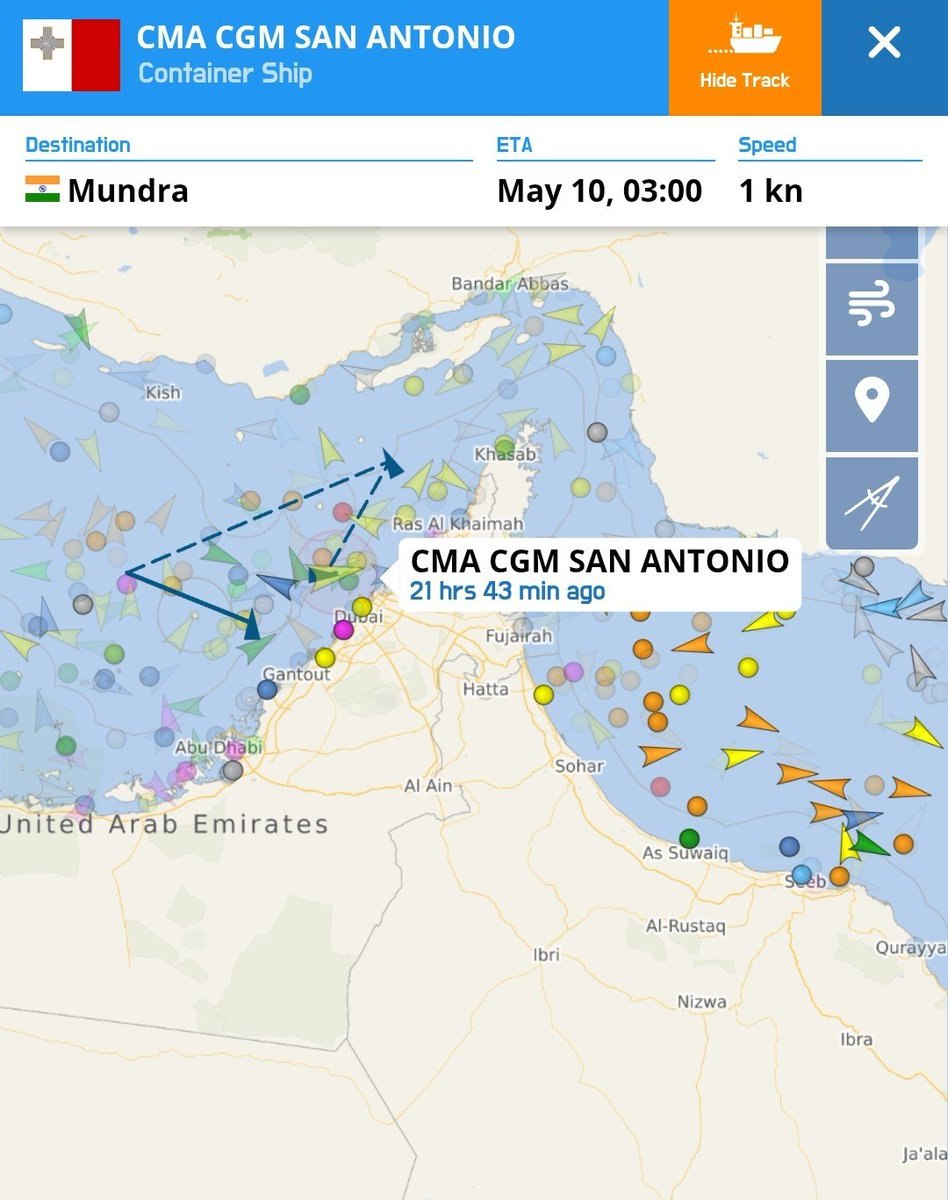
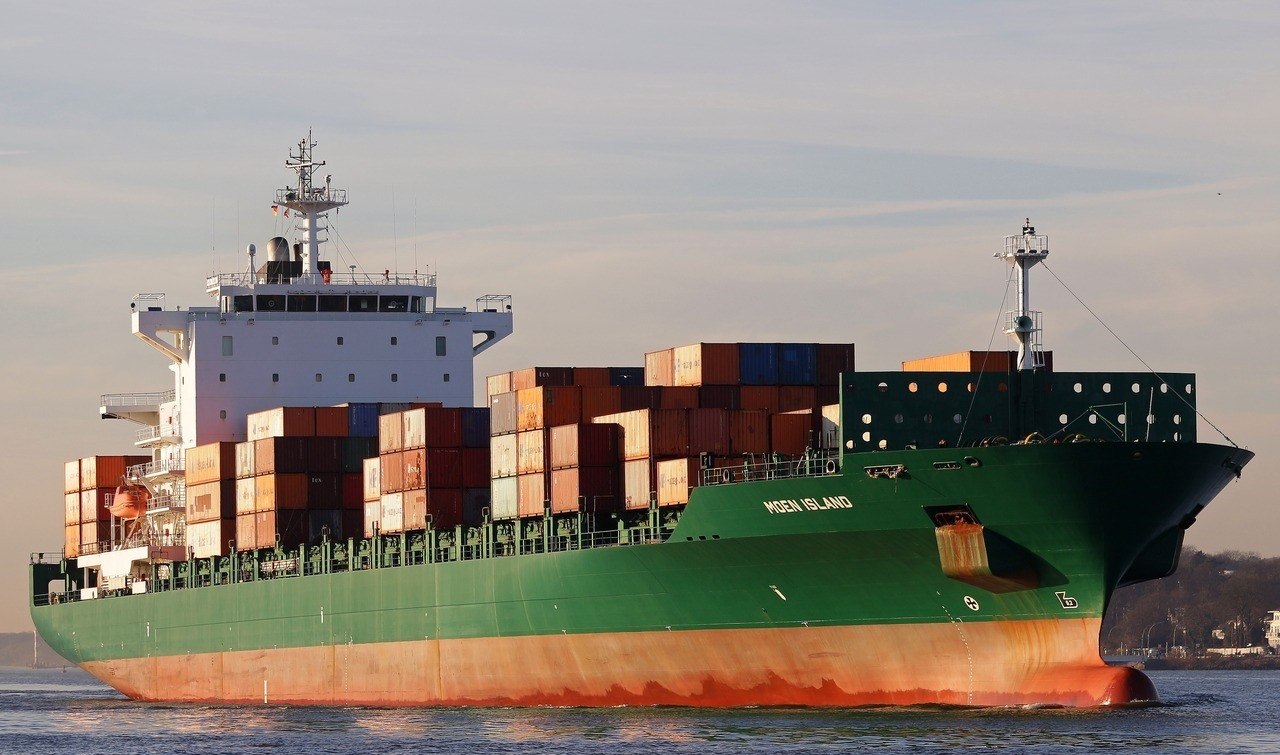
At 04:50 UTC, a French‑owned cargo vessel, identified as CGM San Antonio, was hit by an unidentified projectile in the Persian Gulf. BellumActaNews cited two U.S. officials who described the weapon as a land‑attack cruise missile. The impact injured several crew members, though the exact casualty count was not disclosed. The UK Maritime Trade Operations (UKMTO) confirmed the incident, marking it as a MEDIUM naval event with significant implications for commercial shipping routes that rely on the Gulf’s safe passage.
Location: Persian Gulf (exact coordinates undisclosed)
Weapon: Cruise missile (possible)
Actors: UKMTO, French vessel operators, unidentified missile launcher (potentially Iranian)
Source: BellumActaNews
French Container Ship Attempts Bab el‑Mandeb Crossing with AIS Disabled
Earlier in the day, at 05:23 UTC, the French‑owned container ship CMA CGM San Antonio attempted to transit the Bab el‑Mandeb Strait while deliberately turning off its Automatic Identification System (AIS). The UKMTO masked the vessel’s location to avoid drawing attention to the heightened risk of attacks on commercial traffic in the Red Sea corridor. Although the ship completed the crossing without incident, the maneuver highlights the broader trend of commercial operators taking evasive measures amid escalating regional hostilities.
Location: Bab el‑Mandeb Strait, Yemen
Weapon: None (AIS disabled)
Actors: CMA CGM, UKMTO
Source: monitor_the_situation
U.S. Naval Air Support Deployed from USS Tripoli
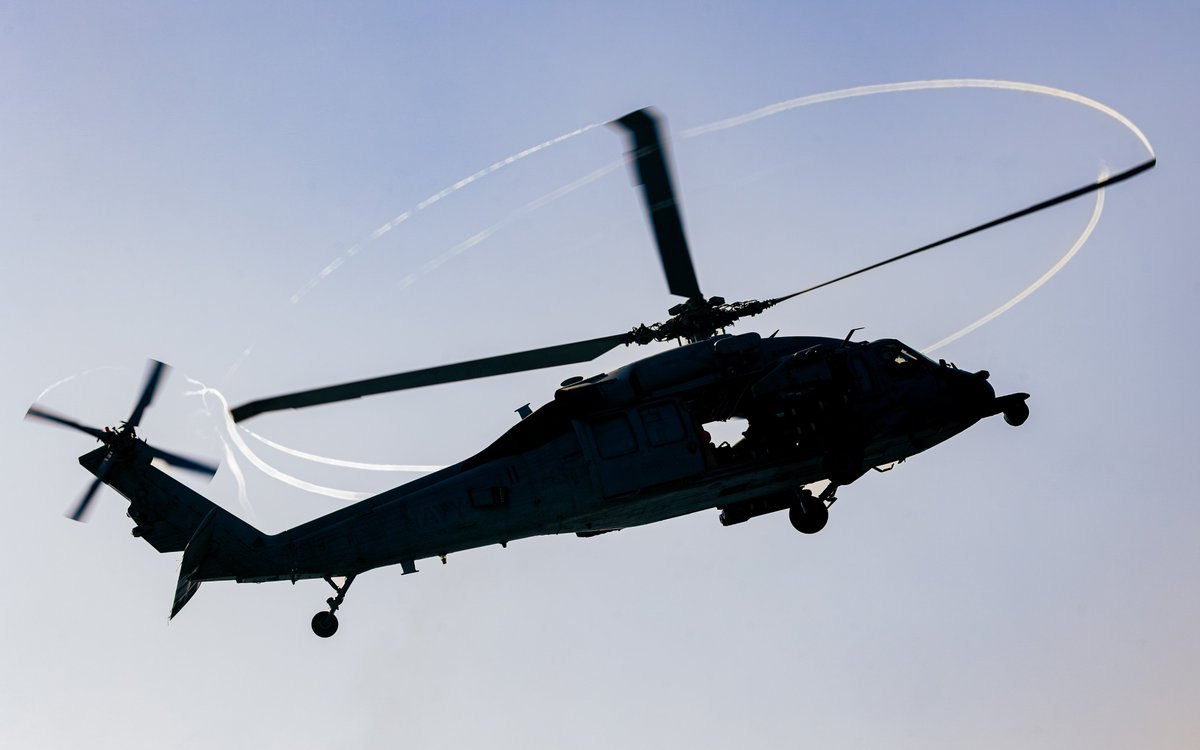
At 01:26 UTC, a U.S. MH‑60 Sea Hawk helicopter launched from the amphibious assault ship USS Tripoli in the Arabian Sea to reinforce the naval blockade of Iran. The deployment, reported by CENTCOM, underscores the United States’ commitment to maintaining a maritime presence that can respond swiftly to any escalation in the Strait of Hormuz or adjacent waters. No combat engagement was recorded during the sortie.
Location: Arabian Sea, International Waters
Weapon: MH‑60 Sea Hawk helicopter
Actors: United States Navy, CENTCOM
Source: monitor_the_situation
Hezbollah Drone Strike Hits Israeli Troops in Southern Lebanon
In the northern theater, Hezbollah announced at 01:10 UTC that a combat drone had struck Israeli forces stationed in southern Lebanon. The claim, posted on the monitoring channel, described the attack as part of ongoing post‑ceasefire clashes. While casualty figures were not released, the incident adds a new dimension to the multi‑front volatility that now encompasses the Gulf, the Red Sea, and the Levant.
Location: Southern Lebanon
Weapon: Combat drone
Actors: Hezbollah, Israel Defense Forces
Source: monitor_the_situation
The convergence of naval confrontations, drone strikes, and missile attacks across a wide geographic swath—from the Strait of Hormuz to the Bab el‑Mandeb and the Lebanese border—signals a marked increase in the frequency and intensity of hostile engagements. Shipping companies are already adjusting routes, insurers are revising premiums, and regional powers are issuing diplomatic warnings. The United Nations has called for an emergency briefing of the Security Council, but no consensus on de‑escalation measures has emerged.