At 05:52 UTC on 5 May 2026, United States military forces engaged two civilian passenger vessels in the Strait of Hormuz, resulting in the deaths of five non‑combatants. The incident, reported by Al Jazeera, represents the most lethal kinetic event recorded in Iran on the date and has prompted immediate diplomatic protests from Tehran.
Iranian commander says US military attacked two passenger boats, not IRGC vessels, in the Strait of Hormuz on Monday.
The United States has not publicly identified the weapons employed, and the Iranian statement does not attribute the strike to a specific platform. The Islamic Revolutionary Guard Corps (IRGC) was mentioned only as a contextual reference, not as a target. The casualty figure of five civilians is confirmed by Iranian authorities; no additional injuries have been reported.
Missile Launches in Hormozgan Province
Within hours of the maritime incident, multiple missile events were recorded on the Iranian mainland. At 14:22 UTC, an intelligence feed (intelslava) flagged a missile launch in Hormozgan Province. A separate report from GeoPWatch at 14:25 UTC detailed the launch of at least two missiles from Qeshm Island, accompanied by two audible explosions on the island itself. Both sources identify the weapons as missiles, but no organization claimed responsibility. The launches occurred in a region that hosts a dense network of Iranian naval and air‑defense installations, suggesting a possible internal test or a retaliatory signaling exercise.
Explosions in Bandar Abbas
Earlier in the day, at 09:59 UTC, monitor_the_situation posted unverified reports of explosions striking Bandar Abbas and surrounding southern locales. The messages described the blasts as potential retaliatory strikes linked to the broader US‑Iran naval standoff. No group has claimed responsibility, and casualty figures remain unconfirmed. The lack of attribution and the timing relative to the US‑Iran maritime encounters raise the possibility of either a false‑flag operation or an unsanctioned local response.
Naval Engagements and US Deployments
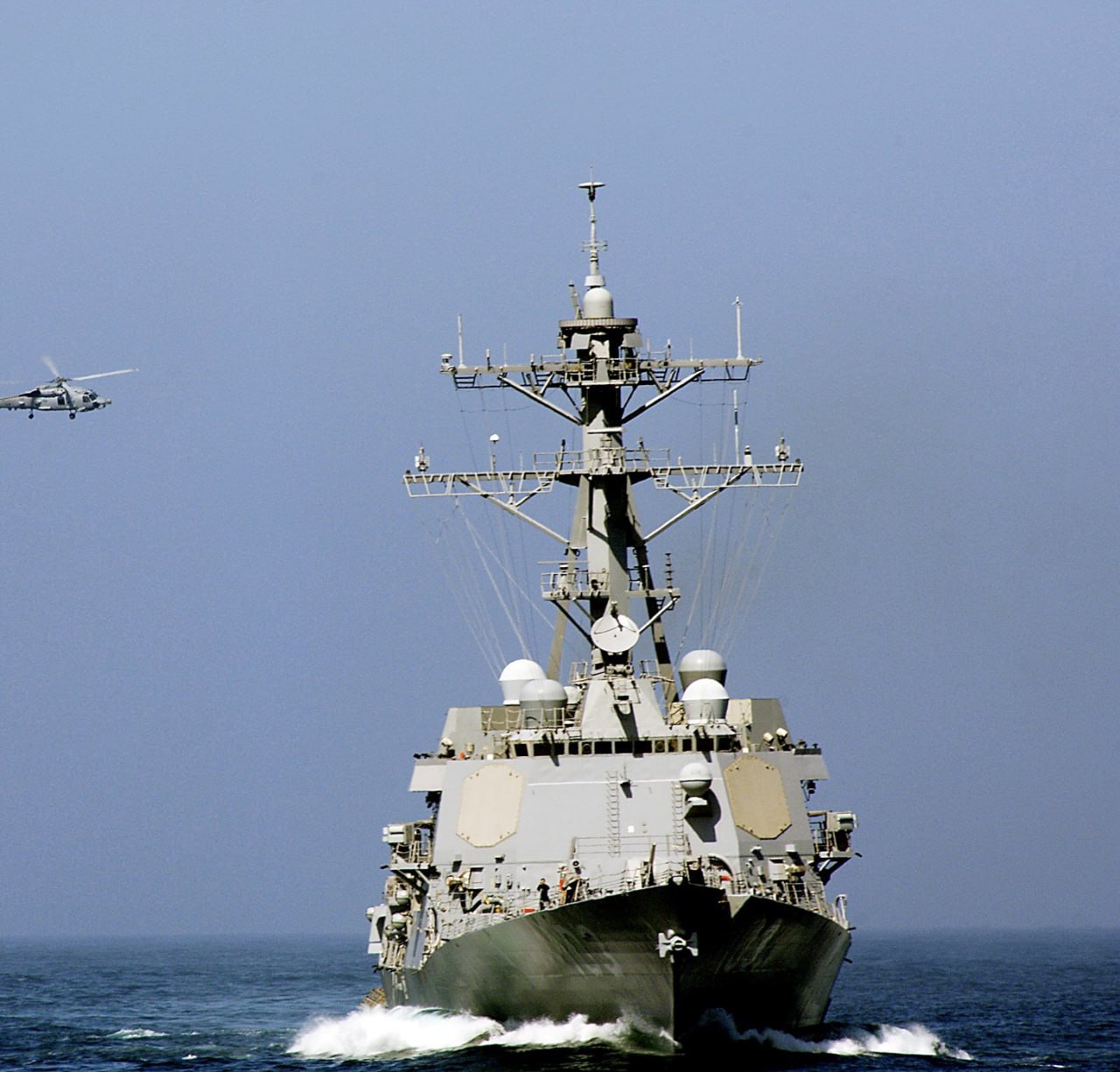
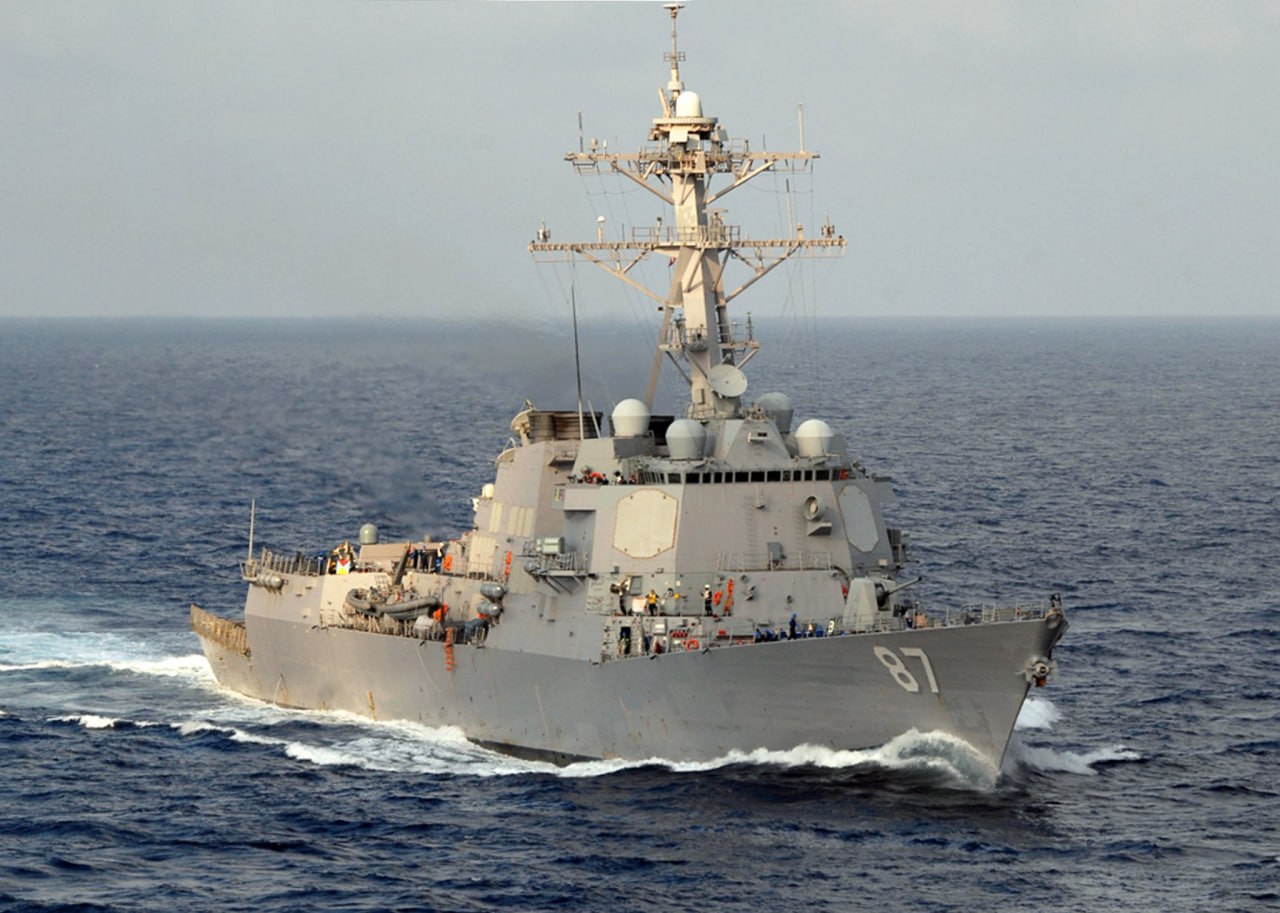
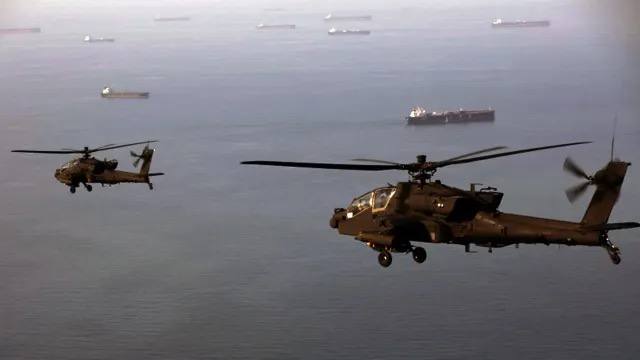
At 07:02 UTC, intelslava reported that the US destroyers USS Truxtun and USS Mason were subjected to a “sustained Iranian attack” in the Strait of Hormuz. The attack reportedly involved missiles, though the specific type was not disclosed. Subsequent coverage by BellumActaNews at 15:51 UTC confirmed that the same two destroyers successfully crossed the strait under “heavy Iranian fire,” encountering a coordinated barrage of missiles, drones, AH‑64 attack helicopters, fighter aircraft, and small fast‑attack boats. The US vessels were supported by aerial assets, including fighter jets and attack helicopters, which reportedly neutralized several threats.
In parallel, monitor_the_situation documented the arrival of the US 11th Marine Expeditionary Unit aboard the amphibious assault ship USS Boxer (LHD‑4) at 15:49 UTC. The unit, comprising roughly 2,500 Marines, entered the US Central Command area of responsibility near the strait, signaling a significant escalation in force posture.
Additional naval movements were reported throughout the day. At 12:48 UTC, monitor_the_situation noted that two US commercial vessels were escorted by US destroyers through the strait, a maneuver presented by US Secretary of War Pete Hegseth as evidence that the waterway remained open despite Iranian claims of control. Earlier, at 12:32 UTC, rnintel cited CBS reporting that the same two destroyers had entered the Persian Gulf after transiting the strait. Finally, intelslava recorded at 06:55 UTC that the destroyers navigated an Iranian barrage before completing the transit.
Operational Context and Immediate Implications
The sequence of events illustrates a rapid escalation of kinetic activity across multiple domains—maritime, aerial, and land‑based—within a twelve‑hour window. The civilian casualties aboard passenger boats constitute the only confirmed loss of life, but the volume of missile, drone, and small‑boat engagements indicates a heightened risk of further casualties should any of the engagements result in mis‑identification or collateral damage.
From a strategic perspective, the United States appears to be maintaining freedom of navigation while simultaneously projecting power through the deployment of the 11th Marine Expeditionary Unit. Iran’s response, as captured in the missile launches from Qeshm Island and the reported barrage against US destroyers, suggests an intent to demonstrate defensive capability and to deter further US incursions.
Summary
On 5 May 2026, the Strait of Hormuz became the focal point of a multi‑theater kinetic confrontation. A US‑initiated attack on civilian passenger vessels resulted in five deaths, marking the day’s most severe incident. Concurrent missile launches from Qeshm Island, unexplained explosions in Bandar Abbas, and a series of naval engagements involving US destroyers, Iranian missile and drone fire, and the deployment of a US Marine Expeditionary Unit underscore the volatility of the region. The events collectively raise the probability of further escalation and underscore the need for close monitoring of both state and non‑state actors operating in the southern Iranian theater.