On 5 May 2026, a Russian glide‑bomb attack on Zaporizhzhia and the central district of Kramatorsk resulted in the death of one civilian and injuries to at least six others, representing the most lethal kinetic event recorded in Ukraine that day. The strikes damaged residential buildings, a service station, a car wash, and nearby businesses, underscoring the expanding use of precision‑guided munitions against non‑military targets.
"One man was killed and at least six people were wounded," regional governor Ivan Fedorov told local media, adding that the attacks caused extensive damage to civilian infrastructure. (Source: monitor_the_situation, https://t.me/monitor_the_situation/14869)
Civilian Casualties in Zaporizhzhia and Kramatorsk
The glide‑bombs, launched from Russian aircraft operating in the southern theater, struck densely populated neighborhoods in Zaporizhzhia before moving eastward to Kramatorsk. Casualties total one fatality and six injuries. Damage assessments indicate that the explosions compromised a service station’s fuel tanks and a car‑wash facility, raising concerns about secondary hazards such as fire and environmental contamination. No military units were reported in the immediate blast zones, confirming the attacks’ civilian focus.
Infrastructure Attack on Naftogaz Gas Facilities
Earlier that morning, at 09:14 UTC, Russian airstrikes targeted Ukraine’s Naftogaz gas processing complex. The assault killed three Naftogaz workers and two emergency‑service rescuers, while wounding 37 additional personnel. Naftogaz CEO Serhiy Koretskyi confirmed the toll in a brief statement:
"Five of our colleagues lost their lives and dozens were injured. The attack was aimed at crippling our energy infrastructure,"(Source: AlJazeera, https://www.aljazeera.com/news/2026/5/5/russian-attack-kills-five-at-ukraines-naftogaz-gas-facility?traffic_source=rss). The strike damaged a processing unit and temporarily halted gas output, prompting concerns about regional energy security.
Aerial Engagements Over Donetsk Oblast
At 17:30 UTC, a Russian Su‑30SM fighter jet engaged Ukrainian unmanned aerial vehicles (UAVs) operating over Donetsk Oblast. The jet launched short‑range R‑73 air‑to‑air missiles, successfully intercepting the UAVs. This encounter reflects an escalation in air‑defense activity as Russian forces seek to neutralize the growing Ukrainian drone threat. No Ukrainian casualties were reported, but the incident demonstrates the increasing reliance on high‑speed missile systems in contested airspace.
Maritime Drone Assaults in Odessa
Simultaneously, Russian Geran‑2 loitering munitions were deployed against Ukrainian naval assets in the port of Odessa. Video evidence released by intelslava shows a Geran‑2 striking an Island‑class patrol boat and a Project 58155 “Gyurza‑M” armored artillery boat. The attacks caused material damage to both vessels, though no crew injuries were confirmed. The use of Geran‑2 drones in a maritime environment highlights a tactical shift toward low‑cost, precision‑guided weapons for naval interdiction.
Ukrainian Drone Strikes in Crimea
In a counter‑operation, Ukrainian HUR MO forces employed combat drones to target Russian military assets in Crimea. The operation, documented by monitor_the_situation, struck Project 05060 assault boats and a Beriev Be‑12 maritime patrol aircraft. While the exact damage assessment remains pending, the successful engagement of both surface and aerial platforms demonstrates Ukraine’s expanding drone capabilities beyond its own borders.
Helicopter Missile Attack on Eastern Ukrainian Deployment Point
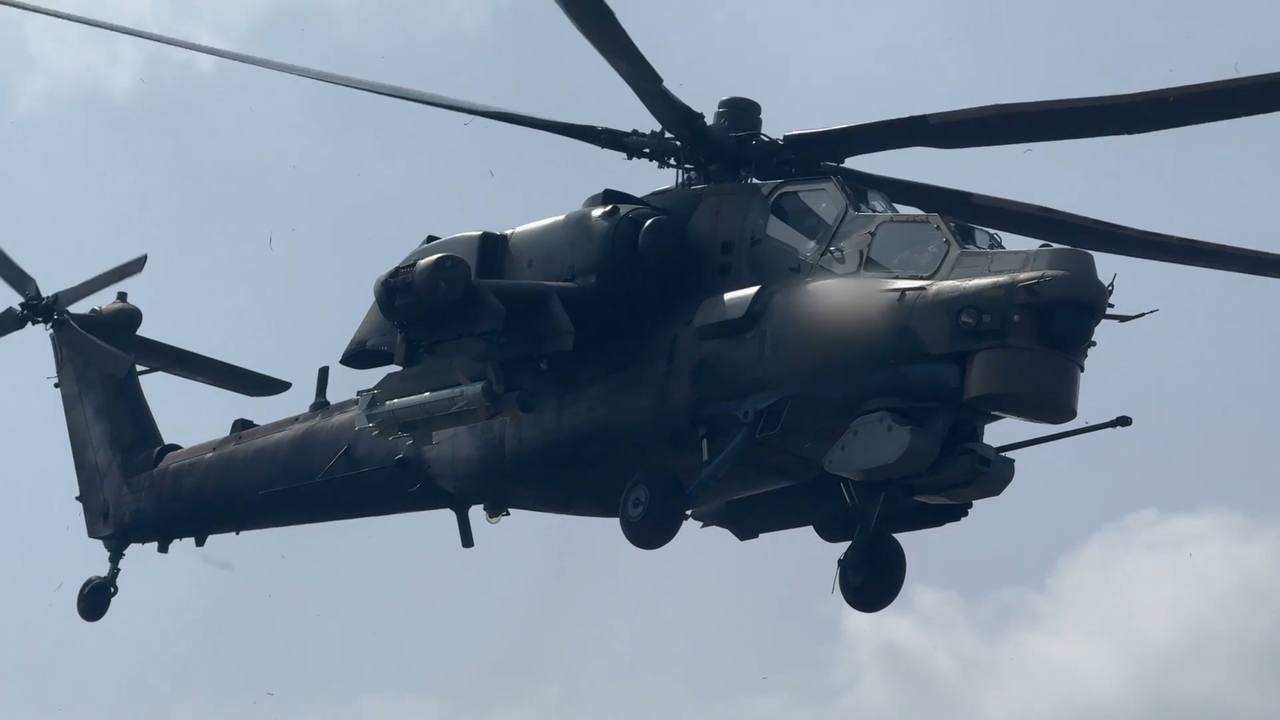
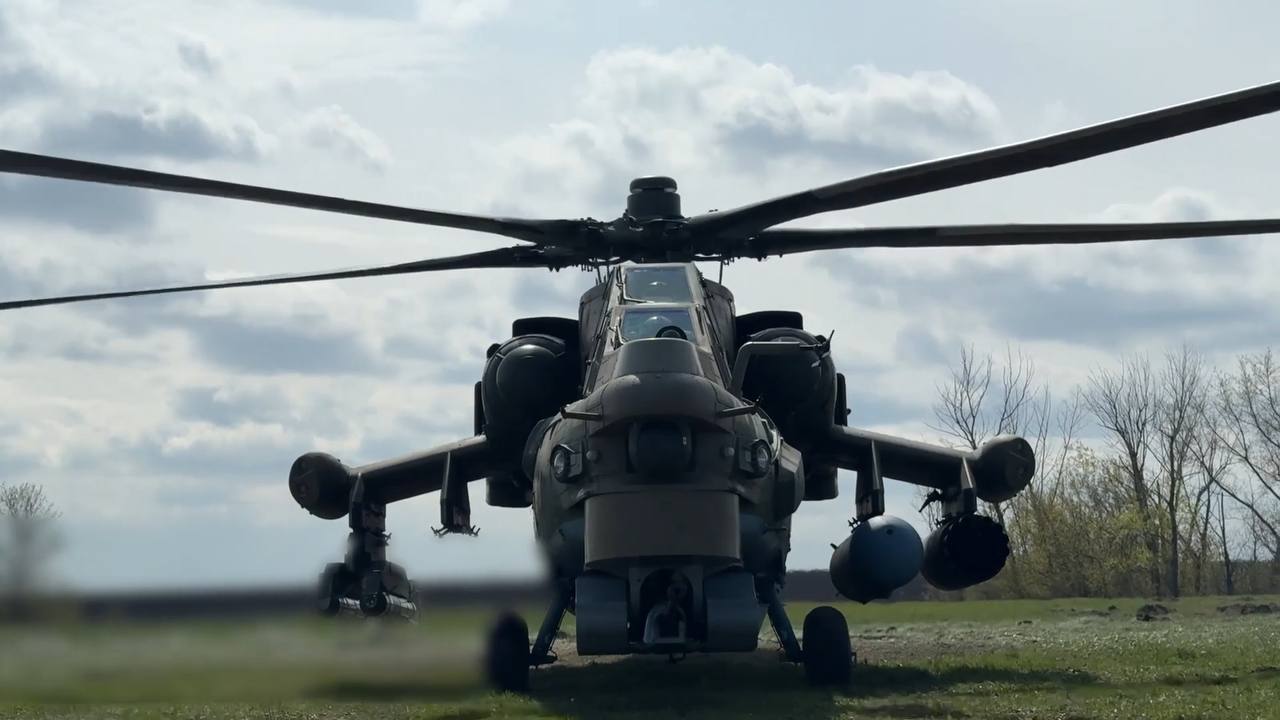
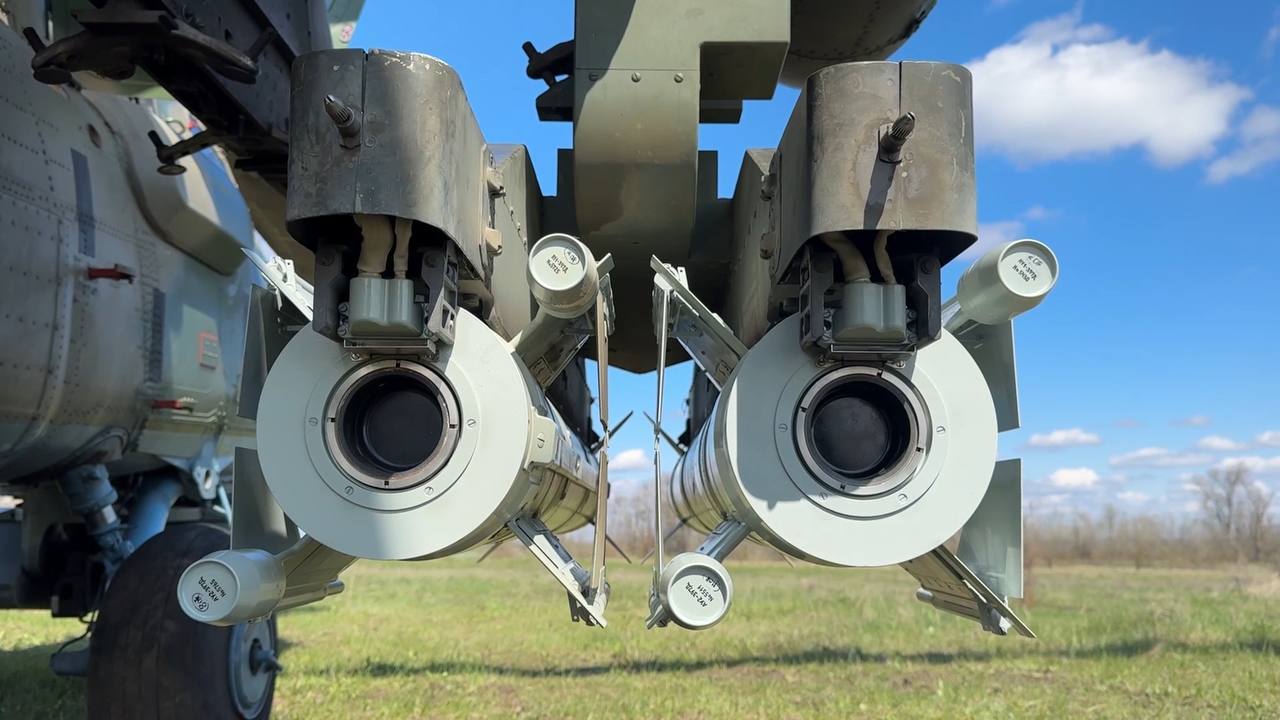
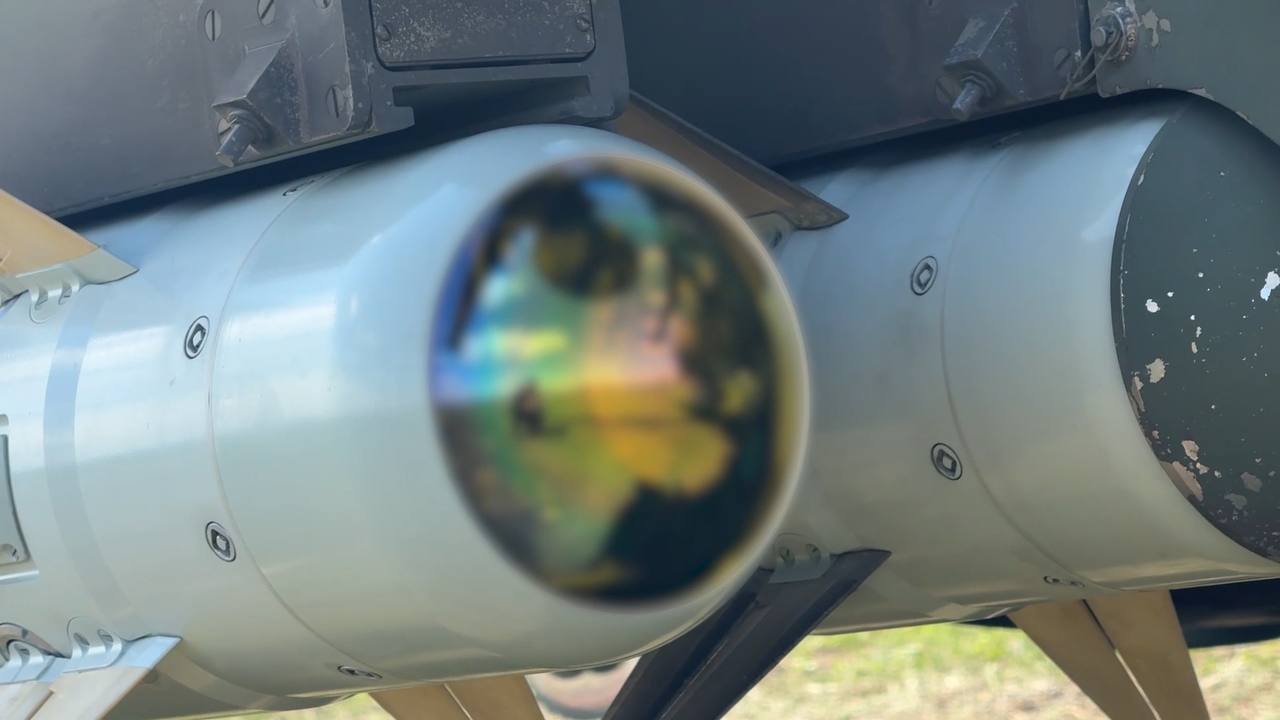
At 13:55 UTC, a Russian Aerospace Forces (VKS) Mi‑28NM “Night Hunter” attack helicopter launched two Kh‑39 Light Multipurpose Guided Missiles (LMUR) against a temporary Ukrainian deployment point in eastern Ukraine. Photographic evidence released by intelslava shows the impact sites and the resulting smoke plume. The strike disrupted Ukrainian troop movements but did not result in confirmed fatalities. The deployment of Kh‑39 missiles from a rotary platform underscores Russia’s emphasis on flexible, rapid‑response strike capabilities.
Su‑35 Intercept Near Barvinkove
Finally, at 07:35 UTC, a Russian Su‑35 fighter engaged a Ukrainian tactical aircraft near Barvinkove in Kharkiv Oblast, firing an R‑37/77 long‑range air‑to‑air missile. The Ukrainian aircraft was reportedly en route to launch KAB glide‑bombs toward Toretsk in Donetsk Oblast. The interception prevented the planned Ukrainian strike, illustrating the layered air‑defense posture Russia maintains over contested corridors.
Collectively, these events illustrate a pronounced intensification of kinetic operations across multiple domains—air, land, sea, and cyber‑enabled drone warfare. The coordinated use of glide‑bombs, air‑to‑air missiles, loitering munitions, and attack helicopters signals a broadening of Russia’s strike repertoire, while Ukraine’s expanding drone program reflects an adaptive response to these threats.