On May 5, 2026, United States destroyers USS Truxtun and USS Mason were engaged by small boats, missiles and drones while transiting the Strait of Hormuz, an incident reported by monitor_the_situation. The attack, occurring in international waters between Iran and Oman, marks a significant escalation in kinetic naval activity, reflecting the broader contest for control of this strategic chokepoint.
"USS Truxtun and USS Mason sustained small‑boat, missile and drone fire while transiting the Strait of Hormuz amid ongoing Iranian attacks on US naval assets and shipping." – @FaytuksNetwork, monitor_the_situation
US Naval Response and Subsequent Engagements
Following the initial assault, the United States Navy launched a series of counter‑operations under the banner of Operation Project Freedom. According to the JPost, US forces sank Iranian small boats and intercepted additional missiles and drones while reopening the Strait. The operation, announced by President Donald Trump, aimed to re‑establish unimpeded maritime traffic through the waterway.
"US sinks Iranian small boats, shoots down missiles, drones as reopening of Strait underway" – JPost
Collateral Damage and Civilian Casualties
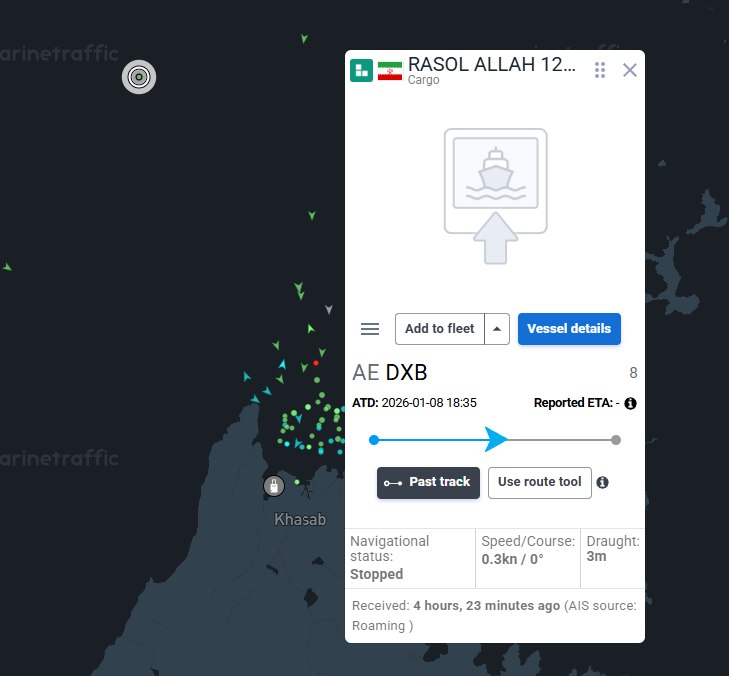
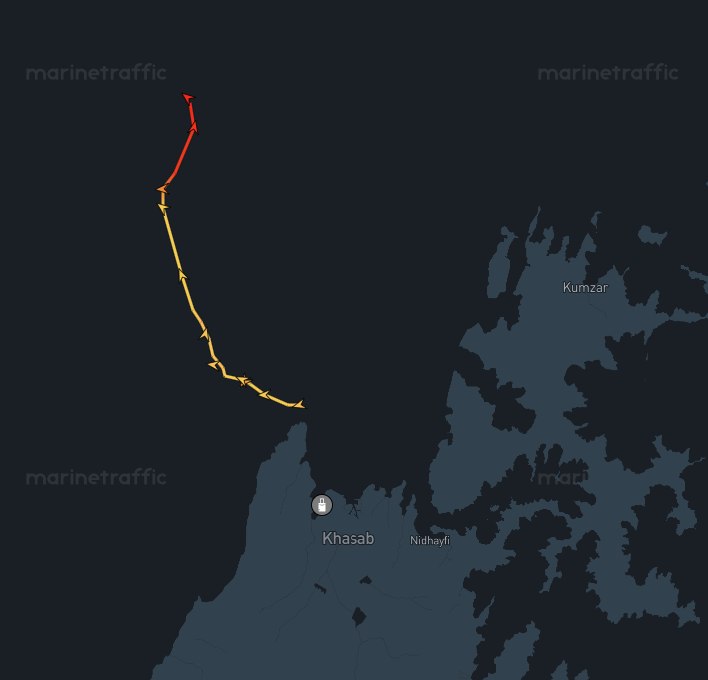
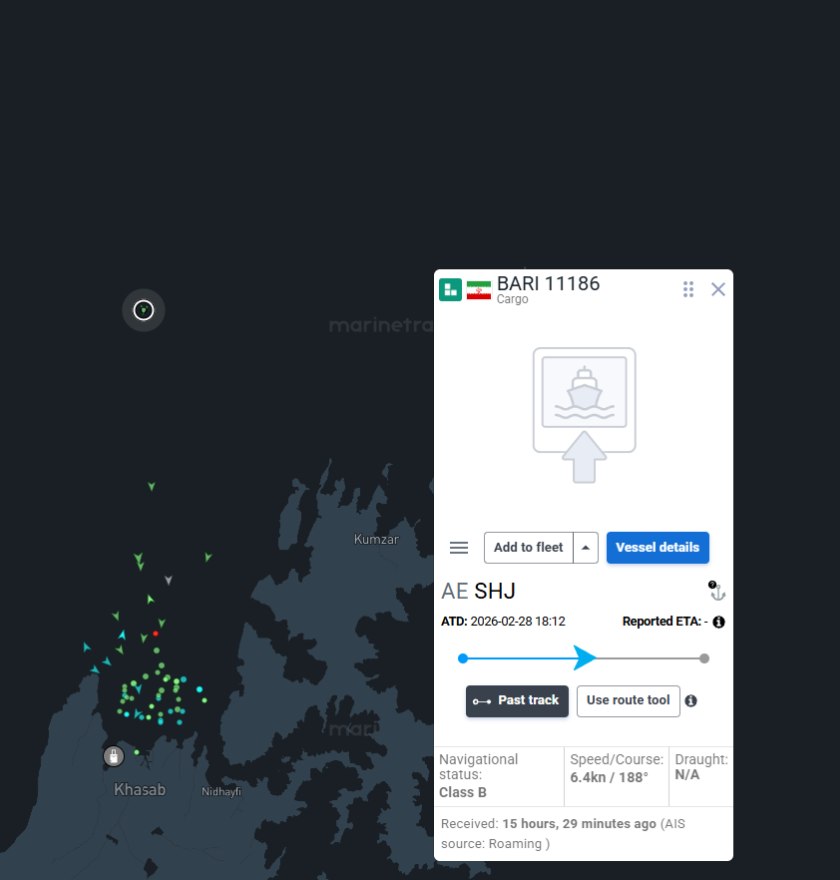
Parallel reports from GeoPWatch and Press TV describe further violence affecting civilian vessels. At approximately 01:12 UTC, Press TV alleged that US forces opened fire on two civilian boats traveling from Khasab, Oman, to Iran, resulting in five civilian deaths. In a separate incident, a US strike is believed to have hit the Omani cargo vessel BARI 11186 about 30 km off Oman’s coast, though casualty details remain unconfirmed.
"US forces fired on two civilian boats traveling from Khasab, Oman to Iran, killing five civilians." – Press TV, GeoPWatch
Iranian Naval Posturing
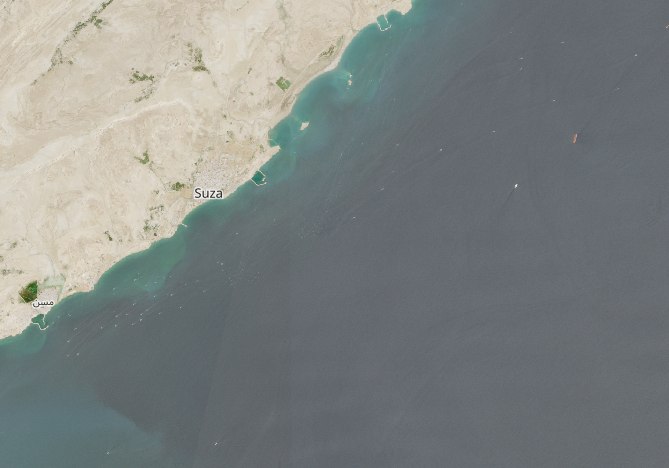
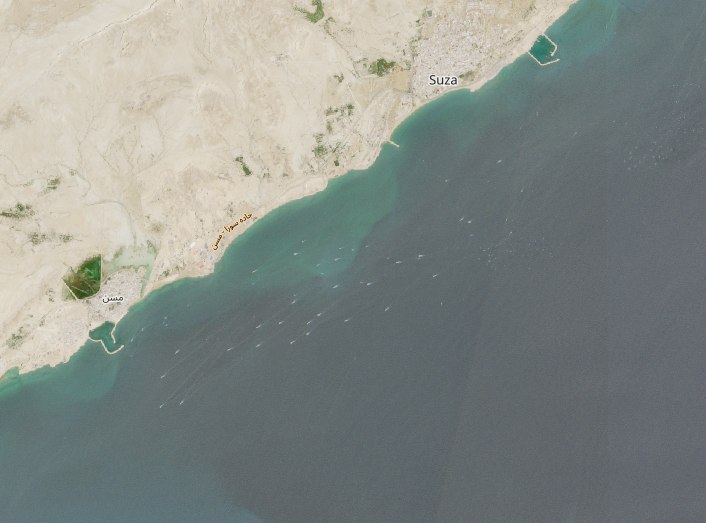
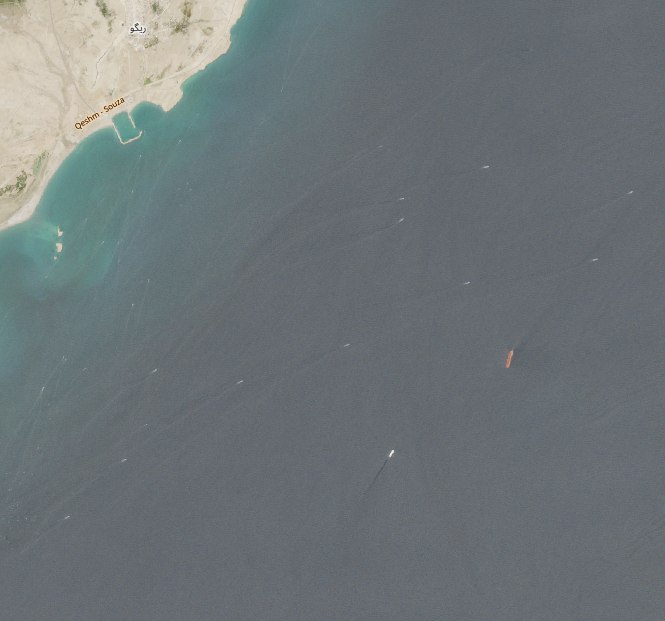
Satellite imagery released by GeoPWatch revealed a concentration of more than 85 IRGC Navy fast‑attack craft assembled near Qeshm Island, spanning roughly 22 km of water. This buildup underscores Iran’s intent to project power within the Strait and to challenge US naval movements.
"Satellite imagery shows over 85 IRGC Navy fast‑attack craft staged in the Strait of Hormuz near Qeshm Island." – GeoPWatch
Broader Regional Kinetic Activity
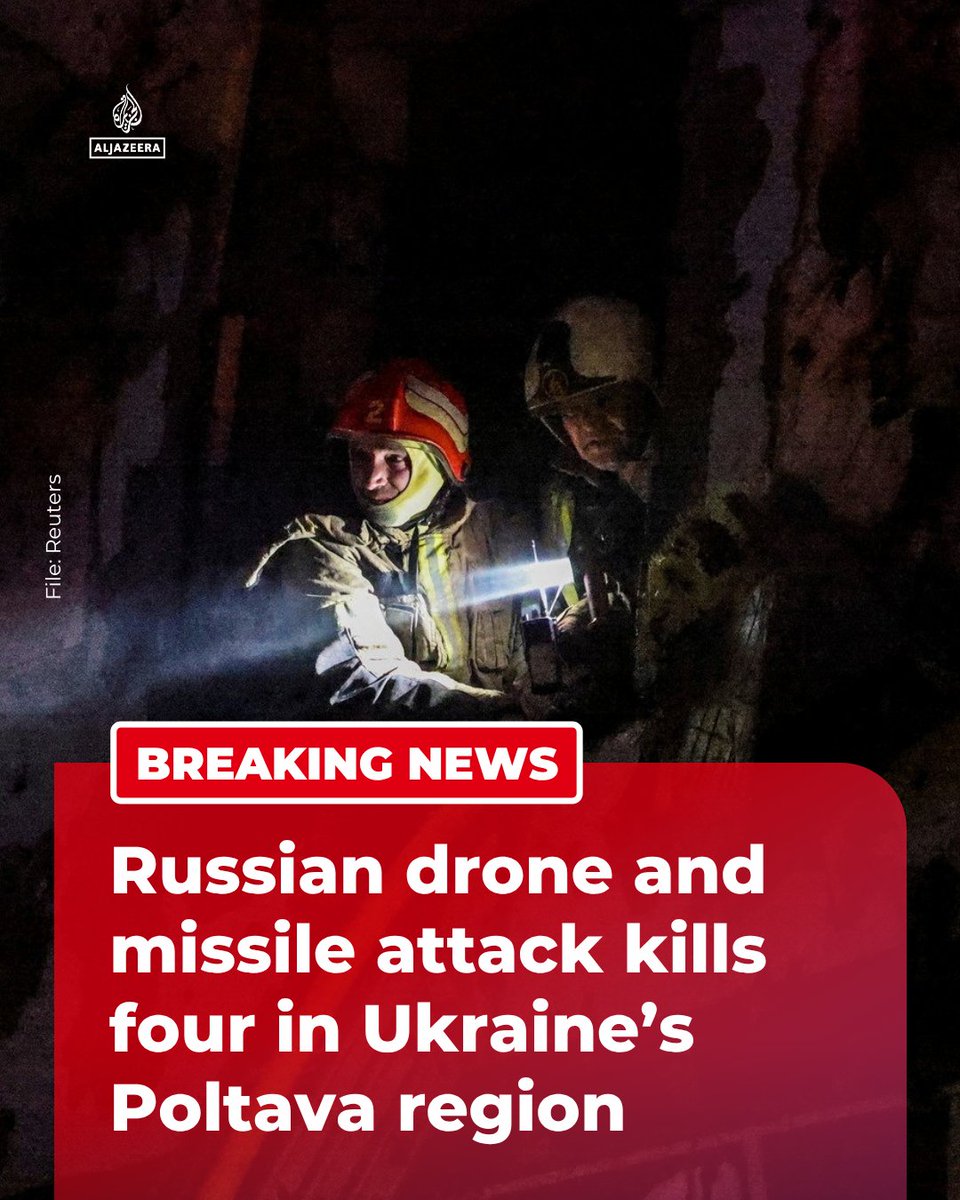
While the Strait of Hormuz incidents dominate the international‑water narrative, other kinetic events unfolded on the same day. Russian drones attacked Kyiv, prompting Ukrainian air defenses to engage, and Iranian IRGC commander Ahmad Vahidi reportedly ordered missile strikes on Abu Dhabi and Oman without governmental approval, according to monitor_the_situation. These actions, though land‑based, reflect a pattern of heightened kinetic engagements across the region.
"IRGC Commander Ahmad Vahidi Launches Missile Attacks on UAE and Oman" – monitor_the_situation
Implications for Maritime Security
The convergence of state and non‑state actors employing drones, missiles, and small‑boat tactics in international waters raises complex challenges for maritime security frameworks. The incidents demonstrate a shift toward asymmetric naval warfare, where conventional warships face threats from low‑cost, high‑mobility platforms. The United States’ reliance on kinetic response, including missile interception and vessel sinking, signals a willingness to employ force to maintain freedom of navigation, while Iran’s deployment of fast‑attack craft and drone swarms suggests an intent to contest that freedom.
International Reactions and Legal Context
International law, particularly the United Nations Convention on the Law of the Sea (UNCLOS), obliges flag states to ensure the safety of navigation in international waters. The reported attacks on civilian vessels and the use of force by both US and Iranian forces have prompted calls for diplomatic de‑escalation from the European Union and the United Nations, though concrete mediation efforts remain limited.