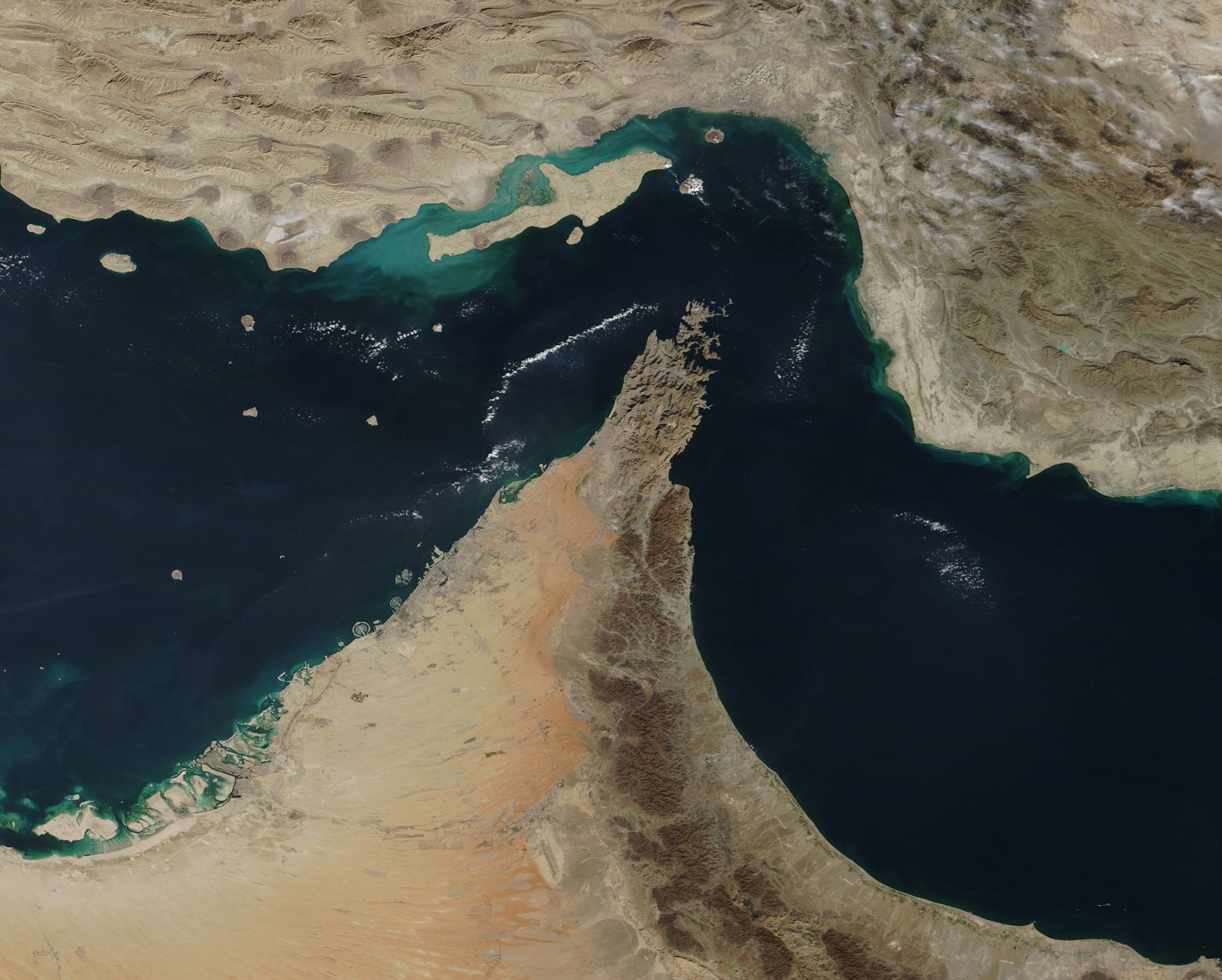
On 4 May 2026, the United States, in coordination with Israel, launched a naval operation to reopen the Strait of Hormuz after Tehran’s recent interference with commercial shipping. The operation, described by a security official to Kan News, marked the most significant kinetic event of the day and set the stage for a series of confrontations that involved fast‑boat engagements, missile launches, and aerial interceptions across the Persian Gulf.
"American operation launched this afternoon to reopen the Strait of Hormuz amid Iranian interference is fully coordinated with Israel, according to a security official speaking to Kan News."
US Forces Sink Iranian Fast Boats
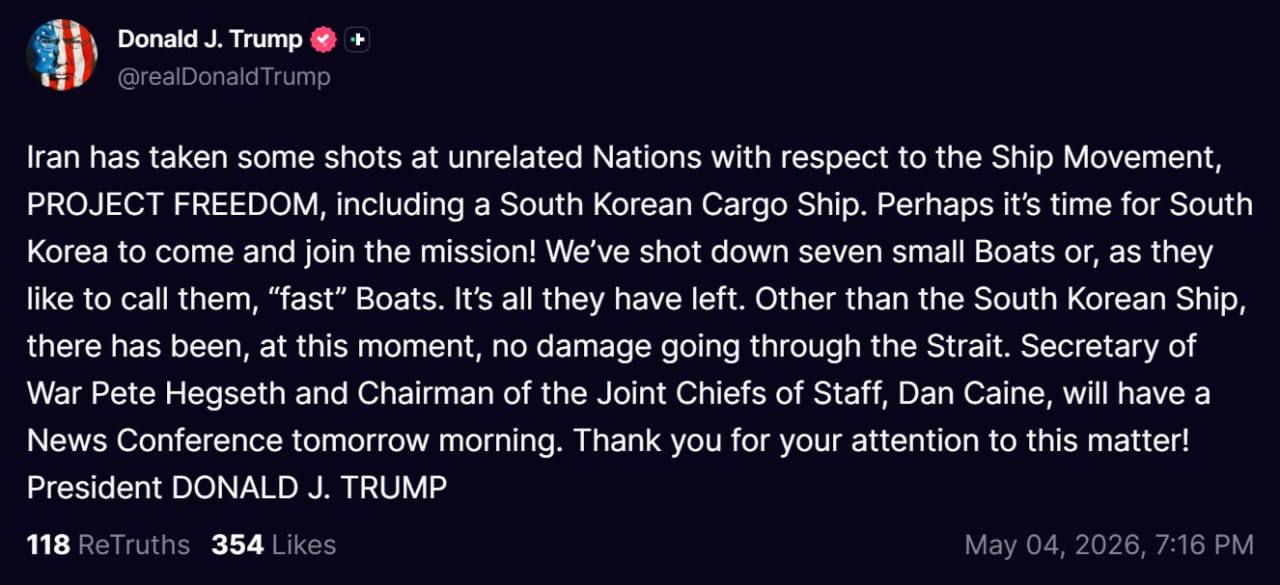
At 17:22 UTC, US forces engaged six to seven Iranian fast‑boats that were attempting to disrupt commercial traffic, including a South Korean cargo vessel. The engagement, part of the broader “Project Freedom” mission, resulted in the sinking of the fast‑boats with no reported damage to the South Korean ship. The US Central Command and the Office of the President confirmed the action, emphasizing that the Iranian vessels posed a direct threat to US and allied assets.
Iranian Missile Activity and Claims of Closure
Throughout the day, Iranian forces launched multiple ballistic and cruise missiles from several sites, including Bandar Abbas, Bushehr, Sirik, and Isfahan Province. Notable launches include:
- 15:36 UTC – Ballistic missiles from Bandar Abbas (monitor_the_situation).
- 15:29 UTC – Combined ballistic and cruise missiles from the Bushehr area (rnintel).
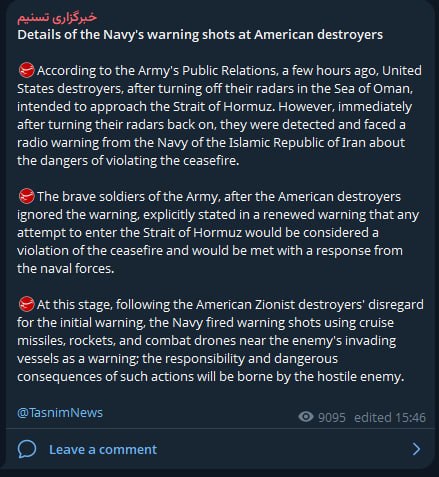
- 14:42 UTC – Cruise missiles and drones reportedly fired at US Navy vessels after warnings were ignored (BellumActaNews).
- 12:17 UTC – Two anti‑ship ballistic missiles aimed at the US littoral combat ship USS Canberra (CIG_telegram).
In parallel, the Iranian military announced a full closure of the Strait of Hormuz at 14:06 UTC, prohibiting all vessel traffic. The IRGC Navy reiterated the closure later in the day, warning that any ship attempting passage would be destroyed (IRGC statements cited by GeoPWatch and BellumActaNews).
Israeli Defensive Interceptions
At 17:42 UTC, Israeli defense systems intercepted Iranian missiles over the Strait of Hormuz, according to monitor_the_situation. The interception prevented potential damage to commercial vessels and underscored the expanding role of Israeli air‑defence assets in the Gulf region.
US Naval Presence and Counter‑measures
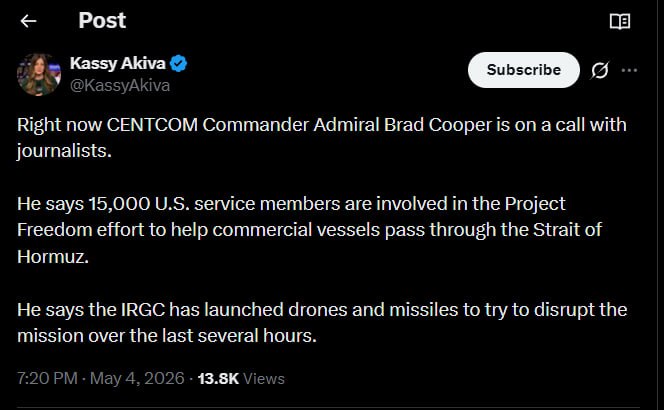
US Navy destroyers were reported active at the entrance to the Strait at 16:07 UTC, and a large escort mission involving approximately 15,000 service members and over 100 aircraft was announced earlier (intelslava). CENTCOM commander Admiral Brad Cooper confirmed that the US is conducting Operation Project Freedom to safeguard commercial shipping, while Iranian IRGC forces launched drones and missiles in an attempt to disrupt the mission.
Incidents Involving US Warships
Multiple claims emerged regarding attacks on US vessels:
- 16:31 UTC – US forces reportedly sank six Iranian gunboats attempting to attack commercial and US ships (rnintel).
- 16:37 UTC – Iranian media claimed two missiles struck a US warship near Jask Island; US officials denied any hit (OSINTdefender).
- 12:17 UTC – Iran fired two anti‑ship ballistic missiles at USS Canberra (CIG_telegram).
- 10:07 UTC – Initial reports of an IRGC attack on a US Navy frigate in the Strait (intelslava).
US statements consistently refuted damage to its vessels, emphasizing that the engagements were defensive and aimed at preserving freedom of navigation.
Drone and UAV Activity
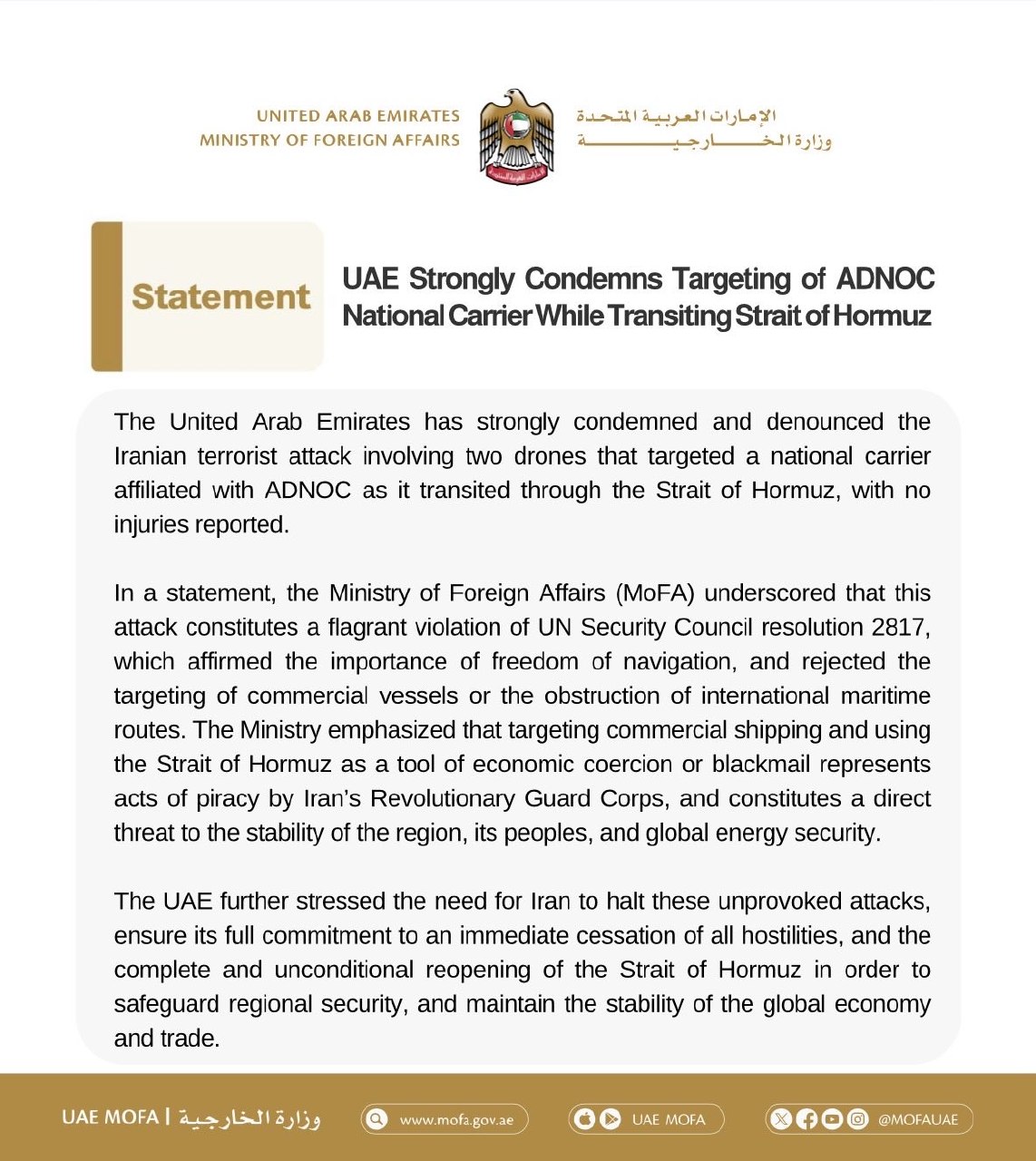
Iranian drones targeted several non‑military vessels, including an ADNOC‑owned tanker (Barakah) off the Omani coast, causing no crew injuries (monitor_the_situation). Additionally, Israeli defense systems intercepted Iranian missiles, and US CENTCOM reported drone launches by the IRGC aimed at disrupting escort operations.
Regional Implications
The cascade of kinetic events underscores a rapid escalation in the Persian Gulf. The United States and Israel have demonstrated a willingness to conduct coordinated naval and air operations, while Iran has employed a mix of fast‑boat swarms, ballistic missiles, cruise missiles, and drones to assert control over the Strait. The closure announcement and threats to attack any vessel attempting passage raise the risk of inadvertent clashes involving commercial shipping, potentially impacting global oil markets.
All reported incidents are sourced from open‑source monitoring channels, including monitor_the_situation, Kan News, US Central Command releases, and regional news agencies. No casualty figures were reported for the naval engagements, and no damage to commercial vessels was confirmed beyond the temporary disruption of traffic.