On 4 May 2026, a coordinated series of Iranian missile launches aimed at the United Arab Emirates (UAE) triggered the most significant kinetic response of the day when an Israeli air‑defense system intercepted the projectiles, according to a CNN report cited by BellumActaNews. The interception, reported at 17:39:59 UTC, underscores the expanding scope of the conflict, involving Iran, the UAE, and Israel, and highlights the heightened risk of broader regional escalation.
Interception of Iranian missiles by Israeli defense system
BellumActaNews relayed a CNN statement that an Israeli defense system successfully neutralised Iranian missiles en route to the UAE. The source, identified only as an informed insider, confirmed that the missiles were intercepted before reaching their target area, preventing potential casualties and infrastructure damage. No casualty figures were released, and the specific type of Israeli system was not disclosed. The incident illustrates Israel’s willingness to engage directly in defending third‑party states against Iranian aggression, a development that may influence future rules of engagement in the region.
"Iranian missiles at the UAE were intercepted by an Israeli system," CNN reported via BellumActaNews.
UAE air defenses engage a fifth wave of Iranian missiles
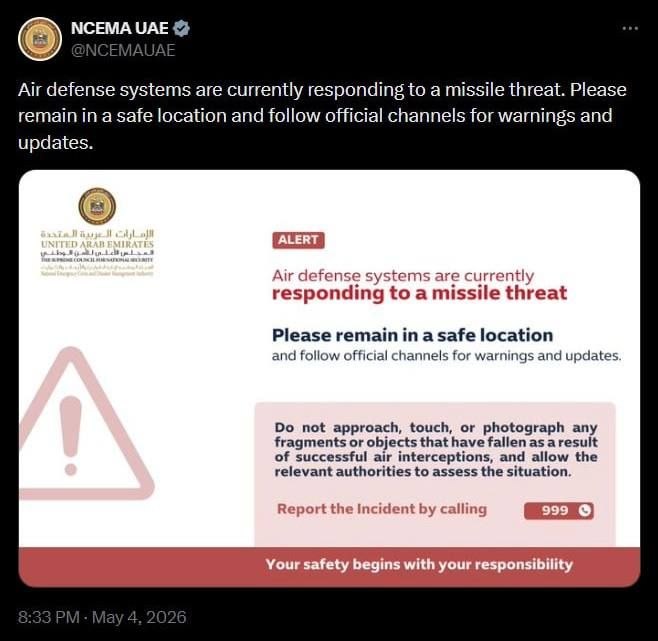
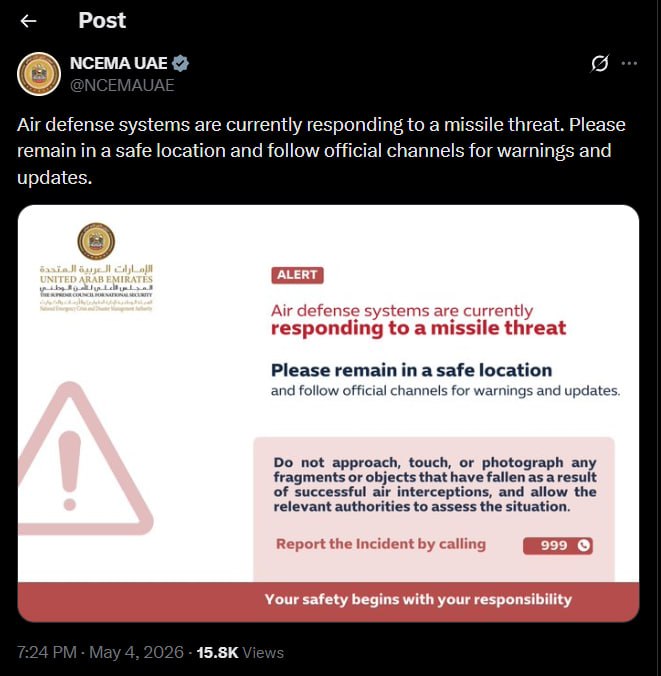
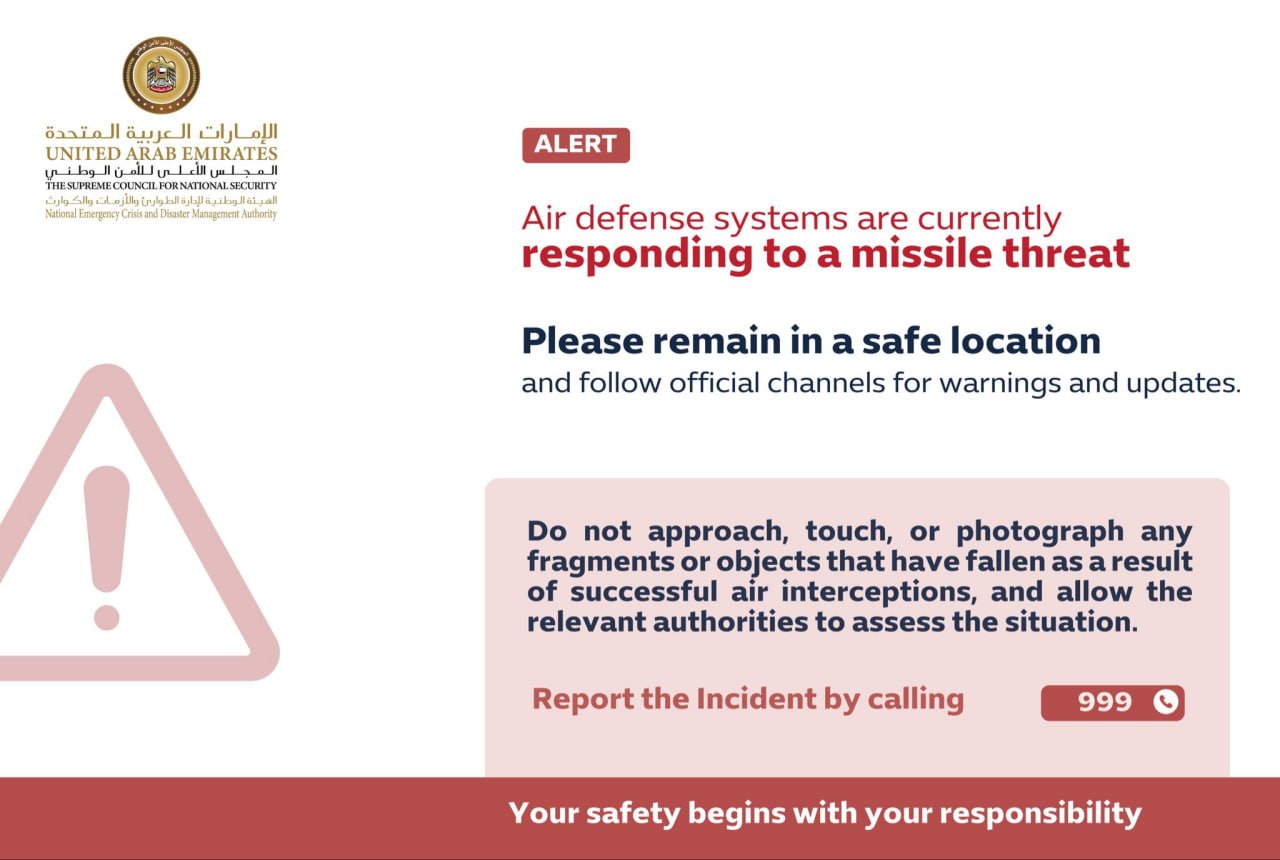
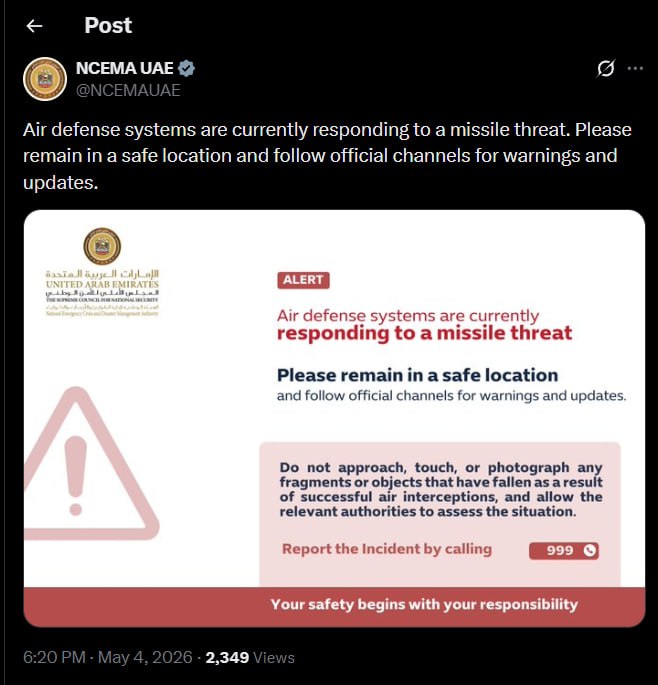
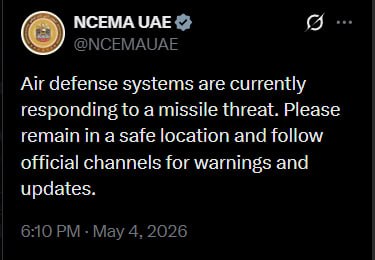
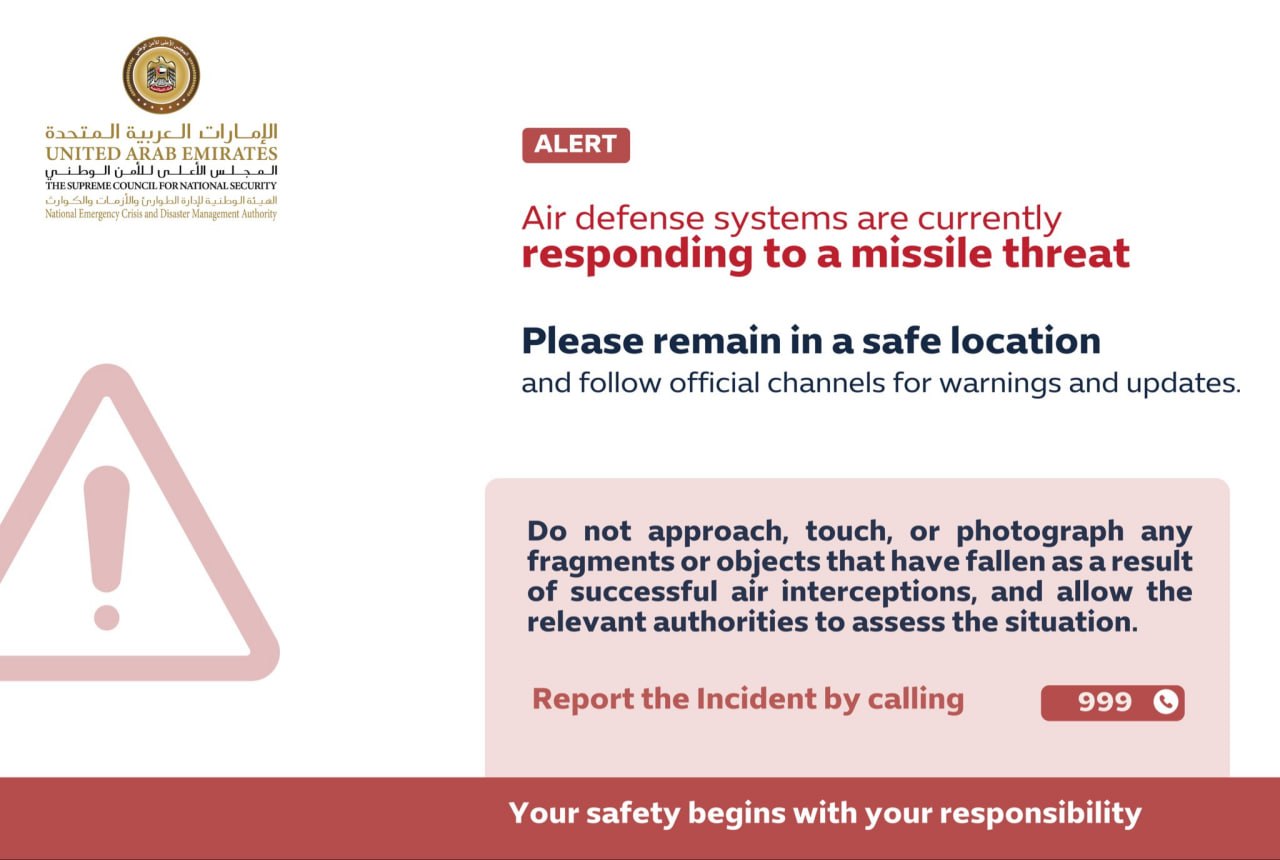
Just minutes after the Israeli interception, the UAE’s National Center for Emergency and Crisis Management (NCEMA) reported a fifth wave of Iranian missile attacks targeting the Emirates. The report, posted at 16:30:41 UTC by BellumActaNews, confirmed that multiple missiles were launched toward UAE airspace, prompting the activation of Emirati air‑defence batteries. While the exact number of missiles and any resulting damage remain unconfirmed, the repeated attacks have forced the UAE to maintain a state of high alert throughout the day.
Naval confrontations in the Gulf
Concurrent with the aerial threats, Iran engaged U.S. naval assets in the Strait of Hormuz. At 17:01:16 UTC, CIG_telegram reported that Iranian forces attacked U.S. ships, a claim that preceded a Fox News interview on the same day. Further details emerged at 14:36:48 UTC when intelslava indicated that Iran fired a missile at U.S. Navy vessels, a launch that CENTCOM later denied resulted in any strike on the ships. Reuters corroborated the missile launch, though it stopped short of confirming damage.
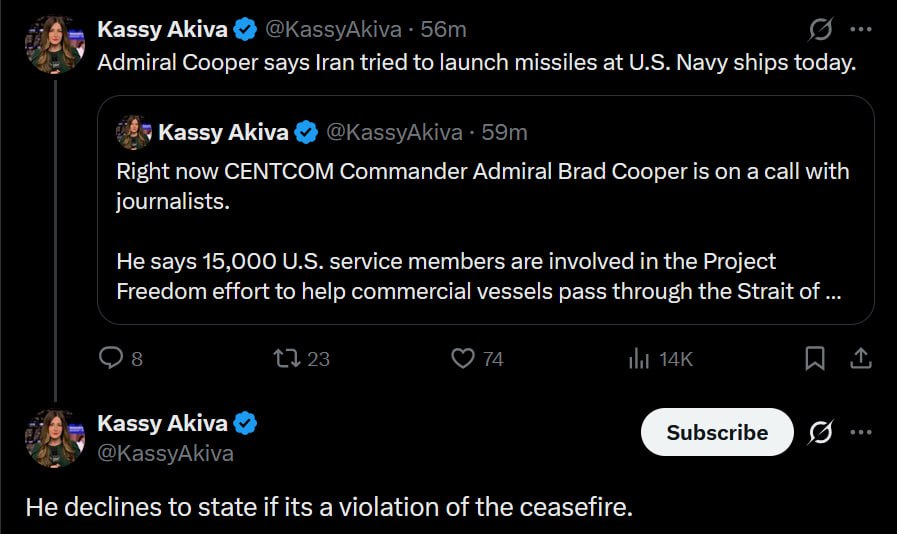
U.S. Central Command (CENTCOM) commander Admiral Brad Cooper, cited by CIG_telegram at 17:20:10 UTC, declined to state whether the launch of several anti‑ship missiles at the USS Canberra (LCS‑30) violated the existing cease‑fire. The ambiguity reflects ongoing diplomatic sensitivities surrounding the cease‑fire terms established after previous hostilities.
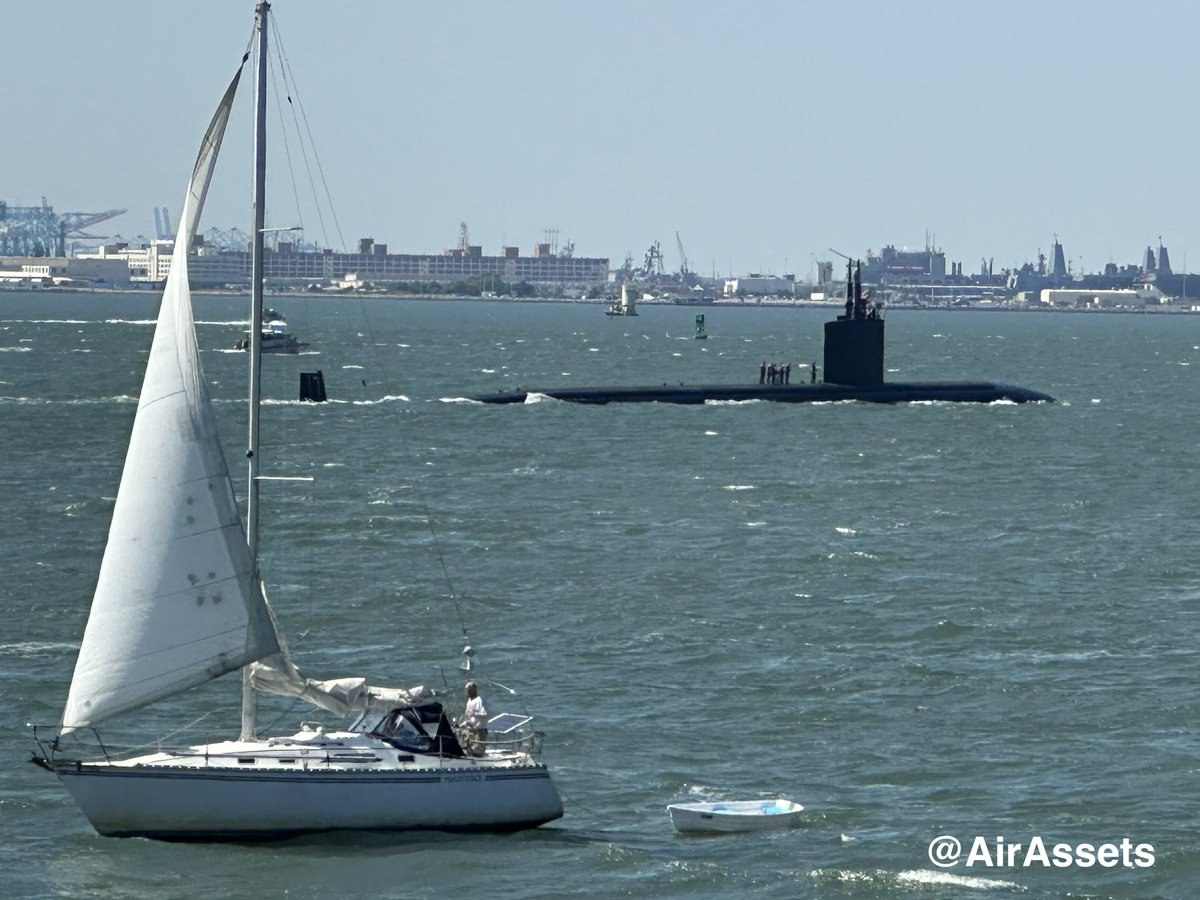
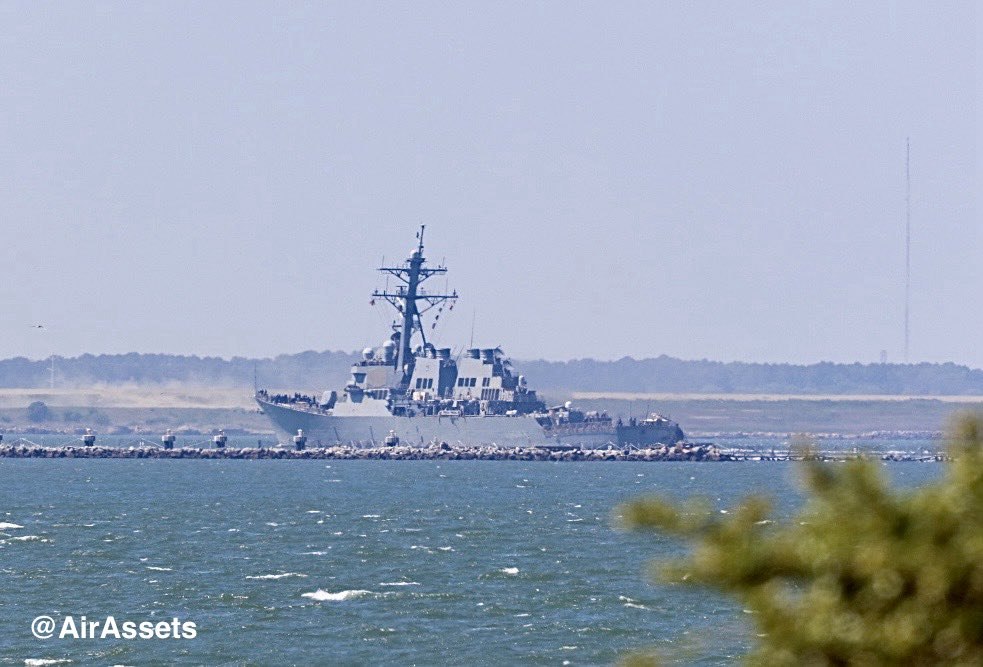
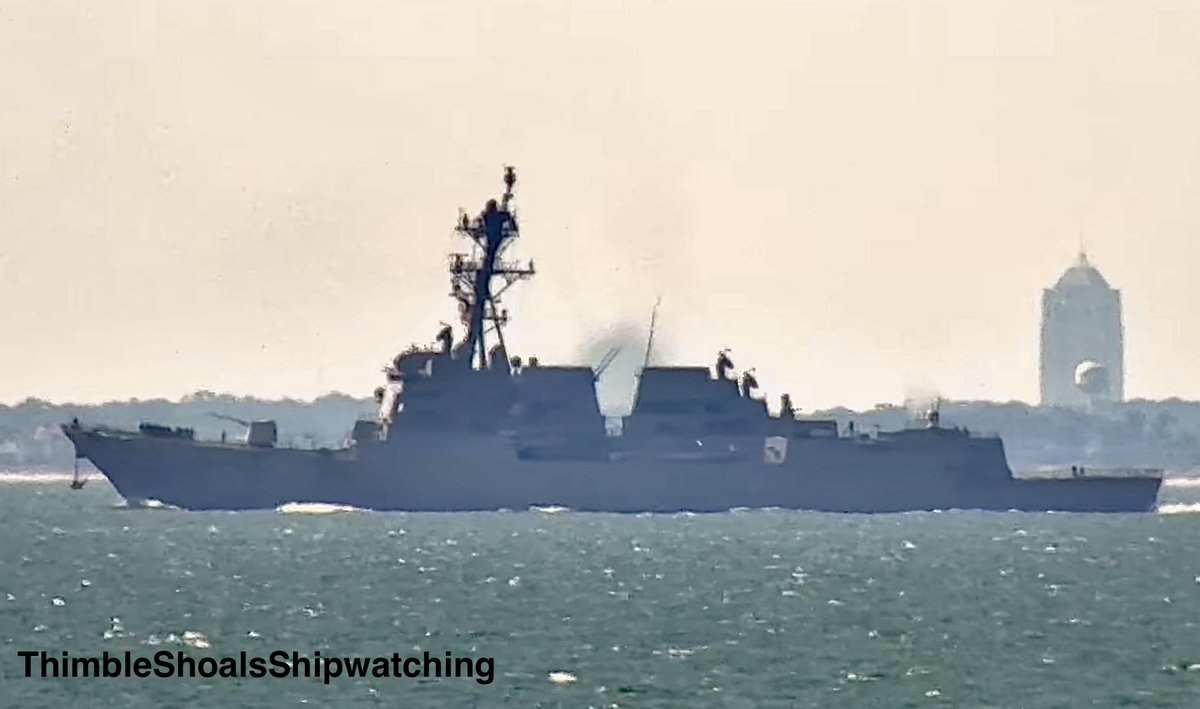
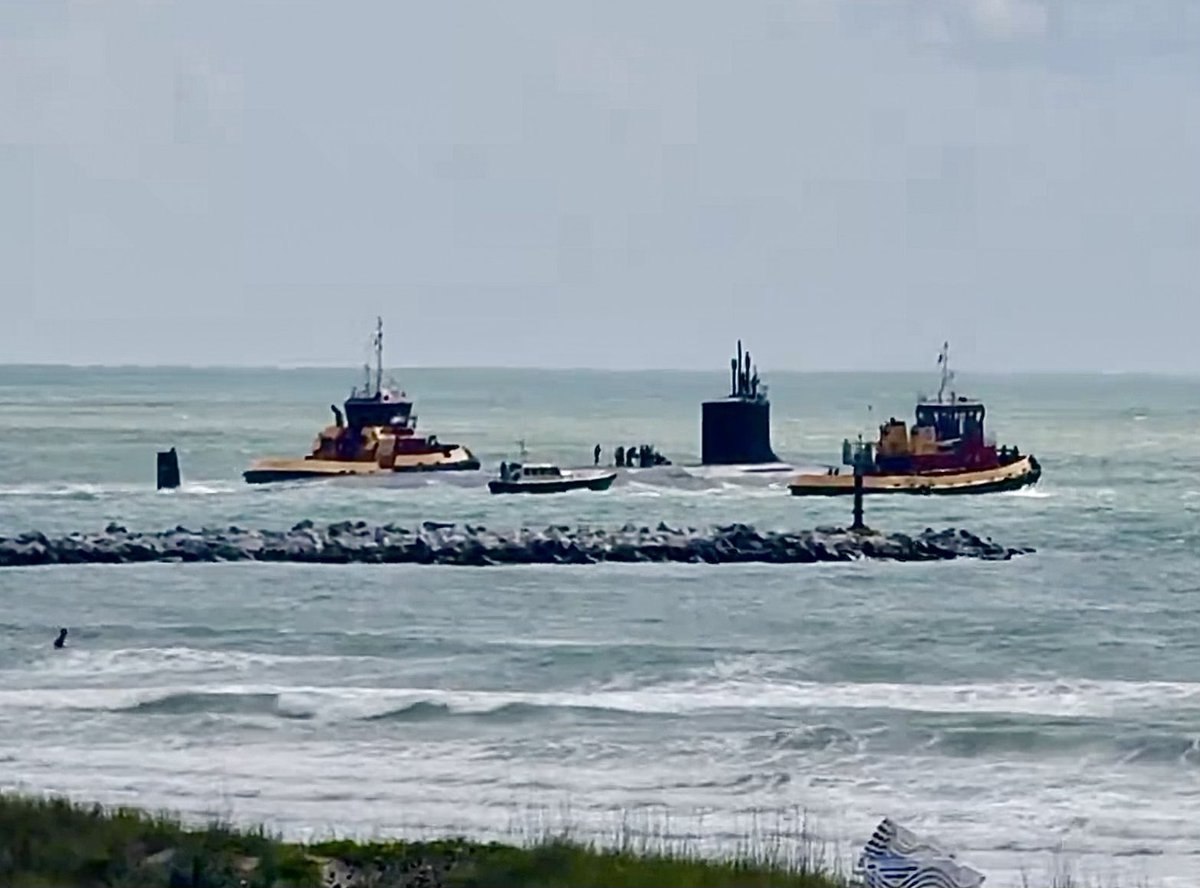
In response to the heightened threat environment, the United States repositioned several naval assets on 4 May. The Los‑Angeles‑class attack submarine USS Cheyenne returned to Norfolk, Virginia, for a rapid turnaround (monitor_the_situation, 16:22:07 UTC). Simultaneously, the Arleigh Burke‑class destroyers USS Stout and USS Nitze relocated to Norfolk, while the Virginia‑class submarine USS New Jersey departed Port Canaveral, Florida (monitor_the_situation, 16:12:00–16:12:09 UTC). These movements indicate a strategic redeployment aimed at maintaining operational readiness in the Gulf and protecting maritime trade routes.
Rocket and missile launches toward Oman
At 16:27:05 UTC, intelslava reported that rockets were launched toward Oman, signalling an expansion of Iranian kinetic activity beyond the UAE. The brief note, marked with the flags 🇮🇷🇴🇲, did not specify the type of rockets, launch coordinates, or any resulting casualties. The lack of detailed information suggests that the launch may have been intercepted or that impact assessments were still pending.
Airstrikes in Lebanon
In a separate front, Israel intensified its air campaign over Lebanon. Al Jazeera, at 16:05:40 UTC, documented an increase in Israeli airstrikes, though it did not provide casualty figures or target specifics. The escalation aligns with longstanding tensions between Israel and Hezbollah‑aligned forces in southern Lebanon, and it adds another layer of complexity to the regional security environment.
UAE petroleum facility drone attack and market impact
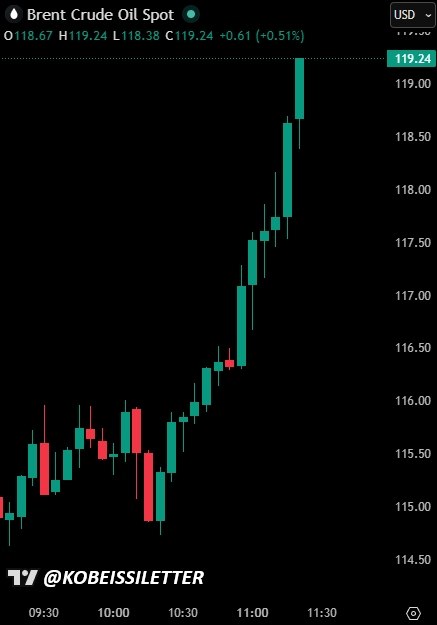
At 15:54:53 UTC, CIG_telegram reported that Iranian drones struck a UAE petroleum facility, prompting Brent crude prices to rise above $119 per barrel. The attack, described as a hostile UAV incident, underscores Iran’s use of unmanned aerial systems to target critical energy infrastructure. While the facility’s operational status post‑attack was not disclosed, the immediate effect on global oil markets highlights the broader economic ramifications of kinetic actions in the Gulf.
Explosion reports and air‑defense activations across the UAE
Multiple sources documented a series of explosions and missile alerts throughout the UAE on 4 May. GeoPWatch reported explosions at 15:55:03 UTC and again at 14:57:45 UTC, while rnintel noted defensive explosions and missile alerts at 15:53:49 and 15:49:50 UTC respectively. These incidents, though lacking casualty data, indicate that Emirati air‑defence systems were repeatedly engaged to neutralise incoming threats, reinforcing the perception of a sustained missile barrage.
IRGC evacuations and broader tension
Amid the kinetic flare‑ups, monitor_the_situation reported at 16:22:02 UTC that Iran’s Islamic Revolutionary Guard Corps (IRGC) was evacuating military and energy sites nationwide. The preemptive evacuations reflect concerns over potential retaliatory strikes and the safety of critical infrastructure amid escalating US‑Iran tensions.
Collectively, the events of 4 May 2026 illustrate a multi‑dimensional escalation involving aerial, naval, and ground‑based kinetic actions. The convergence of Iranian missile launches, Israeli defensive interceptions, and U.S. naval repositioning underscores the fragile security calculus in the Gulf and the potential for rapid escalation should any party misinterpret defensive actions as offensive.