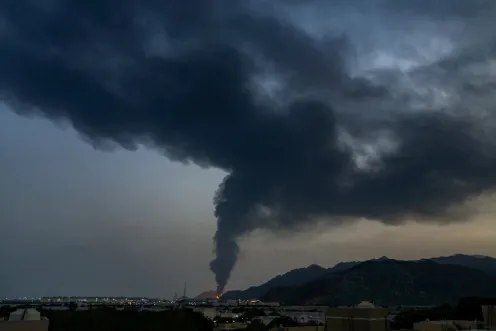
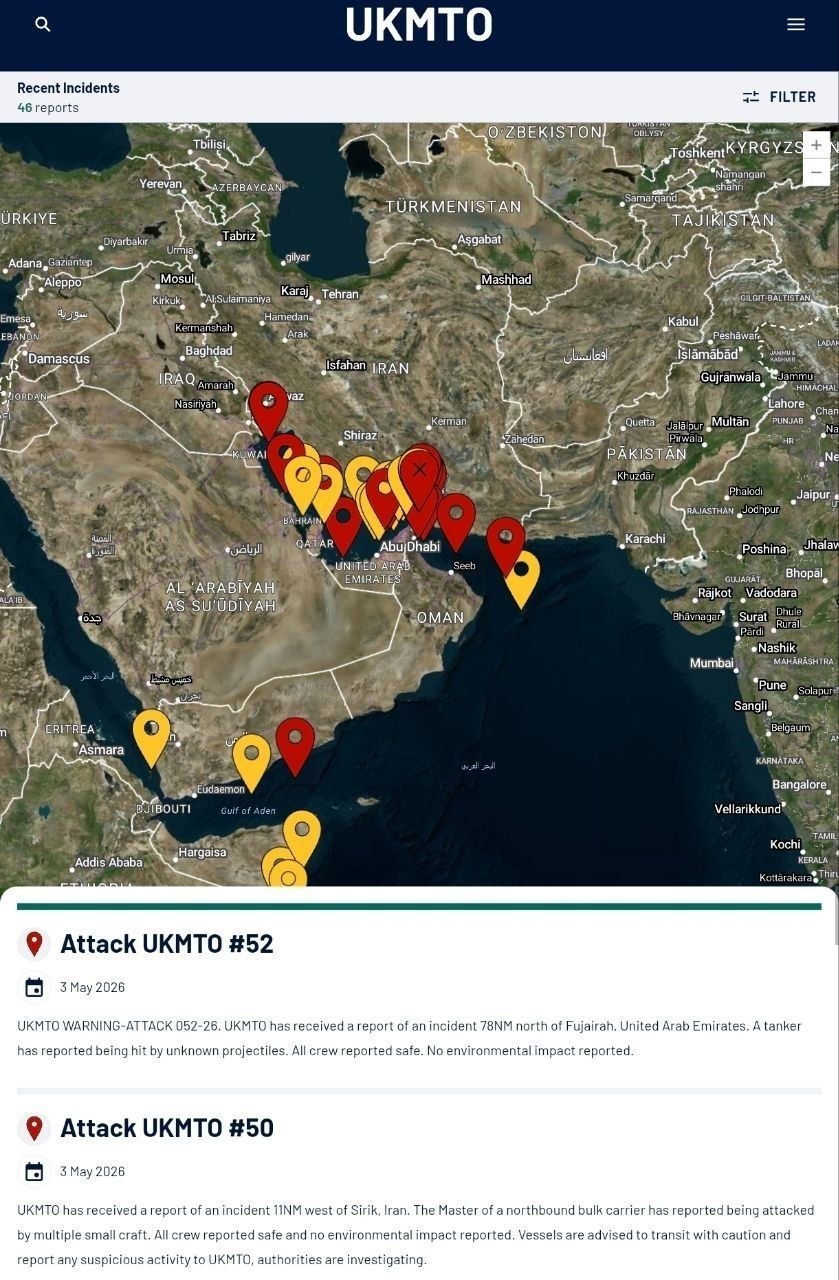
On 4 May 2026 a series of coordinated kinetic events unfolded across the United Arab Emirates, marking the most intense day of hostilities recorded in the Gulf since the escalation of Iranian operations in the Strait of Hormuz. The first high‑severity incident was reported at 17:39:19 local time when an explosion detonated in Dubai, followed minutes later by a second blast in Abu Dhabi. Both incidents were documented by regional open‑source channels and were attributed to Iranian actions, though no specific weapon system was identified.
Chronology of Explosions
Dubai, 17:39:19 – BellumActaNews posted a Telegram message confirming an explosion in Dubai, citing “renewed reports” of the incident. The post included a photograph of the blast site but did not specify casualties or the explosive device used. Source: BellumActaNews.
Abu Dhabi, 17:36:42 – GeoPWatch reported a simultaneous explosion in the capital, describing the event in a brief Telegram update. No weapon type or casualty figures were provided. Source: GeoPWatch.
Dubai, 16:29:35 – An earlier explosion in Dubai was also logged by GeoPWatch, reinforcing the pattern of multiple strikes within a short window. Source: GeoPWatch.
"🇮🇷❌🇦🇪 — 3 interceptor missiles launched over Dubai now," reported GeoPWatch at 13:16:10, indicating that aerial threats were already being engaged before the later explosions.
Source: GeoPWatch
Aerial Interceptions and Defensive Deployments
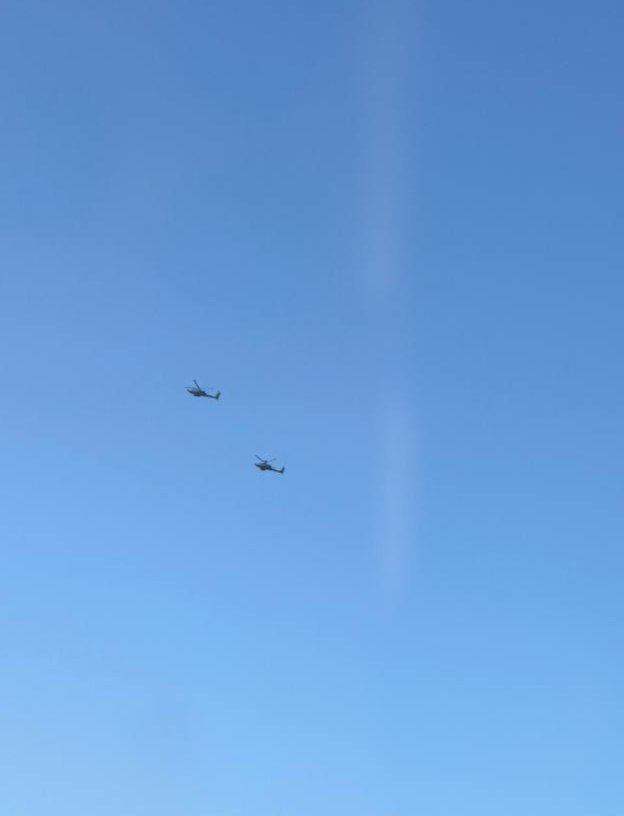
At 13:16:10 three interceptor missiles were launched over Dubai, as noted by GeoPWatch. The nature of these missiles was not disclosed, but the launch suggests an Iranian attempt to breach UAE airspace. Within minutes, two AH‑64D Apache Longbow helicopters were observed over Dubai, likely positioning to counter further aerial threats (GeoPWatch, 13:28:35). The United States responded by dispatching combat air patrols from the US Air Force over Abu Dhabi, a move described by monitor_the_situation at 16:12:02 as part of a broader effort to intercept Iranian missiles and drones targeting UAE territory.
Maritime and Naval Operations
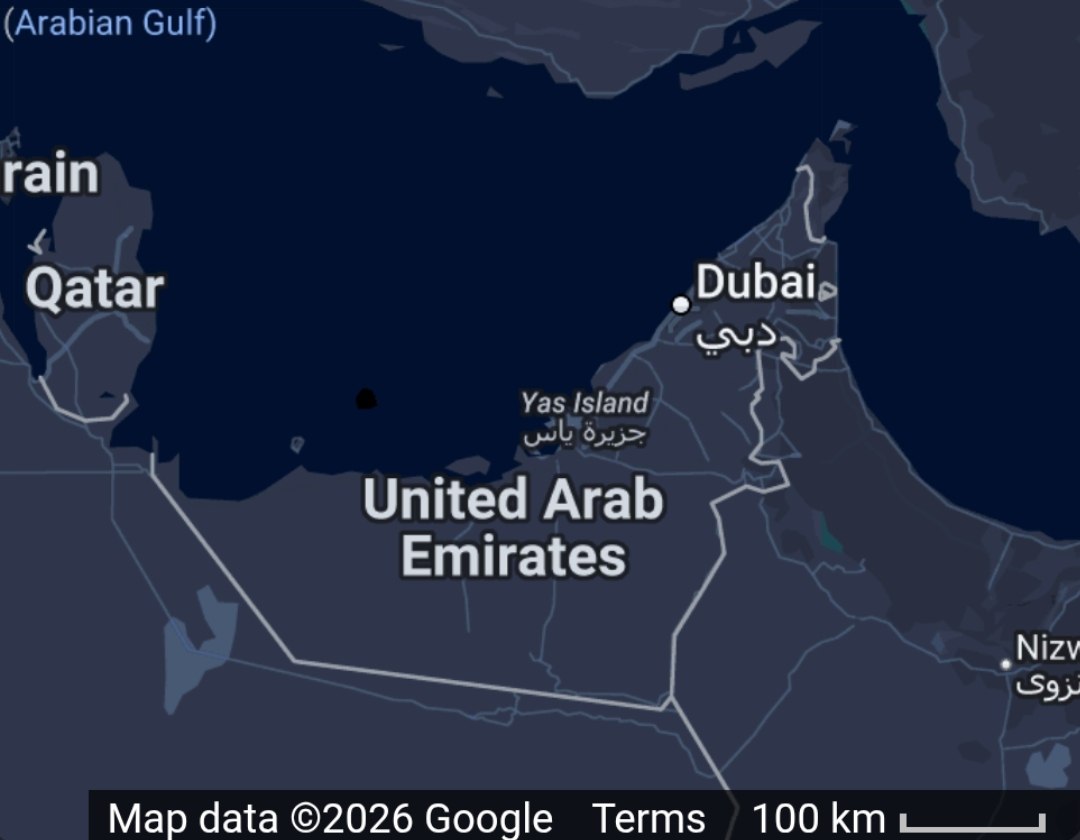
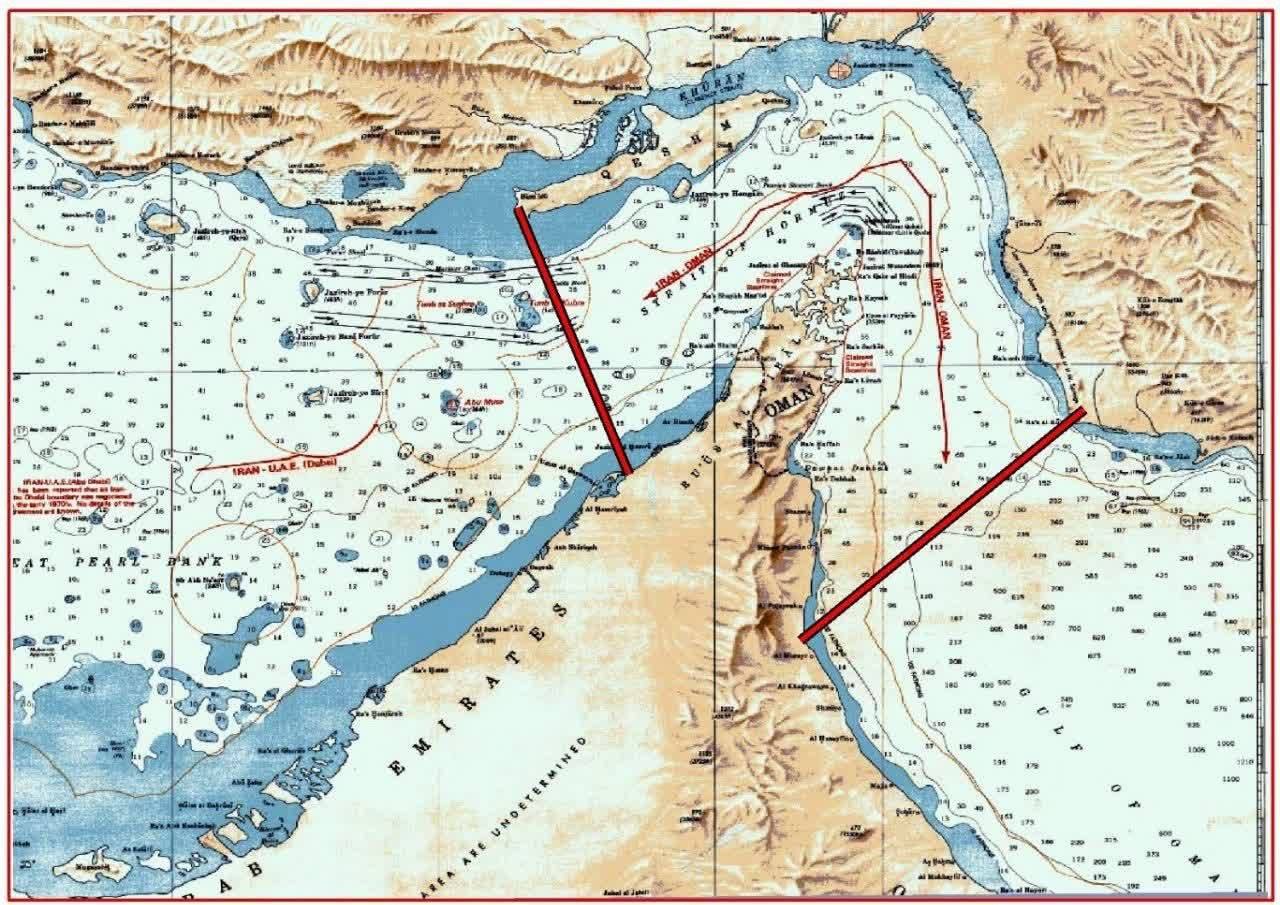
Iran expanded its maritime pressure by extending the Strait of Hormuz blockade to include the UAE ports of Khor Fakkan and Fujairah at 13:21:36, as announced by CIG_telegram. The declaration warned that any vessel departing these ports without Iranian permission would be targeted.
Subsequent naval incidents included:
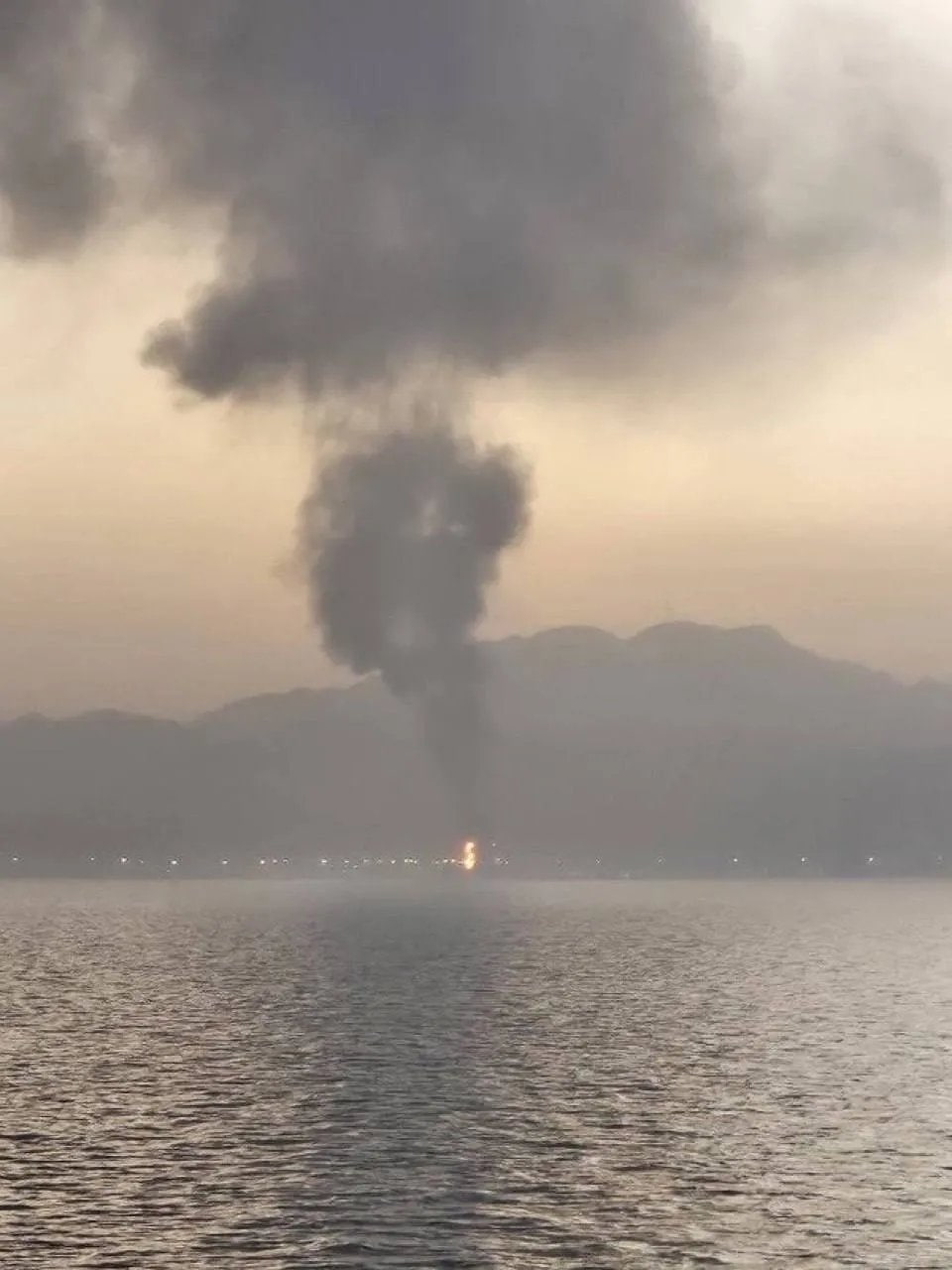
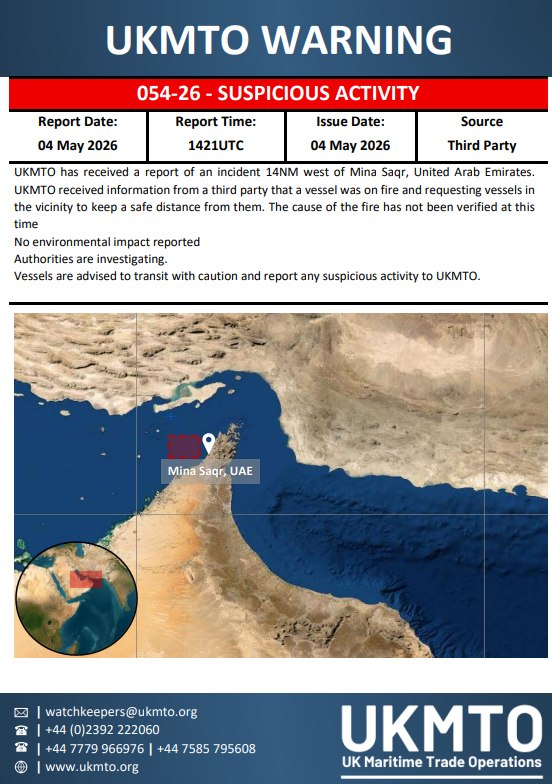
- 15:47:00 – A vessel caught fire 14 nm west of Mina Saqr; UKMTO issued safety advisories (monitor_the_situation).
- 15:46:58 – A cargo vessel reported an incident 36 nm north of Dubai amid ongoing Iranian attacks (monitor_the_situation).
- 15:22:57 – Iranian missiles struck a cargo vessel 36 nm north of Dubai, near Ajman, with explosions heard in Dubai (rnintel).
- 13:37:57 – A South Korean vessel anchored northwest of Sharjah was struck by the Iranian Navy (GeoPWatch).
- 06:08:13 – Two merchant vessels were attacked near the Strait of Hormuz, one a tanker hit by unknown projectiles north of the UAE (intelslava).
Drone and Missile Strikes on Critical Infrastructure
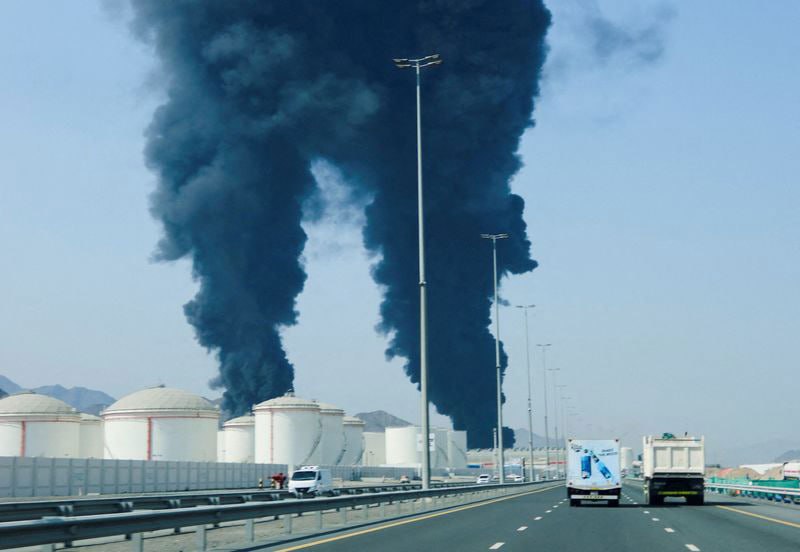
Fujairah’s oil and petroleum facilities were repeatedly targeted. At 16:46:55 OSINTdefender reported a drone‑induced fire in the Fujairah Oil Industry Zone, linking the attack to Iran. The same zone experienced multiple injuries: intelslava confirmed three Indian nationals were wounded (16:00:18), while GeoPWatch recorded three injured workers at the Fujairah Petroleum Industries (15:58:40). Additional drone attacks set fire to a commercial ship off Fujairah’s coast (15:51:59) and a petroleum industrial site (15:21:38, BellumActaNews).
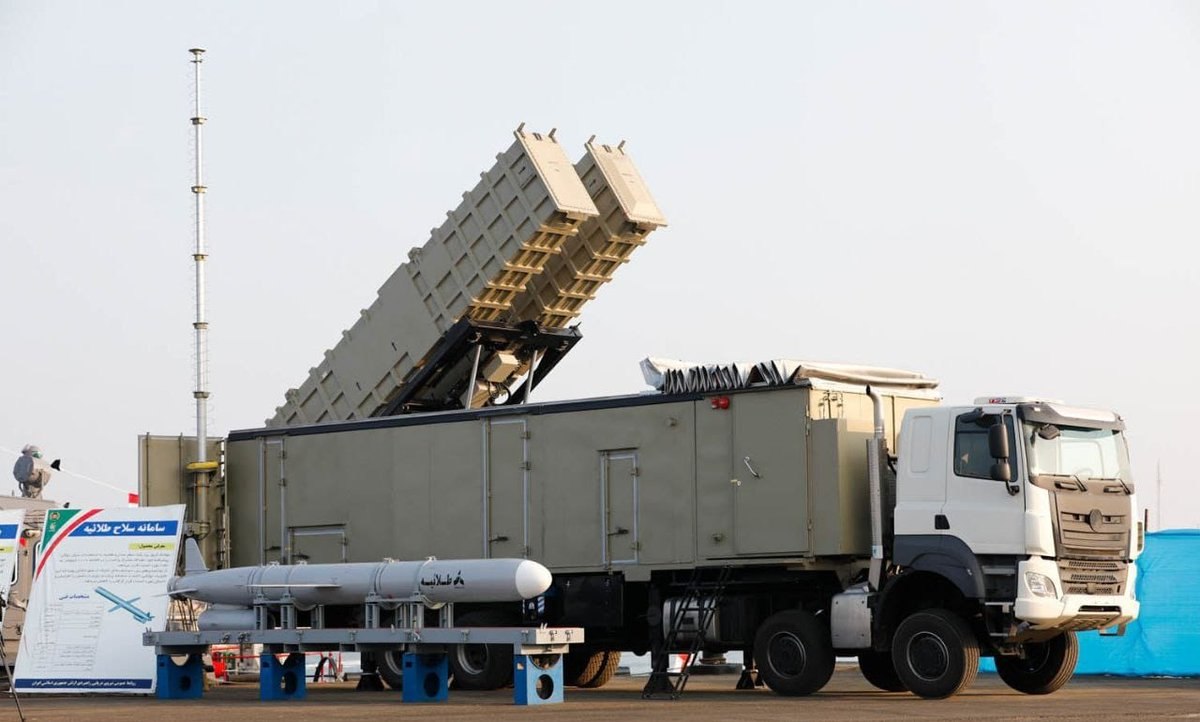
Missile activity intensified in the afternoon. At 15:26:57 monitor_the_situation documented Iran launching numerous missiles at ships off the UAE coast, triggering air‑raid sirens in both Dubai and Abu Dhabi. Later, rnintel reported that Iran fired four cruise missiles into UAE territorial waters; three were intercepted, and the fourth fell into open water (15:16:05).
Regional and Strategic Implications
The concentration of kinetic events across land, air, and sea on a single day underscores a coordinated Iranian campaign aimed at pressuring the UAE and its allies. The UAE’s response, including the deployment of Apache helicopters and coordination with US Air Force combat air patrols, reflects heightened readiness to defend critical infrastructure and maritime routes.
International bodies reacted swiftly. The Gulf Cooperation Council publicly condemned Iran’s drone attack on a UAE‑owned oil tanker in the Strait of Hormuz (13:27:00, monitor_the_situation), emphasizing concerns over maritime security and regional stability.
While casualty figures remain limited—primarily injuries reported in Fujairah—the cumulative effect of explosions, fires, and intercepted missiles represents a significant escalation in kinetic hostilities. The events illustrate Iran’s willingness to employ a spectrum of weapons, from drones and cruise missiles to conventional explosives, against both civilian and commercial targets within the UAE’s sovereign territory and adjacent waters.
Continued monitoring of open‑source channels will be essential to assess the trajectory of these hostilities, the effectiveness of UAE and allied defensive measures, and the potential for further escalation in the Gulf region.