On May 4, 2026, Israeli air power struck the Lebanese towns of Khiam and Qantara in southern Lebanon, marking the most consequential military action of the day and underscoring the rapid escalation of hostilities along the Israel‑Lebanon frontier.
Airstrike Operations
According to the monitoring channel monitor_the_situation, Israeli aircraft conducted coordinated strikes on Khiam and Qantara at 05:26 UTC. The operation targeted what the Israeli military described as “Hezbollah positions and logistics hubs” in the area. No casualty figures were released at the time of reporting, and the channel provided a short video of the explosions. The strike follows a pattern of Israeli responses to cross‑border attacks and reflects a broader strategy of deterrence aimed at limiting Hezbollah’s operational depth.
Hezbollah Rocket Launches
Within the same 24‑hour period, Hezbollah fired multiple rockets toward the western flank of the Israel‑Lebanon border. The open‑source intelligence outlet GeoPWatch documented two Red Alerts issued within minutes of each other at the same location, indicating a rapid salvo of rockets launched from Lebanese territory. The rockets were aimed at the Israeli side of the border, though no impact reports or casualties were confirmed.
Repeated Hezbollah rocket launches towards the western side of the Israeli‑Lebanese border. Two Red Alerts sounded in two minutes of each other at the exact same location.
The rocket activity aligns with Hezbollah’s claim of conducting eleven separate operations against Israeli troops over the previous day, as reported by monitor_the_situation. The group’s statement emphasizes a sustained campaign of harassment and attrition against Israeli forces stationed along the border.
Rocket Alerts in Northern Israel
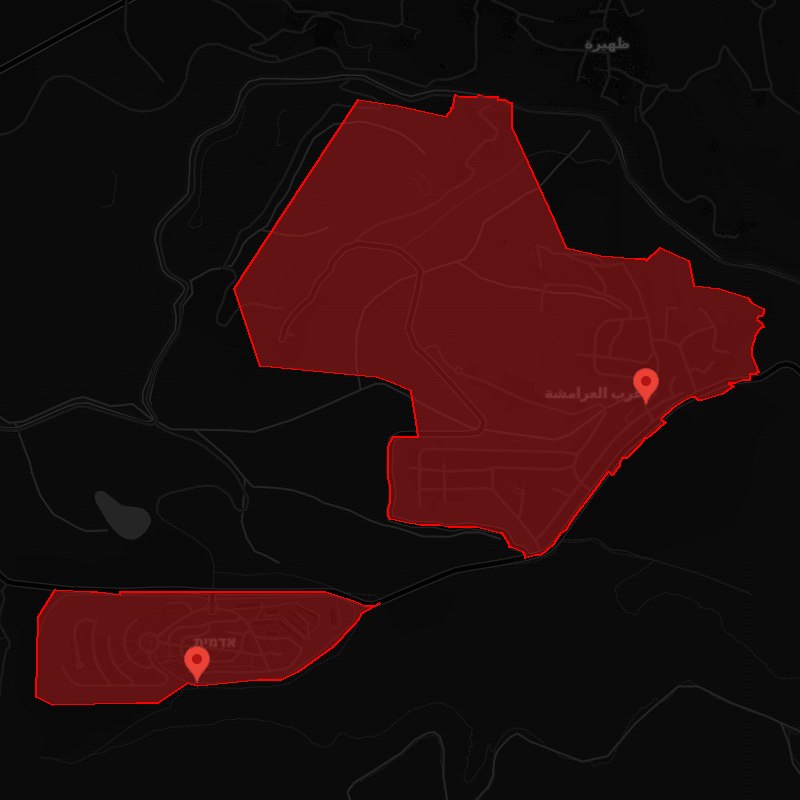
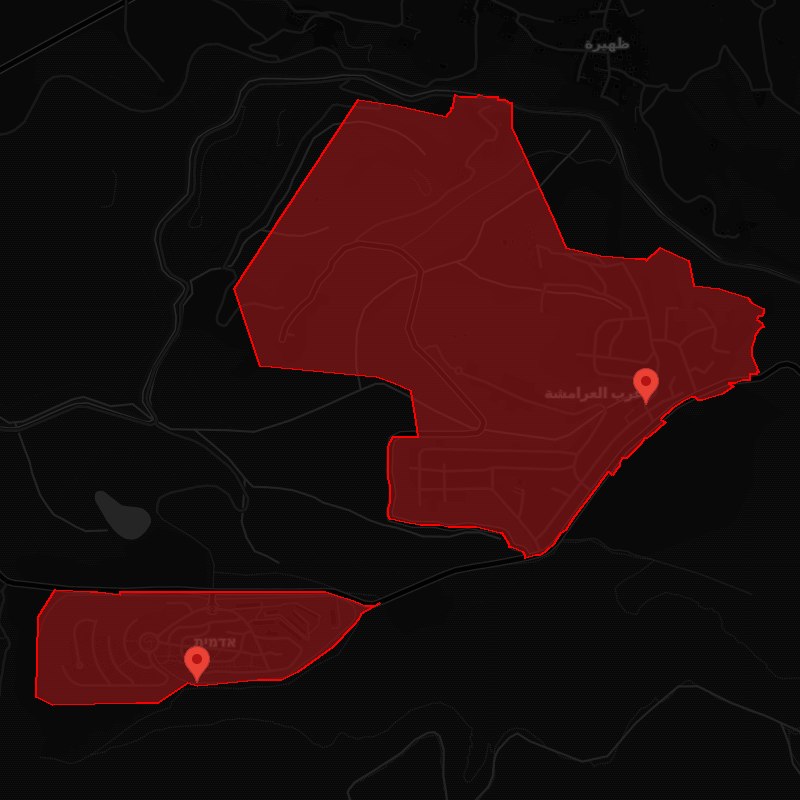
Simultaneously, the civilian alert network RocketAlert issued two high‑severity rocket alerts for the Israeli localities of Idmit and Arab al‑Aramshe. The first alert was logged at 01:05 UTC (04:05 local time) and the second at 01:10 UTC (04:10 local time). Both alerts were accompanied by photographic media but did not specify the origin of the rockets. The alerts were classified as “Red” by the platform, indicating a direct threat to the populated areas.
Rocket/Missile alert 2026-05-04 04:05:08: Confrontation Line: Idmit, Arab al‑Aramshe
Rocket/Missile alert 2026-05-04 04:10:29: Confrontation Line: Idmit, Arab al‑Aramshe
These alerts demonstrate the immediate impact of cross‑border fire on civilian populations in northern Israel, reinforcing the perception of heightened risk for residents in the border zone.
Ground Operations and Tactical Shifts
Hezbollah’s claim of eleven operations against Israeli troops suggests a coordinated ground effort that may include ambushes, mortar fire, and limited incursions. While the specific nature of each operation was not detailed, the cumulative effect contributes to a deteriorating security environment along the Blue Line, the United Nations‑demarcated border.
Israeli forces have responded with increased patrols and artillery fire, though the exact scale of these retaliatory measures was not disclosed in the open‑source reports. The pattern of reciprocal actions—rocket launches, airstrikes, and ground engagements—reflects a classic escalation ladder in low‑intensity conflict, where each side seeks to impose costs without triggering a full‑scale war.
Regional Security Implications
The convergence of aerial, rocket, and ground actions on May 4 raises several concerns for regional stability:
- Risk of broader confrontation: The simultaneous use of multiple weapon systems increases the probability of miscalculation, especially in densely populated border zones.
- Humanitarian impact: While casualty numbers remain unreported, the repeated alerts and strikes threaten civilian safety and could prompt internal displacement.
- International monitoring challenges: The reliance on open‑source channels such as RocketAlert, GeoPWatch, and monitor_the_situation highlights the difficulty of obtaining verified, real‑time data in contested environments.
Stakeholders, including the United Nations Interim Force in Lebanon (UNIFIL) and the United States, are likely to monitor the situation closely, given the potential for the conflict to spill over into neighboring Syria or to draw in other non‑state actors.
Source Attribution
All event details are drawn from publicly available Telegram channels:
- Rocket alerts: RocketAlert post 29916 and post 29917.
- Hezbollah ground operations: monitor_the_situation post 14492.
- Israeli airstrikes: monitor_the_situation post 14502.
- Hezbollah rocket launches: GeoPWatch post 32361.