On 3 May 2026, Russian forces escalated kinetic operations across Ukraine, beginning with a coordinated strike on Dnipro that involved four Iskander‑K cruise missiles. Three missiles impacted civilian and transport infrastructure, while Ukrainian air‑defence systems intercepted the fourth. The attack marks the most significant single‑event of the day and underscores the continued use of precision‑strike weapons against urban targets.
Iskander‑K Missile Strike on Dnipro
At 12:41 UTC, four Russian Iskander‑K cruise missiles were launched toward Dnipro, a major industrial hub in central Ukraine. Three missiles struck multiple sites, including the city’s railway station and adjacent commercial districts, causing structural damage but no confirmed casualties. Ukrainian air‑defence units engaged the salvo, successfully neutralising one missile before impact. The incident was documented by the monitoring channel monitor_the_situation and accompanied by video evidence.
Source: monitor_the_situation, https://t.me/monitor_the_situation/14403
Massive Overnight Drone and Ballistic Missile Assault
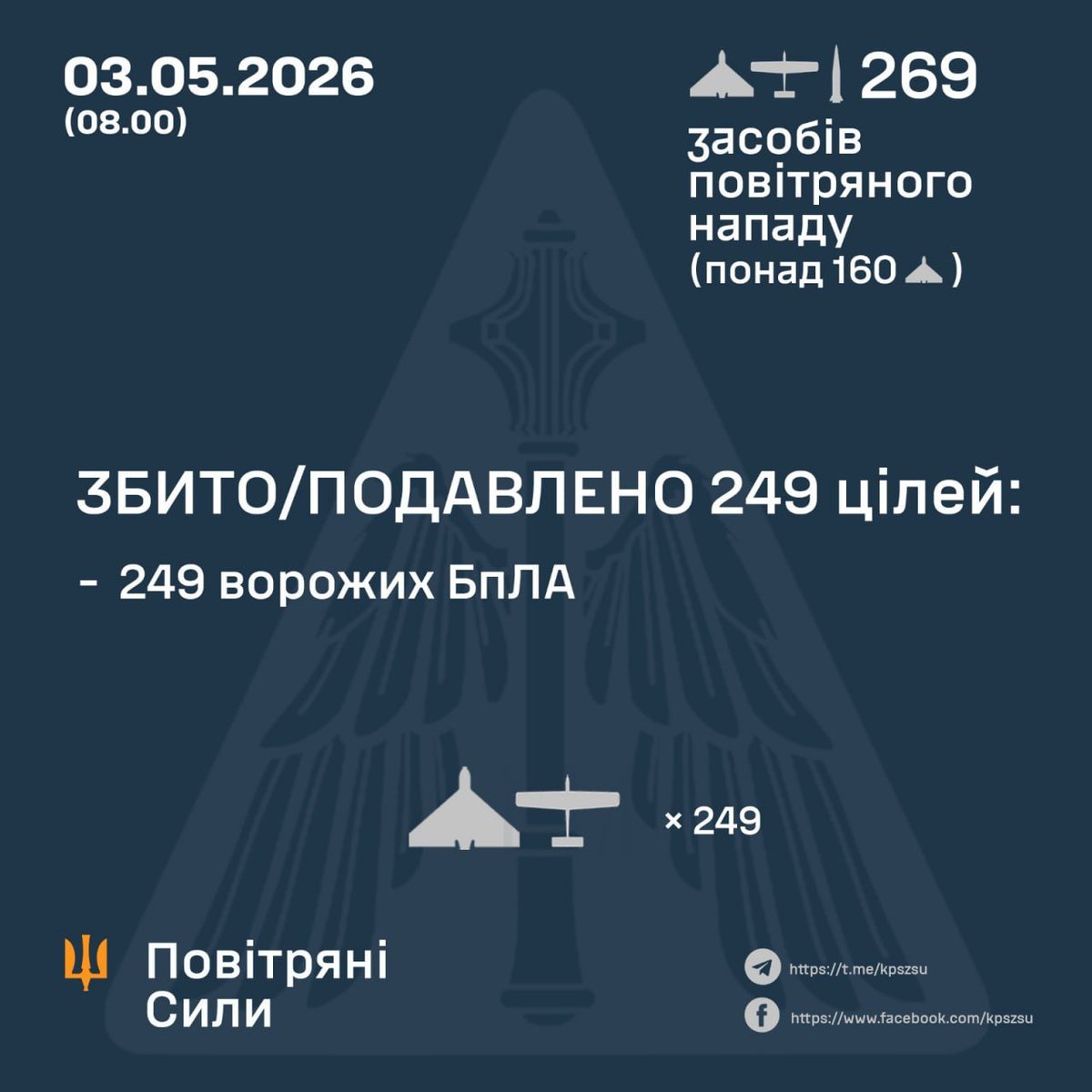
Earlier in the day, at 07:40 UTC, Russia executed a large‑scale aerial attack involving 268 unmanned aerial systems (UAS) and a single Iskander‑M ballistic missile. The drone swarm comprised over 160 Shahed‑type loitering munitions, targeting fifteen locations across the country, including critical infrastructure in Kyiv, Kharkiv and the southern front. Ukrainian air‑defence forces reported shooting down or suppressing 249 drones, while nineteen UAVs and the ballistic missile reached their targets, inflicting limited material damage and no reported fatalities. The operation demonstrates Russia’s reliance on high‑volume UAV attacks to overwhelm defensive networks.
Source: monitor_the_situation, https://t.me/monitor_the_situation/14383
Artillery Shelling of Civilian Areas in Donetsk Oblast
Concurrent with the aerial campaign, Russian artillery units conducted overnight shelling of civilian populated zones in Donetsk Oblast. The bombardment, described as “terrorising civilians,” employed conventional tube artillery without reported precision guidance. No casualty figures were released, but local reports indicate widespread property damage and displacement. The shelling aligns with a pattern of indirect fire aimed at pressuring civilian morale in contested regions.
Source: monitor_the_situation, https://t.me/monitor_the_situation/14380
Ukrainian Drone Operations
Ukrainian forces employed a range of drone assets in both offensive and defensive roles throughout the day.
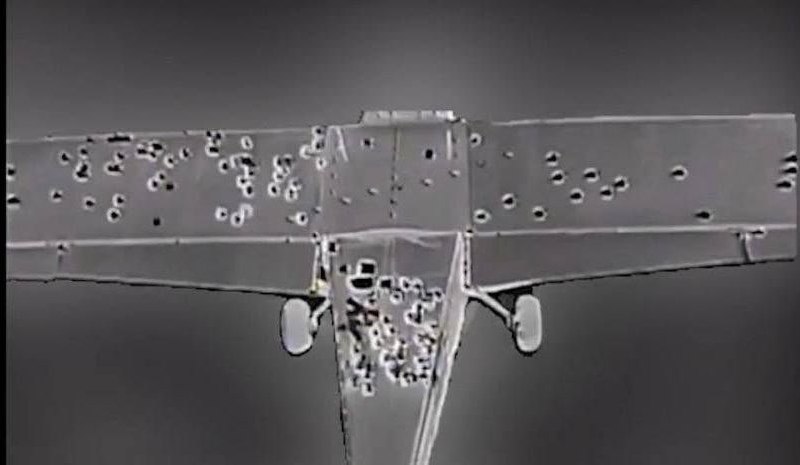
E‑300 strike drone resilience: At 15:56 UTC, a Ukrainian‑operated E‑300 strike drone survived multiple hits from Russian anti‑aircraft artillery in Donetsk Oblast and continued its mission, as captured by Russian interceptor‑drone footage. The incident highlights the durability of Ukrainian UAV platforms under heavy fire.
Source: monitor_the_situation, https://t.me/monitor_the_situation/14431
Phoenix unit strike near Toretsk: At 15:37 UTC, border‑guard drone pilots from the Phoenix unit destroyed Russian Smerch and Grad multiple‑launch rocket systems (MLRS) and eliminated ten Russian troops in a truck convoy near Toretsk. Additional strikes hit Russian infantry and logistics nodes along the Dobropillia‑Toretsk‑Lyman‑Huliaipole axis, demonstrating coordinated drone‑guided kinetic attacks against high‑value targets.
Source: monitor_the_situation, https://t.me/monitor_the_situation/14426
Electronic warfare (EW) station neutralisation: Earlier, at 07:37 UTC, Ukrainian drones destroyed a Russian EW station in Donetsk Oblast, disrupting Russian command‑and‑control capabilities in the sector.
Source: monitor_the_situation, https://t.me/monitor_the_situation/14379
Air‑defence asset strikes: Ukrainian UAVs also targeted Russian air‑defence installations across occupied Donetsk, Zaporizhzhia and Luhansk regions, hitting a Pantsir‑S1 system, a Tor missile system, two P‑18 radars and six air‑space control complexes. The same sortie struck a telecom centre in Mariupol and the Russian port of Primorsk, indicating a broader strategic intent to degrade Russian integrated air‑defence networks.
Source: monitor_the_situation, https://t.me/monitor_the_situation/14384
Airstrike Activity
Ukrainian Air Force assets conducted several air operations on 3 May. At 07:56 UTC, two Su‑25 attack aircraft launched unguided rockets against Russian positions in Donetsk Oblast, delivering direct fire on entrenched units. Later, at 07:37 UTC, Ukrainian forces carried out airstrikes south of Zaporizhzhia Oblast, targeting Russian logistical hubs and forward‑deployed troops. While specific damage assessments remain pending, the sorties reflect Ukraine’s continued use of close‑air support to contest Russian footholds along the front.
Source: monitor_the_situation, https://t.me/monitor_the_situation/14386
Drone Attack on Zaporizhzhia Nuclear Facility
At 13:03 UTC, a drone struck the External Radiation Control Laboratory adjacent to the Zaporizhzhia Nuclear Power Plant. The International Atomic Energy Agency (IAEA) was notified, but no injuries were reported and the extent of damage to the laboratory remains unclear. The incident raises concerns about the vulnerability of nuclear‑related infrastructure to UAV attacks.
Source: monitor_the_situation, https://t.me/monitor_the_situation/14404
Collectively, the events of 3 May illustrate a multi‑domain escalation by Russian forces, combining high‑precision cruise missiles, massed loitering munitions and artillery fire, while Ukrainian defenders responded with layered air‑defence, drone‑guided strikes and tactical air support. The day’s kinetic actions did not produce large‑scale casualty reports, but the concentration of advanced weaponry in urban and frontline environments signals a sustained intensity in the conflict.