On 3 May 2026, a series of kinetic events unfolded across several theaters, ranging from rocket alerts in Israel to unmanned aerial vehicle (UAV) strikes on Russian oil infrastructure and naval engagements in the Baltic Sea and the Indo‑Pacific. The most immediate threat was a rocket alert issued for the Manara confrontation line in Israel at 14:49 local time, followed by a similar alert for the Avivim line at 07:00. Both alerts were disseminated by RocketAlert via its Telegram channel (source and source), indicating heightened vigilance along Israel’s northern front.
Rocket Alerts Over Israel
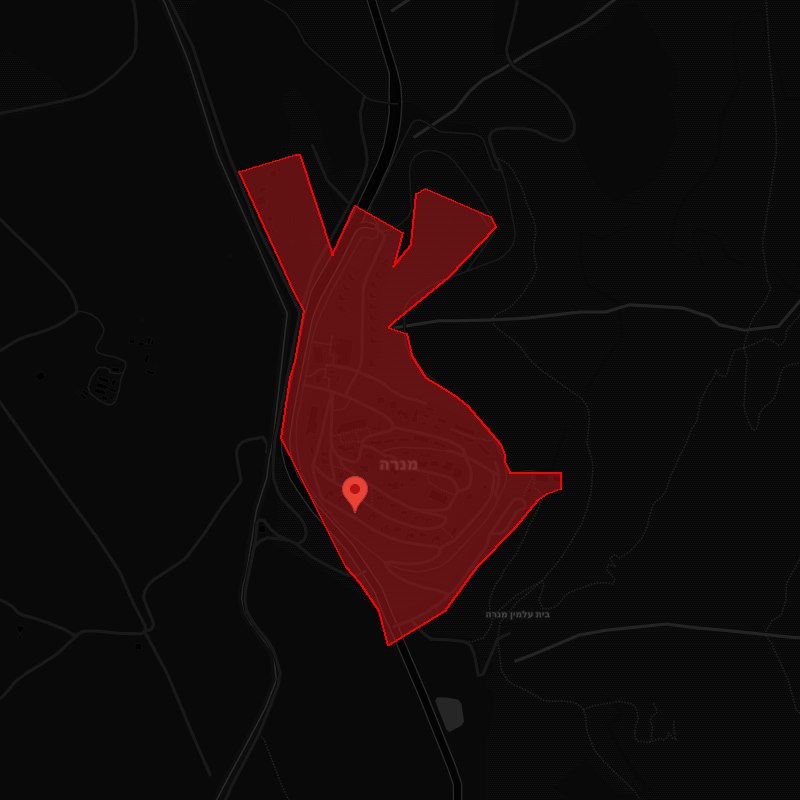
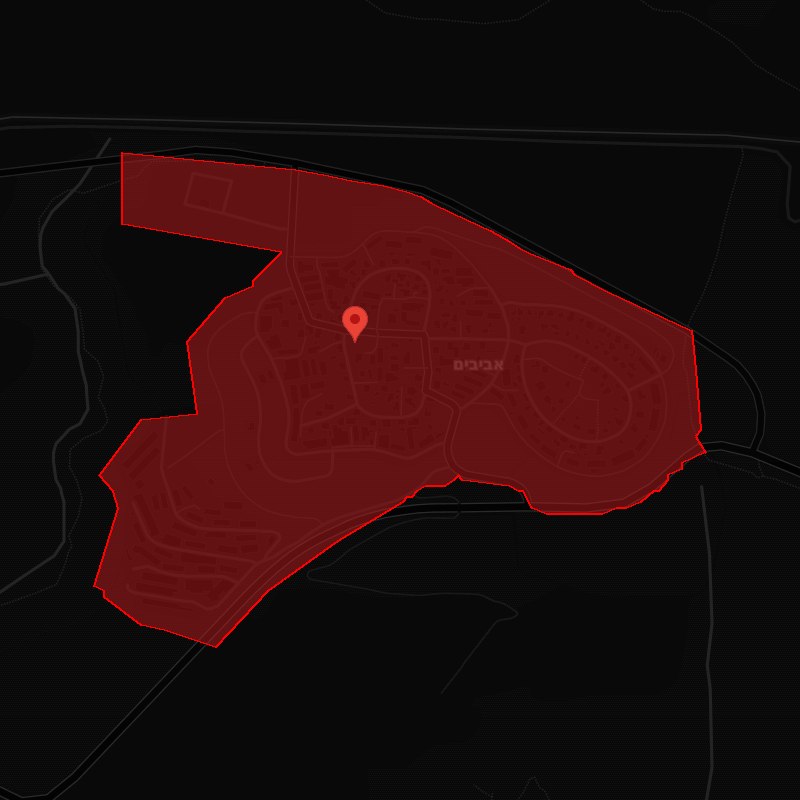
At 14:49:14 UTC, RocketAlert reported a rocket/missile alert for the Manara confrontation line. The notification included a single photograph but no confirmed launch, casualties, or weapon type, and listed Israel as the affected country. A second alert was posted at 07:00:07 UTC for the Avivim line, similarly lacking details on the originating weapon system or any reported damage. Both alerts were classified as high severity by the monitoring platform, reflecting the potential for rapid escalation despite the absence of confirmed impact.
"Rocket/Missile alert 2026-05-03 17:49:13: Confrontation Line: Manara" – RocketAlert
"Rocket/Missile alert 2026-05-03 10:00:05: Confrontation Line: Avivim" – RocketAlert
While no casualties were reported, the alerts underscore persistent volatility along Israel’s northern border, where artillery and rocket fire have been recurrent in recent months.
UAV Strikes on Russian Oil Facilities
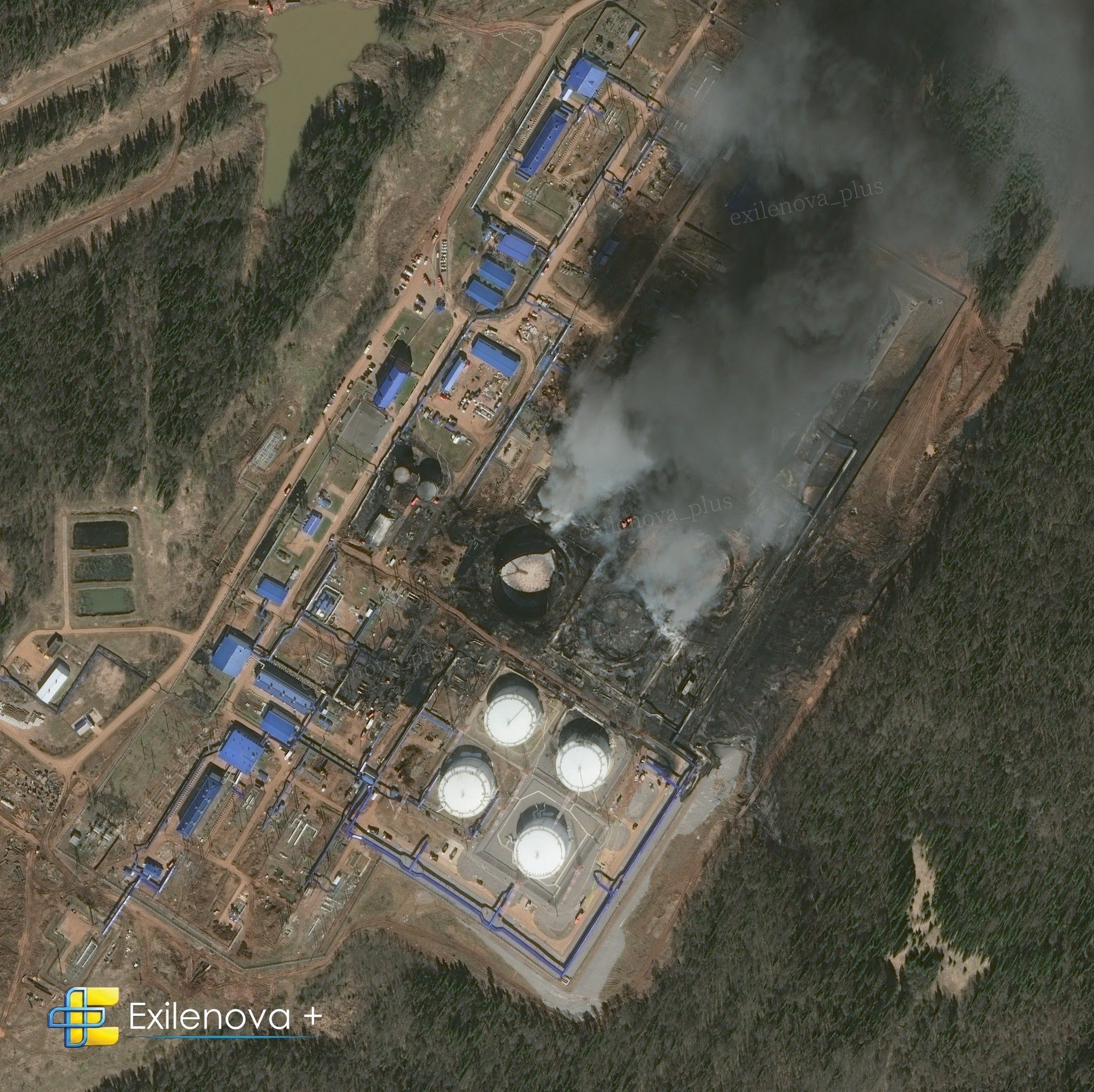
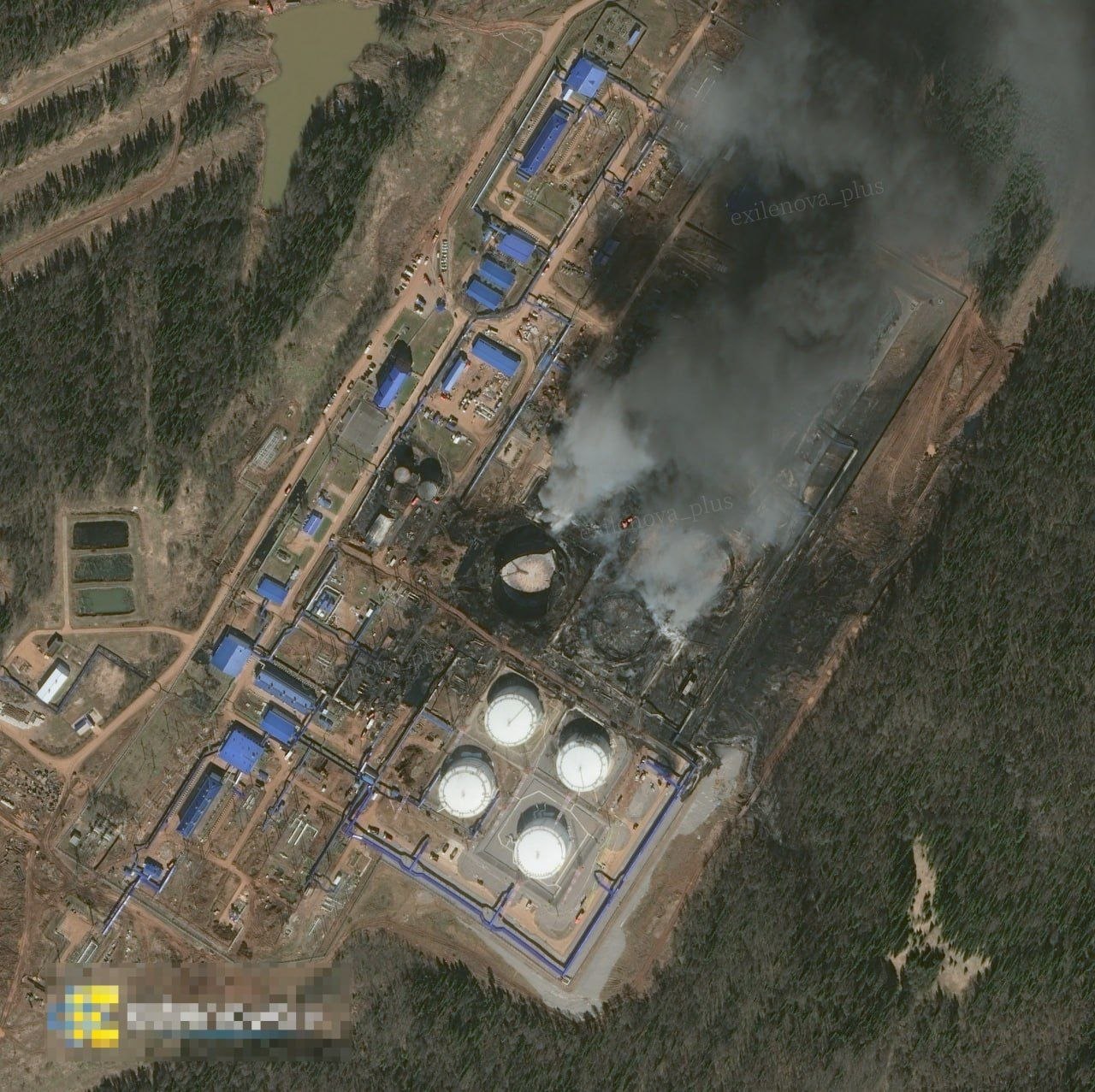
In the early afternoon, Ukrainian‑affiliated UAV operations targeted the LPDS (Lukoil Perm Diesel Station) pumping complex in Perm, Russia. Two separate reports from the intelligence outlet intelslava documented the attacks. The first, at 14:25:12 UTC, described drone‑kamikaze strikes that destroyed multiple 50,000 m³ oil tanks and damaged critical process pipes, effectively halting operations at the facility (source). A follow‑up report at 15:58:27 UTC detailed an FPV (first‑person view) drone striking a boat carrying Ukrainian soldiers, indicating the broader use of low‑cost UAVs in the conflict (source).
The Perm attacks were also covered by the CIG_telegram channel, which noted that Ukrainian security forces had raided the LPDS pumping station, destroying all tanks—each holding roughly 314,000 barrels of oil or oil products—and igniting extensive pipe fires (source). No casualty figures were released, and the reports did not attribute the operation to a specific Ukrainian military unit, though the involvement of the Ukrainian Security Service was cited.
Naval Engagements in the Baltic and Indo‑Pacific
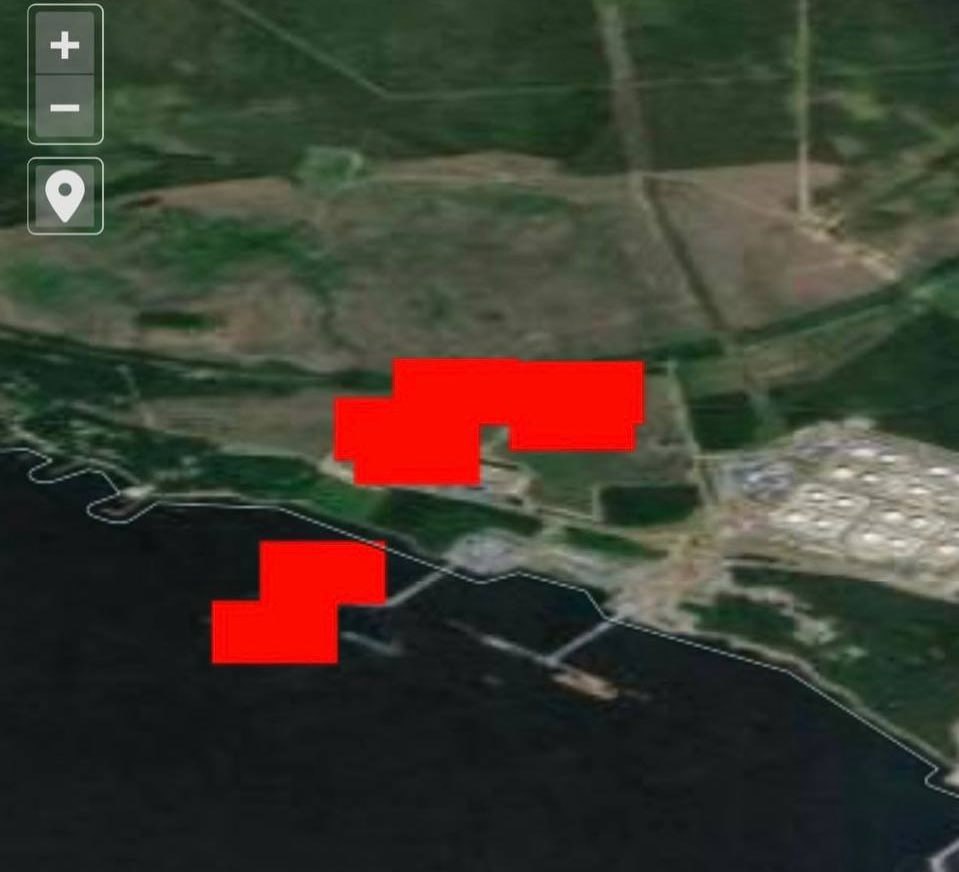
At 14:19:55 UTC, the CIG_telegram channel relayed a statement from Ukrainian President Volodymyr Zelensky announcing successful strikes on multiple Russian maritime assets at Primorsk Port on the Baltic Sea. The claimed targets included a Karakurt‑class missile corvette, a patrol boat, a tanker belonging to Russia’s “shadow oil fleet,” and associated port infrastructure (source). No independent verification of damage or casualties was provided, and the report did not specify the weapons employed.
In a separate maritime incident, a National Iranian Tanker Company (NITC) Very Large Crude Carrier (VLCC) carrying approximately 1.9 million barrels of oil evaded a U.S. Navy blockade and entered the Lombok Strait, Indonesia, on 9:06:37 UTC. The vessel had previously traversed Pakistan’s exclusive economic zone before moving into the Far East. The CIG_telegram channel reported the evasion without indicating any hostile engagement or loss of life (source).
Drone Interception Over Conflict Zones
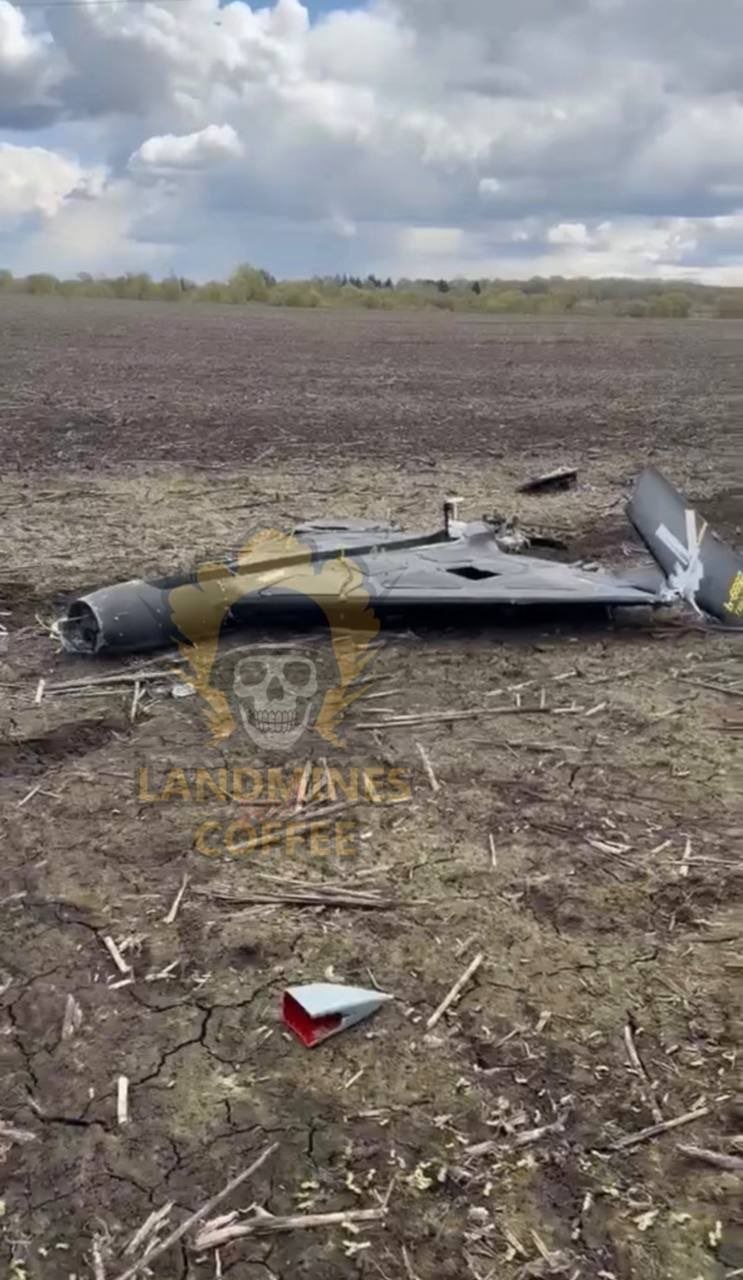
At 13:09:16 UTC, intelslava posted images of a Geran‑2 drone equipped with an R‑60 air‑to‑air missile that was intercepted, leaving wreckage on the ground. The incident highlights ongoing aerial contestation between Russian and Ukrainian forces, though the specific location and operational context were not disclosed (source).
Assessment of Kinetic Activity
The events of 3 May illustrate a multi‑domain pattern of kinetic activity: surface‑to‑air alerts in Israel, UAV‑driven sabotage of Russian energy assets, naval strikes in the Baltic, and strategic oil tanker movements in the Indo‑Pacific. While casualty data remain limited, the destruction of high‑capacity oil storage at Perm represents a material loss for Russia’s energy sector, potentially affecting regional fuel supplies. The Ukrainian claims of naval hits at Primorsk, if substantiated, would mark a notable expansion of Ukraine’s maritime strike capability into the Baltic theater.
Overall, the incidents underscore the continued use of low‑cost, high‑impact weapons—such as FPV drones and kamikaze UAVs—by state and non‑state actors to achieve strategic effects without large‑scale conventional forces. Monitoring of these kinetic events remains essential for assessing escalation risk and the broader impact on regional stability.