On 3 May 2026, Hezbollah announced that "several thousand" of its fighters have been killed since March 2026 during Israeli military operations in southern Lebanon. The estimate, cited by three sources including two Hezbollah officials and reported by monitor_the_situation, underscores the severe attrition faced by the Lebanese militia as Israel intensifies its campaign against Hezbollah positions.
Hezbollah estimates several thousand fighters killed since March 2026 amid ongoing Israeli military operations in southern Lebanon, according to three sources including two Hezbollah officials cited by Reuters.
Humanitarian Toll and Civilian Destruction
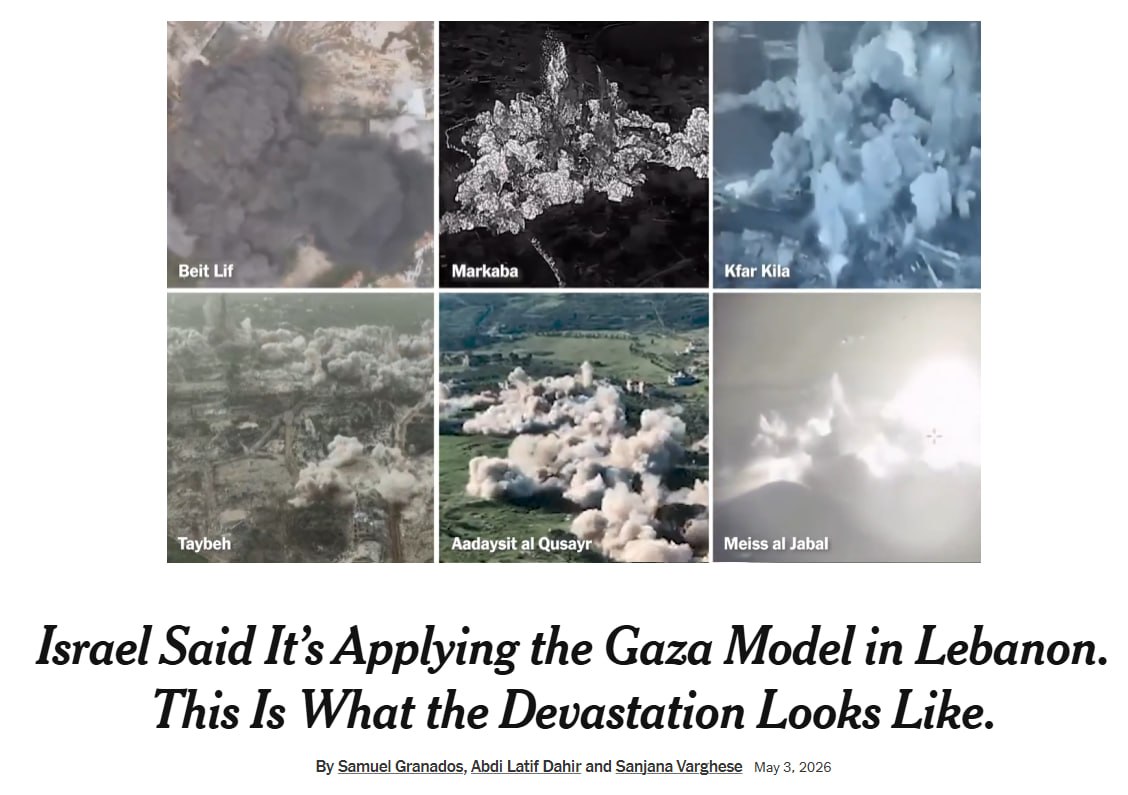
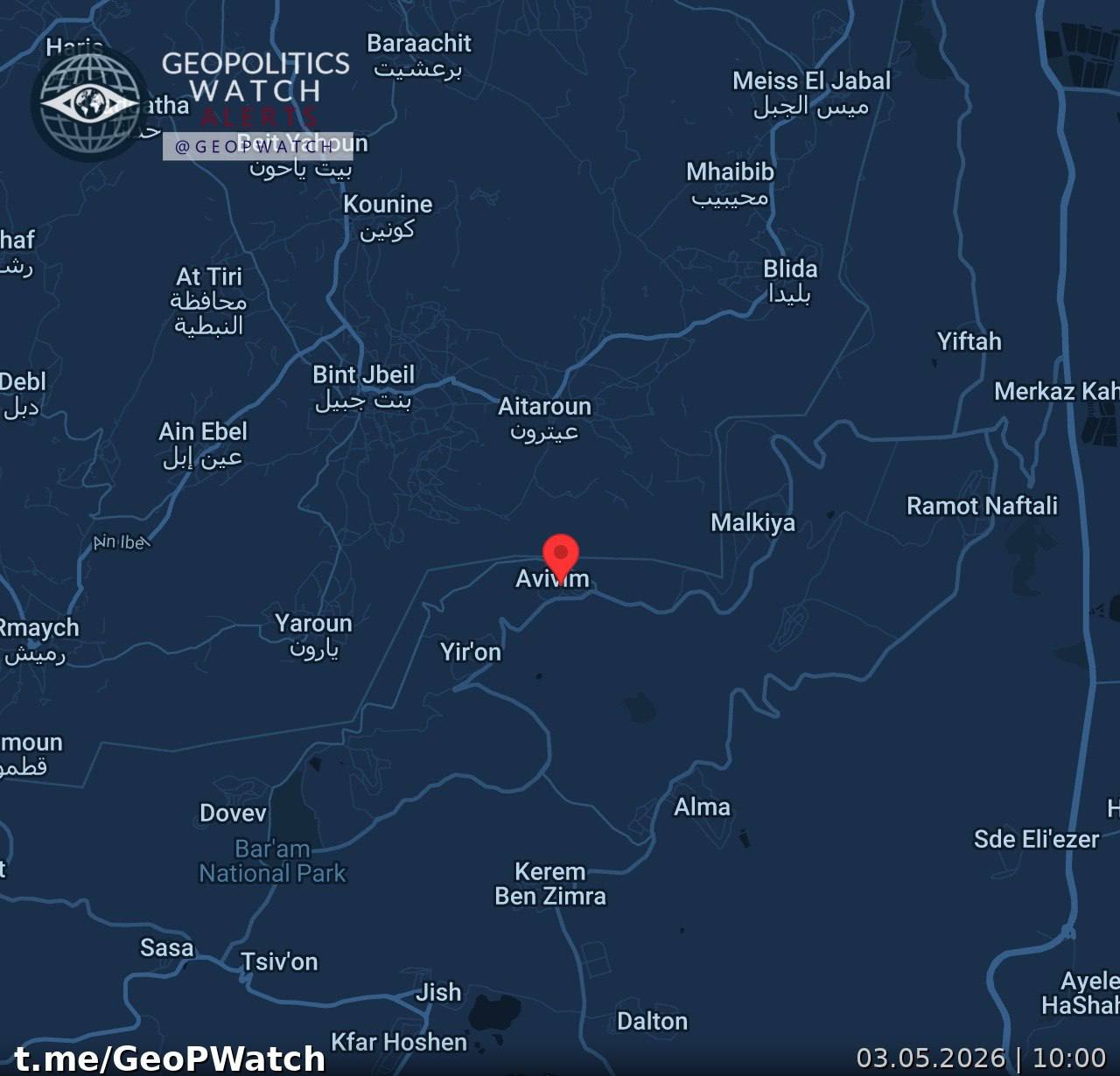
Concurrent with the mounting combat losses, the civilian population has suffered catastrophic losses. A report from CIG_telegram documented that Israeli operations have killed over 2,600 civilians and displaced more than one million residents in southern Lebanon, with satellite imagery confirming the destruction of dozens of villages, including the border town of Bint Jbeil. The New York Times, referenced in the same source, described the campaign as employing a "Gaza model" of widespread demolition of homes, schools, hospitals, and utilities.
🇮🇱❌🇱🇧 — Israel is carrying out widespread destruction in southern Lebanon, leveling border towns such as Bint Jbeil, under the so‑called “Gaza model,” NYT writes.
Targeting of Health Infrastructure
Health services have become a focal point of the conflict. According to monitor_the_situation, the Israeli Defense Forces (IDF) have systematically targeted and destroyed health facilities throughout southern Lebanon, further exacerbating civilian hardship. Video evidence shared by the channel shows multiple airstrikes on hospitals and clinics, compounding the strain on an already overwhelmed medical system. The Lebanese Ministry of Public Health, cited by intelslava, reported a cumulative death toll of 2,679 and 8,229 wounded from Israeli attacks across Lebanon since 2 March 2026.
Escalation of Drone and Rocket Warfare
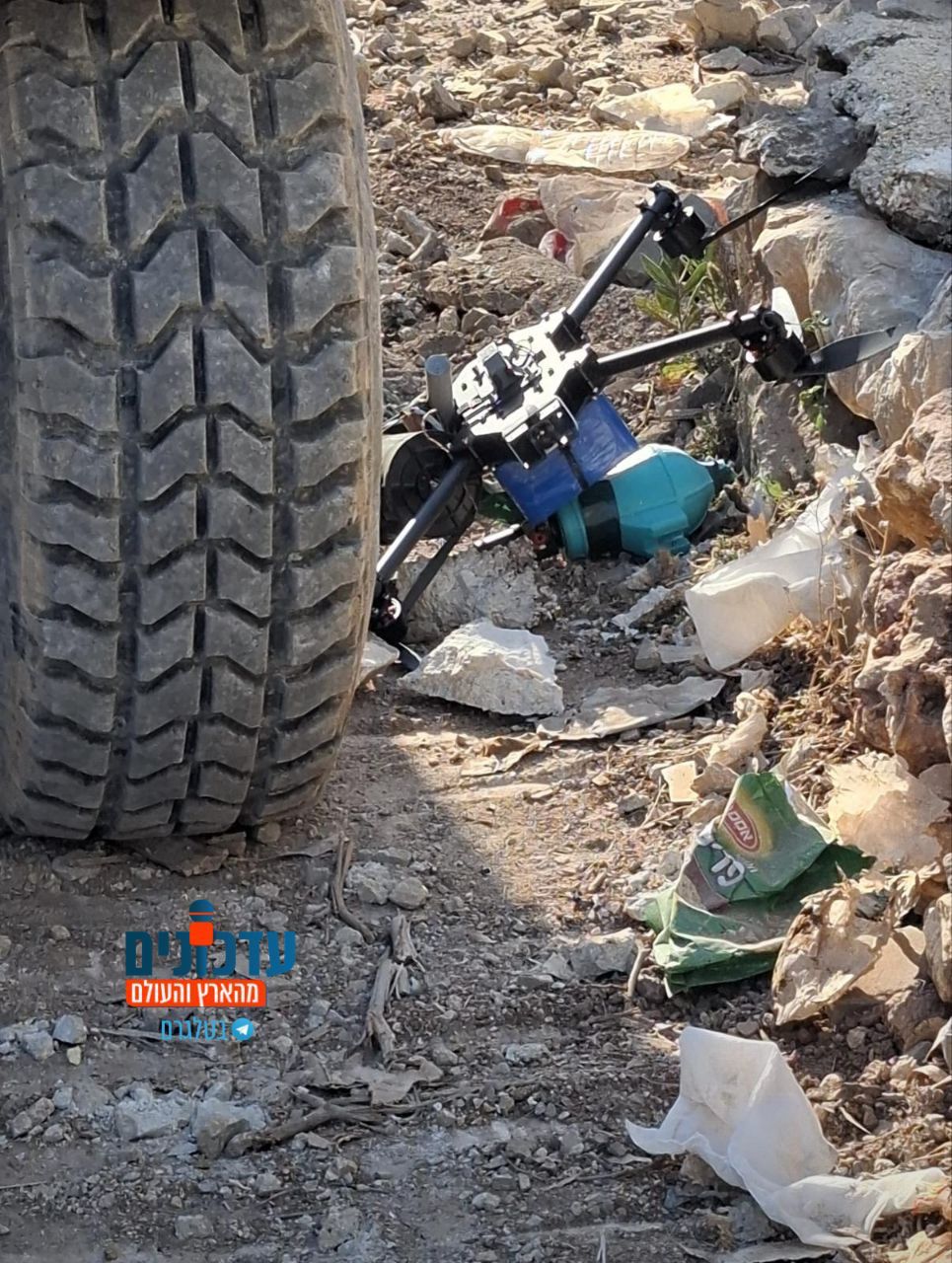
Hezbollah’s tactical response has increasingly relied on unmanned aerial systems and rocket artillery. Throughout 3 May, several FPV (first‑person view) drone strikes were documented. Notably, Hezbollah released footage of an FPV drone hitting the rear side skirt of an Israeli Merkava IV(M) tank in Qantara on 28 April, and another video showed a drone striking a Namer armored personnel carrier in Bent Jbeil on the same day. Additional drone attacks targeted an IDF surveillance post and a command APC in Bayada, while swarms of kamikaze drones were employed against infantry gatherings in Naqoura.
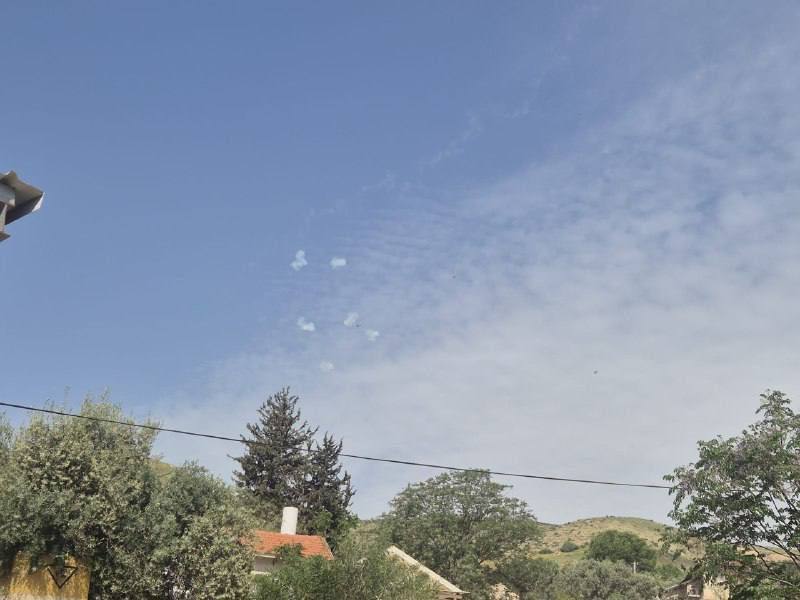
⚡️🇱🇧🇱🇧❌🇮🇱 - Hezbollah announced targeting IDF Infantry gatherings using swarms of Kamikaze drones in southern Lebanon's 'Naqoura' in 2 waves.Rocket artillery was also employed extensively. Hezbollah claimed launches against IDF command posts and infantry/armory gatherings in Bayada, Houla, and Bayada again, with some rockets intercepted by Israeli air defenses. An Israeli Air Force (IAF) bombing of Arab Salim on 3 May killed two civilians and injured additional persons, illustrating the reciprocal kinetic exchange.
Airstrikes and Ground Engagements
The IAF conducted multiple airstrikes across southern Lebanon on 3 May, targeting alleged Hezbollah weapons caches. Reports from JPost confirmed the discovery of rockets, Kalashnikov rifles, and sniper rifles in the aftermath of these strikes. Simultaneously, Israeli ground forces engaged in cross‑border fire, as evidenced by the attack on Nabatieh District that resulted in one civilian death and three injuries. Hezbollah’s air defenses also engaged Israeli aircraft, launching surface‑to‑air missiles over the same region.
Analysis of Conflict Dynamics
The convergence of high‑intensity kinetic actions—airstrikes, artillery, drone warfare, and rocket fire—has transformed southern Lebanon into a densely contested battlefield. The reported loss of several thousand Hezbollah fighters indicates a severe depletion of the group’s manpower, potentially affecting its operational capacity. However, the escalation in drone and rocket attacks suggests a strategic shift toward asymmetric tactics designed to offset conventional disadvantages. The systematic targeting of health facilities and the extensive civilian casualties raise significant humanitarian concerns, with the Lebanese health system approaching collapse under the weight of mass casualties and infrastructure loss.
Outlook
Given the current trajectory, the conflict is likely to remain high‑intensity in the short term. Continued Israeli air and artillery operations, combined with Hezbollah’s reliance on drones and rockets, will sustain a cycle of retaliation. International monitoring bodies and humanitarian agencies are urged to verify casualty figures, document infrastructure damage, and facilitate access to medical aid to mitigate the growing humanitarian crisis.