On 2 May 2026, Ukraine experienced a surge of kinetic engagements spanning aerial, missile and ground domains. The intensity of operations reflected coordinated Russian drone offensives, Ukrainian retaliatory airstrikes, and continued territorial contests along the frontlines. The following analysis draws on verified reports from multiple open‑source channels.
Massive Russian drone swarm over the Donbas
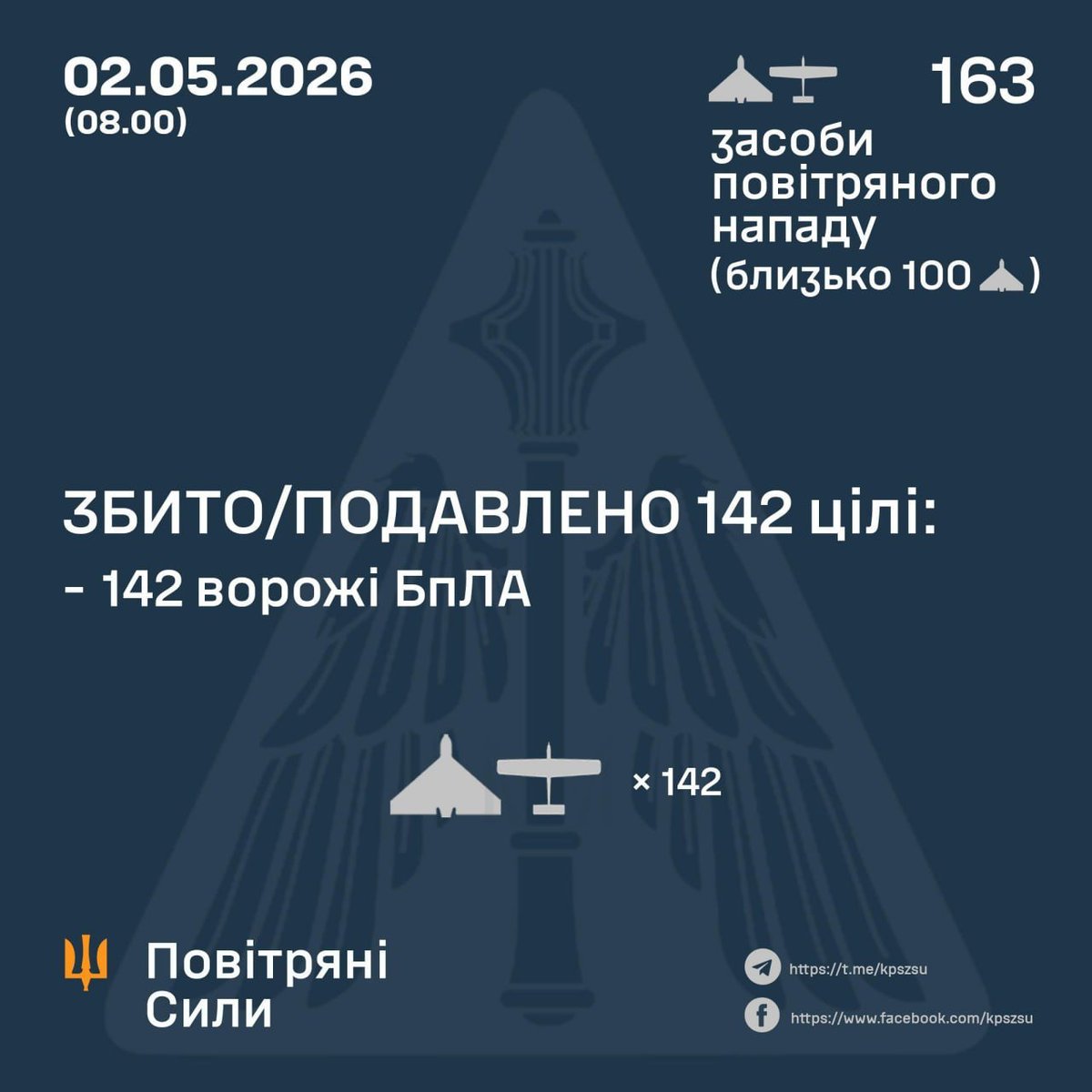
At 17:03:31 UTC, Russian forces launched a swarm of at least 230 unmanned aerial systems targeting Ukrainian positions in the Donbas region. The payload comprised Geran‑2, Geran‑3, Gerbera and V2U drones, representing a mixed mix of combat and decoy platforms. According to monitor_the_situation, the drones were deployed across a broad front, seeking to overwhelm Ukrainian air‑defence assets. No immediate casualty figures were released, and Ukrainian forces reported limited successful interceptions.
"Russia Launches 230 Drones at Ukraine in Donbas" – monitor_the_situation, 2026‑05‑02T17:03:31
The scale of the sortie underscores Russia’s reliance on low‑cost UAVs to impose attrition on Ukraine’s air‑defence network, a tactic observed in previous weeks.
Ukrainian airstrike on Stepnohirsk high‑rise buildings
At 08:46:51 UTC, the Ukrainian Air Force conducted a precision strike on high‑rise structures in Stepnohirsk, Zaporizhzhia Oblast. The buildings were identified as Russian troop strongpoints on the frontline axis. Video evidence shared by monitor_the_situation shows aircraft‑borne munitions impacting the targets, with no civilian casualties reported.
"Ukrainian Air Force bombed Russian‑held high‑rise buildings in Stepnohirsk" – monitor_the_situation, 2026‑05‑02T08:46:51
The operation demonstrates Ukraine’s capability to project air power deep into contested zones, disrupting Russian command‑and‑control nodes.
Neptune cruise missile launch toward occupied Crimea
At 17:45:09 UTC, Ukrainian forces fired a Neptune cruise missile from the port city of Ochakiv in Mykolaiv Oblast, directing it toward targets within Russian‑occupied Crimea. The launch, reported by monitor_the_situation, reflects Ukraine’s strategic use of long‑range precision weapons to strike high‑value assets across the Black Sea corridor.
"Ukrainian forces launched a Neptune cruise missile from Ochakiv toward targets in Russian‑occupied Crimea" – monitor_the_situation, 2026‑05‑02T17:45:09
While impact assessments remain pending, the missile’s trajectory illustrates Kyiv’s intent to maintain pressure on Crimea’s military infrastructure.
Russian drone attacks on Ukrainian infrastructure
Throughout the day, Russian UAVs targeted a series of civilian and industrial sites:
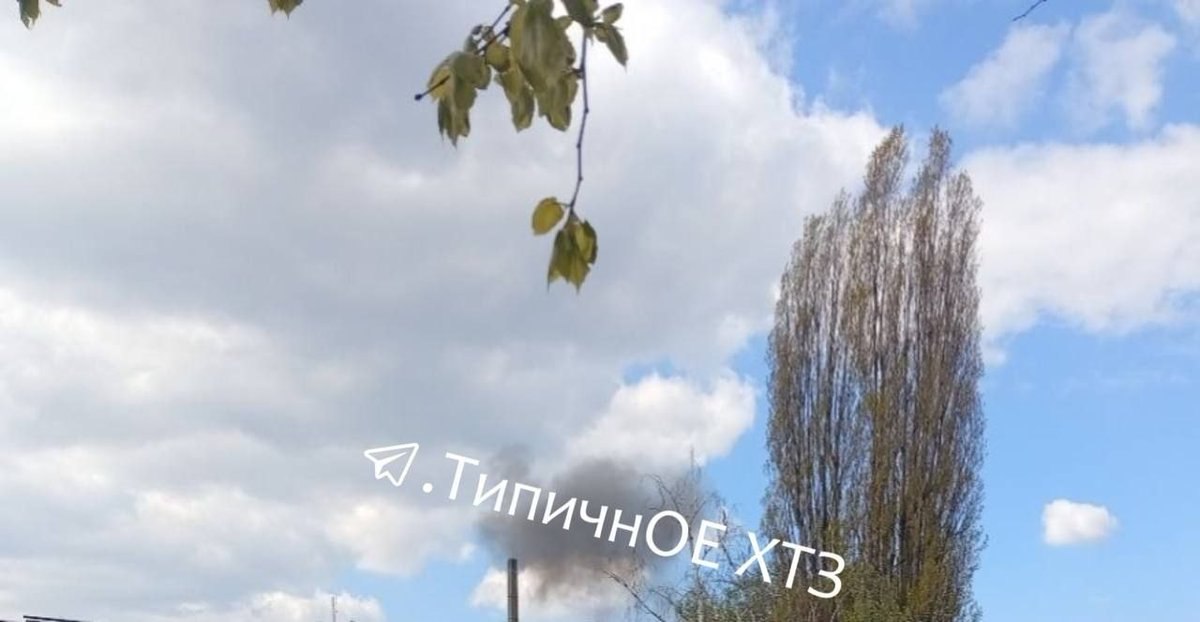
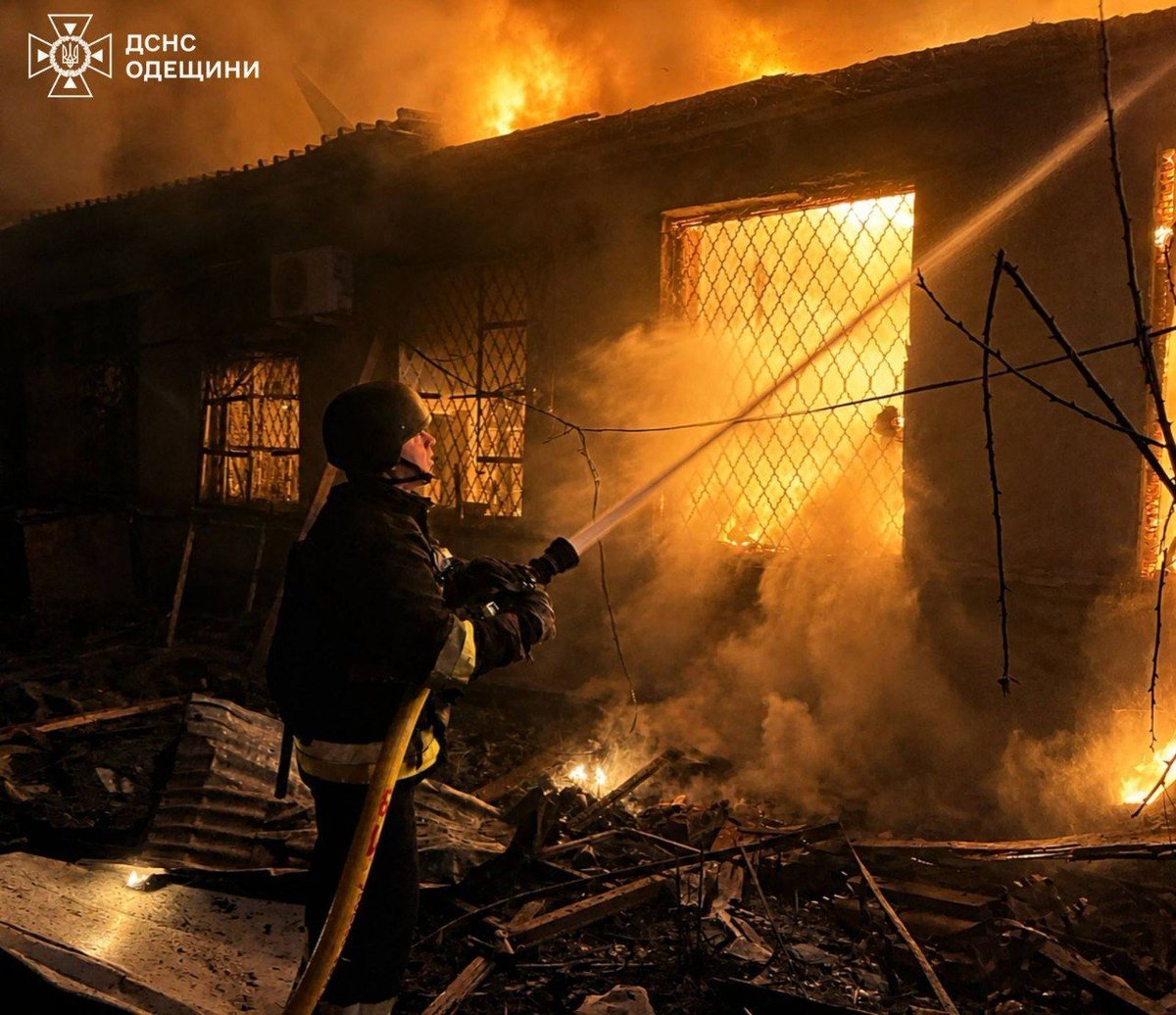
- Izmail, Odesa Oblast – At least 24 Geran‑2 drones struck industrial buildings, igniting large fires (monitor_the_situation, 07:56:09).
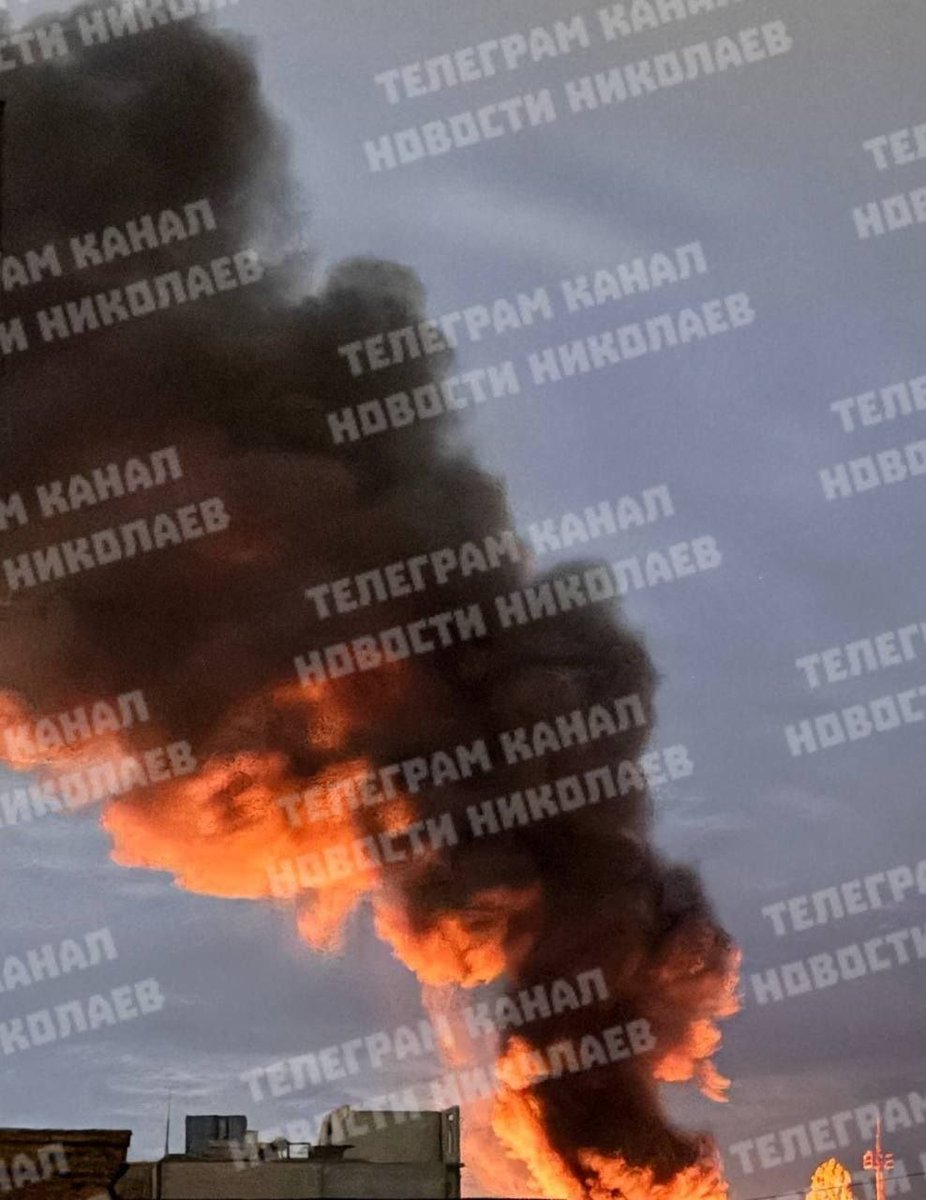
- Mykolaiv City – Geran‑2/3 drones caused multiple explosions and a major fire (07:47:43).
- Kryvyi Rih, Dnipropetrovsk Oblast – A Geran‑2 drone hit a locomotive; separate Geran‑3 drones produced explosions near the city centre (12:46:09 and 08:01:11).
- Petropavlivka substation, Dnipropetrovsk Oblast – A Geran‑2 drone struck a 110 kV substation, generating a large fire (07:39:02).
- Kharkiv, Sumy and Poltava oblasts – A coordinated wave of at least 50 Geran‑2/Gerbera drones, supplemented by V2U units, hit gas stations and other civilian structures (12:42:42).
These attacks, while primarily aimed at degrading energy and transport networks, have resulted in secondary civilian hazards, including fires and potential power outages.
Ground combat developments
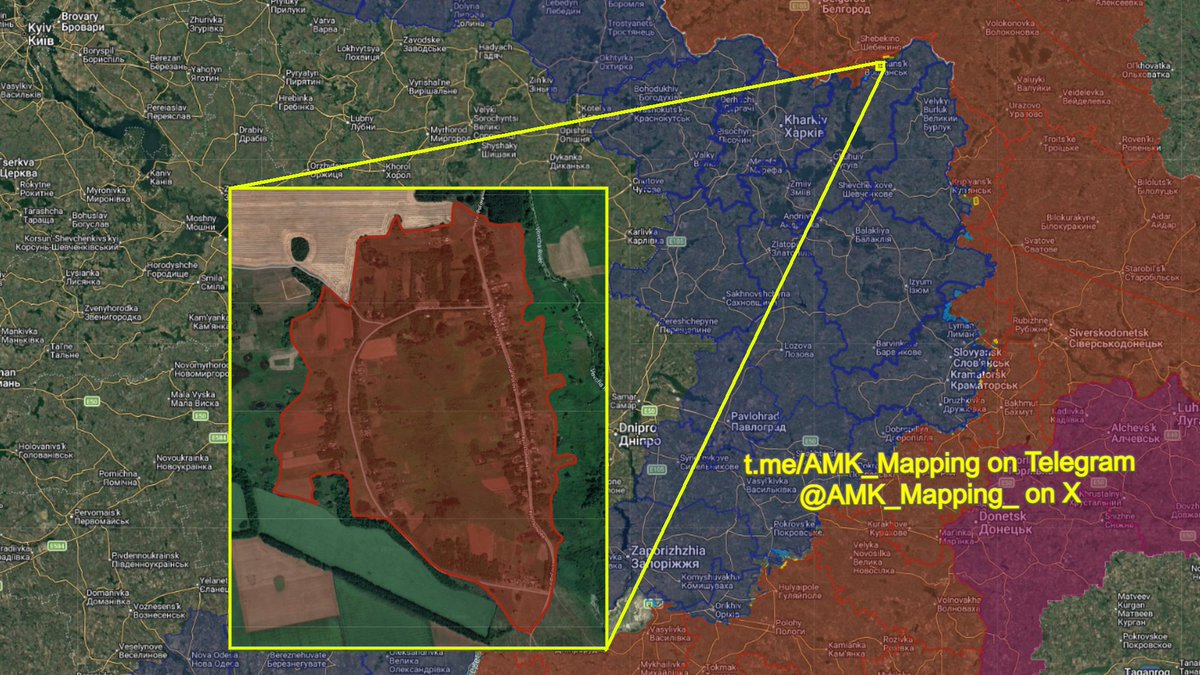
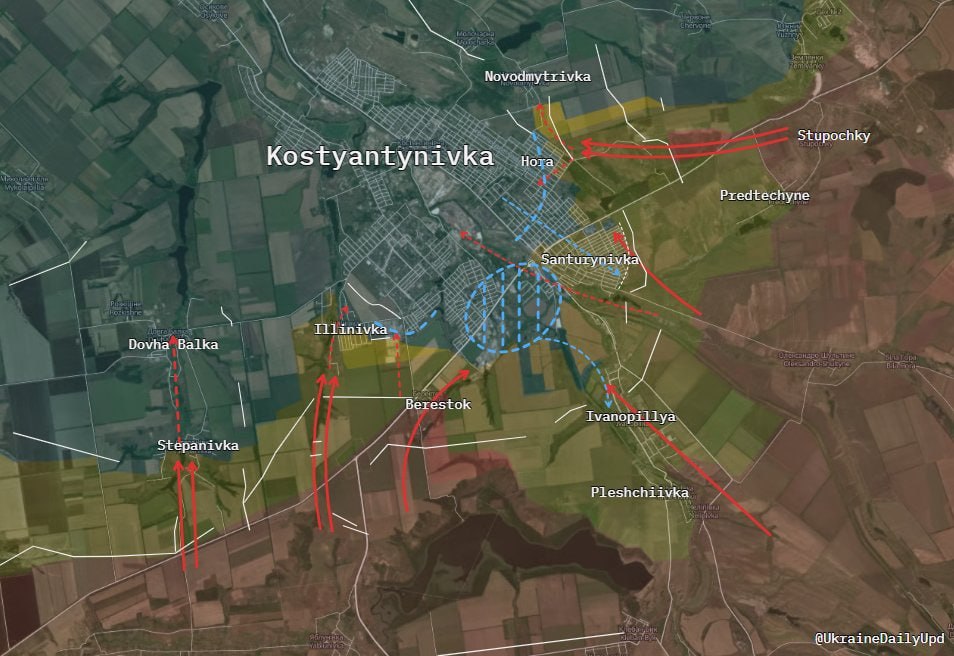
Russian forces solidified control over several villages around Konstantinovka, consolidating positions in Berestok, Stepanovka and Illinovka, as reported by CIG_telegram (10:19:16). Simultaneously, Russian troops captured the village of Pokolyane in Kharkiv Oblast after eight days of fighting (monitor_the_situation, 14:05:37). These advances reflect incremental territorial gains on the eastern front, despite Ukrainian counter‑operations.
"Russian Forces Capture Pokolyane Village in Kharkiv Oblast, Ukraine" – monitor_the_situation, 2026‑05‑02T14:05:37
Ukrainian forces, in turn, executed a targeted ground operation against Chechen Kadyrovite fighters in the Donbas (08:36:04), indicating ongoing efforts to disrupt allied paramilitary units.
Civilian casualties in Sumy Oblast
Humanitarian monitoring identified strikes on civilian infrastructure in Sumy Oblast that resulted in two civilian deaths and 68 injuries, including one injury from a UAV attack (monitor_the_situation, 09:31:47). The incident underscores the persistent risk to non‑combatants amid intensified aerial activity.
"Strikes on civilian infrastructure killed two civilians and injured 68, including one injury from a UAV attack in Ukraine's Sumy region" – monitor_the_situation, 2026‑05‑02T09:31:47
While the responsible party was not explicitly identified, the timing aligns with broader patterns of UAV‑mediated strikes across the region.
Ukrainian deep‑strike logistics interdiction
At 09:42:33 UTC, Ukrainian forces conducted deep strikes on rear‑area logistics routes in Zaporizhzhia Oblast, destroying a UAZ van and a convoy of trucks transporting supplies (monitor_the_situation, 09:42:33). These operations, executed 65–100 km behind frontlines, demonstrate Kyiv’s capacity to disrupt Russian supply chains far from the immediate combat zone.
"Ukrainian Deep Strikes Hit Russian Logistics in Zaporizhzhia Oblast" – monitor_the_situation, 2026‑05‑02T09:42:33
The strikes likely contributed to logistical strain on Russian forces operating in the southern theatre.
Analytical overview
The events of 2 May 2026 reveal a multi‑dimensional escalation in Ukraine’s kinetic environment. Russian reliance on large UAV swarms aims to saturate Ukrainian air‑defences, while Ukraine counters with precision airstrikes, long‑range missile launches, and targeted ground actions. Infrastructure attacks have intensified, affecting energy, transport and industrial assets, and civilian harm remains a tragic by‑product of the heightened aerial campaign. Ground‑level advances by Russian forces in the east, juxtaposed with Ukrainian interdiction of logistics, suggest a contest of attrition rather than decisive breakthroughs.