The most consequential development on 2 May 2026 was the Ukrainian military’s systematic escalation of long‑range unmanned aerial vehicle (UAV) operations against the Russian Federation. According to GeoPWatch, Ukraine has shifted from nocturnal strikes to a continuous, all‑hours deployment of large UAV swarms across border regions, a pattern expected to persist through Russia’s Victory Day Parade on 9 May. The sustained pressure is overloading Russian radar and air‑defence assets, particularly in sparsely populated sectors where coverage is limited.
"Ukraine has begun significantly ramping up its long‑range UAV attacks on Russia and has switched to launching them at all hours, rather than just overnight. The drones are moving in large groups through border regions, with Russian radars struggling to detect them all. This is also overloading their air defence, which is limited in less populated areas due to the prioritisation of defending major" – GeoPWatch, 02 May 2026, https://t.me/GeoPWatch/32266
The operational shift reflects a strategic intent to maintain relentless pressure on Russian logistics and command nodes, exploiting the relative affordability and expendability of long‑range UAV platforms. While casualty figures remain unreported, the cumulative effect on Russian air‑defence readiness is evident from subsequent reports of successful strikes on high‑value assets.
Ukrainian Drones Target Russian Fighter Jets in Chelyabinsk
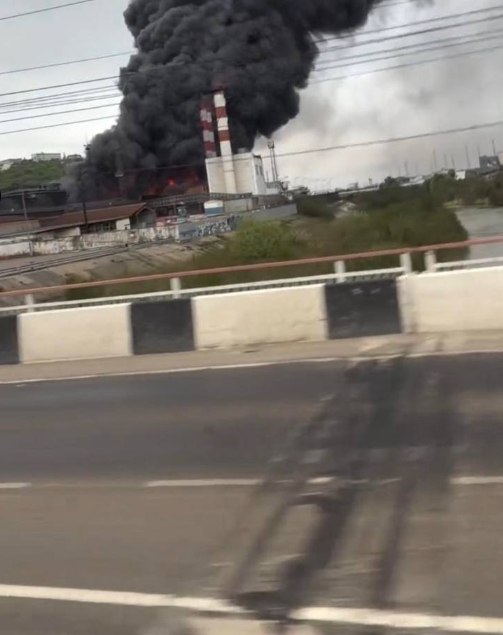
In a related kinetic event, monitor_the_situation documented a Ukrainian UAV strike that reportedly downed a Su‑34 and a Su‑57 fighter jet in Russia’s Chelyabinsk region. The incident underscores the expanding reach of Ukrainian UAV capabilities, now capable of engaging sophisticated air‑combat platforms deep within Russian territory.
"Ukrainian Drones Strike Su‑34 and Su‑57 Fighters in Chelyabinsk Region, Russia" – monitor_the_situation, 02 May 2026, https://t.me/monitor_the_situation/14229
Although the exact loss figures were not disclosed, the targeting of two of Russia’s most advanced combat aircraft signals a notable escalation in the conflict’s kinetic dimension. The use of drones for such high‑value strikes demonstrates both technical proficiency and a willingness to confront air‑defence systems directly.
Israeli FPV Drone Engagement in Lebanon
On the Levantine front, intelslava reported that Israeli military personnel employed a first‑person view (FPV) drone to target a motorcyclist in Lebanon. This incident marks a rare application of FPV technology in a combat context, highlighting the growing adoption of low‑cost, highly maneuverable platforms for targeted strikes.
"Another rare case of the use of an FPV drone by Israeli military personnel. The target was again a motorcyclist in Lebanon." – intelslava, 02 May 2026, https://t.me/intelslava/87346
The engagement, while limited in scale, illustrates the diffusion of drone technology across state actors and the potential for rapid, precise attacks in contested border zones.
Militant Seizure of Amachach Camp in Mali
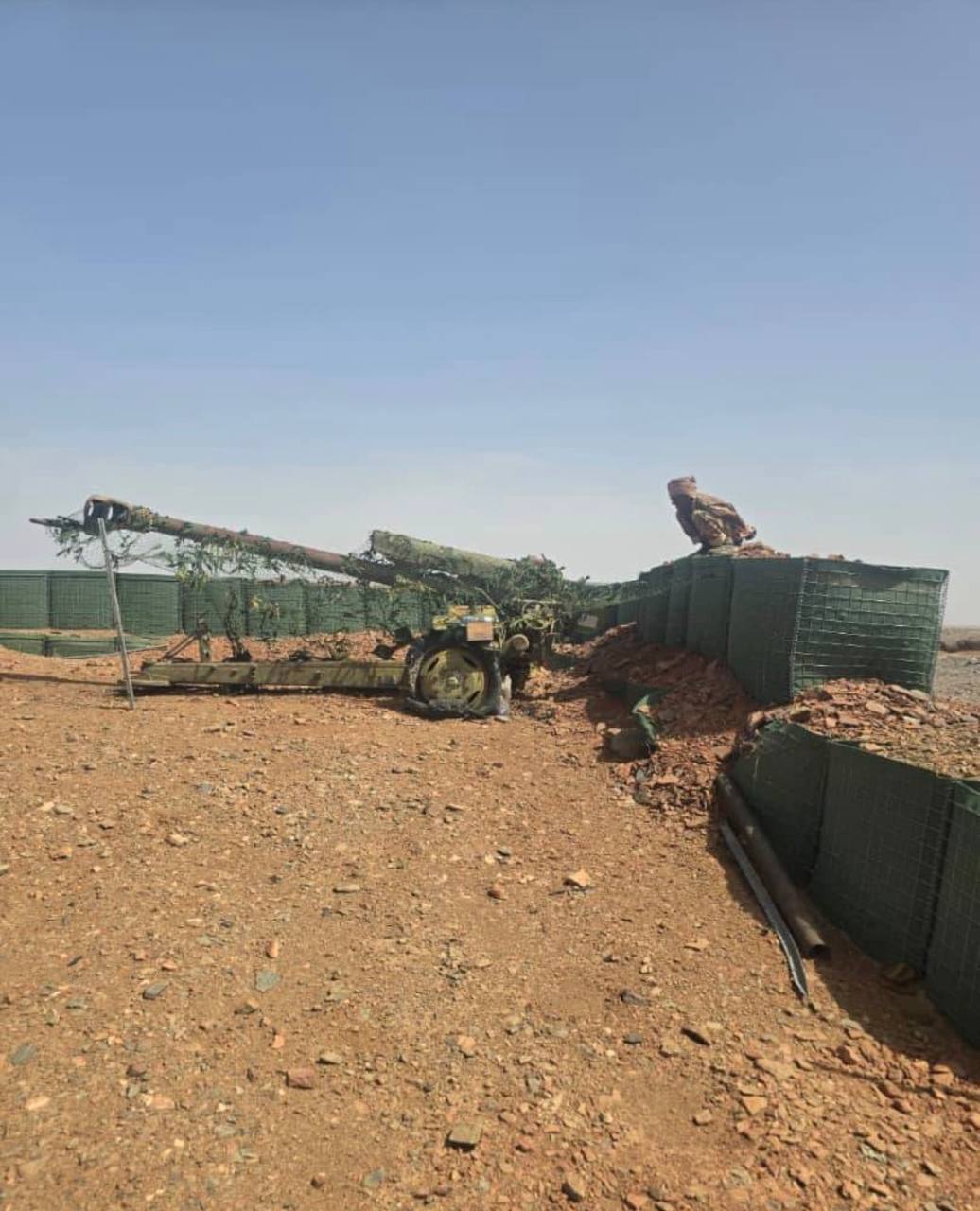
In West Africa, GeoPWatch confirmed that militants affiliated with the Front for the Liberation of Azawad (FLA) and Jamaâ Nusrat al‑Islam wal‑Muslimin (JNIM) seized the Amachach camp near Tessalit in the Kidal region after the Malian Armed Forces (FAMa) withdrew. The takeover occurred without reported casualties, but it reflects the fluid security environment in northern Mali, where government forces are increasingly ceding ground to insurgent groups.
"Following the withdrawal of the Malian Armed Forces (FAMa), FLA/JNIM militants entered the Amachach camp in the town Tessalit, the Kidal region. The occupation of the facility occurred shortly after government forces vacated the position." – GeoPWatch, 02 May 2026, https://t.me/GeoPWatch/32252
The incident underscores the strategic importance of remote outposts in the Sahel and the capacity of non‑state actors to exploit gaps in state security deployments.
U.S. Troop Reductions in Germany Linked to Iran Conflict
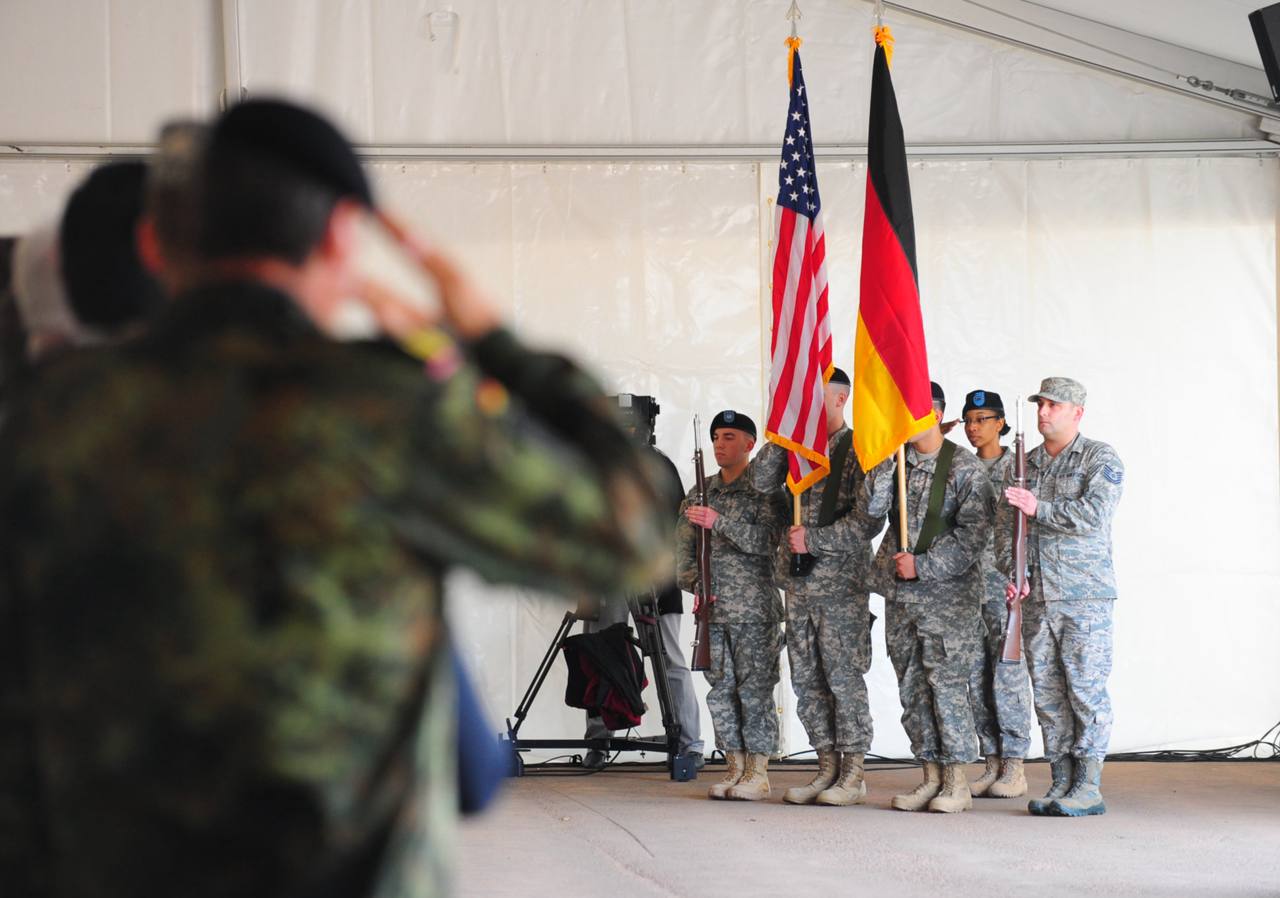
Two separate reports from BellumActaNews and intelslava detailed a coordinated U.S. decision to withdraw 5,000 troops from Germany. BellumActaNews linked the move to President Trump’s dissatisfaction with NATO’s support for the ongoing war against Iran, while intelslava cited a Reuters source confirming the withdrawal schedule.
"The Pentagon plans to withdraw 5,000 American troops from Germany. The withdrawal is linked to President Trump's dissatisfaction with the level of NATO support in the war against Iran." – BellumActaNews, 02 May 2026, https://t.me/BellumActaNews/172041
"The US will begin withdrawing 5,000 military personnel from Germany, Reuters reports." – intelslava, 02 May 2026, https://t.me/intelslava/87343
While the troop drawdown does not involve direct kinetic action, it reflects shifting strategic priorities that may influence future operational postures in the Middle East and Europe.
Additional UAV Alerts
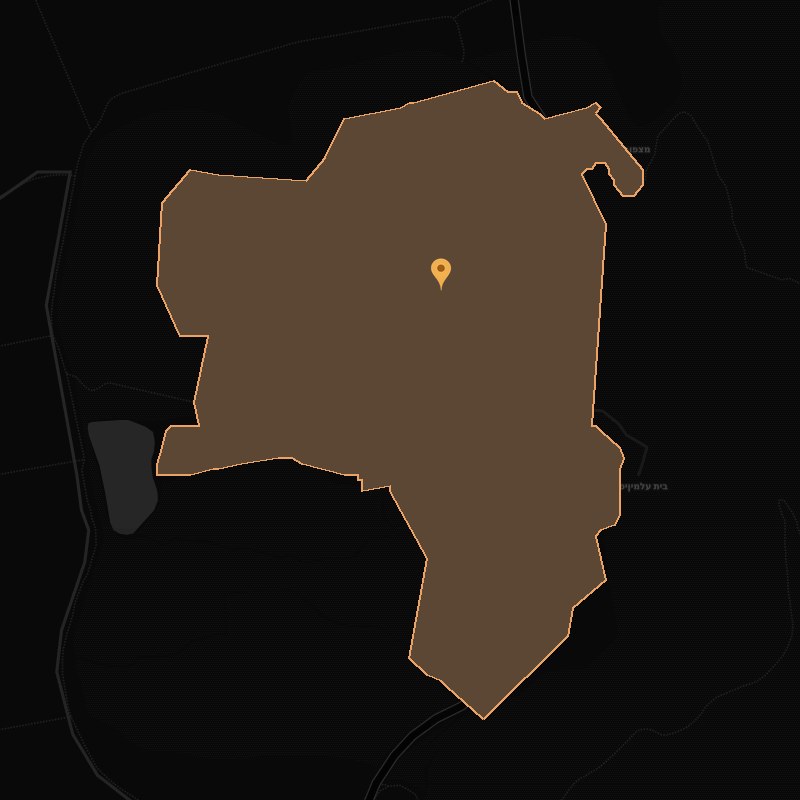
RocketAlert issued a hostile UAV alert for the Iftach confrontation line at 19:12:50 UTC, though no weapons or organizations were identified. The alert, posted on RocketAlert.live, included a single photograph but lacked further operational detail.
"Hostile UAV alert 2026-05-02 19:12:50: Confrontation Line: Iftach" – RocketAlert, 02 May 2026, https://t.me/RocketAlert/29905
Although the event’s impact remains unclear, it adds to the broader pattern of heightened UAV activity across multiple regions on the same day.
Collectively, these incidents illustrate a multi‑theater environment where unmanned systems are increasingly central to kinetic operations, state actors are adjusting force postures in response to geopolitical pressures, and non‑state groups continue to exploit security vacuums. The convergence of these dynamics suggests a continued trajectory toward more frequent, technology‑driven engagements in the coming weeks.