On 1 May 2026, the Iranian Merchant Mariners Syndicate reported that more than 40 Iranian seafarers were killed when United States and Israeli forces targeted Iran's ports and commercial fleet. The claim, published by Al Jazeera, marks the deadliest single maritime casualty of the ongoing US‑Israeli‑Iran confrontation and underscores the expanding kinetic dimension of the conflict beyond land borders.
"Over 40 Iranian seafarers killed during US‑Israeli war: Union leader" – Al Jazeera, 1 May 2026, https://www.aljazeera.com/news/2026/5/1/more-than-40-iranian-seafarers-killed-during-us-israeli-war-union?traffic_source=rss
The Syndicate attributed the fatalities to coordinated strikes on Iranian port facilities and merchant vessels, though specific weapon systems were not disclosed. The incident follows a pattern of maritime pressure applied by the United States and Israel to disrupt Iran’s logistical capabilities in the Persian Gulf.
Ukrainian Long‑Range Strikes on Russian Air Assets
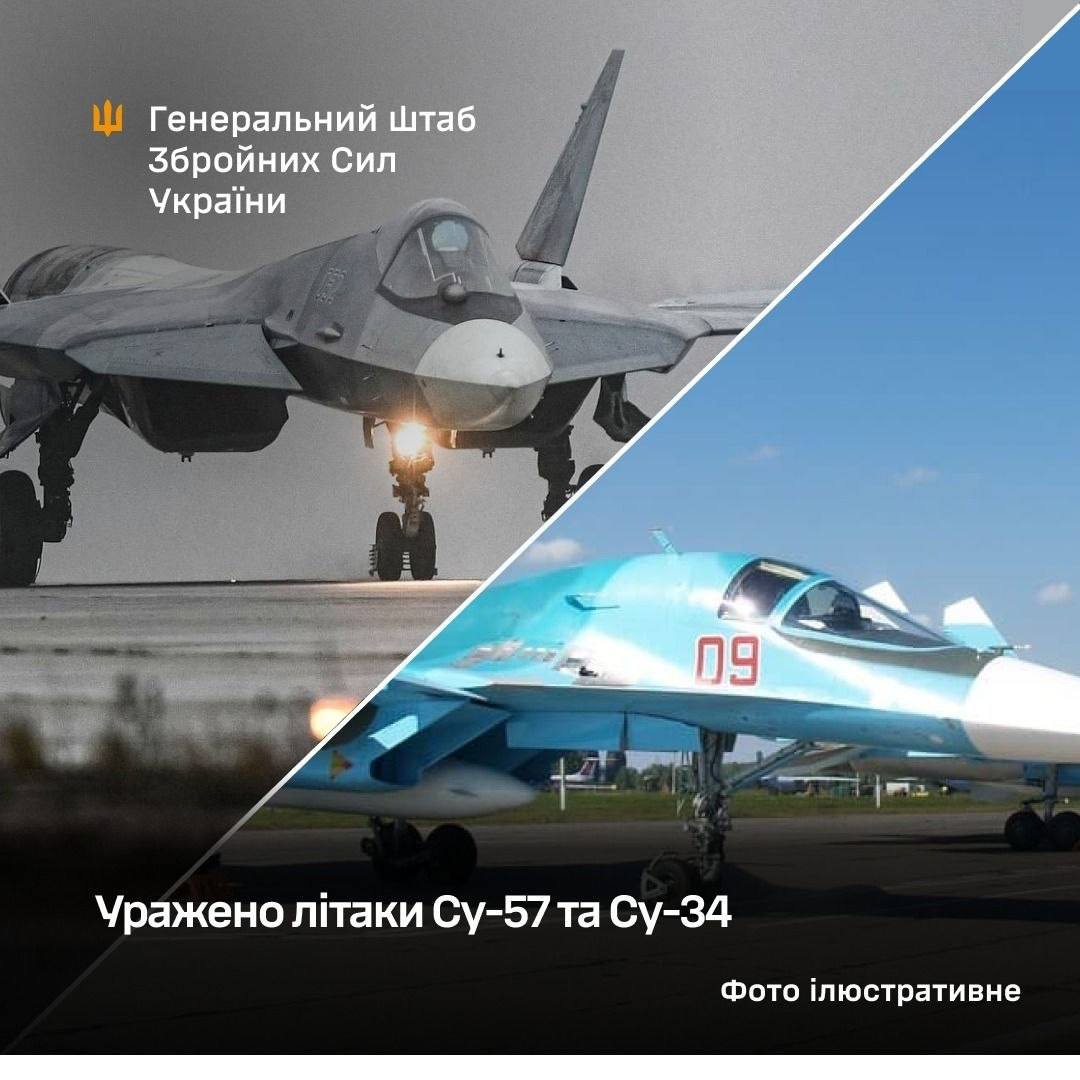
At 16:12 UTC, Ukrainian forces executed a long‑range missile strike on Shagol airfield in Russia’s Chelyabinsk region, damaging a Su‑57 stealth fighter and a Su‑34 bomber. The operation, reported by the Telegram channel monitor_the_situation and corroborated by the Ukrainian General Staff, covered a distance of approximately 1,700 km from the front line, demonstrating Ukraine’s expanding strike reach.
"Ukrainian forces damaged two Russian fighter jets at Shagol Airfield, Chelyabinsk" – monitor_the_situation, https://t.me/monitor_the_situation/14096
A separate drone‑based attack earlier in the day (12:12 UTC) also targeted the same airbase, with Ukrainian drones reportedly striking additional Su‑57 and Su‑34 aircraft. While casualty figures were not released, the damage to high‑value airframes represents a notable degradation of Russian air power in the Urals.
Hezbollah’s UAV and Artillery Campaign in Southern Lebanon
Hezbollah announced a coordinated series of attacks against Israeli forces in southern Lebanon on 1 May. At 09:30, artillery shelling was directed at an IDF infantry gathering in Houma. Later, at 13:25, an FPV (first‑person view) drone engaged an Israeli HMMWV in Taybeh, and at 14:42 the same drone type struck a Merkava main battle tank in Rchaf. The attacks were reported by the Telegram channel GeoPWatch and reflect Hezbollah’s increasing reliance on low‑cost UAVs to target armored and mechanized assets.
"Hezbollah announced targeting an IDF Infantry gathering using artillery shelling in southern Lebanon's 'Houma' at 09:30" – GeoPWatch, https://t.me/GeoPWatch/32186
No Israeli casualties were confirmed, but the incidents illustrate a shift toward precision‑guided, remotely operated weapons in the Israel‑Lebanon frontier.
Ukrainian Drone Operations Within Russian Territory
Beyond the Chelyabinsk strikes, Ukrainian drone units conducted multiple attacks across Russian territory on 1 May. At 06:07 UTC, drones hit the Permnefteorgsintez oil refinery in Perm Krai, expanding an existing fire and damaging the AVT‑4 processing unit and atmospheric rectification facilities. The operation, reported by monitor_the_situation, marks the second consecutive day of drone activity at the refinery.
"Ukrainian drones attacked the Permnefteorgsintez oil refinery for a second day, expanding the fire and damaging processing units" – monitor_the_situation, https://t.me/monitor_the_situation/13999
These attacks aim to degrade Russia’s energy infrastructure, a strategic target in Ukraine’s broader campaign to erode Russian war‑fighting capacity.
Rubicon Center Deploys FPV Drones for Remote Mining
At 09:08 UTC, the Russian‑aligned Rubicon Center disclosed the use of a parent drone to release FPV drones that subsequently mined Ukrainian logistical routes. The method, described in a post on the Telegram channel intelslava, indicates a novel application of swarm‑type UAVs for area denial and supply‑line disruption.
"The dropping of FPV drones from a parent drone in the rear of the Armed Forces of Ukraine and their subsequent remote mining of the enemy's logistical routes" – intelslava, https://t.me/intelslava/87318
While the immediate impact on Ukrainian logistics remains unverified, the tactic underscores the evolving complexity of UAV warfare.
US Navy Deployment Toward the Middle East
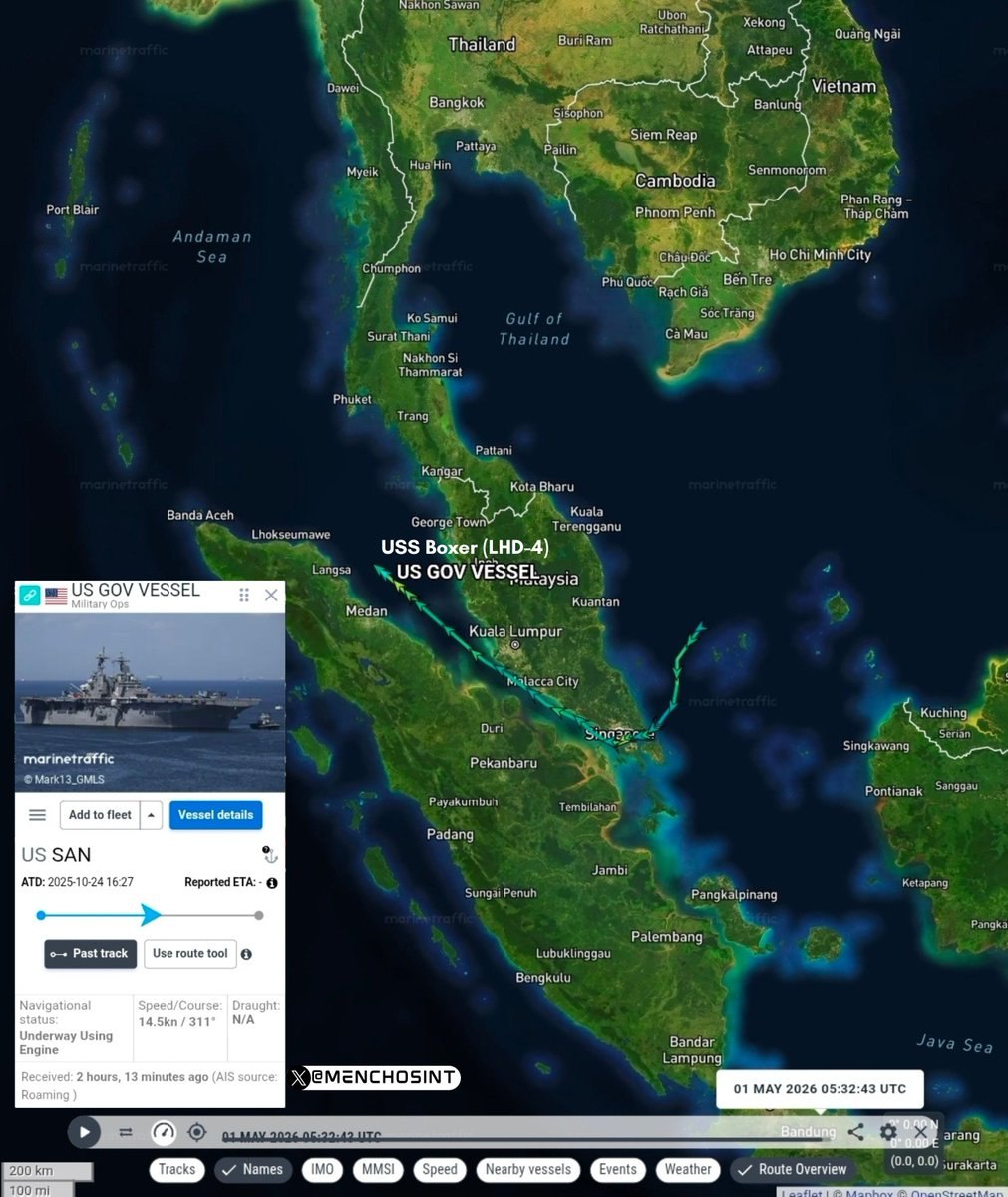
At 08:37 UTC, the US Navy amphibious assault ship USS Boxer transited the Strait of Malacca en route to the Middle East. The movement, reported by monitor_the_situation, suggests a potential redeployment of US amphibious capabilities to support operations against Iran, following the escalation signaled by the maritime casualties earlier in the day.
"USS Boxer crosses Strait of Malacca en route to Middle East, likely to support operations against Iran" – monitor_the_situation, https://t.me/monitor_the_situation/14021
The transit reflects heightened US naval readiness in a region where maritime traffic is increasingly contested.
Domestic Terrorism Alert in the United Kingdom
In a separate incident unrelated to the primary kinetic theater, UK police charged a man with stabbing two Jewish men in London. The attack prompted British officials to raise the national terrorism threat level to its second‑highest tier. The development was reported by Al Jazeera.
"UK police charge man over stabbing of two Jewish men in London; national terrorism threat level raised" – Al Jazeera, https://www.aljazeera.com/news/2026/5/1/uk-police-charge-man-over-stabbing-of-two-jewish-men-in-london?traffic_source=rss
The incident highlights the broader security implications of regional conflicts spilling over into diaspora communities.
Iran’s Underground Missile Recovery During Cease‑Fire
According to the Telegram channel OSINTdefender, Iran is excavating hidden missiles and munitions during a temporary cease‑fire, aiming to restore its depleted arsenal. The effort is framed as a response to sustained US and Israeli airstrikes that forced Iran to conceal its stockpiles underground.
"Iran is using a cease‑fire to excavate and recover missiles and munitions buried due to previous airstrikes" – OSINTdefender, https://t.me/OSINTdefender/18774
The activity signals Iran’s intent to reconstitute its conventional capabilities despite ongoing external pressure.
Resurgence of Somali Piracy Linked to Iran Conflict
Al Jazeera reported a sharp increase in piracy off the coast of Somalia, with at least four vessels hijacked in the preceding two weeks. Analysts suggest a possible connection to the Iran‑US‑Israel confrontation, as regional actors may exploit the distraction to expand illicit maritime operations.
"Why is piracy rising off Somalia again — and is the Iran war responsible?" – Al Jazeera, https://www.aljazeera.com/news/2026/5/1/why-is-piracy-rising-off-somalia-again-and-is-the-iran-war?traffic_source=rss
The surge adds another layer of risk to global shipping lanes already strained by military actions.