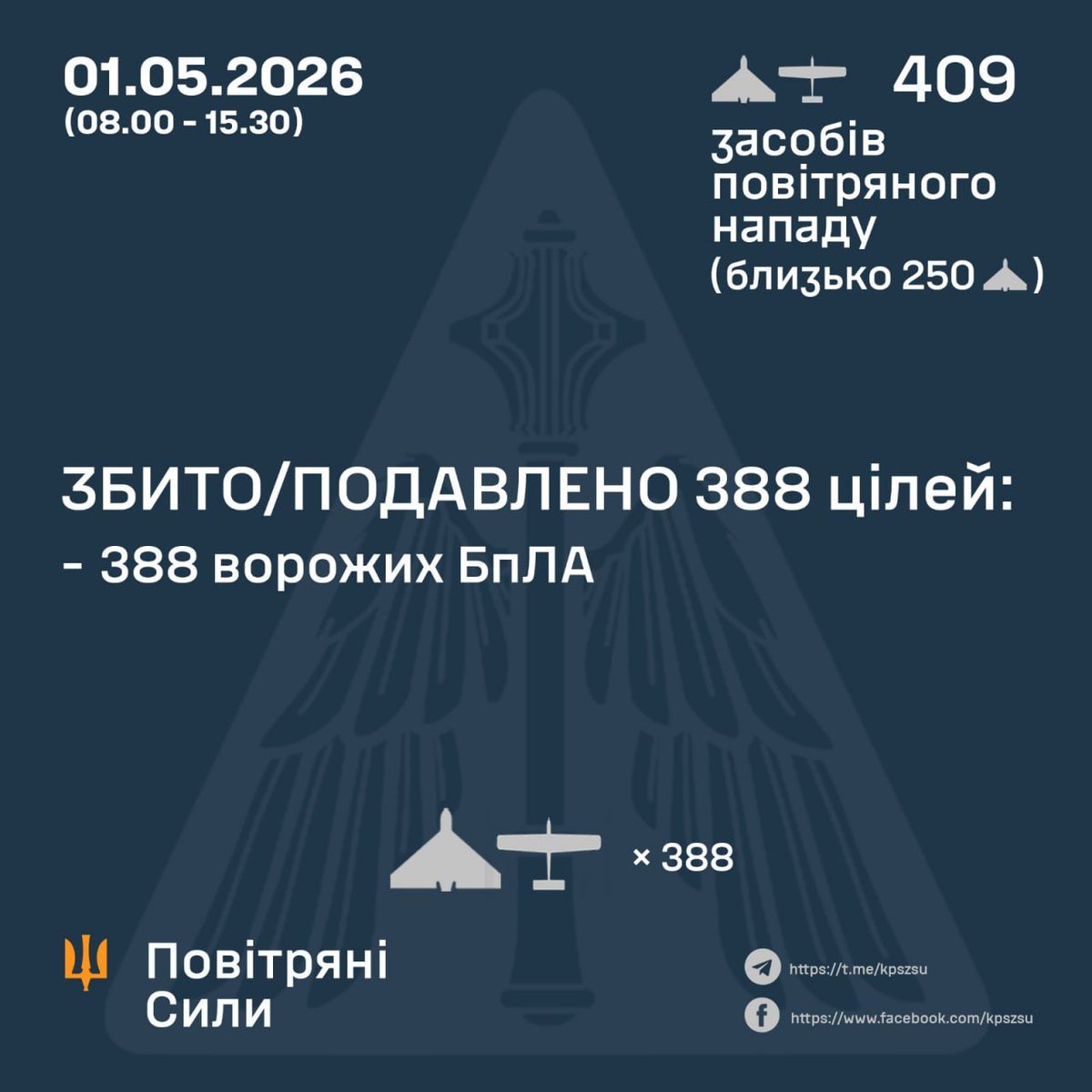
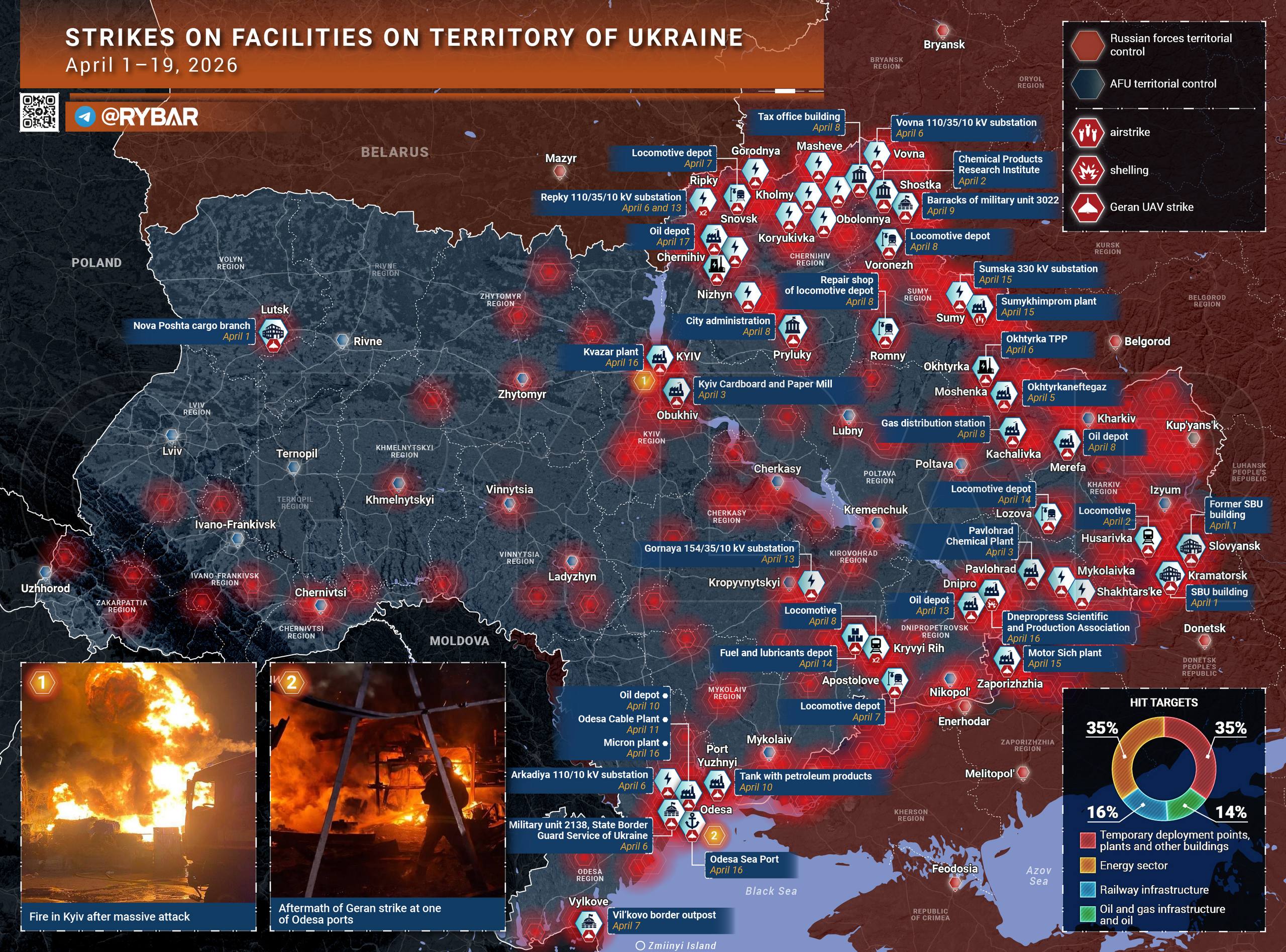
On 1 May 2026, Russian forces unleashed a coordinated swarm of 409 unmanned aerial systems targeting Ukraine’s Donbas region. Ukrainian air defenses shot down or suppressed 388 of the drones, while the remaining 16 managed to strike six locations, leaving debris at eleven sites. The operation, reported by the monitoring channel monitor_the_situation, represents the largest single‑day drone offensive recorded against Ukrainian territory to date.
Details of the Russian Drone Offensive
The launch began in the early morning and continued through mid‑afternoon, employing a mix of Shahed‑type loitering munitions and other Russian‑produced UAVs. According to the source, 250 Shahed drones were part of the wave, complemented by additional models that were not individually identified. Ukrainian air defense units engaged the swarm across multiple sectors, achieving a 95% interception rate.
"⚡️⚡️The Tuapse and Perm refineries, the Buk-M3 air defense system and the occupiers’ warehouses were hit" – General Staff of the Armed Forces of Ukraine, 1 May 2026.
While the quoted statement pertains to a separate Ukrainian strike on Russian infrastructure, it illustrates the intensity of kinetic exchanges occurring on both fronts on the same day.
Ukrainian Counter‑Measures and Air‑Defense Performance
Ukraine’s integrated air‑defence network, comprising Patriot, S‑300, and domestically produced systems, engaged the incoming drones from multiple command posts. Video evidence posted on the monitor_the_situation channel (https://t.me/monitor_the_situation/14060) shows radar operators tracking the swarm and surface‑to‑air missiles being launched in rapid succession. No civilian casualties were reported from the 16 successful strikes, and damage assessments are still pending.
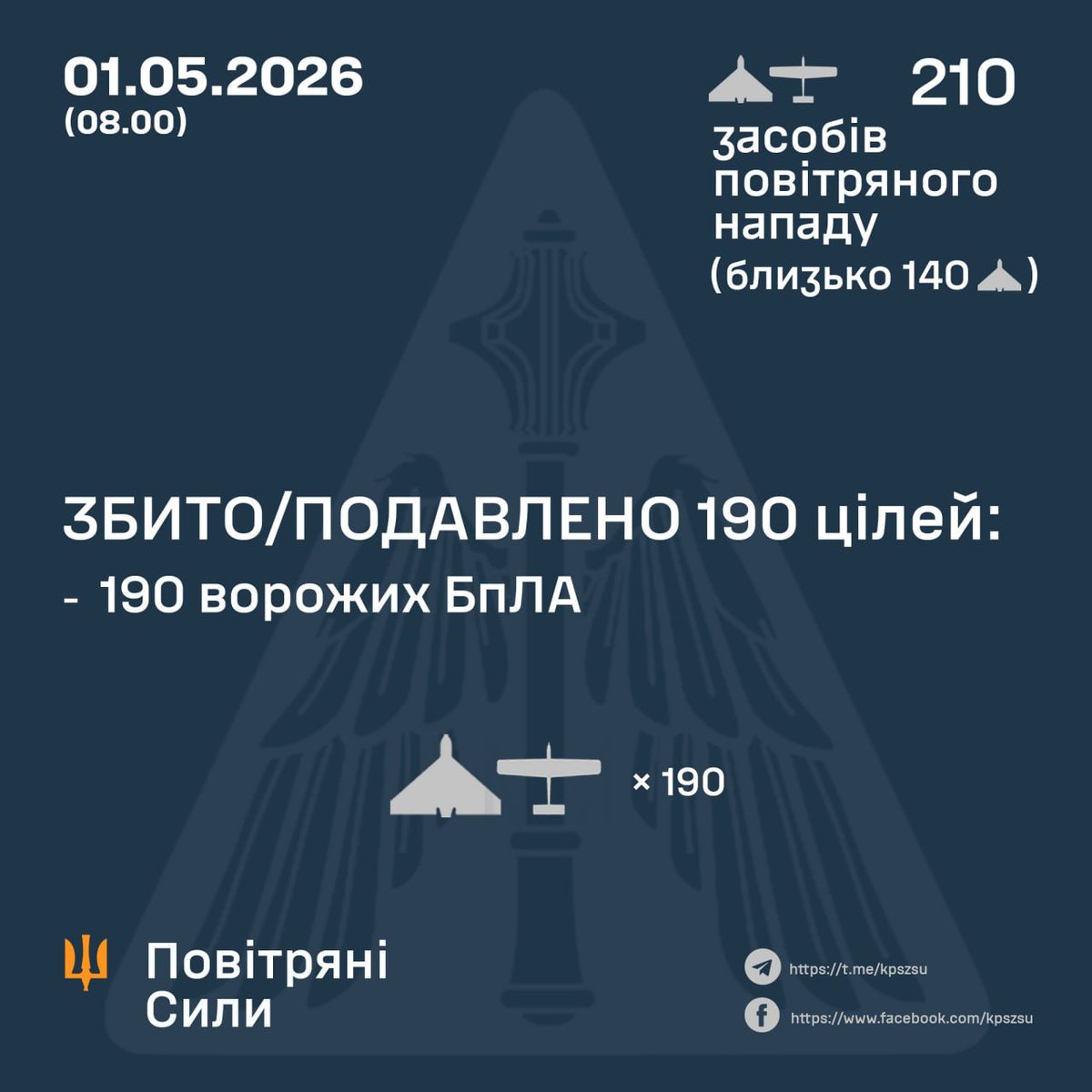
In addition to the 409‑drone event, Russian forces conducted a separate swarm of 210 drones earlier on 1 May, including 140 Shahed UAVs. Ukrainian defenses downed or suppressed 190 of those, with 20 drones achieving hits at fourteen locations in the Donbas region (source: monitor_the_situation, https://t.me/monitor_the_situation/14014). The cumulative effect of these operations indicates a sustained Russian emphasis on UAV‑based pressure points across the eastern front.
Ukrainian Kinetic Actions Beyond the Frontline
While defending its own territory, Ukraine continued to project kinetic power beyond its borders. The General Staff of the Armed Forces of Ukraine claimed a successful strike on the Tuapse oil refinery in Krasnodar Krai, Russia, at approximately 13:41 UTC. The operation reportedly damaged the refinery’s processing units, a Buk‑M3 air‑defence system, and several ammunition depots. Ukrainian forces also targeted the Perm refinery and UAV facilities in occupied territories. The claim was posted on the BellumActaNews channel (https://t.me/BellumActaNews/172007).
In the Russian‑occupied city of Melitopol, a large fire erupted at 07:21 UTC, attributed by local monitors to Ukrainian strikes. The blaze caused extensive damage to civilian infrastructure, though casualty figures remain unconfirmed (source: monitor_the_situation, https://t.me/monitor_the_situation/14012).
Ukrainian special forces also reported the destruction of a Russian T‑72 tank in the Donbas region (monitor_the_situation, https://t.me/monitor_the_situation/14011) and the elimination of six Russian soldiers in the Sumy region through coordinated drone and artillery strikes (monitor_the_situation, https://t.me/monitor_the_situation/14044).
Russian Use of Advanced Munitions
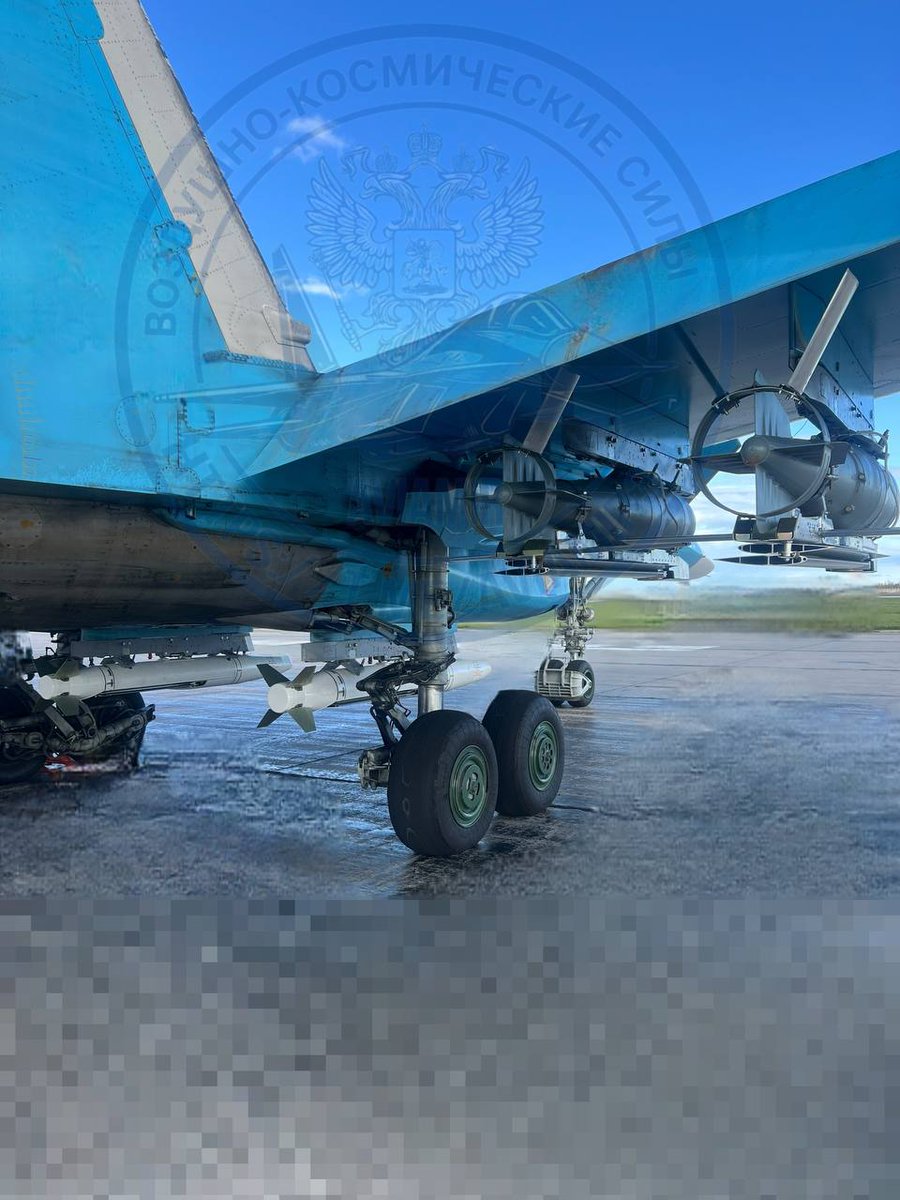
In a separate kinetic episode, a Russian Su‑34 fighter‑bomber deployed a mixed load of FAB‑500 UMPK and UMPB D‑30SN guided bombs against targets in the Donbas region at 09:58 UTC. This marks the first observed use of such a mixed munition load on a Su‑34 platform, indicating a possible shift in Russian strike tactics (monitor_the_situation, https://t.me/monitor_the_situation/14027).
Additional UAV deployments included FPV drones launched from motherships at the Rubicon Center in Donbas (monitor_the_situation, https://t.me/monitor_the_situation/14053) and Geran‑2 drones penetrating Sumy Oblast airspace (monitor_the_situation, https://t.me/monitor_the_situation/14004).
Assessment of the Day’s Kinetic Landscape
The events of 1 May demonstrate a pronounced escalation in both aerial and ground‑based kinetic activity centered on Ukraine. Russian reliance on large‑scale drone swarms seeks to overwhelm air‑defence systems, while Ukraine’s defensive success rates suggest continued improvements in detection, command‑and‑control, and missile interception capabilities. Simultaneously, Ukraine’s ability to strike high‑value targets deep within Russian territory, such as the Tuapse refinery, underscores its expanding long‑range strike capacity.
Overall, the day’s engagements reflect a dynamic battlefield where UAVs, guided munitions, and conventional artillery are employed in concert, raising the operational tempo and the risk of collateral damage on both sides.