On April 30, 2026, Ukrainian drone operations targeted two strategic Russian infrastructure sites, causing significant explosions at an explosives manufacturing plant in Nizhny Novgorod Oblast and a key oil‑pipeline pumping station in Perm. The attacks occurred against a backdrop of heightened regional tension, marked by a series of rocket alerts across Israel that were disseminated by the RocketAlert monitoring service.
Explosives Plant Attack in Nizhny Novgorod Oblast
At approximately 00:40 UTC, the Telegram channel monitor_the_situation reported that Ukrainian unmanned aerial vehicles (UAVs) struck an explosives production facility in Nizhny Novgorod Oblast, Russia. The post, dated 2026‑04‑30T00:40:26, confirmed that explosions were observed overnight, though no casualty figures were released. The weapon system identified was a drone, and the incident was attributed to Ukrainian forces operating against Russian military‑industrial assets.
"Ukrainian drones targeted a Russian explosives manufacturing facility in Nizhny Novgorod Oblast, Russia, with local reports confirming explosions overnight on April 30 amid ongoing Russia‑Ukraine conflict." – monitor_the_situation, 2026‑04‑30T00:40:26
The source URL for the original report is https://t.me/monitor_the_situation/13745. No official statements from Russian authorities were available at the time of writing, and independent verification of damage extent remains pending.
Oil‑Pipeline Pumping Station Explosion in Perm
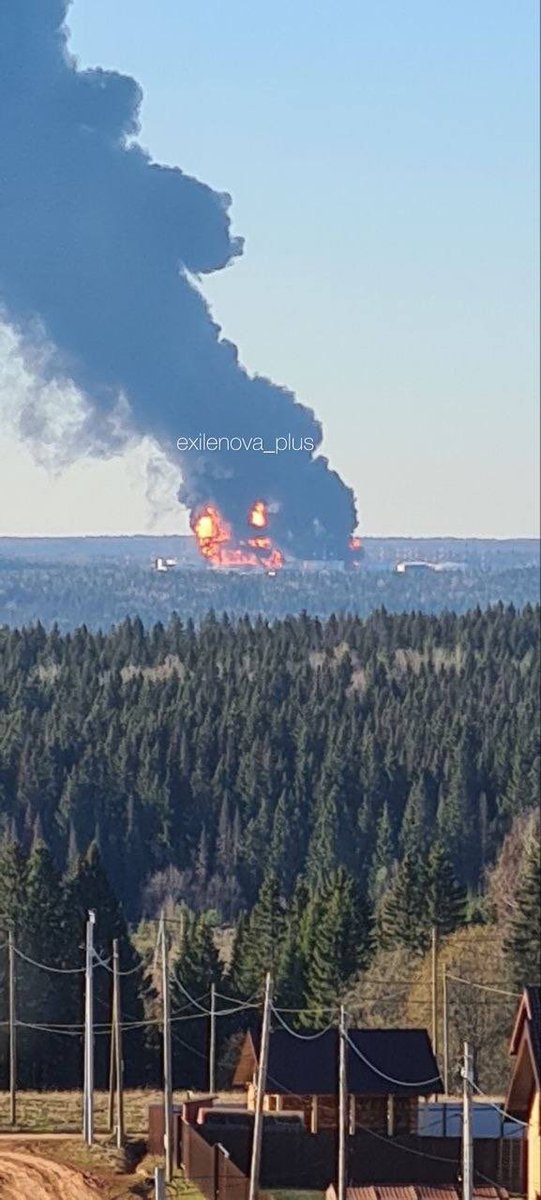
Approximately five hours later, at 05:30 UTC, the same Telegram channel posted a second UAV‑related incident. Ukrainian drones allegedly struck a major oil‑pipeline pumping station in Perm, triggering a massive fire that produced flames reaching several hundred feet. The report, timestamped 2026‑04‑30T05:30:44, described the explosion as “massive” and emphasized the strategic importance of the facility, which lies far from the frontlines of the Ukraine‑Russia war.
"Ukrainian attack drones struck a key Russian oil pipeline pumping station in Perm over 24 hours ago, leading to a massive new explosion with flames reaching hundreds of feet, disrupting energy infrastructure far from the main Ukraine frontline." – monitor_the_situation, 2026‑04‑30T05:30:44
Media accompanying the post included a single photograph of the blaze. The source URL is https://t.me/monitor_the_situation/13767. As with the Nizhny Novgorod incident, no casualty numbers were disclosed, and Russian state media have not issued an official comment.
Concurrent Rocket Alerts in Israel
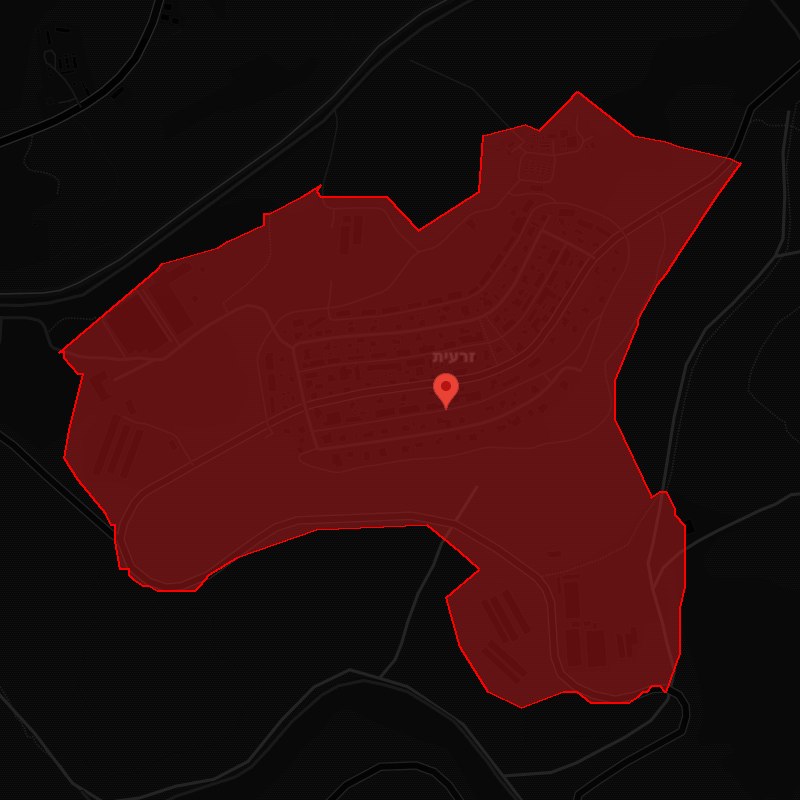
During the same 24‑hour period, the RocketAlert service issued multiple high‑priority rocket alerts across Israel, indicating a broader regional security environment of heightened alertness. Two alerts were posted at 05:19 and 05:20 UTC, both referencing the “Confrontation Line: Zarit” and providing no additional tactical details beyond the timestamp and a single accompanying photograph.
"Rocket/Missile alert 2026‑04‑30 08:20:04: Confrontation Line: Zarit" – RocketAlert, 2026‑04‑30T05:20:04
"Rocket/Missile alert 2026‑04‑30 08:19:40: Confrontation Line: Zarit" – RocketAlert, 2026‑04‑30T05:19:41
Both alerts were sourced from the Telegram channel RocketAlert and are accessible via https://t.me/RocketAlert/29885 and https://t.me/RocketAlert/29881. No casualties or damage reports were associated with these alerts, and they appear to be part of routine monitoring of missile activity in the region.
Additional UAV Alerts
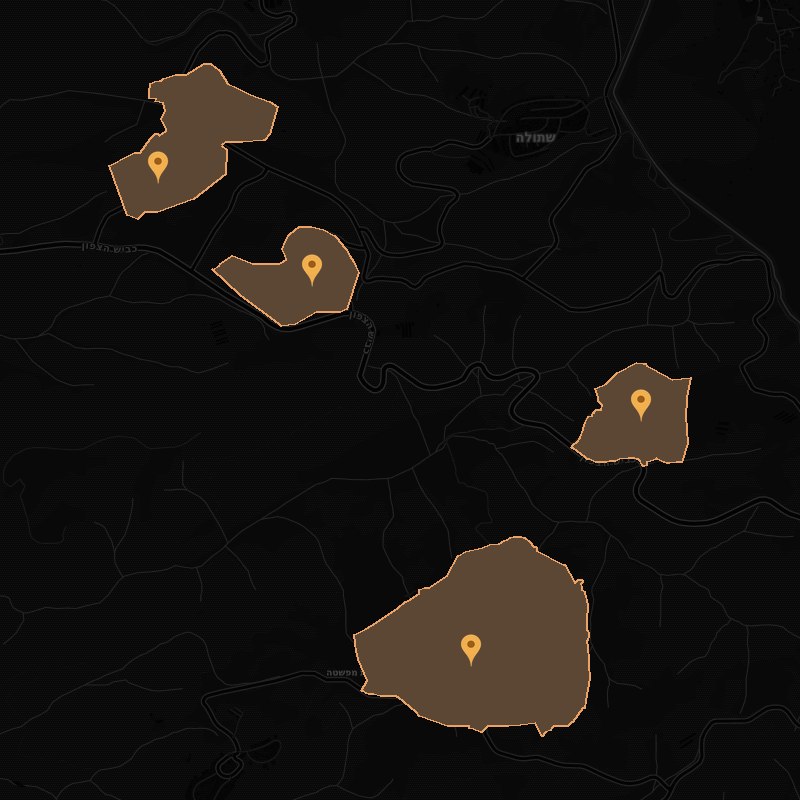
RocketAlert also logged two hostile UAV alerts on the same day, at 05:19 and 05:21 UTC, referencing locations in Israel (Shomera, Even Menachem, Fassuta, Netua). These alerts did not specify weapon systems or organizations and contained only a single photo each. Source URLs are https://t.me/RocketAlert/29880 and https://t.me/RocketAlert/29889.
Analysis of Operational Patterns
The Ukrainian UAV strikes demonstrate a continued focus on degrading Russian strategic assets beyond the immediate combat zone. Targeting an explosives plant and an oil‑pipeline station suggests an intent to disrupt both munitions production and energy logistics, potentially affecting Russia’s capacity to sustain its war effort. The lack of reported casualties may indicate that the attacks were timed to minimize civilian harm while maximizing material damage.
Simultaneously, the series of rocket and UAV alerts in Israel underscores a heightened state of vigilance across multiple theaters. While the Israeli alerts are unrelated to the Ukrainian operations, their inclusion in the same reporting window highlights the broader volatility of the region on April 30, 2026.
Source Attribution and Verification
All incident details are derived from open‑source Telegram channels, which are commonly used for rapid dissemination of conflict‑related information. The primary sources are:
- monitor_the_situation – provides the Ukrainian drone strike reports (explosives plant and oil‑pipeline station).
- RocketAlert – supplies the rocket and hostile UAV alerts from Israel.
Given the reliance on single‑source reports, independent verification from satellite imagery or official statements is pending. Analysts should monitor subsequent releases from Russian defense ministries, Ukrainian military communications, and international monitoring agencies for corroboration.