On 30 April 2026 Russian forces escalated kinetic operations across multiple Ukrainian fronts, launching a large‑scale unmanned aerial vehicle (UAV) assault on Odesa that injured at least twenty civilians and targeting the Donbas region with an Iskander‑M ballistic missile accompanied by a swarm of 206 drones. The coordinated attacks resulted in four fatalities and sixty‑four injuries in Donbas, while additional strikes hit Dnipro and prompted extensive Ukrainian air‑defence interceptions.
Mass Drone Attack on Odesa
At 10:57 UTC, Russian forces deployed a mass of hostile UAVs over Odesa, striking residential blocks, commercial premises, and a hotel adjacent to the city’s main train station. The assault caused structural damage to multiple buildings and left a minimum of twenty civilians injured, according to the Telegram channel monitor_the_situation (source). The drones, identified as Shahed‑type loitering munitions, were launched from positions in Russian‑occupied territories and penetrated the city’s air‑defence envelope, highlighting persistent gaps in urban UAV mitigation.
"Russian forces targeted residential and commercial buildings including a hotel near the train station in Odesa, injuring at least 20 people overnight on April 30." – monitor_the_situation
Key impact: The Odesa strike underscores the continued use of low‑cost UAVs to achieve tactical disruption in densely populated areas, forcing Ukrainian authorities to allocate additional resources to civilian protection and emergency response.
Iskander‑M Missile and 206‑Drone Swarm in Donbas
Earlier, at 10:17 UTC, Russian forces launched an Iskander‑M ballistic missile followed by a coordinated swarm of 206 drones over the Donbas region. The missile struck an undisclosed target, while the drones dispersed across a wide area, resulting in four confirmed deaths and sixty‑four injuries, as reported by the same monitoring channel (source). The Iskander‑M, a short‑range, high‑precision system, is capable of delivering conventional warheads with a range of up to 500 km, and its deployment alongside a massive UAV barrage reflects a hybrid kinetic‑aerial strategy.
"🟠 **Russian Missile and Drone Attacks Kill 4 in Donbas Region, Ukraine**" – monitor_the_situation
Operational note: The sheer volume of drones overwhelmed local air‑defence units, prompting a rapid escalation of Ukrainian interception efforts.
Shahed Drone Strike on Dnipro
At 08:27 UTC, a Russian Shahed drone impacted a busy street in Dnipro, Dnipropetrovsk Oblast, igniting a bus and several cars. The strike caused civilian injuries and temporary disruption of traffic flow. Video evidence of the incident was circulated by monitor_the_situation (source), confirming the use of loitering munitions in urban environments beyond the Black Sea coast.
"Russian Shahed Drone Strikes Dnipro Street, Ukraine" – monitor_the_situation
The Dnipro event illustrates the expanding geographic reach of Russian UAV operations, extending from the southern front to central Ukraine.
Ukrainian Air‑Defence Interception Successes
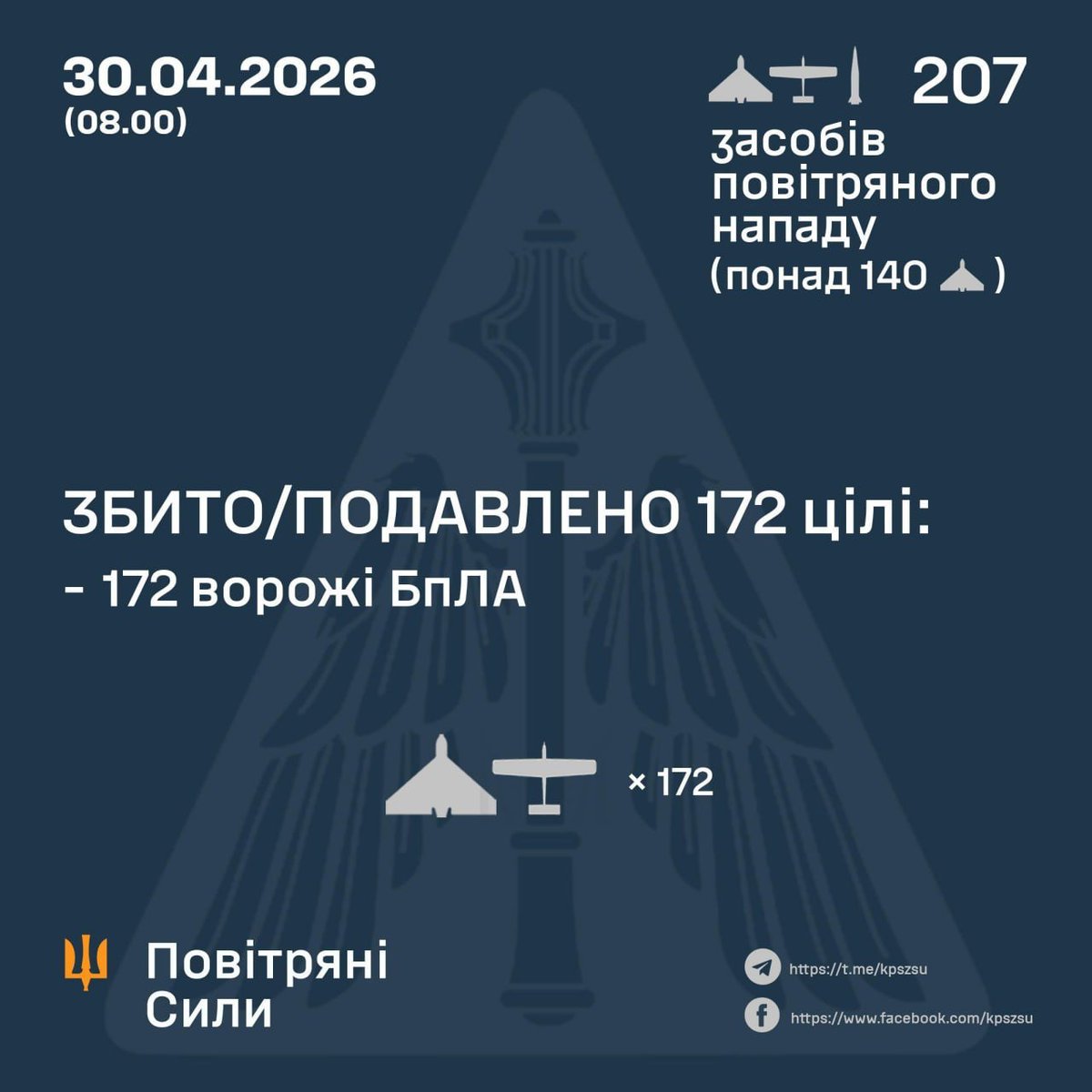
Ukrainian air‑defence units responded aggressively, claiming the downing of 172 out of the 206 hostile drones and intercepting the ballistic missile over Donbas. Photographic evidence of the interceptions was posted by monitor_the_situation (source). The high interception rate demonstrates the effectiveness of integrated air‑defence systems, including the S‑300, Patriot, and domestically produced medium‑range platforms.
"Ukraine Downs 172 Russian Drones and Ballistic Missile" – monitor_the_situation
Despite the successes, the residual drones that penetrated defenses contributed to the casualty figures in Odesa and Dnipro, indicating that saturation attacks remain a viable Russian tactic.
Ground Movements and Tactical Engagements
Beyond aerial operations, several ground‑level events were documented on 30 April:
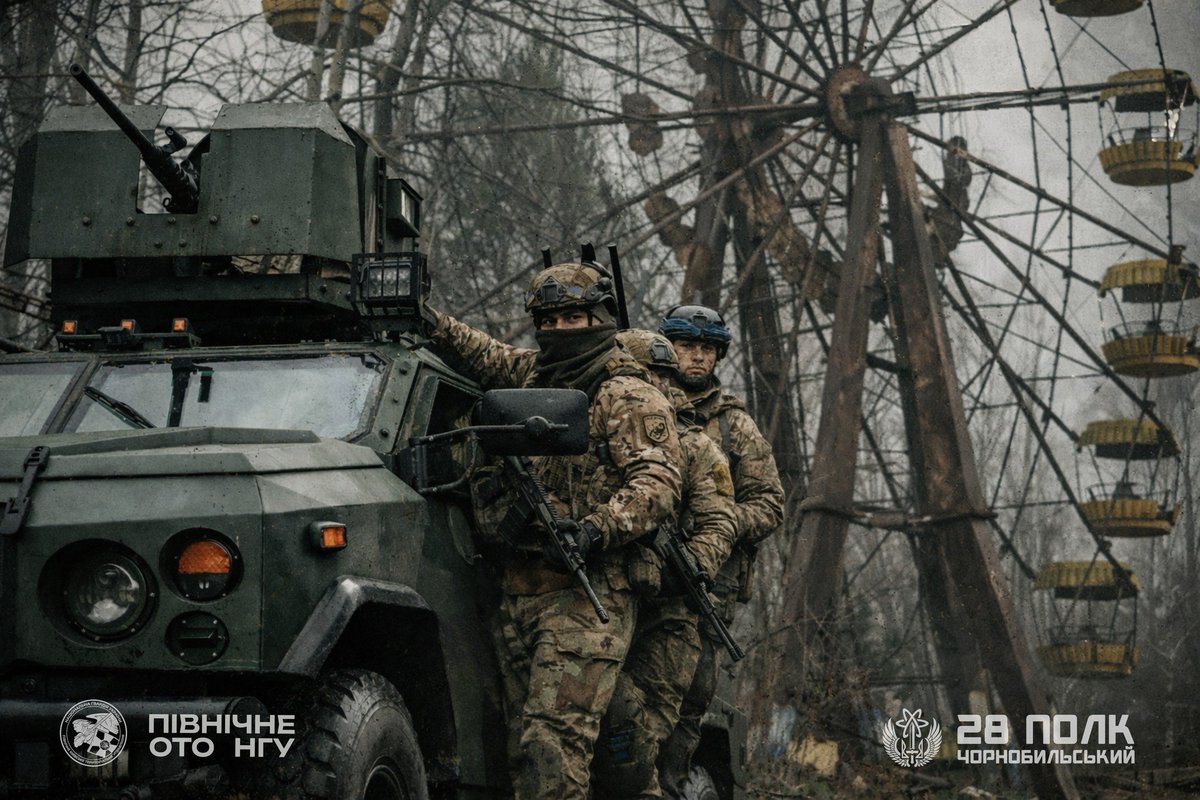
- Pripyat Patrols: The Ukrainian Nuclear Plant Defense Battalion conducted patrols in Pripyat within the Chernobyl Exclusion Zone, securing the area against potential incursions (source).
- Tank Destruction in Pokrovsk: The 425th Skeyla Regiment of the Ukrainian Armed Forces destroyed a Russian T‑72 tank in Pokrovsk, Donetsk Oblast, demonstrating continued anti‑armor capability on the front lines (source).
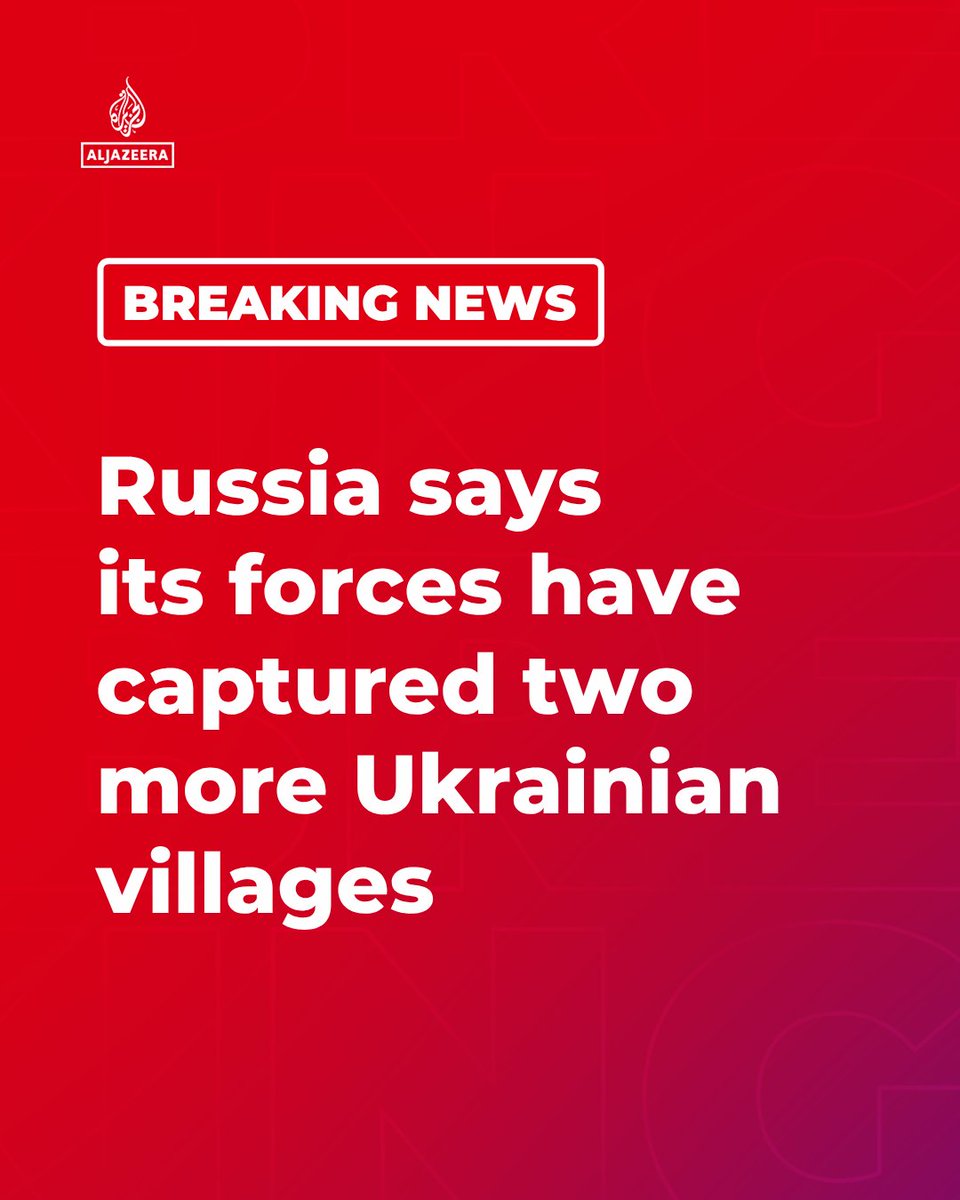
- Village Captures: Russian forces announced the capture of Mala Korchakivka in Sumy Region and Novooleksandrivka in Donetsk Region, expanding their territorial control in the north‑east and east respectively (source).
These ground actions, while less lethal than the aerial strikes, reflect ongoing maneuver warfare and the strategic importance of securing both civilian infrastructure and contested settlements.
Assessment of Kinetic Trends
The events of 30 April illustrate a multi‑dimensional Russian kinetic approach: high‑intensity UAV swarms combined with precision ballistic missiles, supplemented by targeted ground assaults. Ukrainian defensive measures, particularly air‑defence interceptions, mitigated potential losses but could not fully prevent civilian harm in major urban centres. The continued use of Shahed loitering munitions and the deployment of Iskander‑M missiles suggest a sustained emphasis on rapid, high‑impact strikes designed to strain Ukrainian response capacities.
Monitoring agencies should track the frequency of UAV swarm deployments, the success rates of Ukrainian interceptions, and any shifts in Russian targeting patterns, especially toward critical infrastructure and densely populated locales.