On 30 April 2026, a wave of kinetic operations dramatically escalated the conflict along the Lebanon‑Israel border. Israeli airstrikes, artillery shelling and drone assaults targeted civilian towns, military installations and private residences, while Hezbollah‑affiliated forces responded with FPV drone attacks on Israeli armor and personnel. The combined effect resulted in at least thirty‑four confirmed Lebanese deaths, dozens of injuries, and a marked increase in cross‑border ground movement, underscoring a rapid deterioration of the cease‑fire framework that has governed the frontier since 2023.
Escalation of Israeli Airstrikes
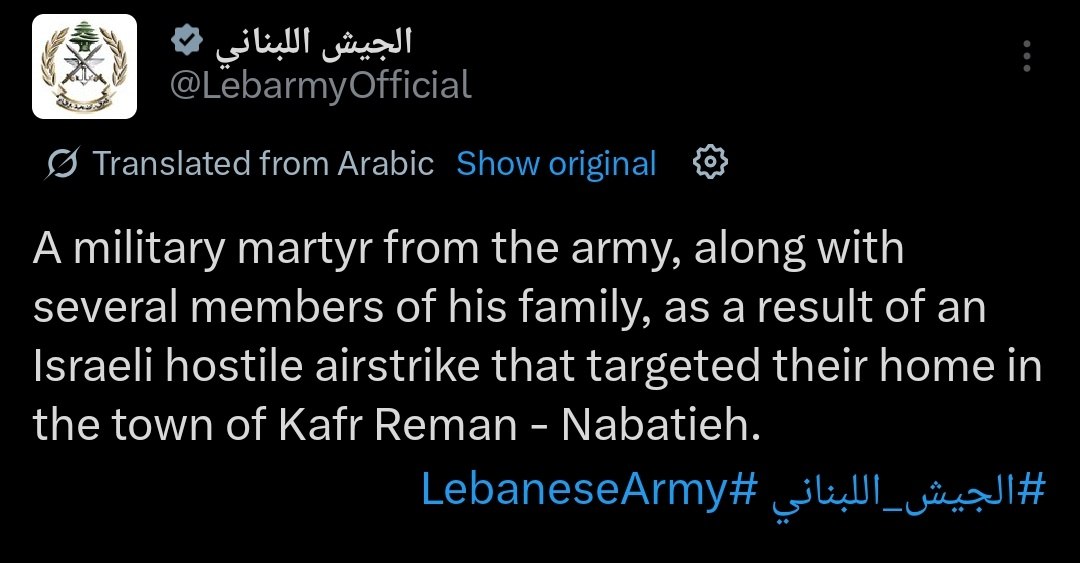
Israeli forces conducted a series of high‑profile airstrikes across southern Lebanon throughout the day. At 08:11 UTC, the Israeli Air Force bombed the towns of Haris, Beit Yahoun and Al Ghandouriya, killing five Hezbollah fighters near Israeli Defense Forces (IDF) positions (Source: monitor_the_situation). A later strike at 13:52 UTC targeted the home of a Lebanese Army member in Nabatieh, killing the soldier and several family members despite the Lebanese army’s official non‑aggression stance (Source: monitor_the_situation). The most lethal single incident was reported at 17:10 UTC in Zebdin, where an Israeli attack killed six civilians, adding to a pattern of strikes that have repeatedly violated the cease‑fire (Source: monitor_the_situation).
In addition, Israeli artillery shelling at 08:11 UTC hit the towns of Zawtar al‑Sharqiya, Yahmar al‑Shaqif and Bayt al‑Sayyad, further expanding the geographic scope of kinetic engagements (Source: monitor_the_situation). Al Jazeera documented that nine people were killed in southern Lebanon during these combined air and artillery operations, describing the attacks as a direct breach of the cease‑fire agreement (Source: AlJazeera).
Targeted Residential and Military Sites
The strike on the Lebanese Army member’s residence in Nabatieh illustrates a shift toward targeting personal dwellings linked to security personnel. While the exact civilian casualty count was not disclosed, the incident demonstrates an escalation beyond conventional military targets. Similarly, the Zebdin attack resulted in six civilian deaths, highlighting the growing risk to non‑combatants in populated areas.
"Israeli attacks in southern Lebanon have killed nine people despite ‘ceasefire'" – Al Jazeera, 30 April 2026
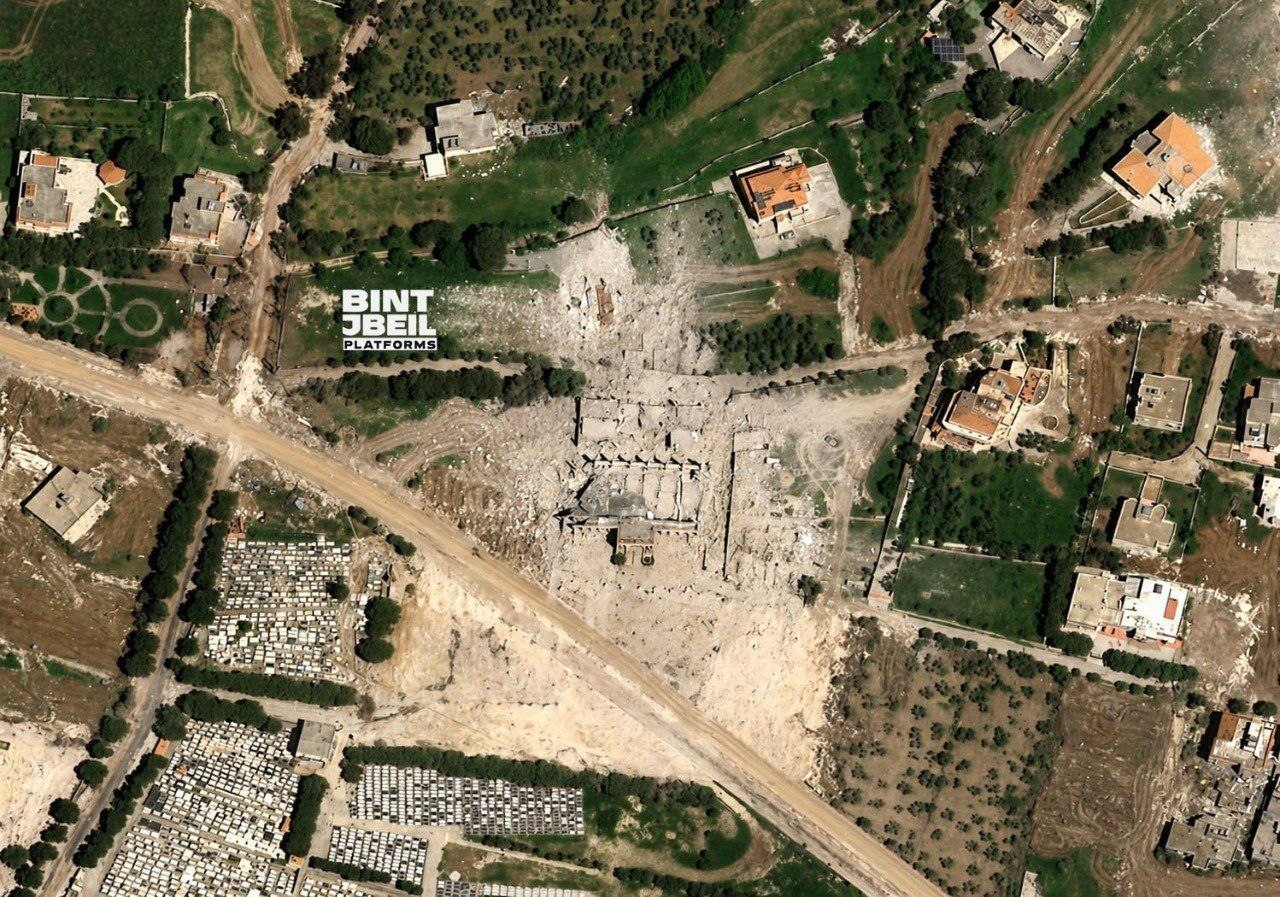
These incidents are part of a broader pattern of Israeli operations that have included the destruction of the Musa Abbas complex in Bint Jbeil (Source: idkunim_il) and repeated airstrikes on towns such as Haris and Al Ghandouriya, indicating a sustained campaign aimed at degrading Hezbollah’s operational depth.
Hezbollah Drone Counterattacks
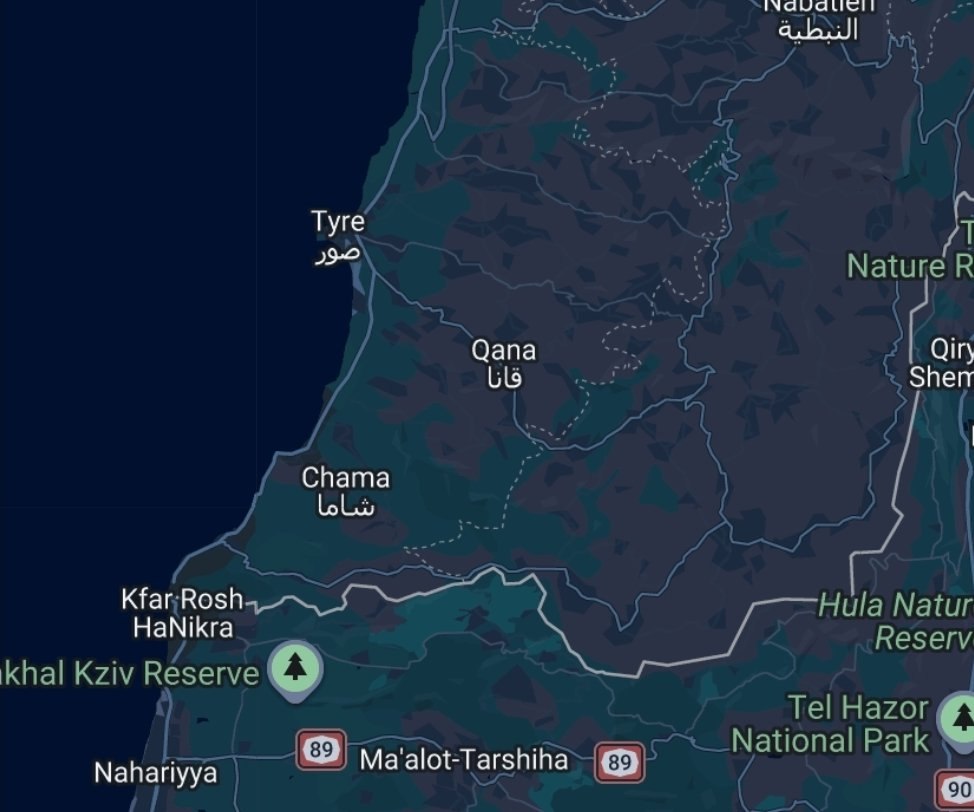
Hezbollah responded with a series of FPV (first‑person view) drone attacks targeting Israeli armor and personnel. At 14:40 UTC, Hezbollah drones struck an Israeli artillery battery near Shomera, destroying an M548 ammunition carrier and wounding twelve soldiers (Source: monitor_the_situation). Earlier, at 16:45 UTC, FPV drones hit two Merkava tanks in Qantara, killing one Golani Brigade soldier and wounding another (Source: GeoPWatch). Additional drone strikes were reported in Chama (17:11 UTC) and Yarine (15:56 UTC), where Hezbollah claimed hits on Israeli tanks and a 155 mm howitzer vehicle respectively (Source: monitor_the_situation; Source: GeoPWatch).
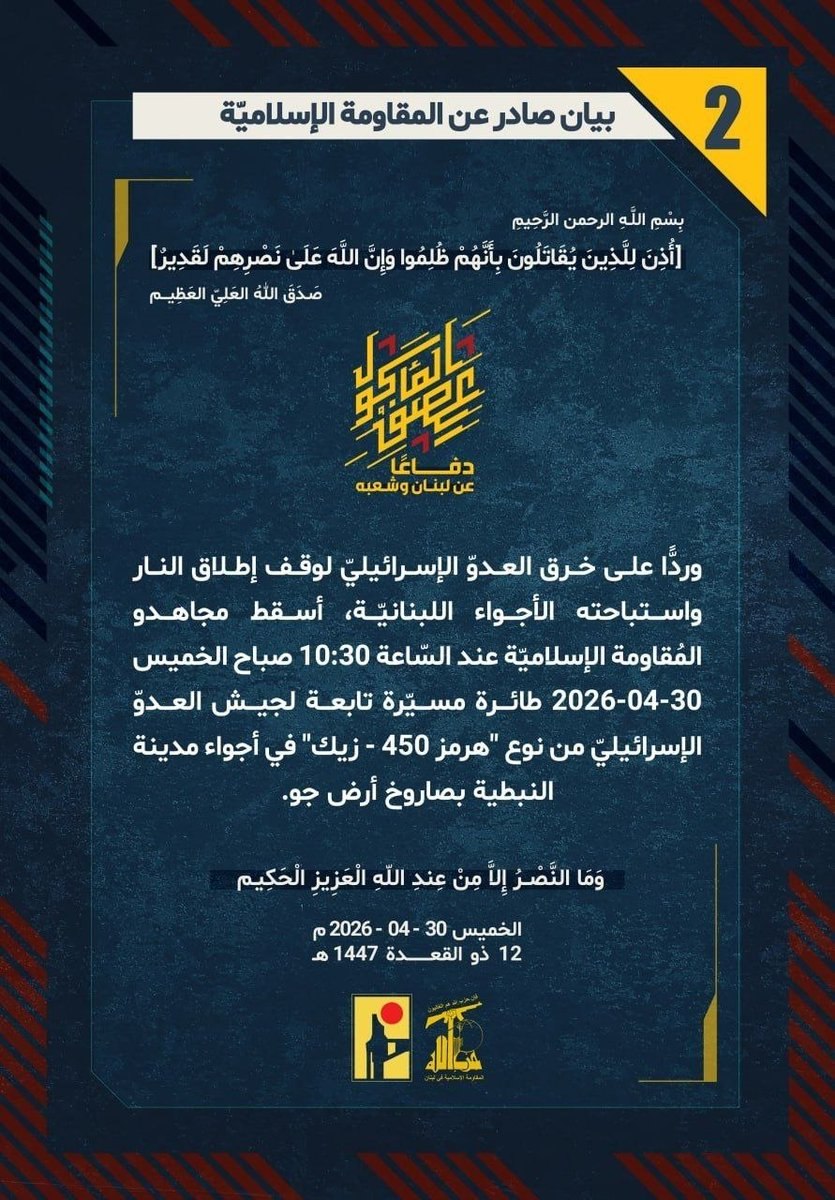
Hezbollah also announced the downing of an Israeli Hermes‑450 UAV over Nabatiyeh using a surface‑to‑air missile at 10:30 UTC (Source: GeoPWatch). This interception, coupled with earlier reports of an Israeli drone being shot down over southern Lebanon at 08:34 UTC (Source: monitor_the_situation), reflects an increasingly contested aerial domain.
Ground Movements and Ceasefire Violations
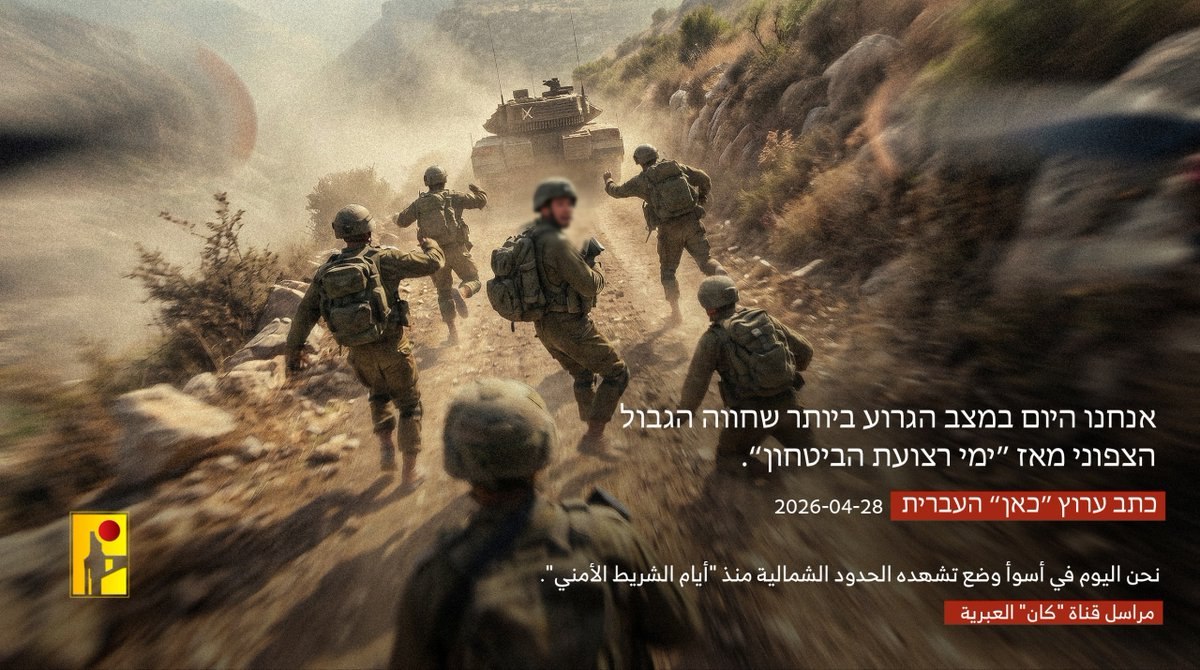
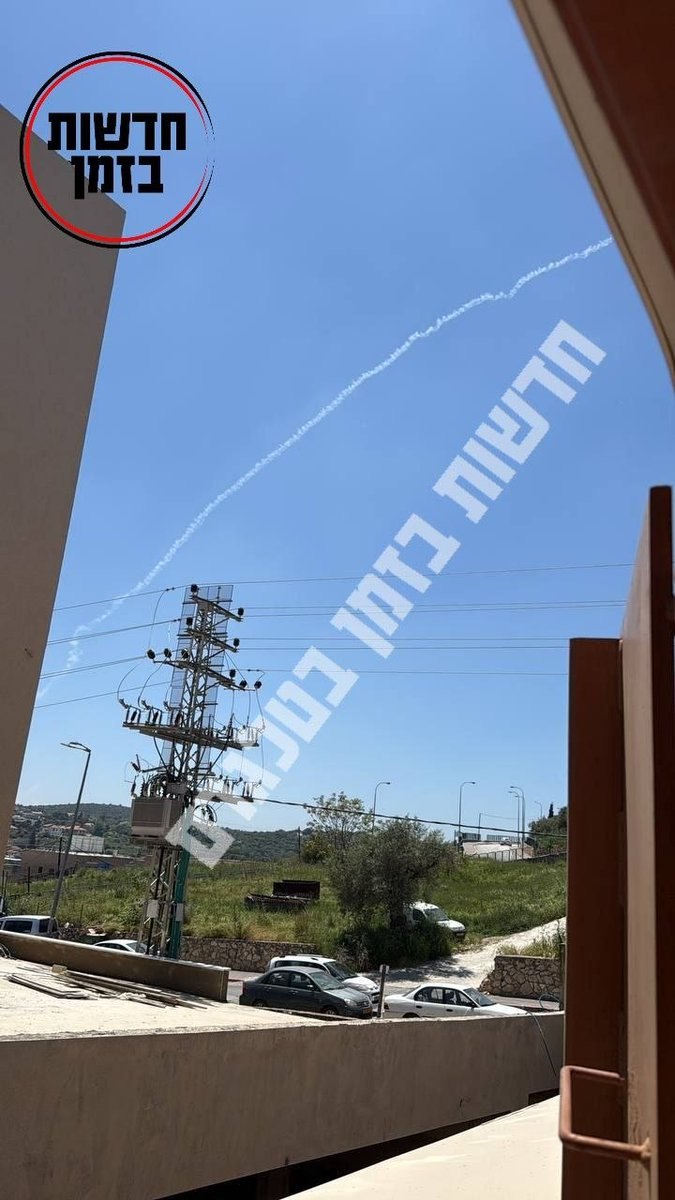
Israeli ground forces advanced approximately 10 km into southern Lebanon at 17:45 UTC, with commanders stating there were no plans to withdraw (Source: monitor_the_situation). This maneuver marks a significant escalation from previous cross‑border raids, suggesting a potential shift toward a limited ground offensive. Concurrently, Israeli forces employed Iron Dome interceptors twice over southern Lebanon to counter perceived Hezbollah threats (Source: monitor_the_situation), indicating heightened air‑defence activity on both sides.
Casualty Overview
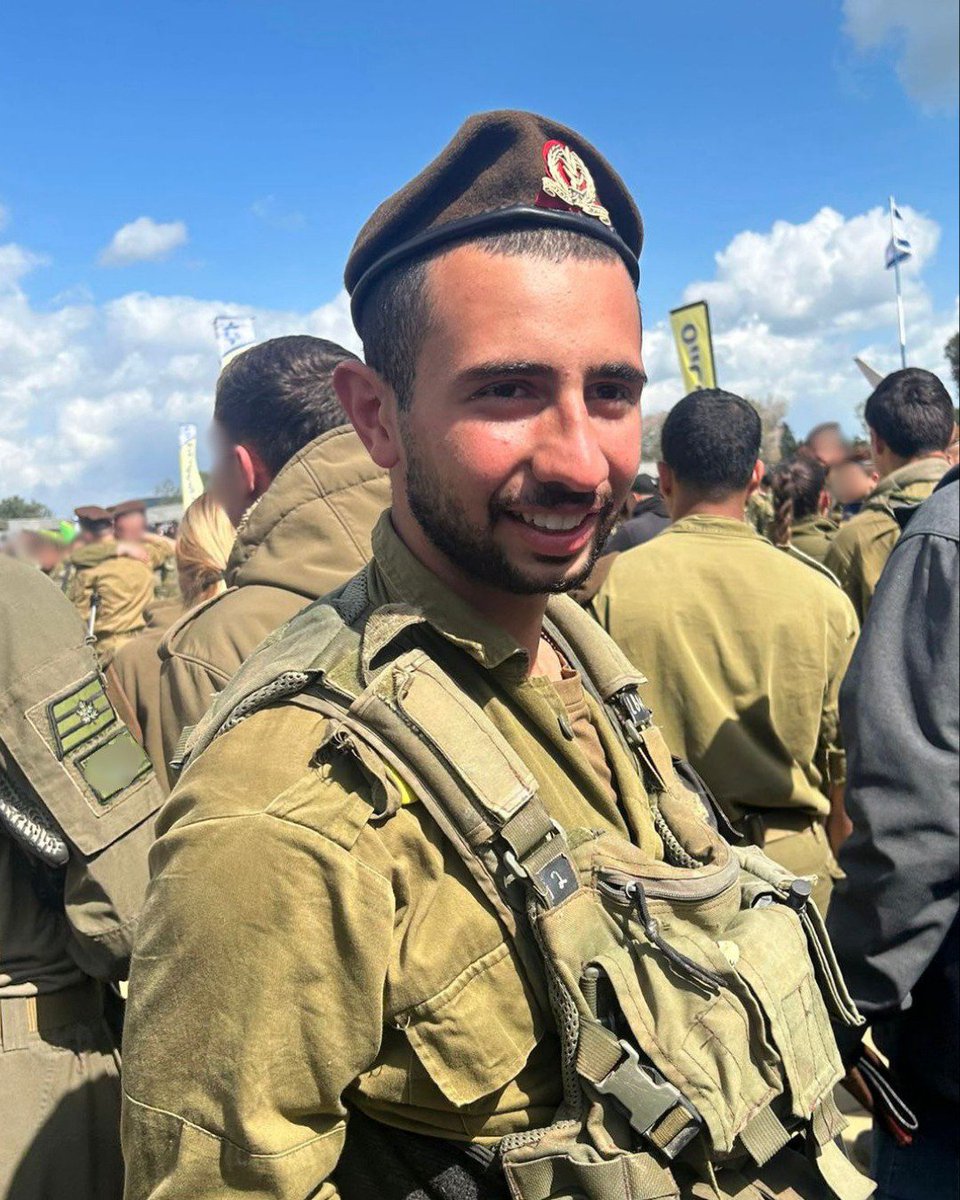
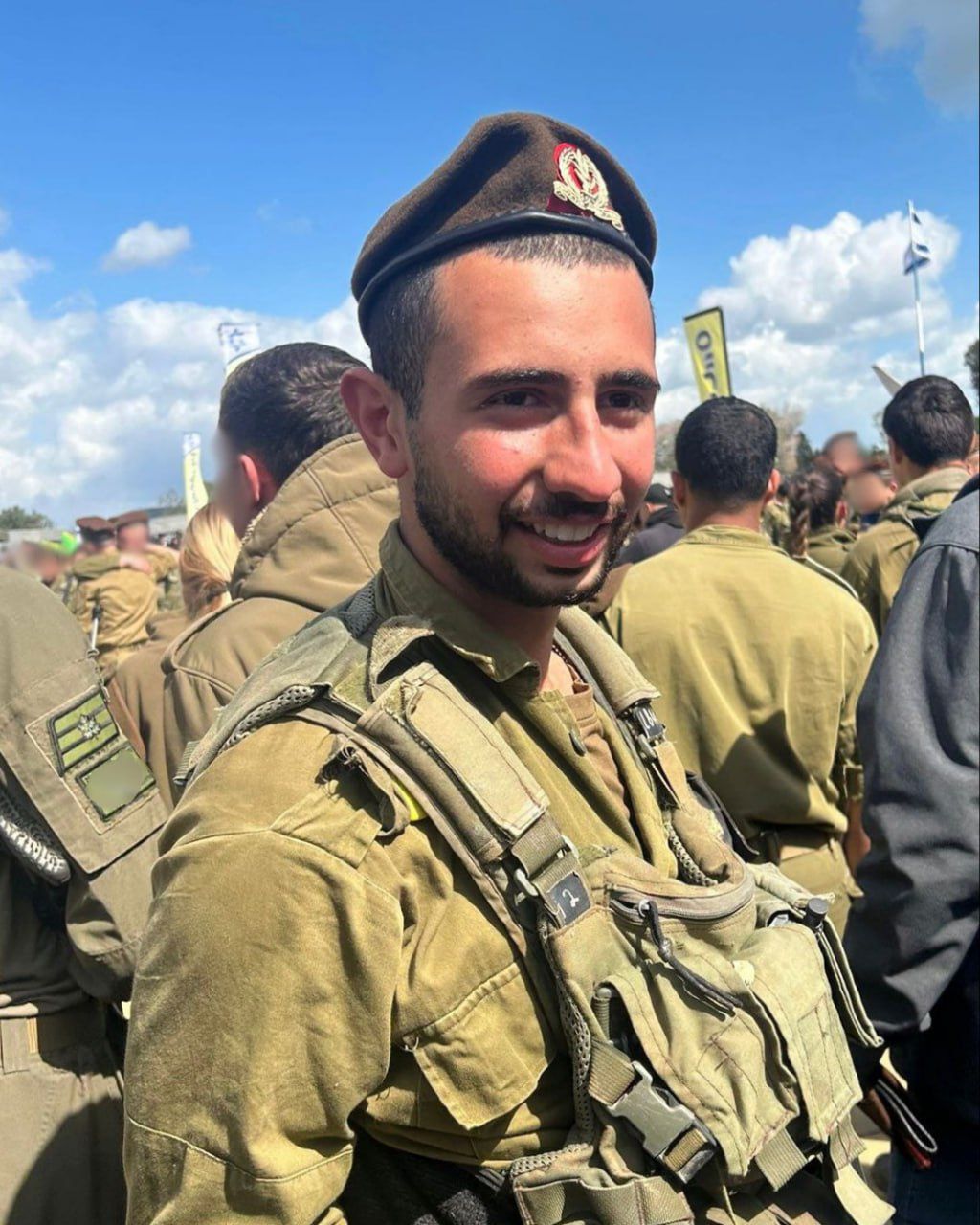
Confirmed fatalities on the Lebanese side include six civilians in Zebdin, five Hezbollah fighters near IDF positions, an unspecified number of family members in Nabatieh, and nine individuals killed in broader southern Lebanon attacks (Al Jazeera). Israeli casualties comprise at least two soldiers killed (Qantara and Nabatieh incidents) and twelve wounded in the Shomera drone strike. Additional injuries were reported from drone attacks in Qantara, Yarine and other locations, bringing the total wounded on the Israeli side to an estimated twenty‑four.
Analysis
The concentration of kinetic events on 30 April demonstrates a coordinated escalation by Israeli forces, combining air, artillery and ground components to exert pressure on Hezbollah‑controlled areas. The targeting of residential structures and civilian populations raises serious concerns under international humanitarian law, particularly the principle of distinction. Hezbollah’s increasing reliance on FPV drones and surface‑to‑air missiles indicates a tactical adaptation to Israeli air superiority, yet the effectiveness of these systems remains limited to isolated hits on high‑value armor.
Ground incursions of up to 10 km suggest Israeli commanders are testing the operational feasibility of a broader offensive, potentially to create a buffer zone or to compel Hezbollah to negotiate on more favorable terms. However, the rapid Israeli advance also risks entangling Lebanese state forces, which have historically maintained a delicate neutrality in the border conflict.
Overall, the events of 30 April 2026 reflect a volatile escalation trajectory that could undermine the fragile cease‑fire and precipitate a wider regional confrontation if diplomatic channels fail to de‑escalate.