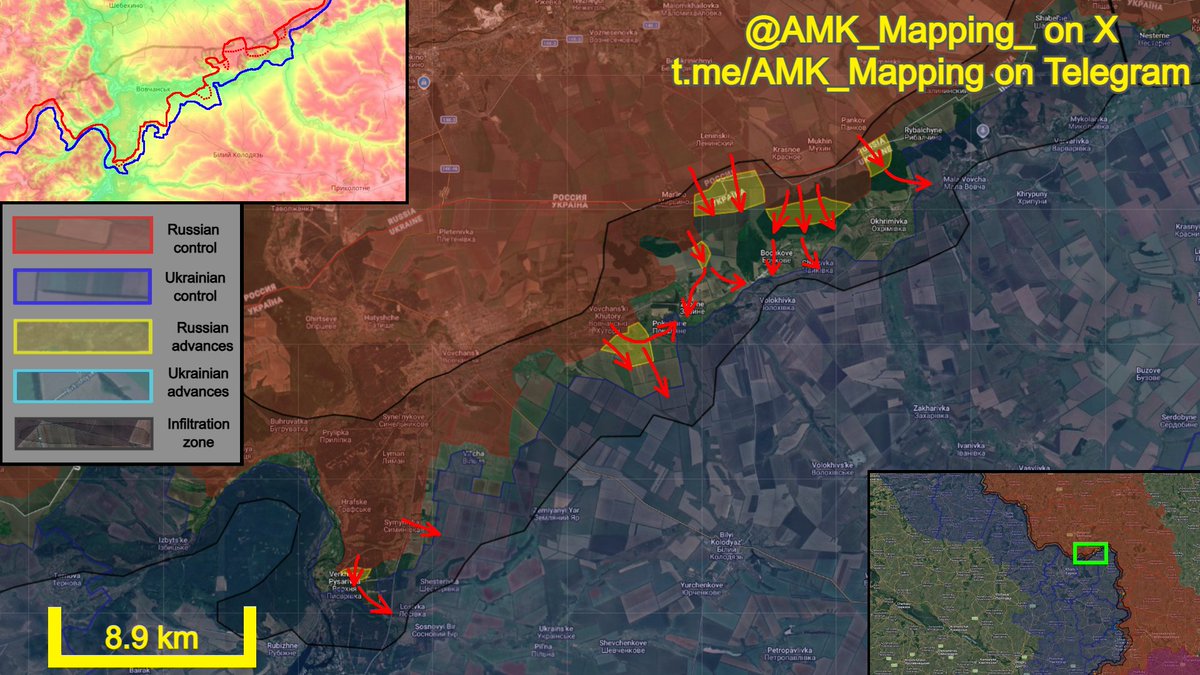
At 05:52 UTC on 28 April 2026, Russian troops intensified their offensive in Sumy Oblast, advancing near Bilyi Kolodyaz and east of Verkhnya Pysarivka. The movement, reported by the open‑source channel monitor_the_situation, marks a notable escalation in the contested border zone and underscores the continued volatility of the front line in northeastern Ukraine.
Russian Ground Advance in Sumy Oblast
The advance was documented in a Telegram post (source URL https://t.me/monitor_the_situation/13317) that included a photograph of Russian infantry moving through forested terrain east of Verkhnya Pysarivka. No casualties were reported on either side in the initial briefing, and the post did not specify the composition of the forces beyond the generic designation “Russian Armed Forces.” The operational focus appears to be on securing a corridor that links Bilyi Kolodyaz with forward positions near Verkhnya Pysarivka, potentially to facilitate logistics and artillery placement.
🟠 **Russian Forces Advance Near Bilyi Kolodyaz and Verkhnya Pysarivka Ukraine**
Analysts note that the Sumy region has historically served as a gateway for Russian incursions toward central Ukraine. The terrain—mixed forest and open fields—offers both concealment for infantry and challenges for mechanized units. The timing of the movement, early in the morning, suggests an attempt to achieve surprise and to pre‑empt Ukrainian counter‑measures that typically intensify after daylight.
Ukrainian Drone Strikes on Russian Oil Facilities
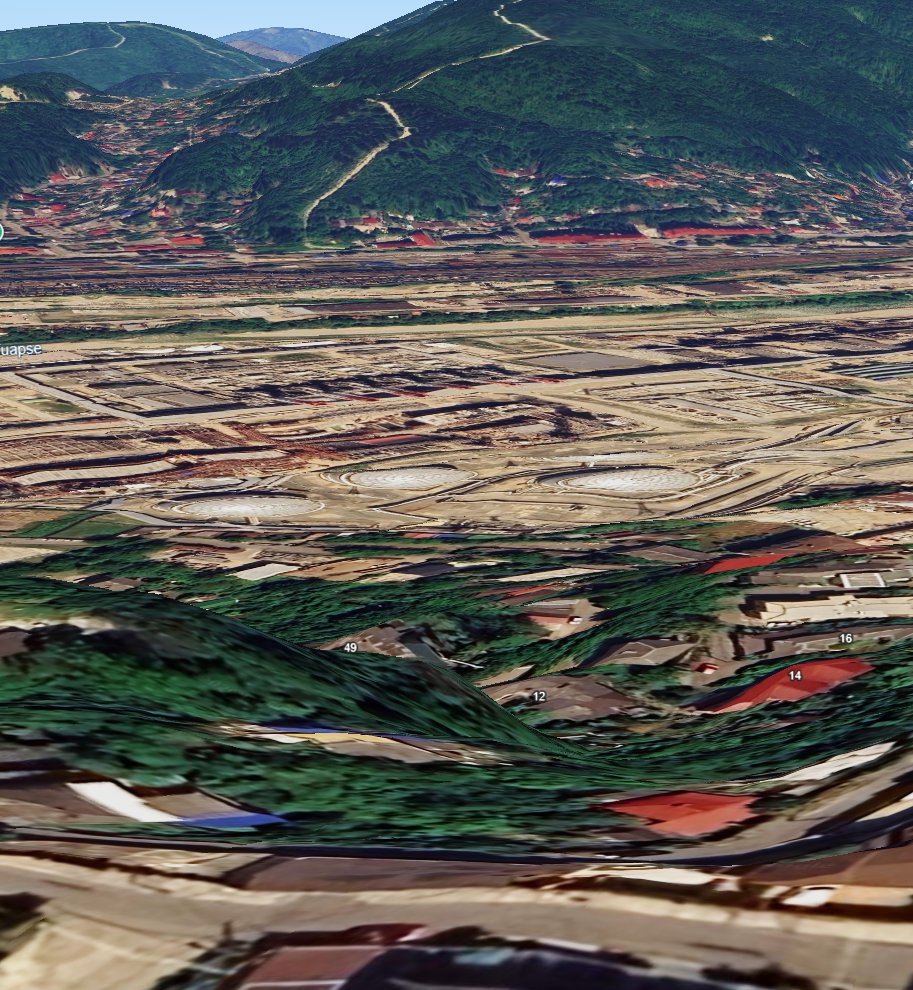
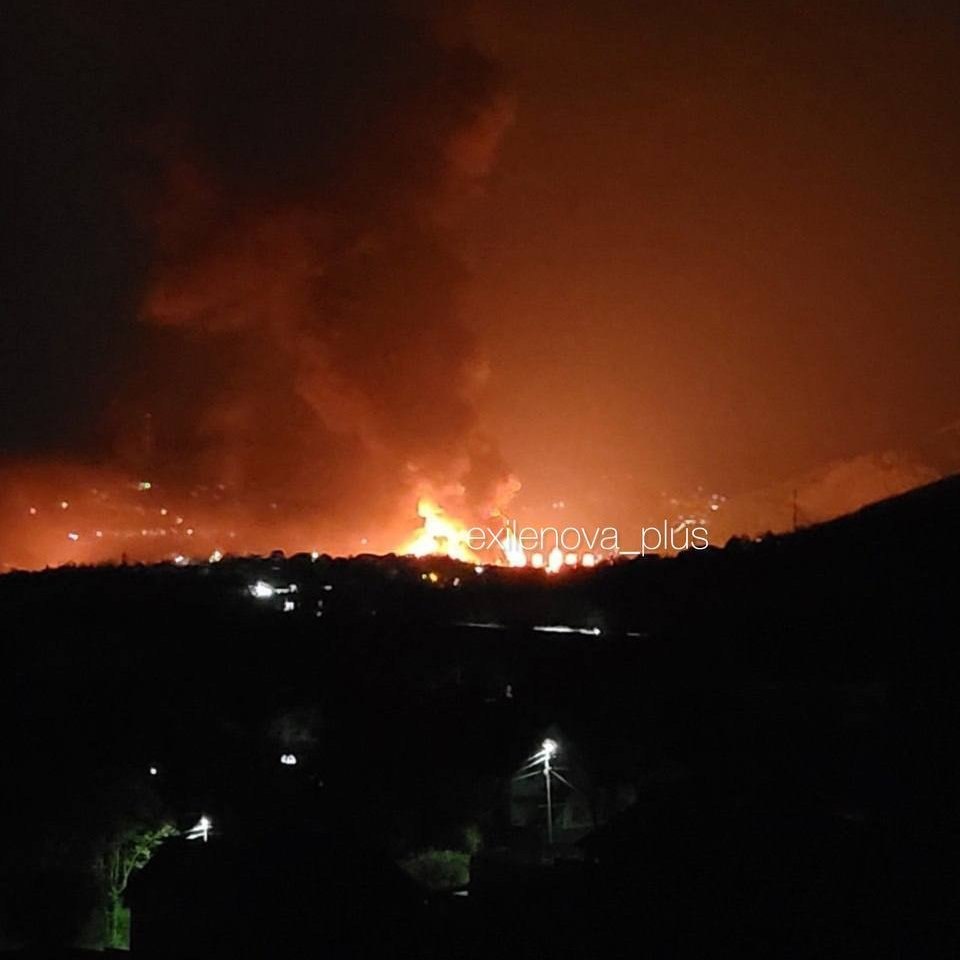
In parallel, Ukrainian‑operated attack drones targeted two strategic oil‑related sites on Russia’s Black Sea coast. The first strike, recorded at 02:56 UTC, hit the Tuapse oil refinery and its adjacent export terminal in Krasnodar Krai. The second, at 03:02 UTC, set fire to storage tanks near the resort city of Anapa, also in Krasnodar Krai. Both incidents were reported by the same monitoring channel, with accompanying photographs that show flames engulfing tank farms and refinery infrastructure.
Ukrainian Drones Strike Tuapse Oil Refinery in Russia
Storage Tanks Burning Near Anapa, Russia
The Tuapse attack employed “attack drones” as the weapon system, though the specific model was not identified. The strike ignited a fire on the refinery’s tank farm, temporarily halting operations and prompting an emergency response from local fire services. No immediate casualty figures were released, and the refinery’s output capacity was not quantified in the source material. The Anapa incident involved a similar drone platform, resulting in a blaze that threatened multiple storage tanks containing refined petroleum products. Again, casualty data were absent, and the extent of material loss remains to be assessed.
Both drone operations align with Ukraine’s broader strategy of targeting Russian energy assets to degrade revenue streams and to impose logistical constraints on the Russian war effort. The selection of Black Sea coastal facilities reflects a tactical preference for locations that are both symbolically significant and logistically vulnerable, given their reliance on maritime transport for export.
Operational Context and Implications
The simultaneous ground and aerial actions illustrate a coordinated Ukrainian approach that leverages conventional and asymmetric capabilities. While the Sumy advance represents a conventional push aimed at reclaiming territory and pressuring Russian defensive lines, the drone strikes serve a complementary purpose: they impose economic costs and force the Russian command to allocate air‑defence resources away from the front line.
From a strategic perspective, the lack of reported casualties in all three events suggests that the engagements were either limited in scale or that reporting lags have delayed casualty verification. Nonetheless, the incidents collectively demonstrate an escalation in the intensity of hostilities across multiple domains—land, air, and economic infrastructure.
Monitoring agencies, including the United Nations Office for the Coordination of Humanitarian Affairs (OCHA) and the International Crisis Group, have highlighted the risk that increased targeting of energy infrastructure could lead to broader environmental hazards and civilian displacement, particularly in coastal communities dependent on the oil sector for employment. The Russian Ministry of Defense has not issued an official response to the drone attacks, but satellite imagery released by independent analysts indicates heightened air‑defence activity over the Tuapse and Anapa regions in the hours following the strikes.
Overall, the events of 28 April 2026 underscore a multidimensional Ukrainian offensive that blends kinetic ground operations with precision drone strikes. The outcomes of these actions will likely influence subsequent operational planning on both sides, as each seeks to exploit perceived vulnerabilities while mitigating the risk of broader escalation.