On 28 April 2026, three distinct security incidents unfolded in separate theatres, each illustrating the expanding scope of state and non‑state confrontations. A large‑scale cyber intrusion into a secret Iranian nuclear facility, a U.S. naval blockade of Iranian shipping in the Strait of Hormuz, and a coordinated assault by the Karen “Cobra Column” insurgents against Burmese junta forces in Wawlay collectively highlight heightened geopolitical friction.
Cyber Intrusion at Iranian Nuclear Facility
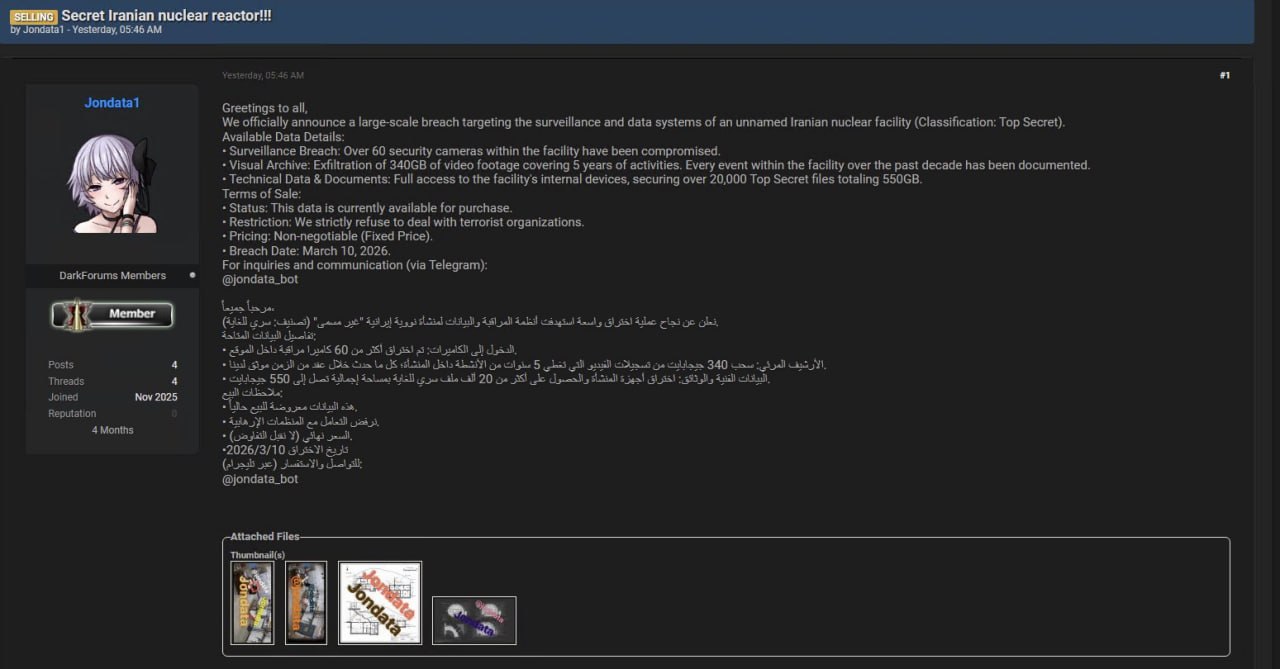
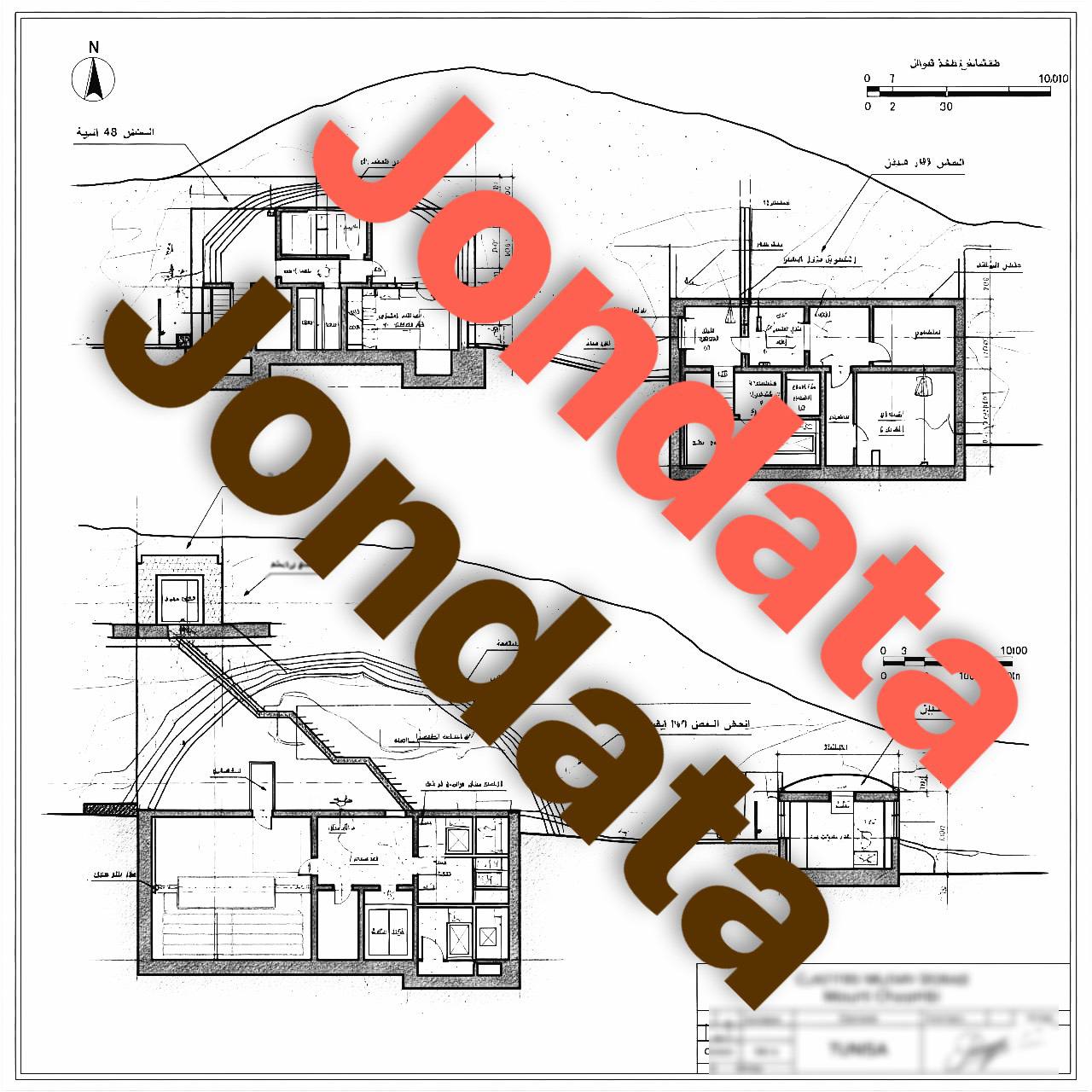
At approximately 03:03 UTC, the open‑source outlet BellumActaNews reported that a threat actor identified as “Jondata1” successfully penetrated the surveillance and data systems of an unnamed Iranian nuclear installation near Abadan, Khuzestan Province. The breach resulted in the exfiltration of roughly 890 GB—nearly one terabyte—of classified technical and monitoring data, a volume described by the source as “one of the most severe data breaches” of Iran’s nuclear program.
"Hackers breached into one of Iran's Secret Nuclear Facilities and exfiltrated almost 1 TB in sensitive data of it, reports say"
The operation was attributed to a loosely organized group called Freedom Team, with Jondata1 acting as the primary technical conduit. No weapons were employed; the attack relied on sophisticated malware capable of bypassing air‑gapped defenses. While casualty figures remain unreported, the loss of extensive surveillance data could impair Iran’s ability to monitor internal security and external compliance, potentially prompting retaliatory cyber or kinetic measures.
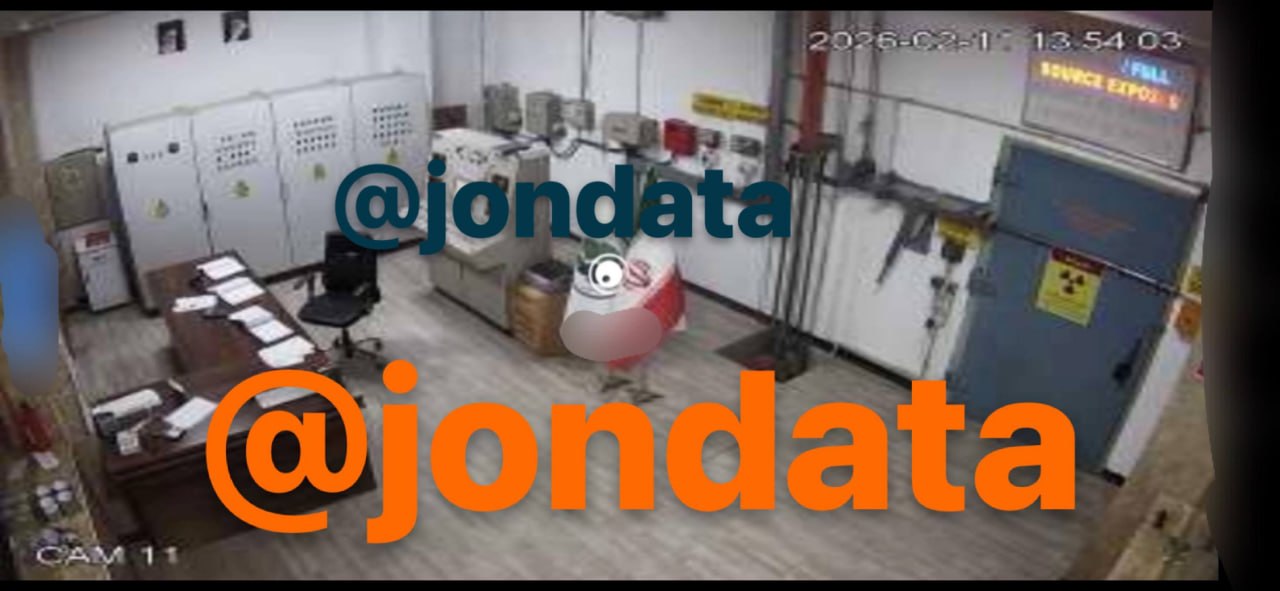
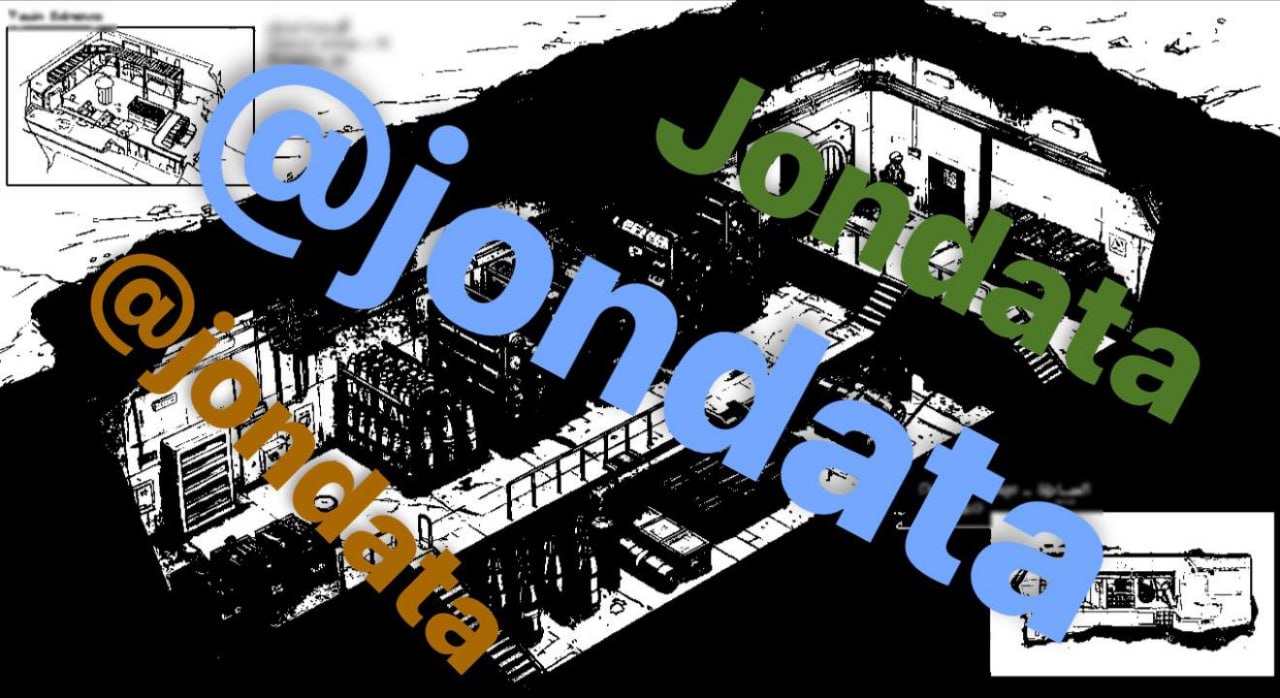
BellumActaNews supplied four photographic items illustrating the breach timeline, and the original post can be accessed at https://t.me/BellumActaNews/171852. The incident underscores the growing convergence of cyber capabilities with traditional strategic assets, as state‑linked facilities become vulnerable to non‑state actors operating across borders, often with tacit support from rival powers.
U.S. Naval Blockade of Iranian Ports
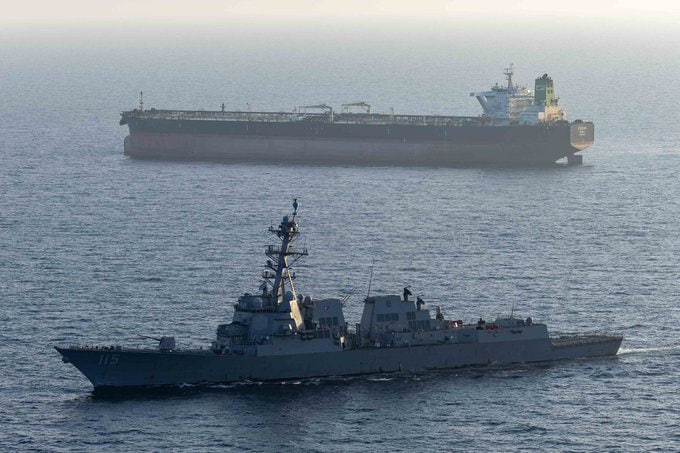
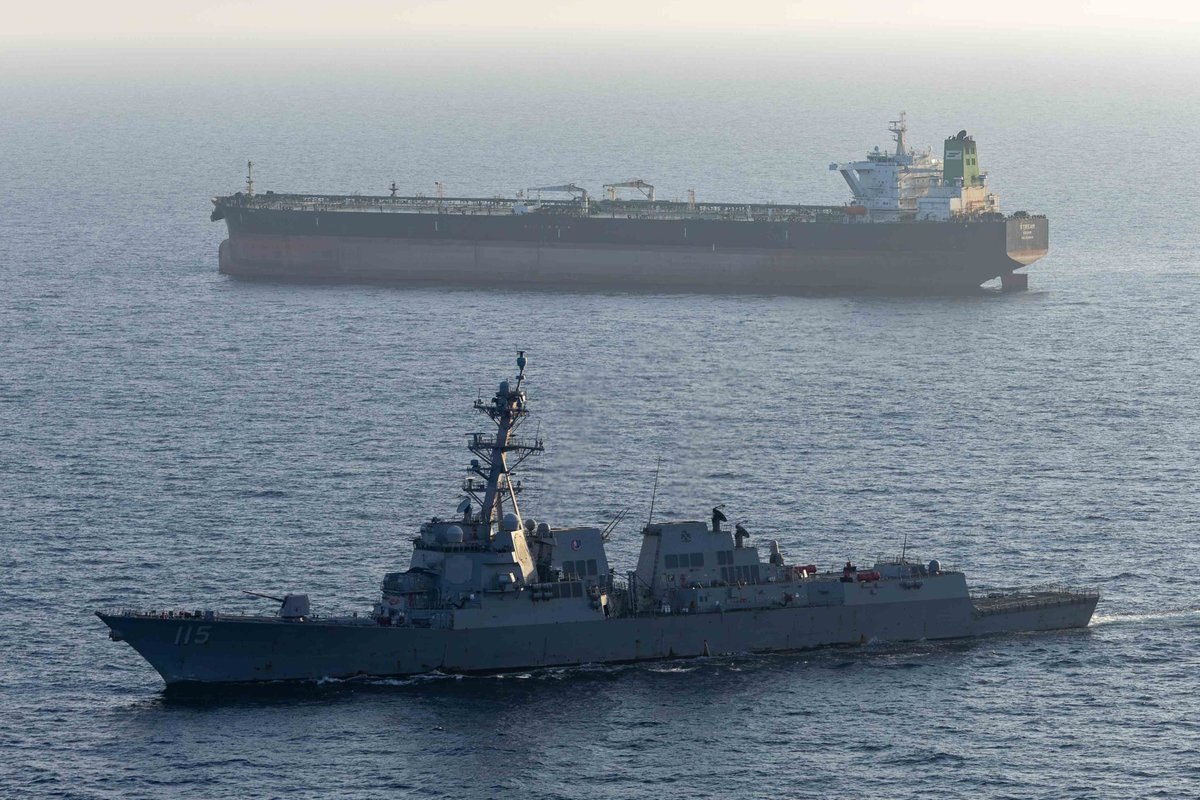
In a parallel development, the United States continued its maritime pressure campaign against Iran. According to reports from rnintel and monitor_the_situation, the guided‑missile destroyer USS Rafael Peralta (DDG‑115) intercepted the oil tanker M/T Stream on 26 April near the Strait of Hormuz, enforcing a blockade that began earlier in the month. The vessel, attempting to dock at an Iranian port, was ordered to halt and subsequently redirected away from Iranian waters.
"Guided‑missile destroyer USS Rafael Peralta (DDG 115) enforces the U.S. blockade of Iranian ports against M/T Stream after it attempted to sail to an Iranian port, April 26" – U.S. Central Command
The destroyer employed its standard guided‑missile suite to signal compliance, though no live weapons were fired. No injuries or fatalities were reported among the crew of the M/T Stream or the U.S. vessel. The operation, documented with a photograph on rnintel’s channel (https://t.me/rnintel/60046) and a separate image on monitor_the_situation (https://t.me/monitor_the_situation/13295), reflects ongoing U.S. efforts to restrict Iran’s oil export capacity and to signal resolve amid broader regional tensions.
By targeting commercial shipping, the United States leverages naval power to impose economic costs without escalating to open conflict. The repeated interceptions near the strategic chokepoint of the Strait of Hormuz amplify the risk of inadvertent escalation, especially given the proximity of Iranian naval assets and the dense traffic of civilian vessels.
Insurgent Assaults in Myanmar's Wawlay
Further east, the Karen “Cobra Column” insurgent group launched a coordinated attack against Burmese junta forces in the town of Wawlay, Myanmar, as reported by BellumActaNews at 03:49 UTC. The fighters employed a mixed arsenal that included RPG‑7 launchers firing MR‑1 armor‑piercing and MR‑2 high‑explosive anti‑tank rockets, M79 grenade launchers, M16A1 rifles equipped with M203 grenade launchers, and a variety of assault rifles.
#Myanmar (#Burma): Karen group “Cobra Column” carried out several strikes on Burmese Junta Forces in #Wawlay.
While casualty numbers were not disclosed, the use of both anti‑armor rockets and infantry weapons indicates an intent to neutralize both personnel and light armored vehicles. Video evidence posted on BellumActaNews (https://t.me/BellumActaNews/171857) shows the insurgents executing rapid, hit‑and‑run tactics typical of guerrilla warfare in the region.
The attack underscores the persistent volatility in Myanmar’s conflict zones, where ethnic armed organizations continue to challenge the military junta’s authority. The deployment of RPG‑7 systems, a legacy Soviet‑era weapon, reflects the enduring availability of low‑cost, high‑impact armaments among non‑state actors.
Collectively, these three events illustrate a pattern of multi‑domain pressure: cyber operations targeting strategic infrastructure, naval enforcement shaping economic flows, and insurgent firepower destabilizing internal security. The convergence of these tactics across disparate regions signals a broader shift toward hybrid conflict strategies that blur the lines between state and non‑state actors.