On April 28, 2026, the Israel Defense Forces (IDF) carried out a coordinated series of kinetic actions in southern Lebanon, highlighted by the demolition of the Bint Jbeil Stadium – a site long associated with Hezbollah’s propaganda. The operation, reported by rnintel, involved engineering units of the 98th Paratroopers Division and was framed as a direct strike against Hezbollah’s symbolic infrastructure.
Demolition of Bint Jbeil Stadium
The stadium, located in the town of Bint Jbeil, was destroyed by IDF engineering teams after a brief artillery barrage. The venue gained notoriety after former Hezbollah leader Hassan Nasrallah delivered a rallying speech there following Israel’s withdrawal from southern Lebanon in 2000. The demolition was presented by the IDF as a message that “the cobweb of spiders” Hezbollah relies upon is being dismantled.
"Bint Jbeil in the year 2000. Someone stood here, in this field, and claimed that Israel is a cobweb filled with spiders that must be…" – rnintel, 2026‑04‑28T11:34:33, source
No casualties were reported in the demolition, but the action underscores a shift toward targeting symbolic sites alongside tactical assets.
Wave of Airstrikes Across Southern Lebanon
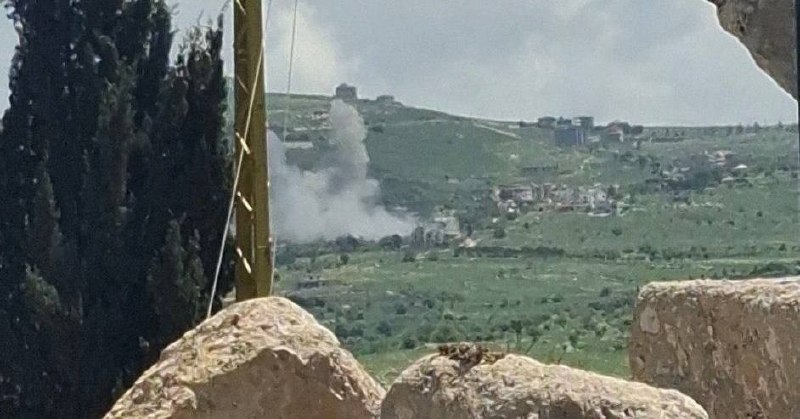
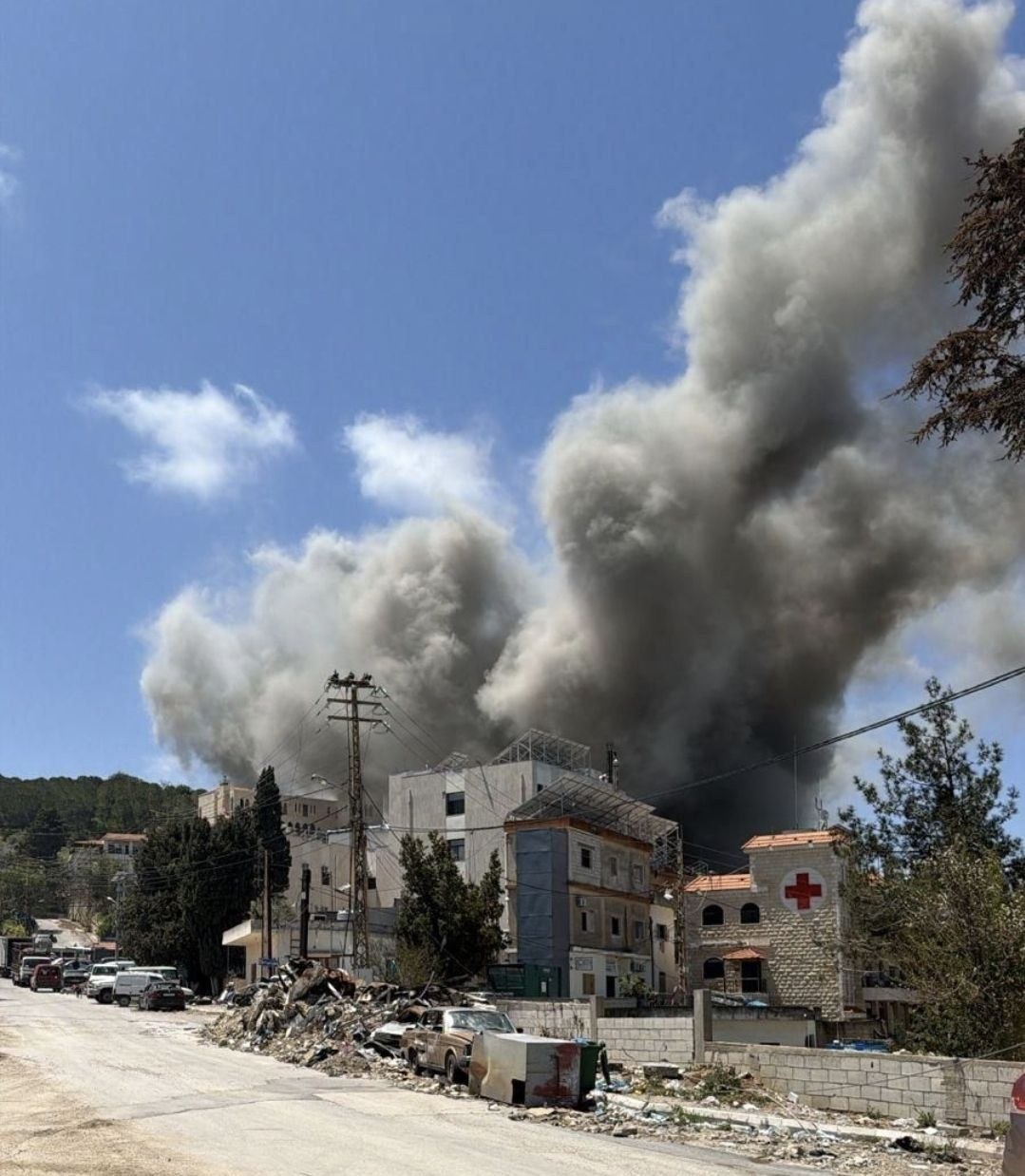
Earlier in the day, the IDF launched a broad wave of airstrikes that struck multiple locations in southern Lebanon, including the towns of Al‑Khiam and surrounding villages. rnintel documented extensive video footage of the aftermath, noting that the town of Al‑Khiam was left in ruins. The strikes employed precision‑guided munitions, though the specific weapon systems were not disclosed.
According to the same source, the air campaign was synchronized with ground operations, suggesting a combined‑arms approach aimed at degrading Hezbollah’s command‑and‑control nodes.
Dismantling of Hezbollah Tunnel Network
At 17:11 local time, the IDF announced the destruction of a large underground tunnel network extending approximately two kilometres in length and ten kilometres in width. JPost reported that the tunnel could accommodate thousands of fighters and was a critical component of Hezbollah’s cross‑border infiltration strategy.
The operation involved explosive charges placed by combat engineers, followed by verification via ground‑penetrating radar. No Israeli casualties were reported, and Hezbollah did not immediately comment on the loss.
Hezbollah Rocket Launch Toward Misgav Am
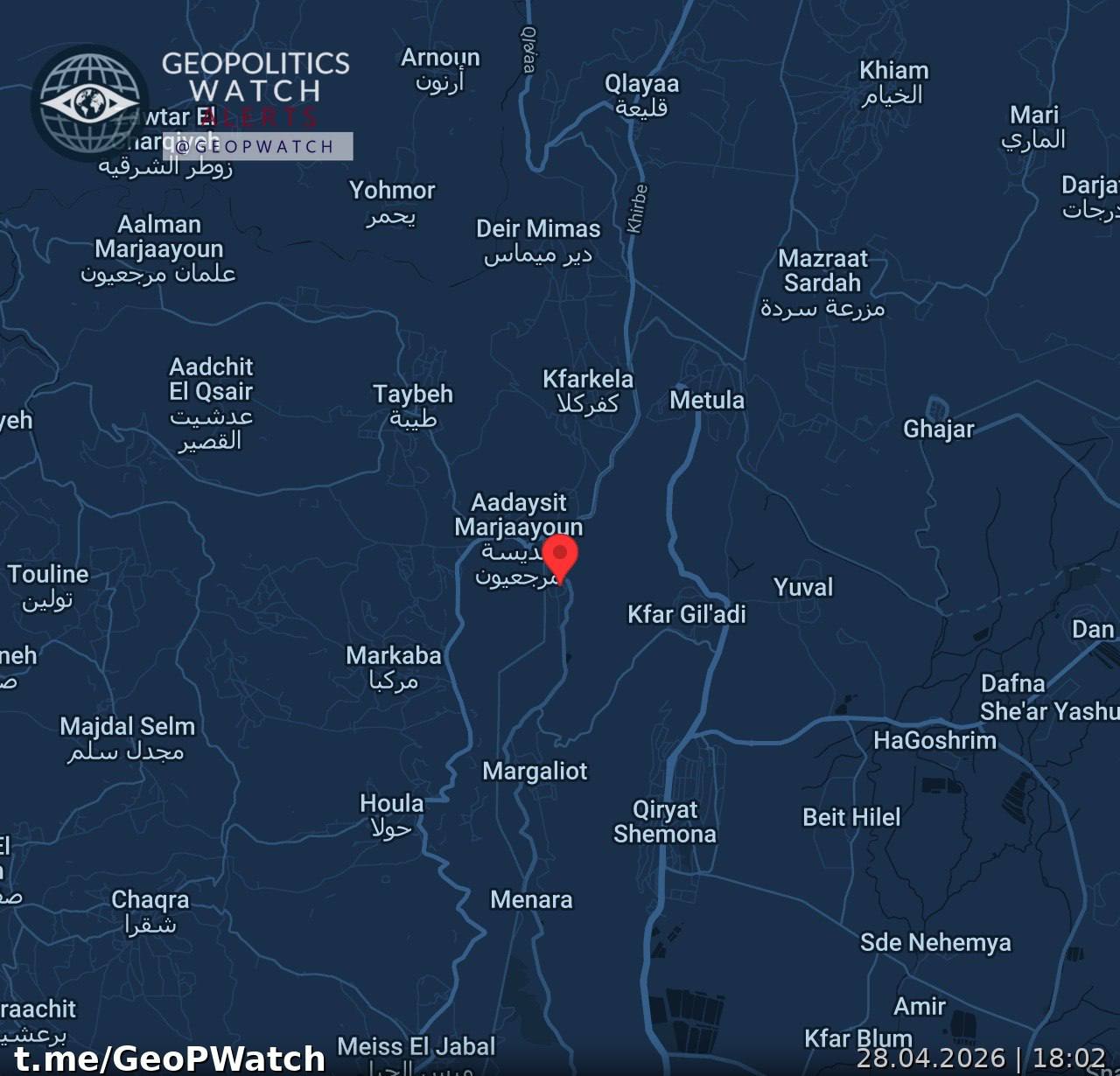
In a parallel escalation, Hezbollah fired a rocket toward the Israeli town of Misgav Am near the Lebanese border at 15:10. GeoPWatch captured a photo of the launch site and confirmed the projectile’s trajectory toward Israeli territory. The rocket did not result in injuries or material damage, but it triggered an immediate alert from the IDF, which responded with missile interceptions over southern Lebanon (source: idkunim_il, 2026‑04‑28T15:23:10).
Additional Kinetic Engagements
Other notable incidents on April 28 include:
- Shelling of Majdal Zoon, Tyre: Two Lebanese soldiers were wounded by Israeli fire (idkunim_il, 2026‑04‑28T17:55:28).
- Hezbollah FPV Drone Attacks: Drones targeted an IDF infantry gathering and a Merkava tank in Qantara, and an IDF bulldozer in Bint Jbeil. Both attacks resulted in no injuries (GeoPWatch, 2026‑04‑28T15:24:52 and 2026‑04‑28T15:21:08).
- Israeli Interceptor Missile: An interceptor missile was launched against an unidentified aerial target over southern Lebanon (monitor_the_situation, 2026‑04‑28T06:15:56).
Casualties and Humanitarian Impact
While the demolition of the stadium and the airstrikes caused extensive material damage, reported casualties were limited to the two Lebanese soldiers wounded in Majdal Zoon. No civilian deaths were confirmed in the Lebanese theater on this date. However, the cumulative effect of repeated strikes has strained local infrastructure, limiting access to medical services and exacerbating displacement.
Strategic Assessment
The coordinated nature of the IDF’s operations—combining demolition, airstrikes, tunnel destruction, and missile interceptions—indicates a deliberate effort to degrade Hezbollah’s operational depth ahead of the upcoming summer season, when cross‑border activity historically intensifies. Targeting symbolic sites such as the Bint Jbeil Stadium serves both a tactical and psychological purpose, aiming to erode Hezbollah’s narrative of resilience.
Hezbollah’s continued use of rockets and FPV drones demonstrates its reliance on low‑cost, asymmetrical weapons to maintain pressure on Israeli border communities. The limited effectiveness of these attacks, as evidenced by the lack of casualties, suggests a growing disparity in firepower and detection capabilities between the two sides.
Overall, the events of April 28 reflect an escalation in kinetic engagements that could set the stage for further confrontations if diplomatic channels remain stalled.