On 28 April 2026, the deadliest incident of the current cross‑border escalation was recorded when Israeli Sergeant Idan Fooks was killed by a Hezbollah‑operated drone in southern Lebanon and subsequently buried in Petah Tikva Cemetery, Israel. The burial, reported by JPost, underscores the lethal capability of Hezbollah’s unmanned aerial systems and the personal cost of the conflict.
"Fallen soldier Sgt. Idan Fooks laid to rest in Petah Tikva cemetery" – JPost, 28 April 2026
Sergeant Fooks fell after a Hezbollah drone detonated near his unit’s position on Sunday, marking the first Israeli fatality directly attributed to a Lebanese‑based UAV attack this year. The incident has heightened Israeli military vigilance and prompted a series of retaliatory strikes.
Israeli Airstrikes Target Hezbollah Positions in Zouter
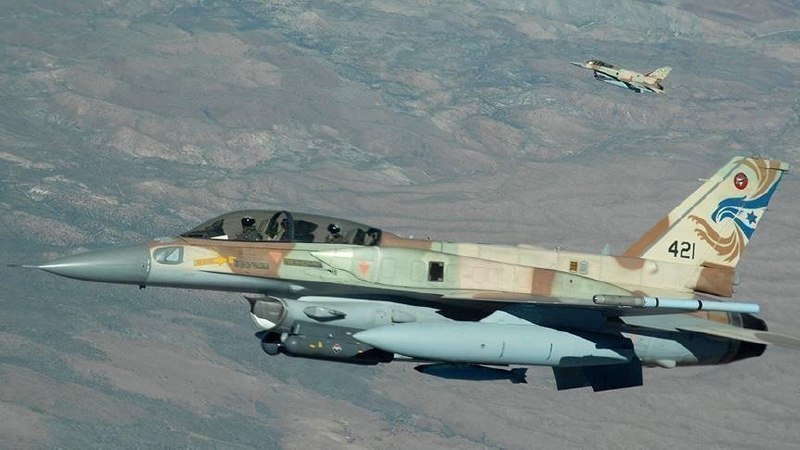
At 04:35 GMT, the Israeli military conducted an airstrike on the town of Zouter in southern Lebanon, aiming at identified Hezbollah positions. The operation, documented by the Telegram channel monitor_the_situation, included video footage of the strike and was described as part of a broader effort to neutralize militant infrastructure south of the Litani River.
"Israeli Forces Bomb Zouter in Southern Lebanon" – monitor_the_situation, 28 April 2026
The strike did not report immediate civilian casualties, but it reflects Israel’s intent to apply pressure on Hezbollah strongholds following the drone‑related fatalities.
Hezbollah Attempts to Down Medical Evacuation Helicopter
Later that morning, at 05:26 GMT, the Israel Air Force released a preliminary investigation confirming that Hezbollah attempted to target a medical evacuation helicopter with a drone in southern Lebanon. The report, also from JPost, indicated that the helicopter’s pilots took off under fire, bypassing their commander to avoid further risk.
"IAF probe finds pilots took off under fire, bypassing commander in Lebanon helicopter attack" – JPost, 28 April 2026
While the helicopter was not hit, the incident demonstrates Hezbollah’s willingness to engage high‑value assets, raising concerns about the safety of medical evacuation missions in the contested zone.
FPV Drone Wounds Two Israeli Soldiers
At 04:44 GMT, a separate incident was reported by the Telegram channel rnintel. Two Israeli Defense Forces (IDF) soldiers were wounded after a Hezbollah first‑person‑view (FPV) drone struck them in southern Lebanon. Both soldiers were evacuated for medical treatment.
"Israel announces that two IDF soldiers have been wounded and evacuated from southern Lebanon after being struck by a Hezbollah FPV drone" – rnintel, 28 April 2026
The use of FPV drones, which allow operators to navigate in real time, signals a tactical evolution in Hezbollah’s UAV operations, enabling precise targeting of ground troops.
Broadening Campaign Hits Beqaa Valley and Southern Front
Earlier in the day, at 01:01 GMT, the IDF announced a coordinated air campaign that struck more than 20 Hezbollah sites across southern Lebanon and the Beqaa Valley. The operation, reported by monitor_the_situation, targeted weapons manufacturing facilities and logistical hubs, expanding the battlefield beyond the immediate border area.
"Israeli Forces Strike Over 20 Hezbollah Targets in Southern Lebanon" – monitor_the_situation, 28 April 2026
The campaign illustrates Israel’s strategic aim to degrade Hezbollah’s operational capacity across multiple fronts, not solely in the immediate conflict zone.
Assessment of the Escalation
The sequence of events on 28 April demonstrates a rapid intensification of hostilities. Hezbollah’s deployment of both conventional drones and FPV systems has resulted in the first Israeli combat death attributed to a UAV, as well as injuries to additional soldiers and an attempted attack on a medical helicopter. In response, Israel has escalated its aerial campaign, targeting a wide array of Hezbollah assets in both southern Lebanon and the Beqaa Valley.
Both sides appear to be leveraging increasingly sophisticated unmanned technology, raising the risk of further casualties and broader regional instability. The documented incidents provide a clear picture of the current operational tempo and the expanding scope of the conflict.