At 12:46 GMT on 27 April 2026, coordinated air operations by the United States and Israel struck a total of 240 health facilities across the Islamic Republic of Iran. According to the Telegram channel monitor_the_situation, the attacks damaged 50 hospitals and 50 emergency centres, compounding an already severe humanitarian situation in the country. The strikes were reported without the use of conventional munitions, suggesting precision targeting of infrastructure rather than kinetic weaponry. No casualty figures were released in the initial report, but the loss of critical medical capacity is expected to increase civilian morbidity and mortality in the weeks ahead.
US‑Israeli Strikes Damage 50 Hospitals in Iran – monitor_the_situation, 27 Apr 2026
Impact on Iran’s Health System
The destruction of half a hundred hospitals represents a substantial reduction in inpatient and surgical capability for a nation already coping with pandemic‑related pressures and sanctions‑induced shortages. Emergency centres, which serve as first‑response hubs for trauma and acute illness, were also hit, potentially delaying treatment for injuries arising from ongoing regional conflicts. Health‑sector analysts warn that the loss of these facilities could force patients to travel longer distances, overburdening remaining hospitals and increasing the risk of secondary health crises.
Mali: Accelerating Rebel Advances and Foreign Withdrawals
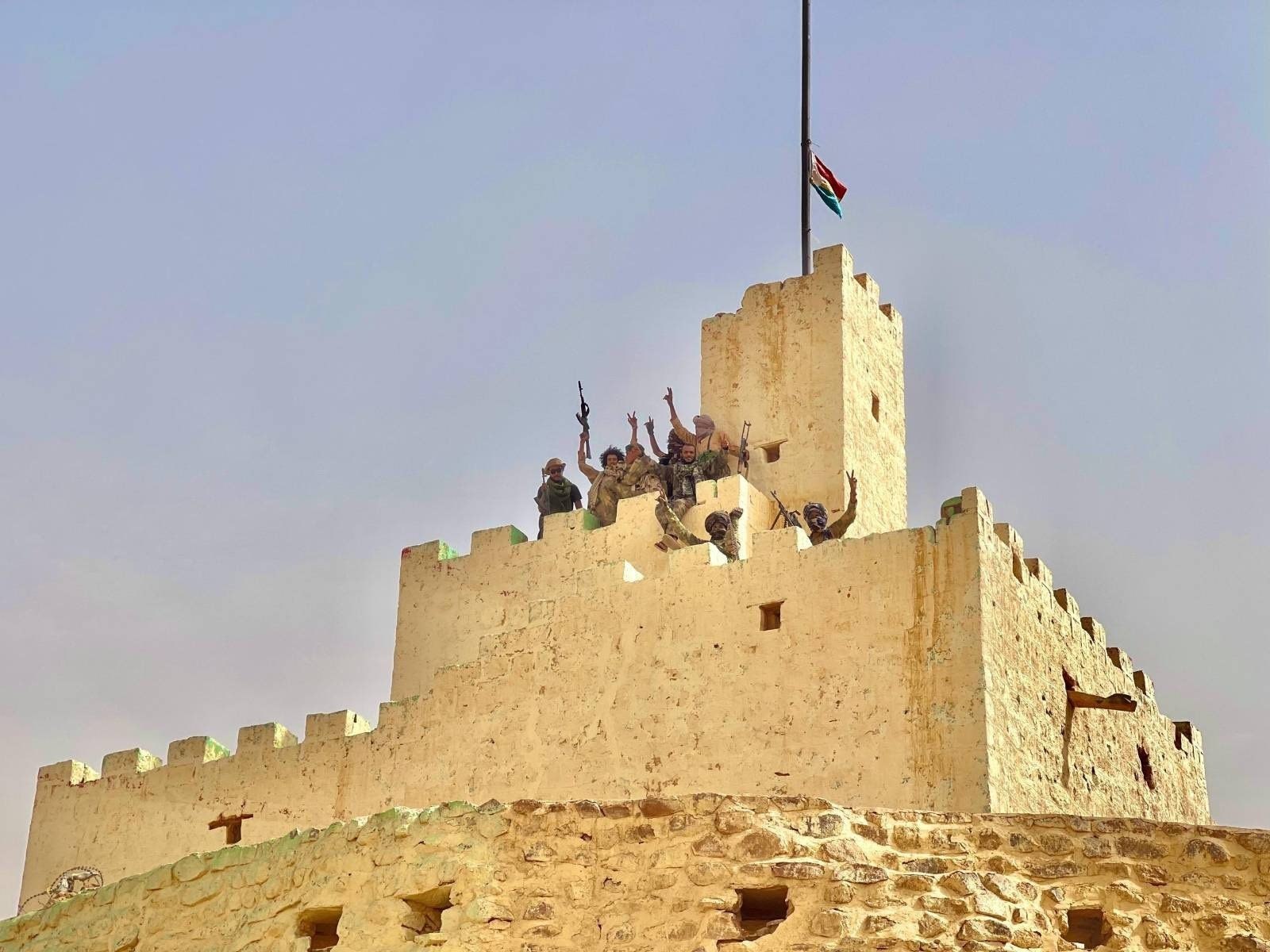
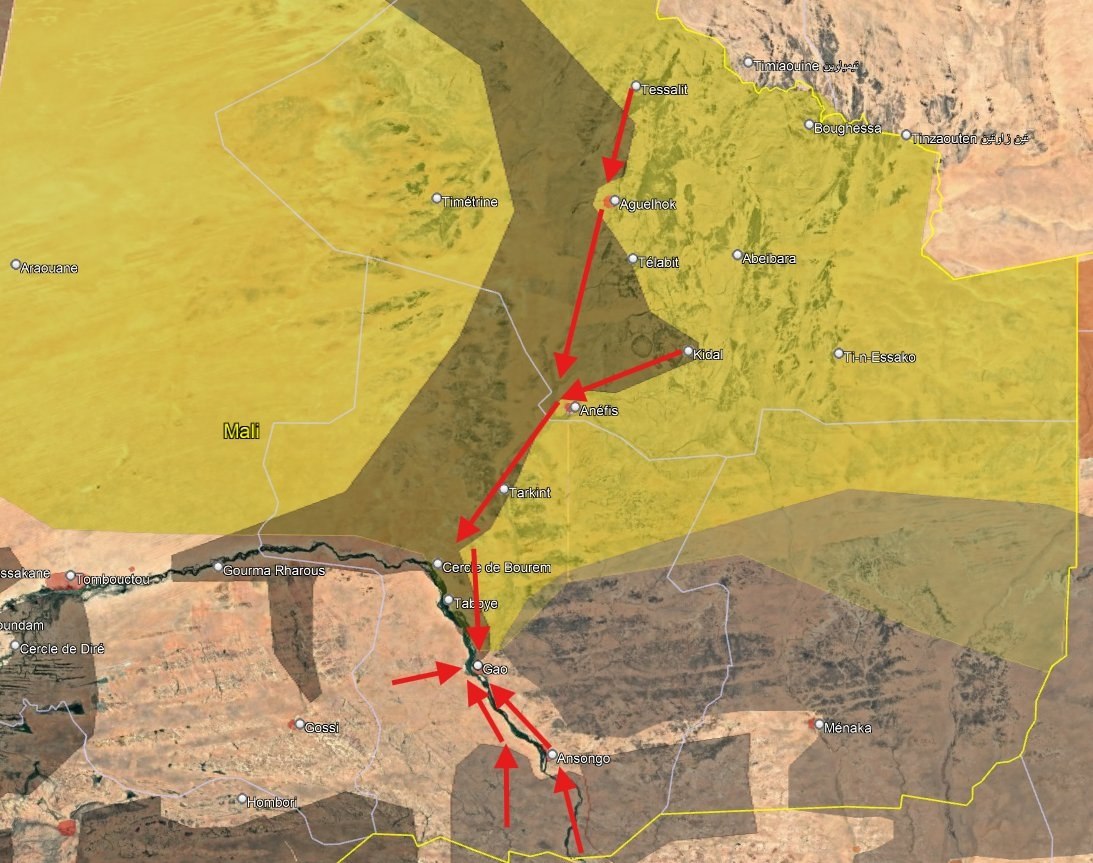
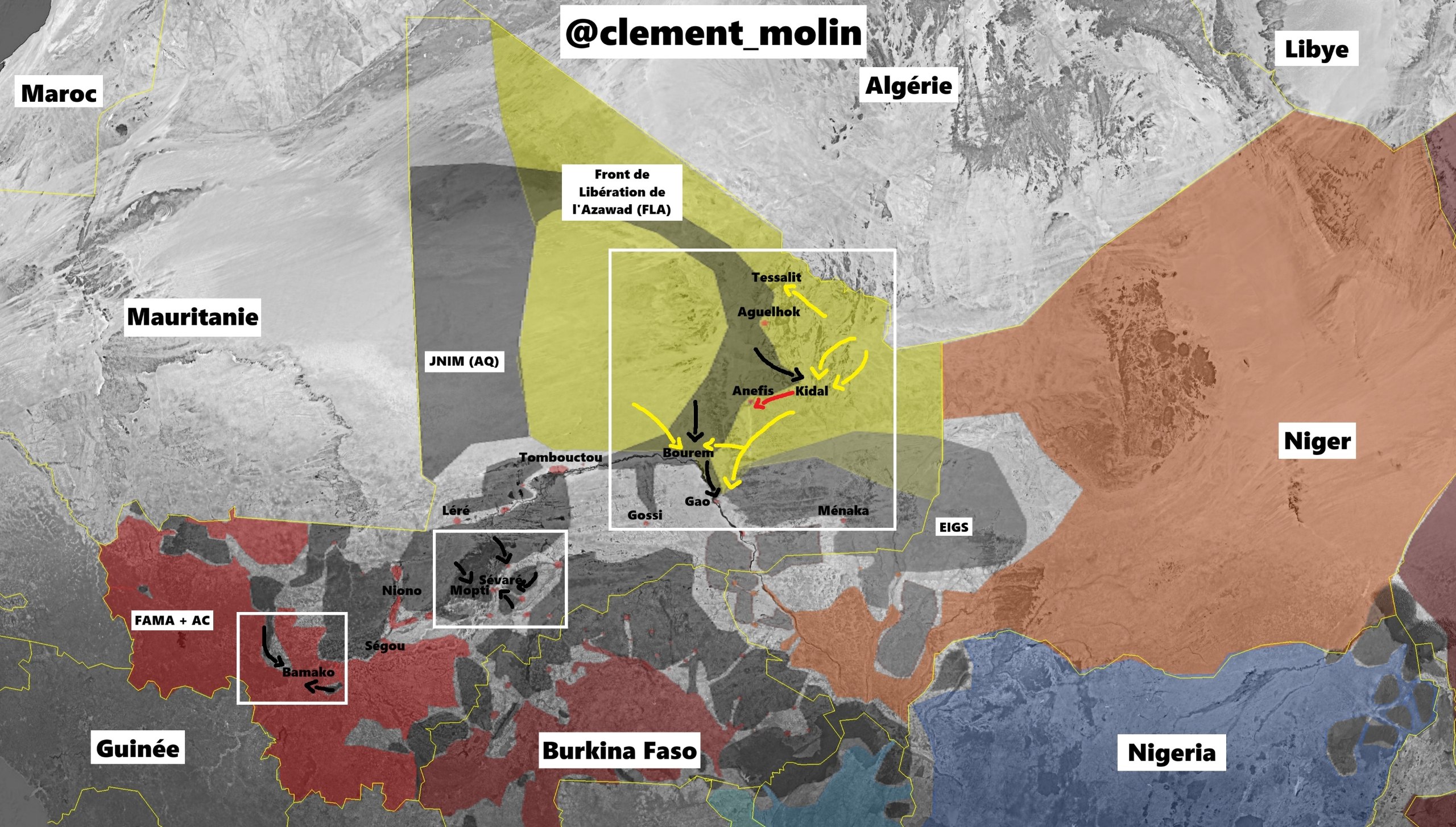
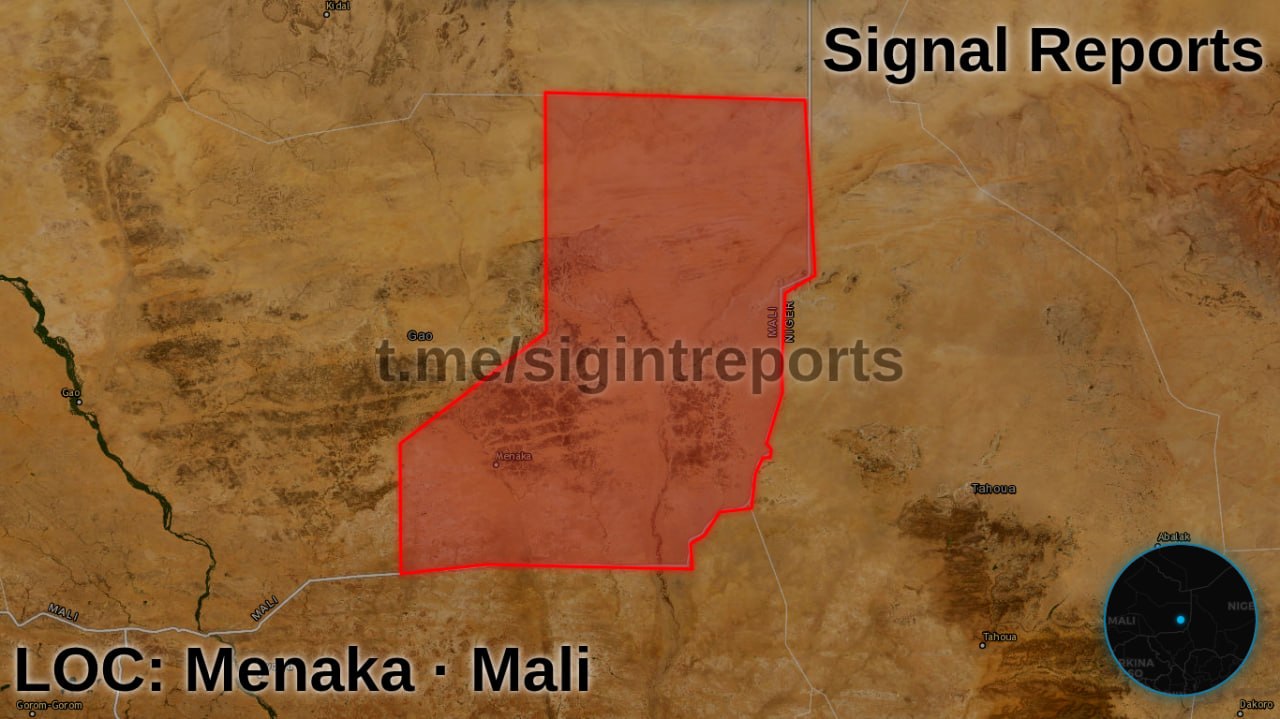
In parallel, the Sahel region experienced a cascade of ground movements. Between 13:36 GMT and 17:43 GMT, multiple Telegram sources documented the rapid erosion of government‑aligned forces in northern and southeastern Mali. The Russian‑led Africa Corps, operating alongside the Malian Armed Forces (FAMA), began withdrawing from key positions in the north, including the strategic town of Tessalit, after sustained pressure from the Front for the Liberation of Azawad (FLA) and the al‑Qaeda affiliate Jama’at Nasr al‑Islam wal Muslimin (JNIM). According to CIG_telegram, the Russian withdrawal was accompanied by the capture of Tessalit and attacks on air bases near Bamako.
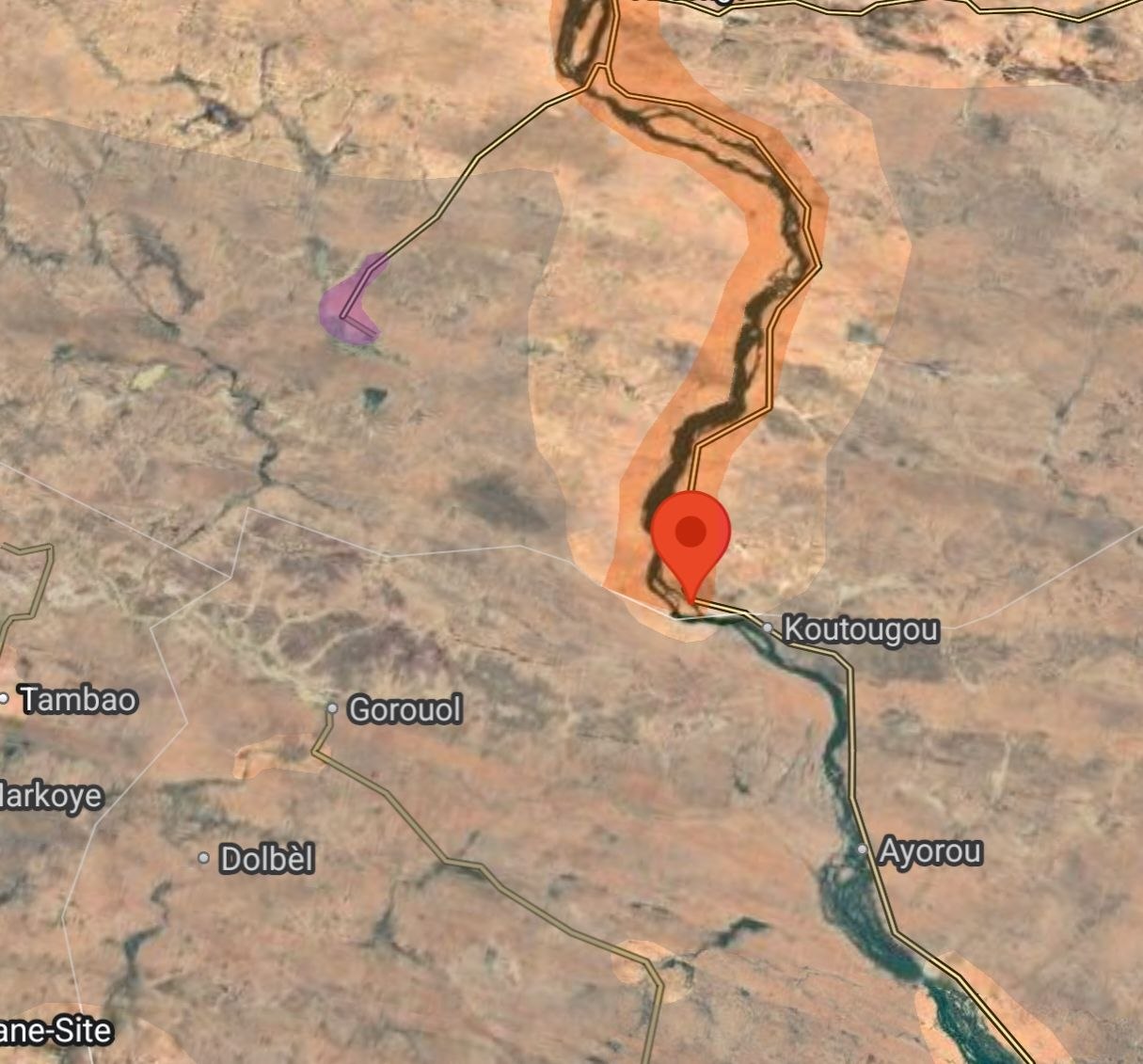
Subsequent reports from rnintel indicated that the town of Labbezanga, located near the Niger border, changed hands twice within a single day. At 17:38 GMT, Malian forces and the Africa Corps announced a withdrawal, conceding control to the Islamic State. Fifteen minutes later, FLA media claimed to have seized the same settlement, highlighting the fluidity of front‑line allegiances.
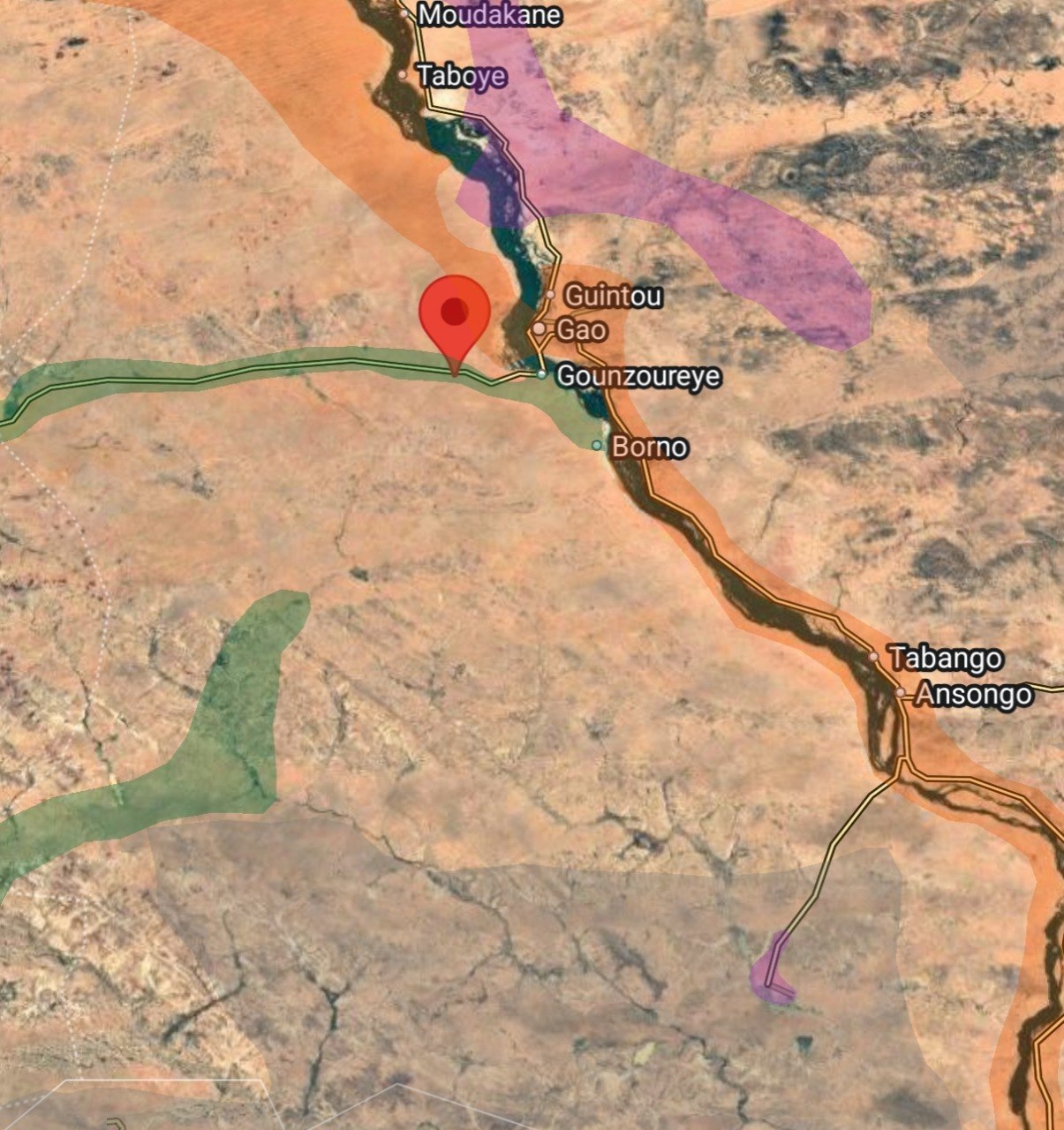
Additional movements included the capture of Intahaka, west of Gao, by the FLA‑JNIM alliance, and the reported five‑hour halt in rebel activity by ISSP and JNIM in eastern Mali, as noted by GeoPWatch. These developments suggest a coordinated effort by insurgent groups to consolidate territory while foreign mercenary forces retreat.
Drone Activity Across Multiple Theaters
Unmanned aerial systems (UAS) featured prominently in several incidents on 27 April. Hezbollah released first‑person view (FPV) footage of a drone strike that killed one Israeli soldier and wounded six, underscoring the group’s continued capability to conduct precision attacks against the Israel Defense Forces. The video, posted by rnintel, illustrates the evolving role of low‑cost, commercially available drones in asymmetrical warfare.
In the Sahel, Malian rebels employed FPV drones against Russian Africa Corps positions in Kidal over the weekend, as reported by monitor_the_situation. The attacks demonstrate the adoption of similar technology by non‑state actors in Africa, complicating the security calculus for both Russian and Malian forces.
Further north, Ukrainian‑aligned drones targeted Russian infrastructure, striking the Yaroslavnefteorgsintez oil refinery in Yaroslavl and the industrial city of Cherepovets in Vologda. Both incidents were documented by monitor_the_situation and reflect the broader pattern of cross‑border UAV strikes aimed at degrading Russian energy and industrial capacity.
Analytical Overview
The simultaneous occurrence of high‑intensity airstrikes in Iran and rapid territorial shifts in Mali highlights a broader trend of kinetic engagements extending beyond traditional battlefields. In Iran, the joint US‑Israeli operation signals a willingness to target civilian infrastructure to achieve strategic pressure, raising concerns about compliance with international humanitarian law. In Mali, the withdrawal of Russian forces and the ascendancy of rebel coalitions indicate a weakening of state‑backed security arrangements, potentially creating a vacuum that extremist groups such as the Islamic State are eager to fill.
Drone technology emerges as a common denominator across these disparate conflicts. The accessibility of FPV platforms enables both state and non‑state actors to conduct precise strikes with minimal logistical footprints, blurring the line between conventional and irregular warfare.