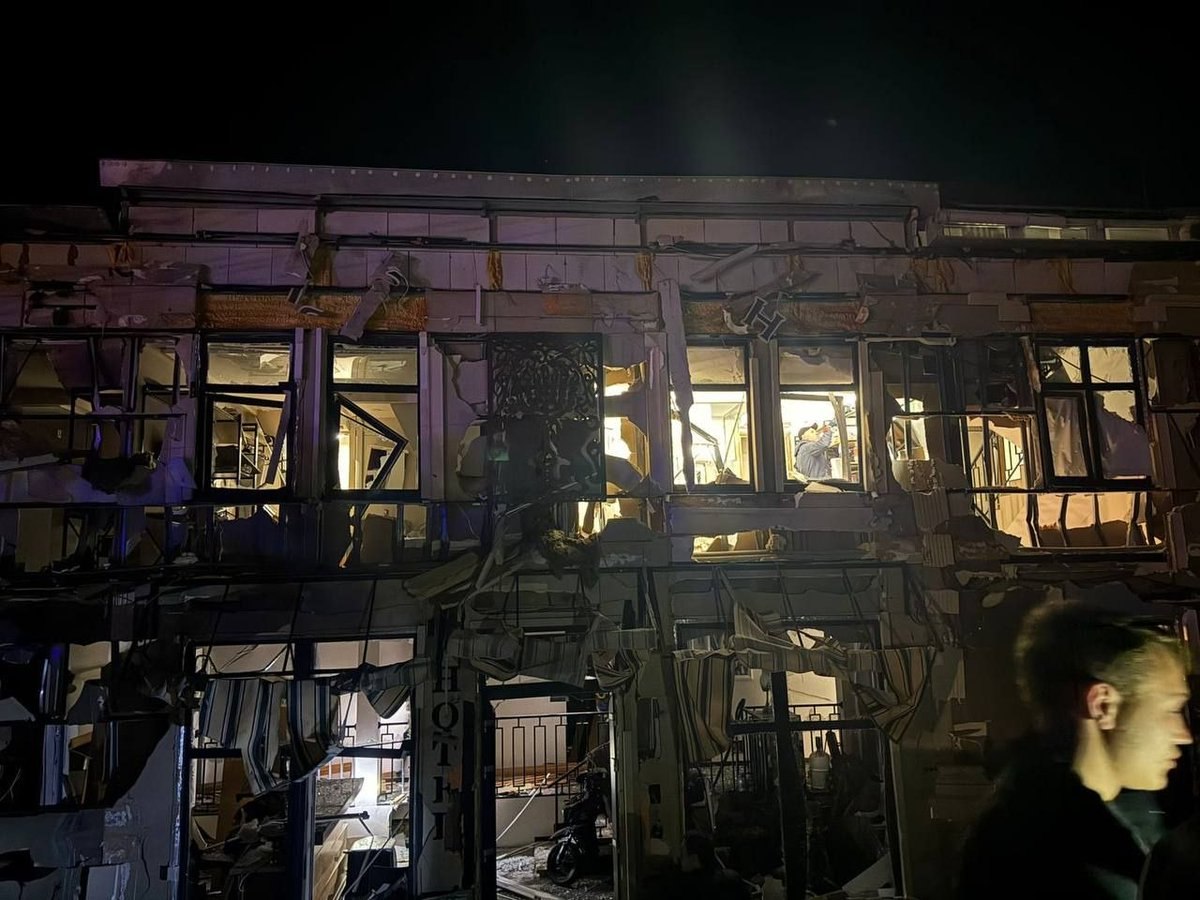
On 27 April 2026, Russian unmanned aerial vehicles (UAVs) conducted a coordinated strike on residential districts and a hotel in Odesa, resulting in at least 13 civilian injuries. The attack, reported by the Telegram channel monitor_the_situation, underscores a renewed emphasis on kinetic operations in urban centers and raises concerns about civilian protection in contested zones.
Russian drones targeted apartment buildings and a hotel across multiple districts in Odesa, Ukraine, injuring at least 13 civilians.
Odesa UAV Attack – Immediate Impact
The UAVs, identified only as generic Russian drones, approached the city from the Black Sea direction, releasing munitions that struck multi‑storey apartments and a four‑star hotel. Local emergency services reported 13 individuals with varying degrees of injuries, primarily shrapnel wounds, and no fatalities at the time of reporting. The incident aligns with a pattern of Russian aerial harassment of coastal cities, aiming to disrupt civilian morale and strain emergency response capacities.
Zaporizhzhia Nuclear Plant Fortifications
In a separate development, Russian forces intensified fortifications at the Zaporizhzhia Nuclear Power Plant, a site under Russian control since 2022. According to the same source channel, the militarization includes the deployment of additional infantry units, anti‑aircraft systems, and the construction of reinforced barriers around the reactor complex. While no weapons were directly employed in the fortification, the presence of armed personnel heightens the risk of accidental damage to nuclear infrastructure, prompting renewed warnings from the International Atomic Energy Agency (IAEA).
Russia Militarizes Zaporizhzhia Nuclear Plant, Ukraine
Underground Tunnel Construction Near Donbas Frontline
At 15:11 UTC, satellite imagery and on‑the‑ground reports confirmed that Russian engineers were excavating an underground tunnel near the Donbas frontline. The tunnel, intended to facilitate the covert movement of troops and materiel, aims to mitigate the effectiveness of Ukrainian drone surveillance. No combat casualties were reported during the construction phase, but the development signals a strategic shift toward subterranean logistics to sustain offensive operations.
Ukrainian Rocket Strikes on Russian‑Occupied Ammunition Depots
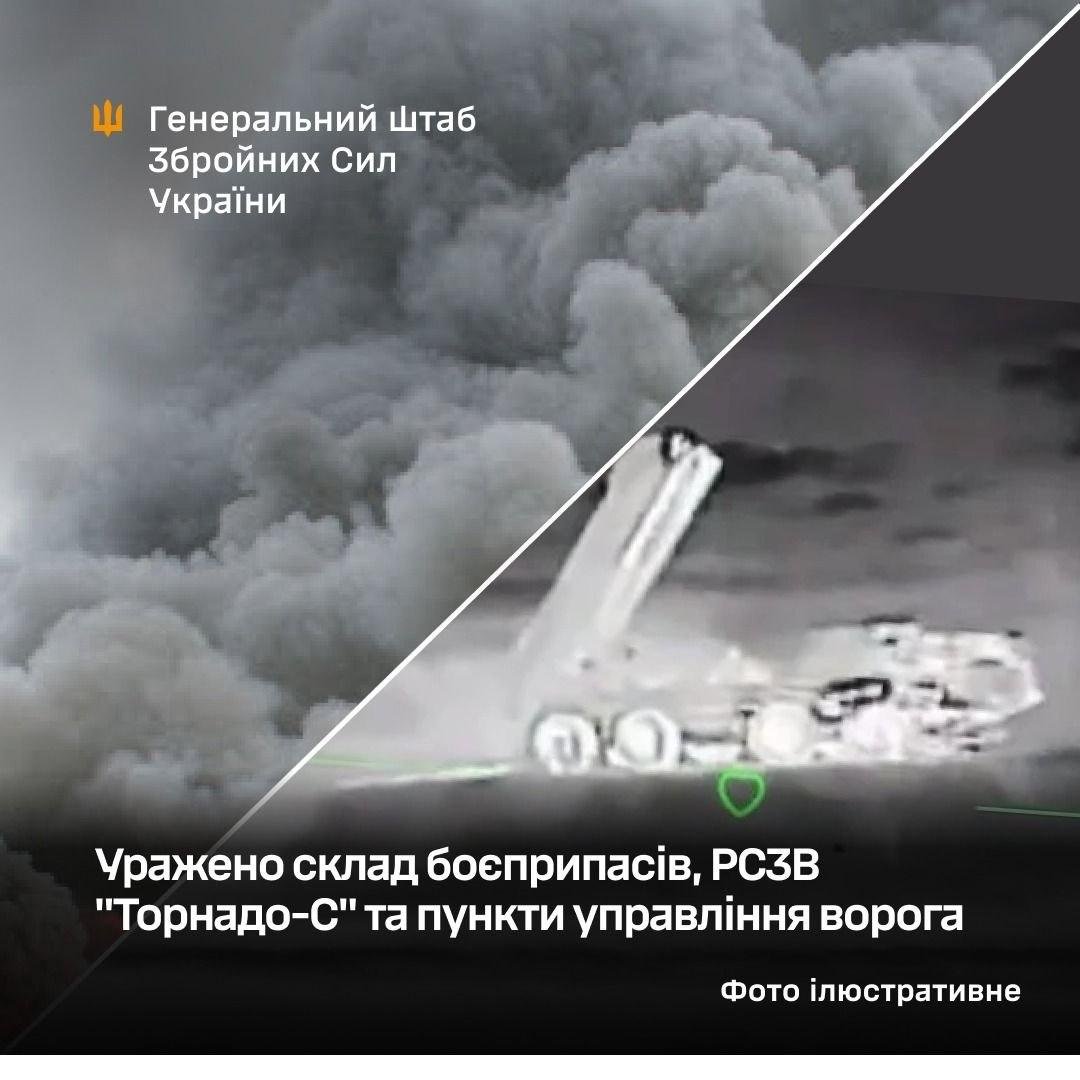
Ukrainian forces employed Tornado‑S multiple launch rocket systems (MLRS) to strike ammunition depots and command posts in the Russian‑occupied portions of Donetsk and Zaporizhzhia oblasts. The attacks, documented by monitor_the_situation, targeted stored munitions, a Tornado‑S battery, and a UAV command hub, aiming to degrade Russian firepower and logistical capacity. While casualty figures were not disclosed, the destruction of ammunition stocks is expected to impede Russian artillery operations in the short term.
Destruction of Sunflower Oil Tank at Chornomorsk Port
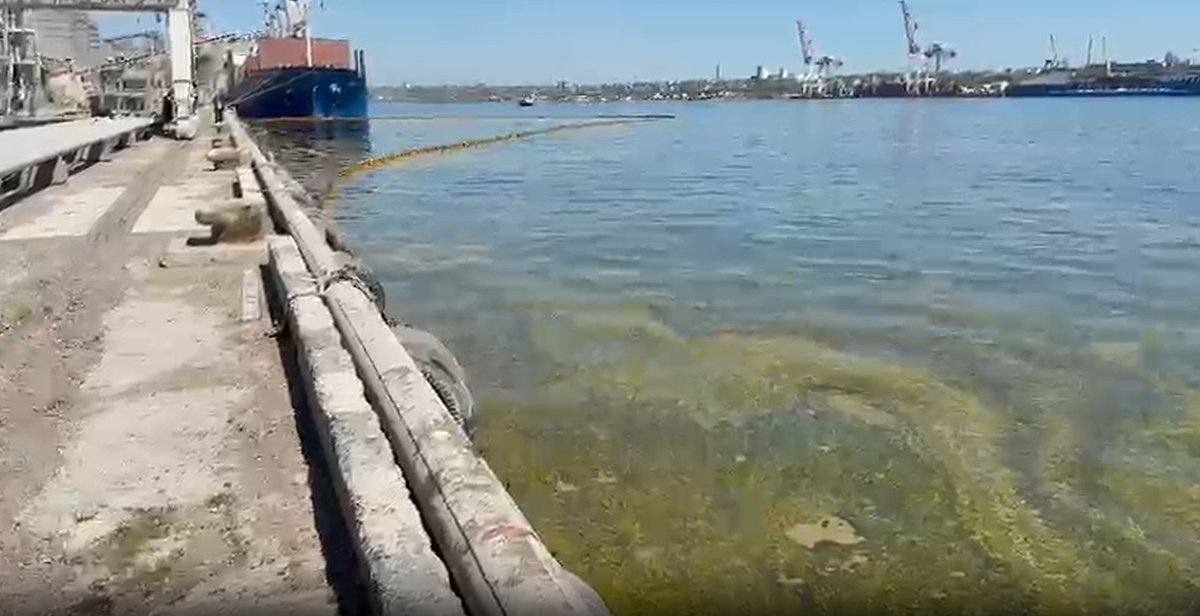
At 12:33 UTC, a Russian strike hit the Chornomorsk port in Odesa Oblast, destroying a 6,000‑tonne sunflower oil storage tank. The impact caused a significant fire and an oil spill into the port waters, threatening maritime traffic and local environmental conditions. No civilian casualties were reported, but the loss of the tank represents a notable economic blow to Ukraine’s agricultural export capacity.
Russian Advances Near Kostyantynivka
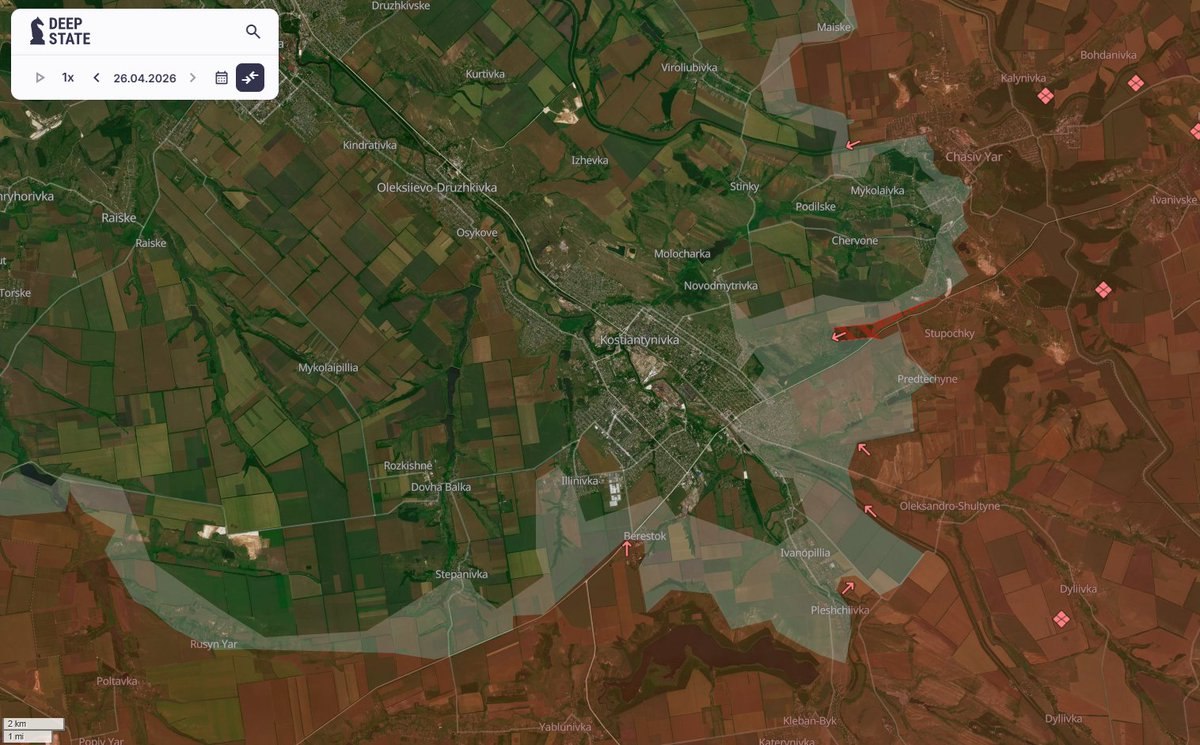
Over the preceding five days, Russian troops have made incremental gains near Kostyantynivka and adjacent settlements such as Kupyansk, Hryshyne, and Rodynske. Updated frontline maps released by the monitoring channel indicate a forward movement of up to 2‑3 km, consolidating Russian positions in the Donetsk Oblast. The advance was achieved without reported direct engagements, suggesting a combination of artillery pressure and maneuver warfare.
Drone Strike Near Zaporizhzhia NPP Kills Driver
At 08:41 UTC, a drone strike near the transport workshop of the Zaporizhzhia Nuclear Power Plant resulted in the death of a civilian driver. The IAEA, cited in the source material, highlighted the incident as a breach of nuclear safety protocols, emphasizing that attacks in proximity to nuclear facilities elevate the risk of radiological incidents.
Drone Strike Kills Driver Near Zaporizhzhia Nuclear Plant, Ukraine
Geran‑2 Drone Attack on Dnipro Oil Depot
Footage released by monitor_the_situation shows a Russian Geran‑2 UAV striking an oil depot in Dnipro on 25 April, with the video resurfacing on 27 April. The strike caused a localized fire but no reported injuries. The Geran‑2, a repurposed commercial drone equipped with explosives, continues to be a staple of Russian low‑cost aerial attacks on logistical targets.
Ukrainian Recapture of Oleksandrivka Village
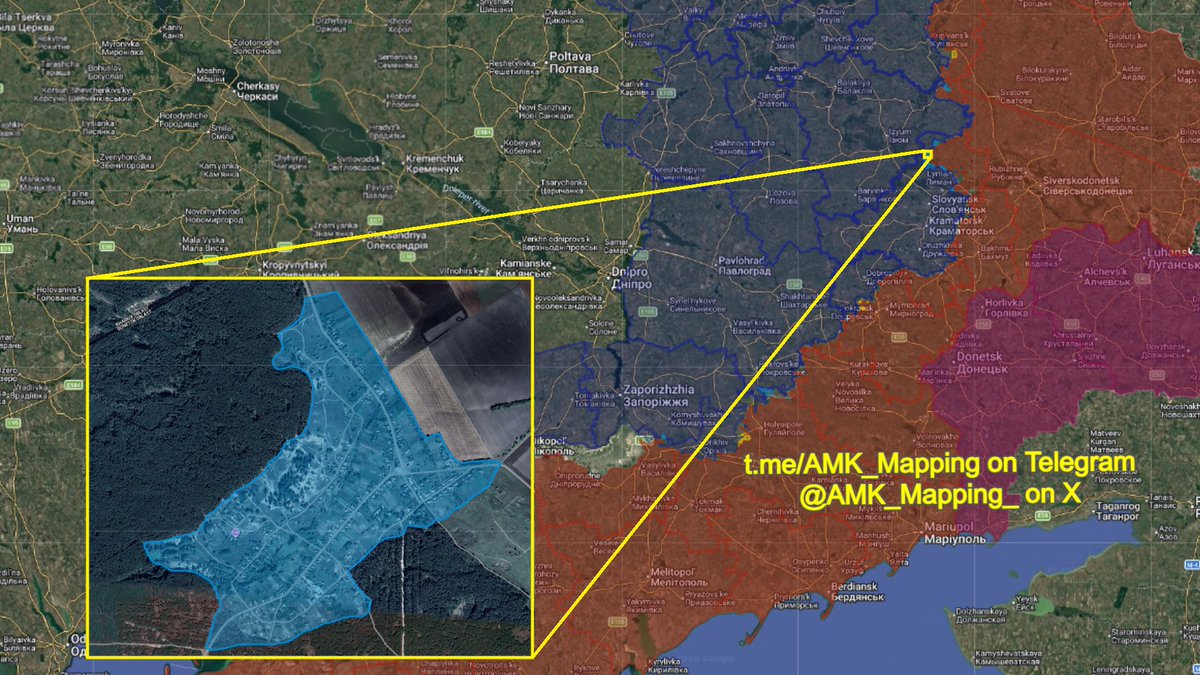
Ukrainian forces reclaimed the village of Oleksandrivka in Donetsk Oblast after three months of contested fighting. The village, with a pre‑war population of 499, now falls under Ukrainian control, marking a modest but symbolically important territorial gain on the Svyatohirsk direction near Kramatorsk. No casualty figures were released, but the operation demonstrates Ukraine’s capacity to conduct localized offensives despite broader front‑line stalemates.
Expansion of Ukrainian Drone Operations in Donetsk Oblast
Ukrainian Unmanned Systems Forces extended their operational reach deeper into Russian‑occupied Donetsk Oblast, striking logistics depots, infrastructure, and command facilities. The campaign, reported by the same monitoring channel, leverages small‑scale FPV and loitering drones to disrupt supply lines and degrade command‑and‑control capabilities. While specific damage assessments remain pending, the increased frequency of drone incursions suggests a growing emphasis on asymmetric aerial tactics.
Ukrainian FPV Drone Strikes on Russian Black Sea Fleet Vessels in Crimea
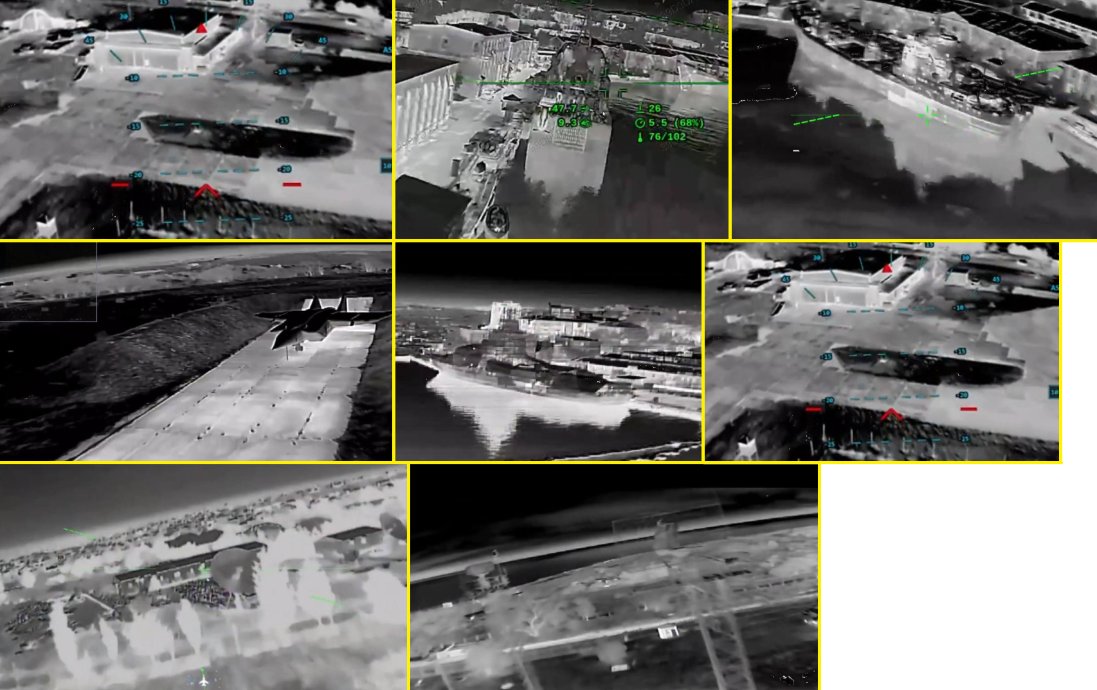
In a separate theater, Ukrainian FPV drones targeted Russian Black Sea Fleet landing ships stationed in Crimea, including the Ropucha‑class vessels Yamal and Filchenkov, as well as a Yury Ivanov‑class ship. The attacks, documented by the Security Service of Ukraine (SBU), resulted in visible damage to the hulls and deck equipment, though no crew casualties were reported. The operation highlights the expanding role of low‑cost, high‑precision UAVs in maritime interdiction.