On 27 April 2026, Israeli air power delivered the deadliest strike of the day in southern Lebanon, killing at least fourteen civilians and displacing dozens more. The attack, reported by Al Jazeera, underscores a rapid deterioration of the fragile cease‑fire that has held since the end of 2023, and it marks the most lethal kinetic event in Lebanon for the month.
High‑intensity airstrikes in the south
At 14:48 UTC, Israeli aircraft bombed multiple targets in the southern governorates, including the villages of Kafra and Marjayoun. The strikes destroyed residential structures and a suspected Hezbollah weapons depot, resulting in fourteen confirmed deaths and an unknown number of injuries. The operation was described by Al Jazeera as “Israel’s deadly attacks amid ceasefire breaches.”
Source: Al Jazeera, 27 April 2026 – https://www.aljazeera.com/video/newsfeed/2026/4/27/aje-onl-aje_onl_lebanon_wrap-270426
Simultaneously, the Israeli Air Force conducted additional sorties in the Bekaa Valley, targeting what it identified as Hezbollah command and control sites. The monitor_the_situation feed recorded the strikes at 11:33 UTC, noting the involvement of the Israeli Air Force and Hezbollah as the opposing party. No casualty figures were released for the Bekaa operation, but the targeting of inland infrastructure signals an expansion of the conflict beyond the traditional front line.
Hezbollah’s escalating UAV campaign
Hezbollah responded with a series of first‑person view (FPV) drone attacks across the south. At 17:27 UTC, a Hezbollah‑operated FPV drone struck Israeli soldiers repairing a Merkava IV tank in Taybeh, killing one soldier and wounding six. The video, posted on monitor_the_situation, showed the drone diving at low altitude before detonating near the tank crew.
Source: monitor_the_situation, 27 April 2026 – https://t.me/monitor_the_situation/13236
Earlier, at 15:19 UTC, Hezbollah released footage of two FPV drones attacking Israeli troops and evacuation forces in Tyre. The drones reportedly engaged a convoy of soldiers and medical personnel, though no casualties were confirmed in the released material.
Source: monitor_the_situation, 27 April 2026 – https://t.me/monitor_the_situation/13219
Additional drone incidents were documented throughout the day: a near‑miss on a Black Hawk helicopter during a medical evacuation (12:34 UTC), an explosive drone that detonated without casualties (12:34 UTC, idkunim_il), and a failed strike on an Israeli HMMWV in Qantara on 24 April (15:45 UTC, GeoPWatch). These actions illustrate Hezbollah’s reliance on low‑cost, high‑impact UAVs to contest Israeli air superiority and to inflict personnel losses.
Ground engagements and mortar fire
Hezbollah also claimed to have attacked Israeli military vehicles and soldiers in southern Lebanon at 06:11 UTC, though specific casualty data were not provided. The statement, posted on monitor_the_situation, aligns with a pattern of small‑scale ground assaults that accompany aerial exchanges.
In the Bekaa Valley, Israeli airstrikes at 11:33 UTC targeted Hezbollah infrastructure, suggesting a coordinated effort to degrade the group’s logistical network across both front‑line and interior zones.
Strategic implications
The concentration of kinetic events on 27 April reflects a coordinated escalation by both sides. Israeli air power continues to focus on degrading Hezbollah’s command structures, weapons caches, and cross‑border launch sites, while Hezbollah leverages FPV drones to conduct asymmetric attacks against Israeli ground forces and armored assets. The use of drones, including explosive‑laden and projectile‑fitted variants, demonstrates a tactical shift toward precision strikes that can be launched from within Lebanese territory without exposing personnel to direct retaliation.
These developments occur against a backdrop of broader regional tension, including maritime blockades in the Strait of Hormuz and heightened Iranian drone activity targeting U.S. radar installations. While those events lie outside Lebanon, they contribute to a security environment that incentivizes proxy actors like Hezbollah to intensify their operations.
Humanitarian impact
The civilian death toll from the southern Lebanon airstrike brings the total number of Lebanese civilian casualties for the week to at least fourteen, with additional displacement reported in the affected villages. The United Nations Relief and Works Agency (UNRWA) has not yet released an official damage assessment, but local authorities indicate that essential services, including electricity and water, have been disrupted in the strike zones.
Hezbollah’s drone attacks have also resulted in civilian harm. The Taybeh strike that killed an Israeli soldier also caused collateral damage to nearby residential structures, though no Lebanese civilian casualties were reported in that incident.
Outlook
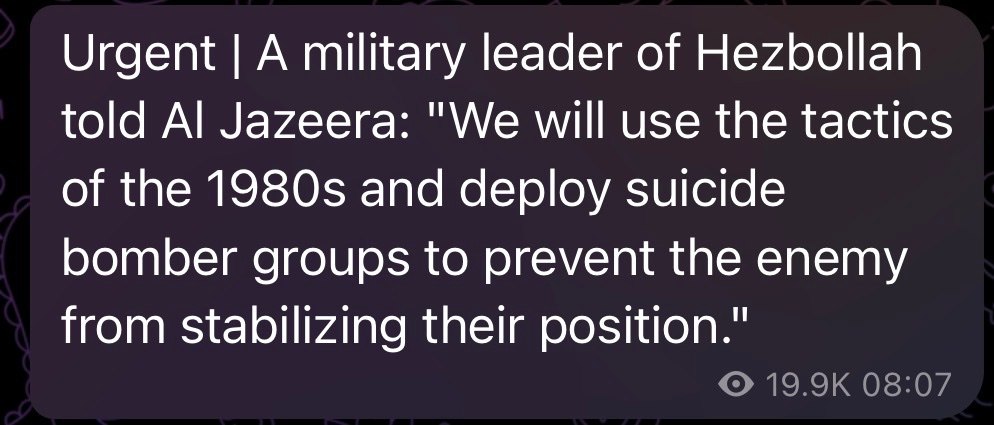
Both parties have signaled a willingness to continue kinetic operations. Hezbollah announced on 13:51 UTC that it would increase suicide bomber attacks against IDF positions, while Israeli military spokespeople have reiterated the objective of “neutralizing all terrorist infrastructure” in Lebanon. The pattern of daily airstrikes, UAV assaults, and ground engagements suggests that the cease‑fire is unlikely to hold without diplomatic intervention.