The Israel Defense Forces (IDF) released a detailed investigation confirming that Hamas infiltrators carried out a deadly assault on Kibbutz Holit on October 7, resulting in the deaths of 13 civilians and the abduction of nine hostages. The findings, published by JPost, underscore the enduring impact of the Oct. 7 offensive and highlight the continued vulnerability of civilian communities in the southern Gaza border region.
"The IDF’s investigation into the Hamas attack on Kibbutz Holit reveals devastating losses, including 13 civilians killed and 9 hostages taken," JPost reported.
The report indicates that the attackers entered the kibbutz without the use of heavy weaponry, relying on small arms and close‑quarter tactics to overwhelm residents. No additional weapons were recovered at the scene, and the IDF has not disclosed the exact method of hostage extraction, citing operational security. The investigation also notes that the incident prompted an immediate mobilization of reserve forces and a coordinated medical response, though the remote location delayed evacuation efforts.
Hezbollah Rocket Launches Target Northern Israel
At 04:41 UTC, the Lebanese militant group Hezbollah fired a salvo of rockets toward northern Israel, as reported by the open‑source intelligence channel rnintel. The rockets were launched from southern Lebanon and landed in sparsely populated areas, causing no reported injuries or structural damage. Photographic evidence accompanying the report shows the launch sites and the trajectory of the projectiles.
"Hezbollah launches rockets to northern Israel," rnintel posted, linking to a photo of the launch.
The rocket attack aligns with a pattern of intermittent cross‑border fire that has persisted since the 2023 escalation. While the immediate tactical impact was limited, the incident reinforces the multi‑front pressure faced by Israeli security forces, who must allocate resources to both the Gaza front and the northern border with Lebanon.
Drone Activity and False‑Positive Alerts in Northern Israel
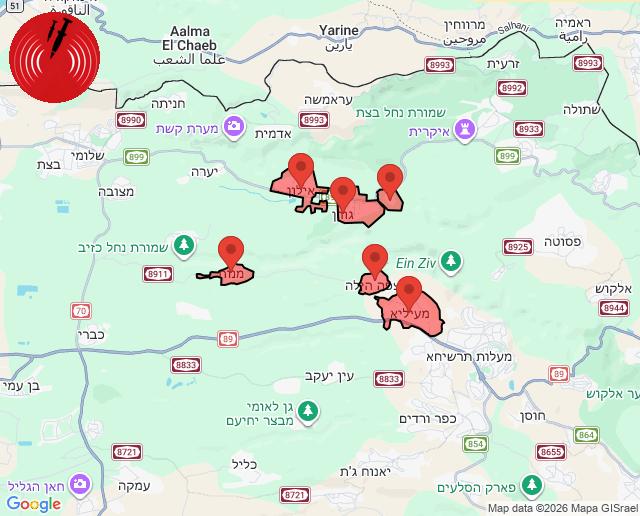
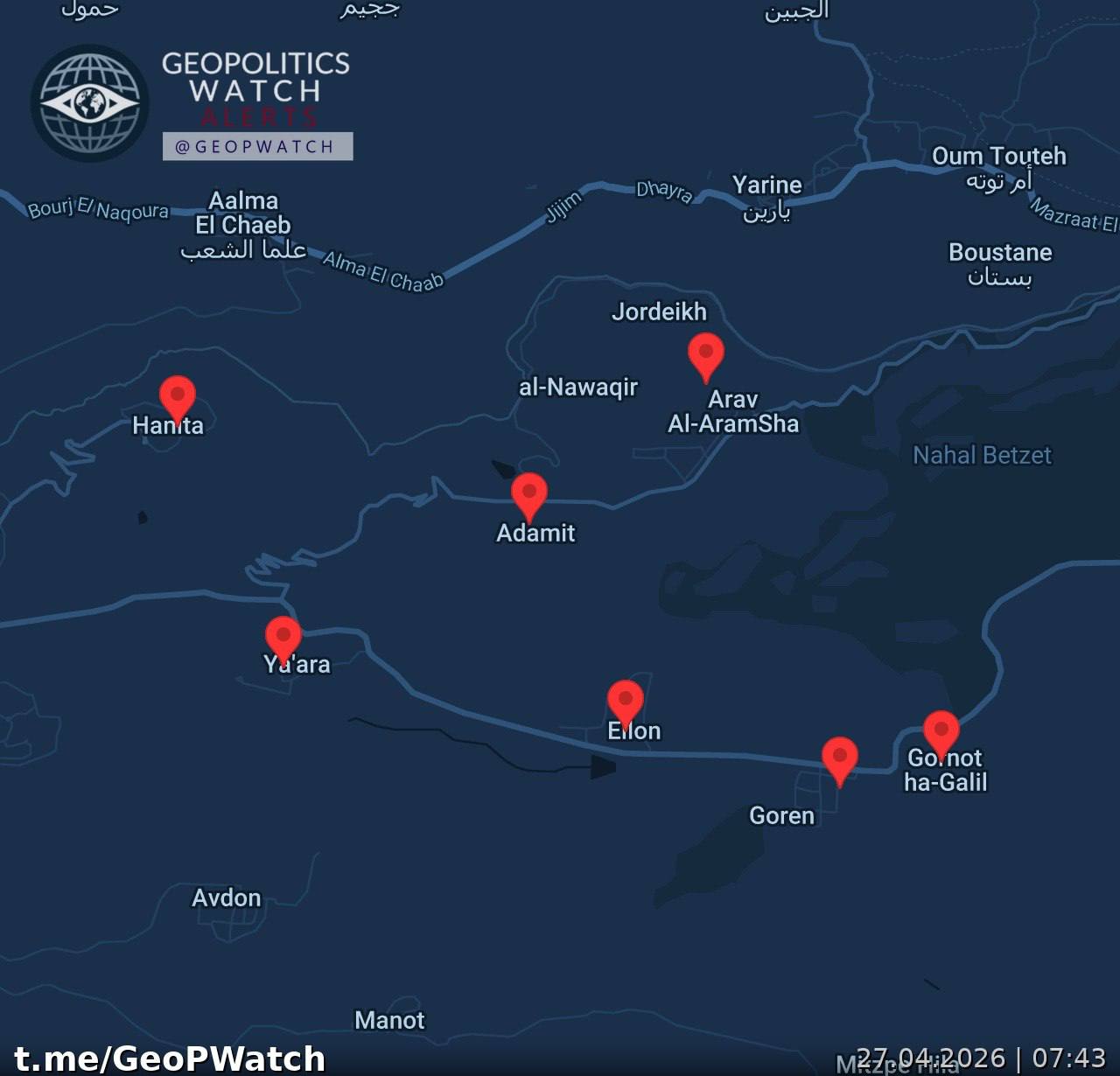
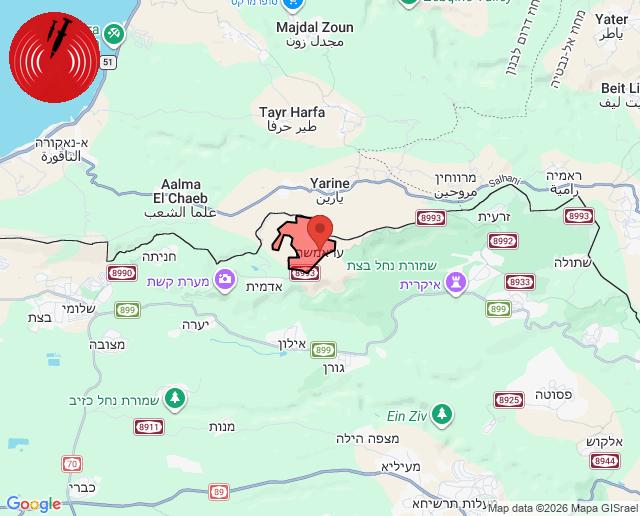
Between 05:00 and 07:40 UTC, multiple alerts concerning hostile unmanned aerial vehicles (UAVs) were issued over northern Israel. The Israeli Defence Force (IDF) initially reported a suspected hostile aircraft intrusion from Lebanon at 07:40, describing the target as a potential UAV. Subsequent analysis determined the intrusion to be a false positive, with no physical aircraft detected and no casualties reported.
Earlier, at 05:00 UTC, the monitoring platform GeoPWatch documented a Hezbollah drone launch aimed at Israel’s western Galilee region. The drones were intercepted by Israeli air defenses, and no damage was recorded. A follow‑up alert at 05:06 UTC from rnintel noted additional drone sightings in the same sector, though details remained sparse.
"Following alerts issued at 07:40 regarding the intrusion of a hostile aircraft into the confrontation zone, contact was lost with a suspected aerial target that was launched from Lebanon into Israeli territory. There were no casualties," the IDF statement read.
The series of alerts illustrates the heightened state of alertness along the Israel‑Lebanon frontier. While the majority of the UAV incidents were either intercepted or later classified as false alarms, the rapid issuance of warnings reflects the IDF’s commitment to pre‑emptive defense measures amid an environment of escalating aerial threats.
Operational Implications and Strategic Context
The convergence of a high‑severity ground infiltration, rocket fire, and UAV activity within a single day underscores the multi‑dimensional nature of the security challenges confronting Israel. The Holit infiltration remains the most lethal single event of the day, with a casualty count that surpasses any of the northern incidents. However, the rocket and drone activities, though less deadly, demonstrate a coordinated effort by Hezbollah to exploit Israel’s stretched resources.
From an operational perspective, the IDF’s response to the Holit attack involved a rapid deployment of infantry units, medical evacuation teams, and intelligence assets to secure the perimeter and begin hostage recovery operations. Simultaneously, air defense units along the northern border engaged incoming rockets and UAVs, employing the Iron Dome and Arrow systems to neutralize threats before they could reach populated areas.
Strategically, the events reflect a broader pattern of asymmetric tactics employed by Hamas and Hezbollah. Hamas’s ground infiltration tactics aim to inflict maximum civilian casualties and create a hostage dilemma, while Hezbollah’s reliance on rockets and drones seeks to impose a constant low‑intensity pressure that forces Israel to disperse its defensive posture.
In the coming days, Israeli authorities are expected to intensify intelligence gathering along both the Gaza and Lebanon fronts, increase aerial surveillance, and potentially adjust rules of engagement to address the evolving threat spectrum. The ongoing hostilities also raise concerns about civilian safety in border communities, prompting local authorities to reinforce shelter protocols and emergency response plans.