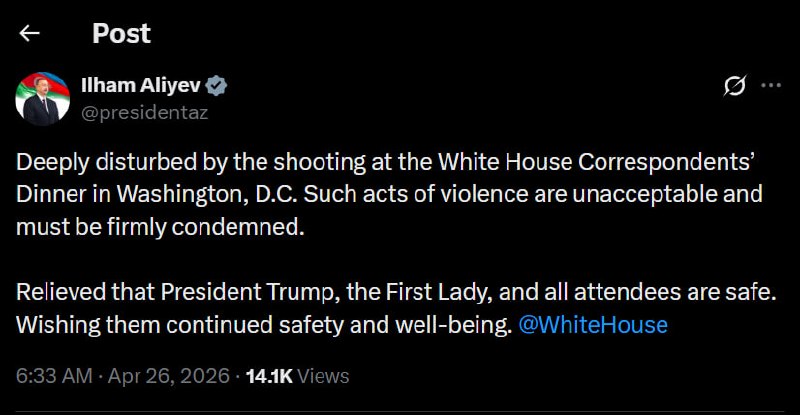
At 05:01 UTC on 27 April, gunfire erupted at the White House Correspondents’ Dinner in Washington, D.C., targeting U.S. President Donald J. Trump and senior officials. The incident was reported by BellumActaNews and accompanied by a photo of the scene. Azerbaijan’s President Ilham Aliyev issued a statement condemning the attack, describing it as “unacceptable” and expressing solidarity with the United States.
"Deeply disturbed by the shooting at the White House Correspondents’ Dinner in Washington, D.C. Such acts of violence are unacceptable and must be firmly condemned," – President Ilham Aliyev, 27 April 2026 (BellumActaNews, https://t.me/BellumActaNews/171793)
No casualties among U.S. officials were confirmed, and security forces neutralized the shooter within minutes. The event underscores heightened security risks for high‑profile gatherings in the United States.
Israeli‑Palestinian Alerts and Humanitarian Impact
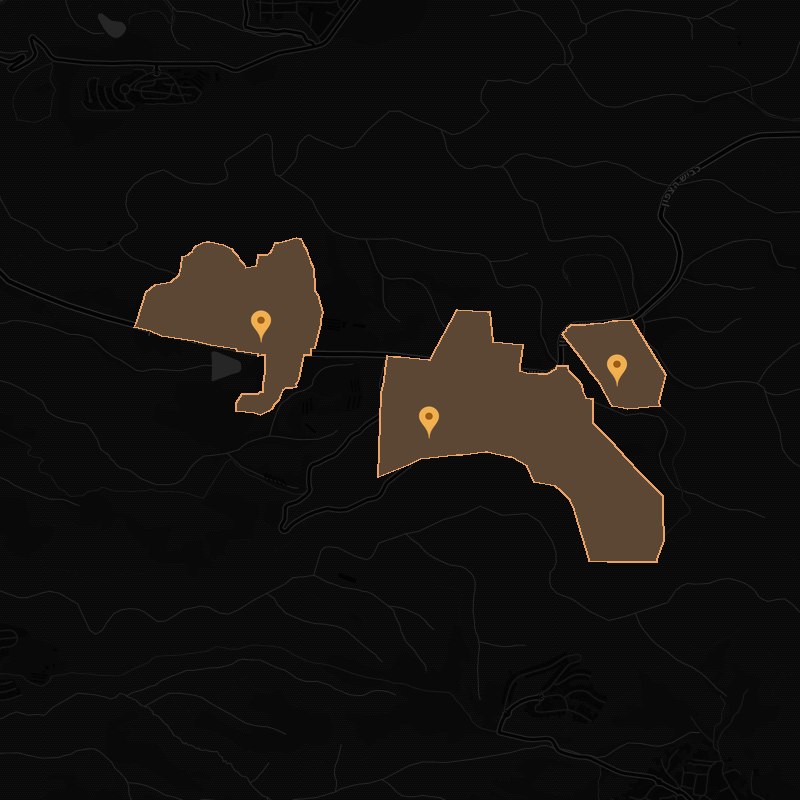
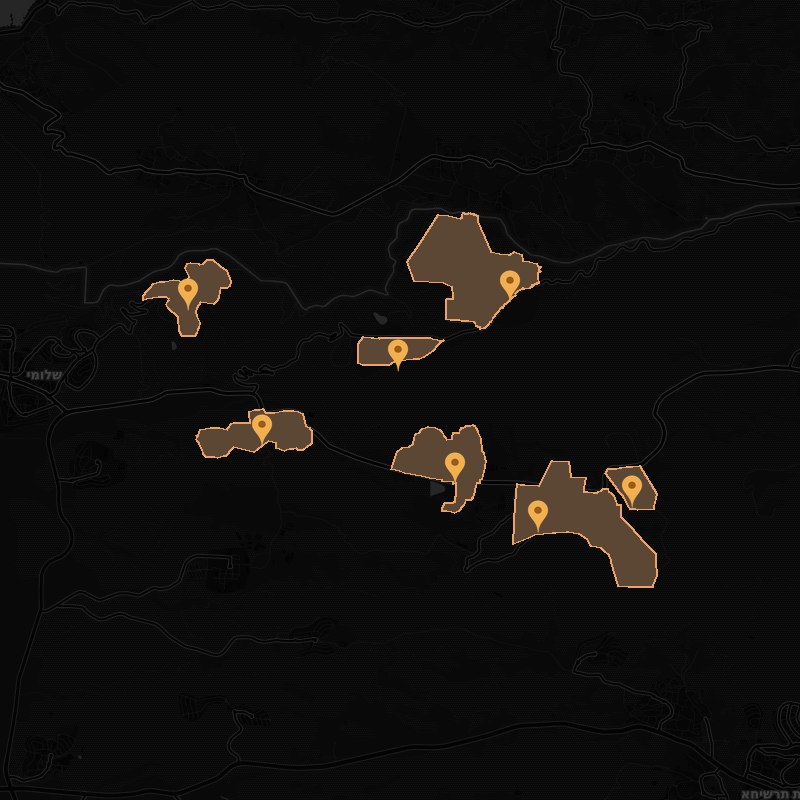
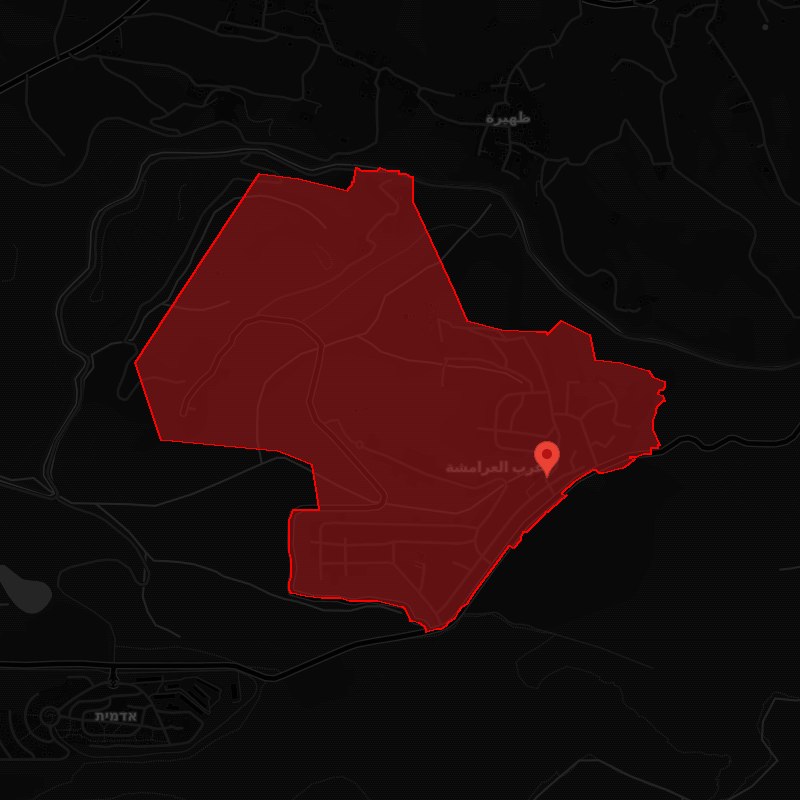
Multiple alerts were issued across northern Israel on the same day. RocketAlert reported a rocket‑missile alert at 07:40 UTC near Arab al‑Aramshe, and two separate hostile UAV alerts at 07:43 UTC and 08:05 UTC covering the Goren‑Eilon‑Gornot HaGalil corridor. No injuries were reported, but the alerts reflect ongoing low‑intensity kinetic activity along the Israel‑Gaza frontier.
In a separate humanitarian investigation, idkunim_il released findings on the Holit massacre in southern Israel. Lieutenant Colonel Ayalon Peretz, deputy commander of the 80th Division, concluded that the Israel Defense Forces (IDF) quick‑reaction force remained near the kibbutz for hours without engaging the attacking militants. The battle resulted in 13 civilian deaths, three Israeli soldiers killed, and six civilians abducted to Gaza.
Air‑Defense Transfer and Missile Interceptions
GeoPWatch cited Axios that Israel transferred an Iron Dome air‑defense battery to the United Arab Emirates earlier in the Iran‑War. According to two Israeli officials and a U.S. source, the system intercepted dozens of Iranian missiles launched toward the UAE, demonstrating the operational reach of the transferred technology.
Destruction in Southern Lebanon
Al Jazeera published satellite imagery showing extensive damage to towns across southern Lebanon following Israeli artillery and air strikes. The images, taken on 27 April, reveal destroyed residential structures, damaged infrastructure, and cratered terrain, confirming a large‑scale kinetic campaign by the Israeli military in the region.
Naval Incidents: Hijacking, Pacific Strike, Strait of Hormuz Blockade
At 05:26 UTC, the Jerusalem Post reported that a cargo vessel was hijacked 6 nautical miles northeast of Garacad, Somalia. The United Kingdom Maritime Trade Operations (UKMTO) described the incident as a hijack but provided no further details on the perpetrators or cargo.
On 26 April, U.S. Southern Command (SOUTHCOM) directed Joint Task Force Southern Spear to conduct a kinetic strike on a vessel operating along known narco‑trafficking routes in the Eastern Pacific. The strike killed three male narco‑terrorists, as detailed by rnintel.
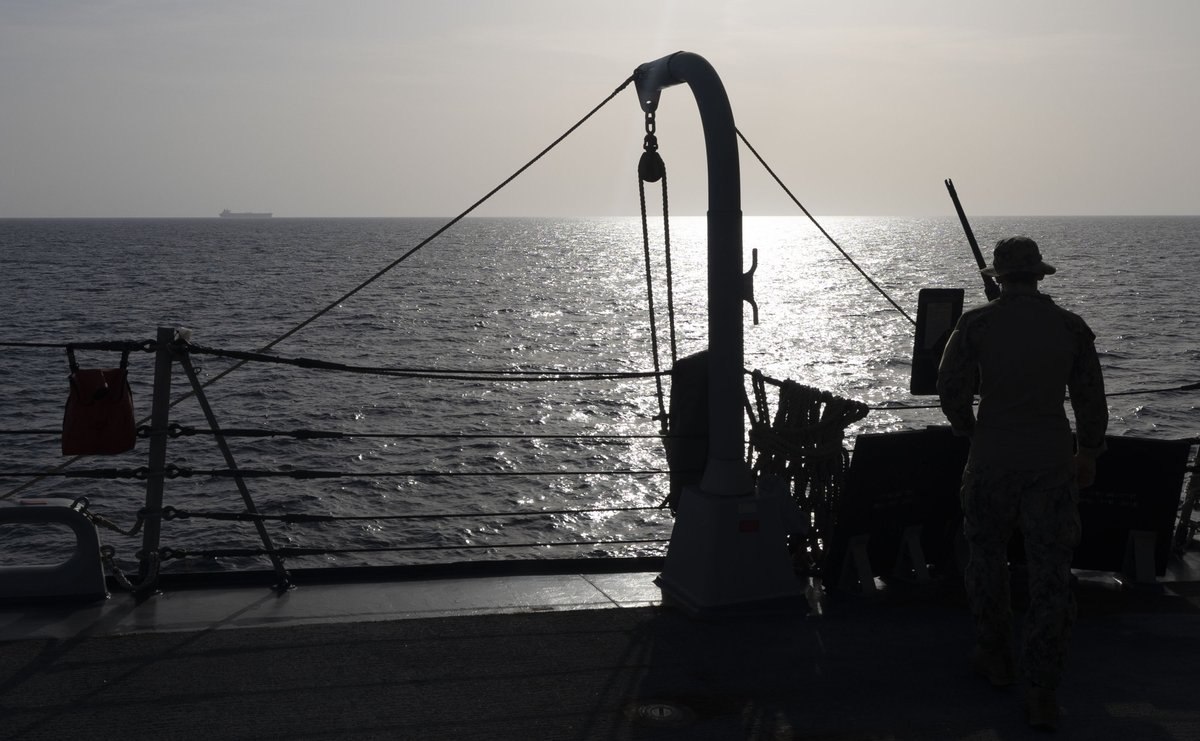
Earlier on 27 April, monitor_the_situation reported that U.S. forces in the Persian Gulf ordered 38 commercial vessels to turn back, effectively enforcing a naval blockade that prevents access to Iranian ports in the Strait of Hormuz. The action, coordinated by CENTCOM, reflects escalating maritime tension between the United States and Iran.
Ground Movements in Ukraine
BellumActaNews relayed statements from Donetsk People’s Republic (DPR) leader Denis Pushilin, who told Russian state media TASS that Russian forces are rapidly expanding a buffer zone in Dnipropetrovsk Oblast, threatening Ukrainian positions. In a related report, the same outlet noted that the Armed Forces of Ukraine are redeploying significant troops to the junction of the DPR, Zaporizhia, and Dnipropetrovsk regions, indicating a potential buildup on both sides of the front.