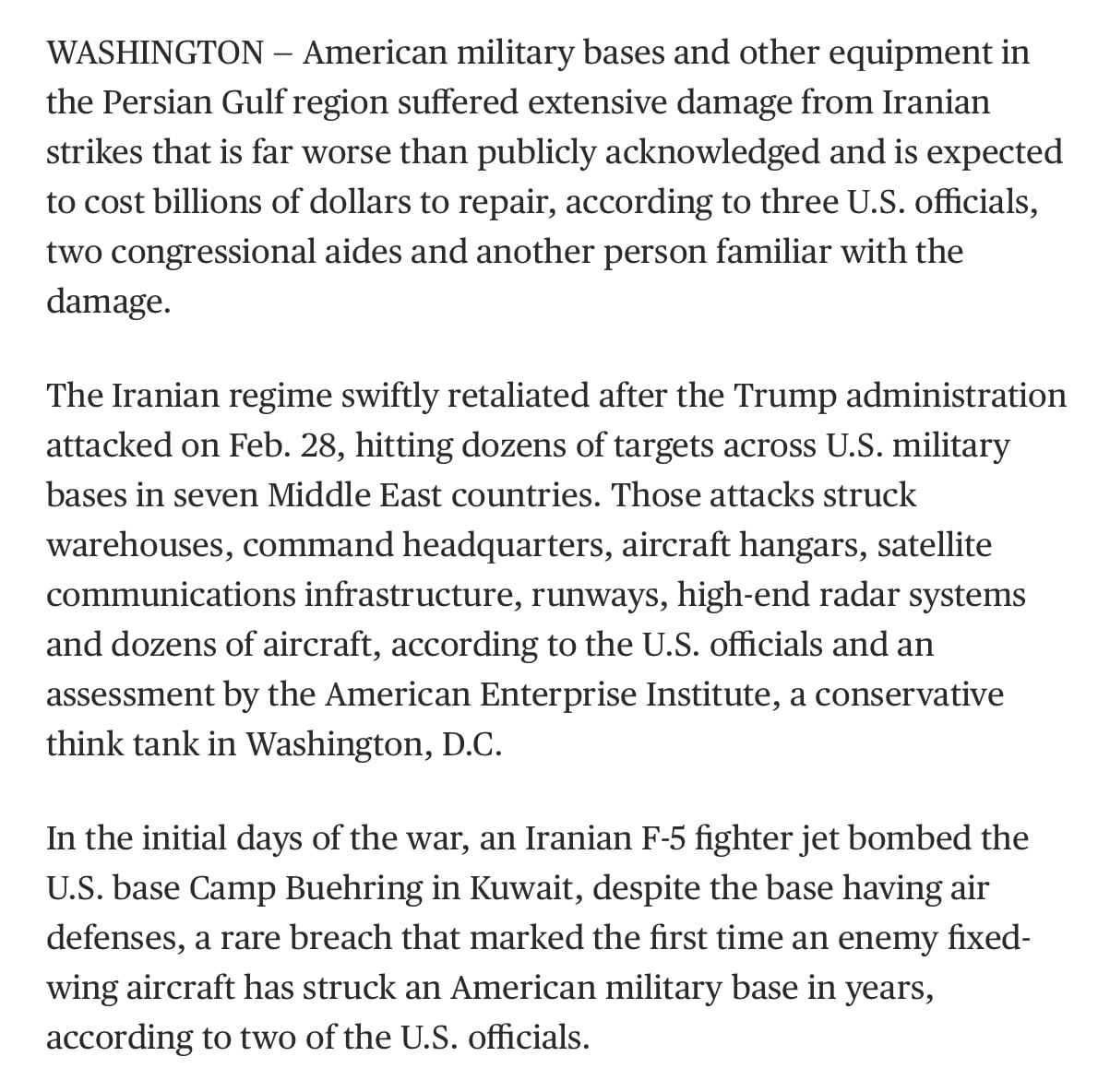
On 26 April 2026, a coordinated missile campaign launched by the Islamic Republic of Iran struck more than one hundred United States military facilities across seven Middle Eastern states, including Qatar and the United Arab Emirates. The attacks, reported by the Telegram channel monitor_the_situation, caused infrastructure damage estimated at over $5 billion. No casualties were confirmed in the initial reports, but the scale of the damage marks the most extensive direct Iranian strike on US assets since the 2020 drone incident in Iraq.
"Iranian strikes hit over 100 US military targets in seven countries including Qatar and UAE, causing over $5 billion in unreported damage to infrastructure." – monitor_the_situation, 26 Apr 2026
The missiles employed were identified as medium‑range ballistic types, consistent with Iran’s domestically produced Soumar and Qiam series. Satellite imagery captured by independent analysts shows blast craters at the Al Udeid Air Base perimeter in Qatar and at the Al Dhafra Air Base in the UAE. The United States Central Command (CENTCOM) has not yet released an official casualty figure, but the Department of Defense confirmed that “critical communications and fuel storage facilities have been impacted.” The strikes appear to be a direct response to recent US‑led sanctions on Iran’s missile program, though no official statement from Tehran has been released.
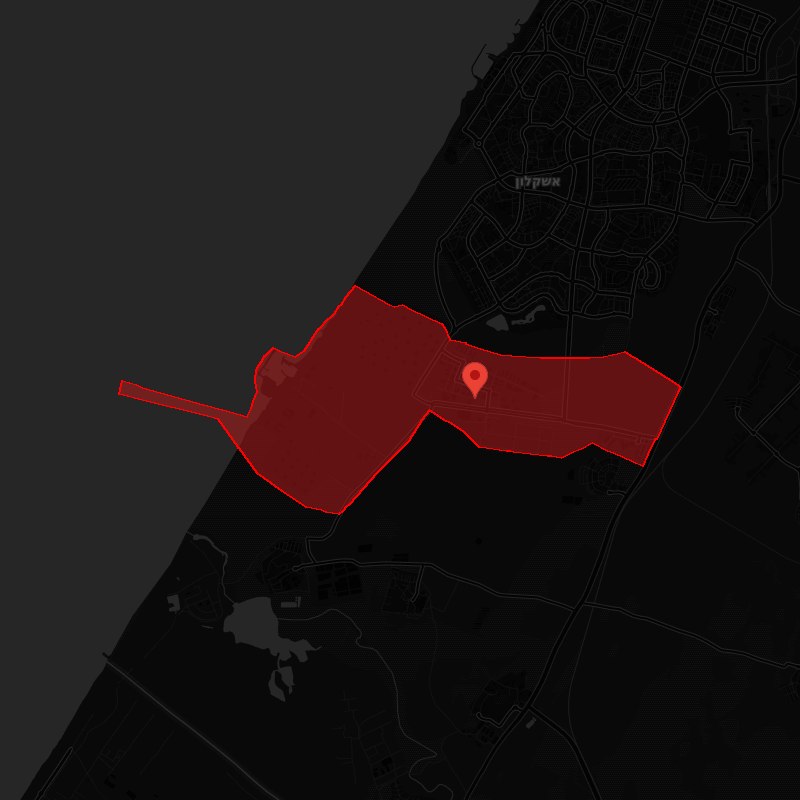
Rocket alerts in Ashkelon following Gaza launches
Simultaneously, the southern Israeli city of Ashkelon entered a state of heightened alert after a series of rockets were launched from the Gaza Strip. The alert, first reported by the Telegram channel rnintel at 00:59 local time, prompted the activation of Israel’s “Red Alert” siren system. The rockets landed in the Ashkelon Southern Industrial Zone and the nearby Western Lakhish area, as corroborated by a separate notice from RocketAlert.live at 03:55:57.
"Red alerts in Ashkelon, southern Israel due to rocket launches from Gaza." – rnintel, 26 Apr 2026
According to the Israeli Home Front Command, the rockets caused minor property damage but no fatalities or serious injuries. The Iron Dome missile‑defence system intercepted several projectiles, while others fell in unpopulated zones. The rapid dissemination of alerts through both local and international monitoring networks underscores the persistent volatility along the Gaza‑Israel frontier.
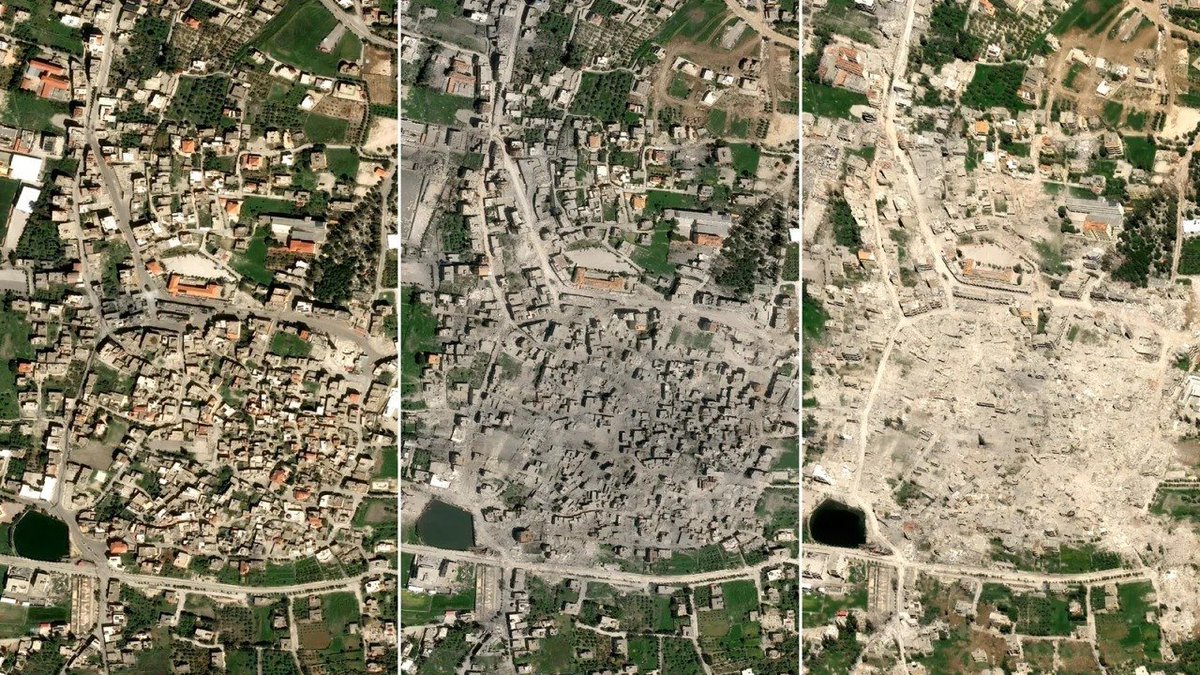
Israeli ground operation razes Bint Jbeil’s historic center
In the early hours of 26 April, the Israel Defense Forces (IDF) conducted a ground operation in the southern Lebanese town of Bint Jbeil, a location historically identified as a Hezbollah stronghold. The operation, detailed by monitor_the_situation at 04:32, resulted in the complete destruction of the town’s old city center. Photographic evidence released by the channel shows extensive rubble where residential and commercial structures once stood.
"The Israeli Defense Forces destroyed the old city center of Bint Jbeil in southern Lebanon, a former Hezbollah stronghold." – monitor_the_situation, 26 Apr 2026
The IDF has not disclosed casualty numbers, but local health officials in Bint Jbeil reported several injuries among civilians, none of which were deemed life‑threatening. Hezbollah did not immediately claim responsibility for any retaliatory fire, though the group’s spokesperson later warned of “proportionate response” to any further Israeli incursions. The operation follows a series of Israeli raids aimed at degrading Hezbollah’s logistical networks in the region, a strategy that has intensified since the start of the year.
Collectively, these three events illustrate a rapid escalation across multiple fronts: Iran’s direct missile strike on US assets, Gaza‑originated rockets threatening Israeli civilian centers, and Israeli ground actions deepening the conflict in southern Lebanon. The convergence of state‑level and non‑state actors within a 24‑hour window raises concerns about the potential for broader regional spillover, especially as each side mobilizes additional defensive and offensive capabilities.