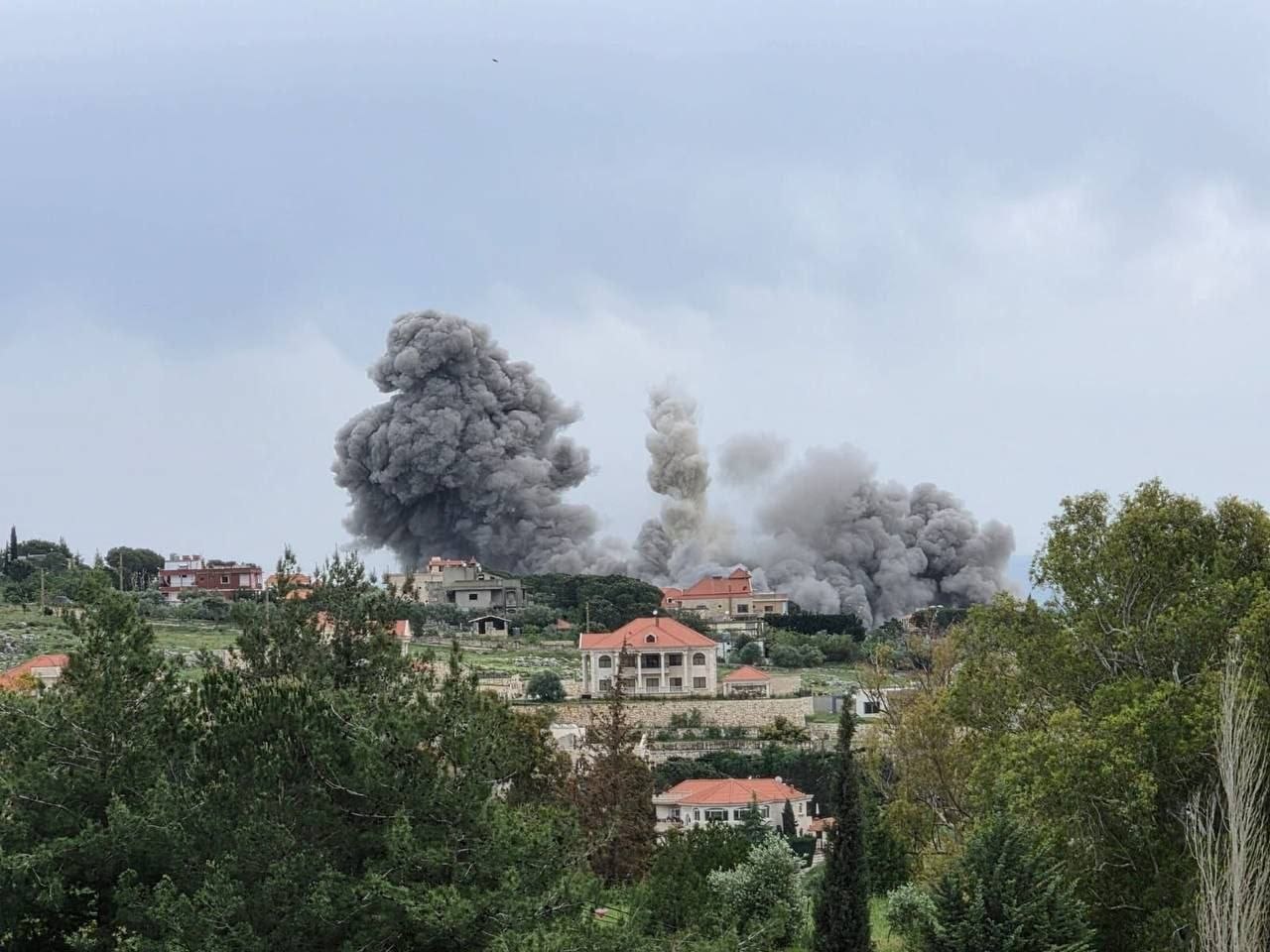
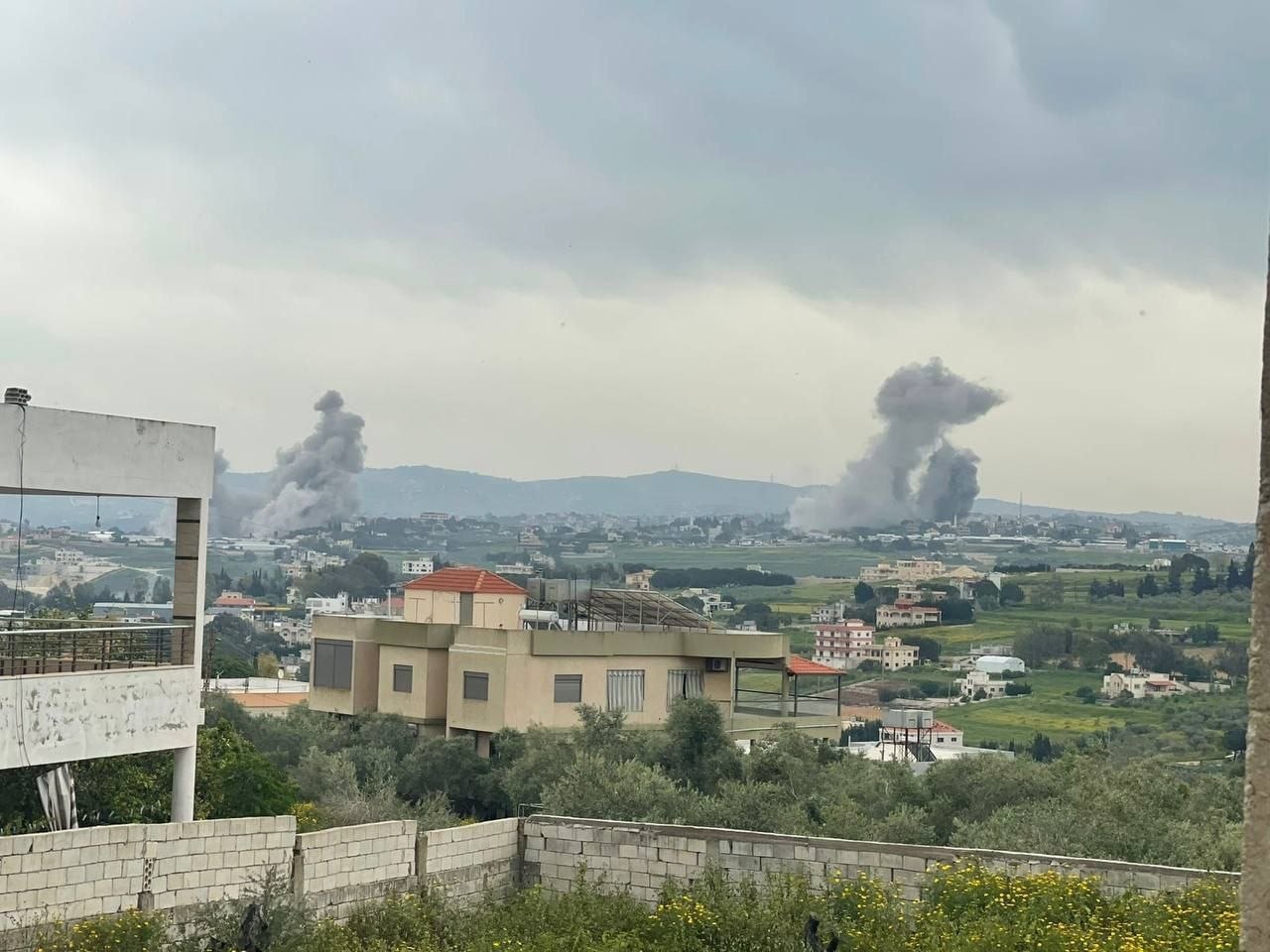
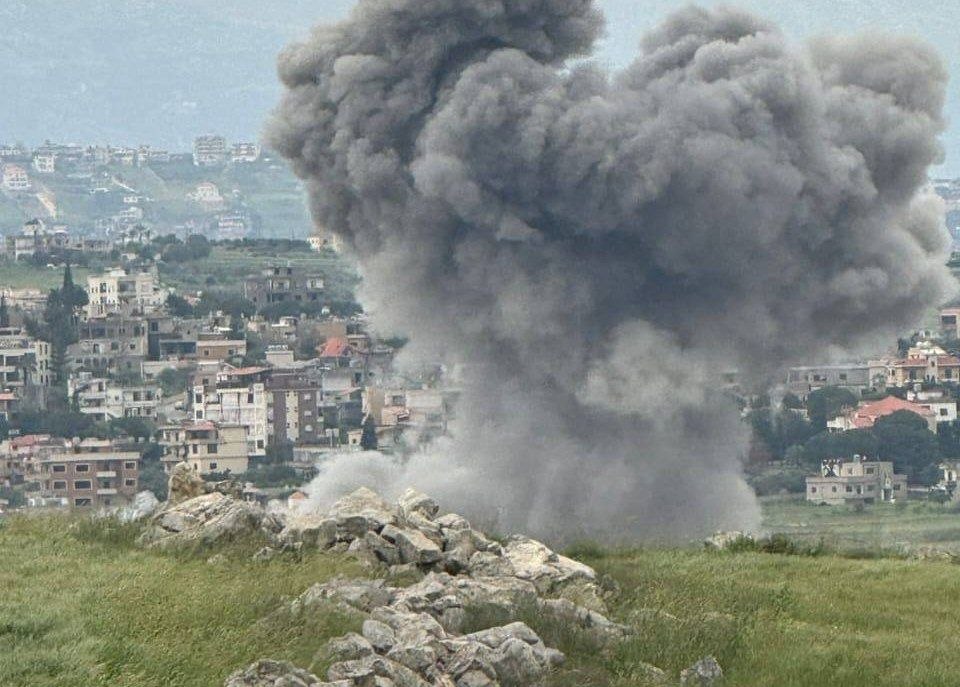
On 26 April 2026, the most consequential kinetic episode unfolded when the Israeli Air Force (IAF) conducted a coordinated airstrike at 14:50 local time against Hezbollah launch squads and a weapons storage site north of the forward defense line in southern Lebanon. The operation, reported by the Telegram channel monitor_the_situation, targeted a loaded launcher and ammunition depots used by Hezbollah to fire rockets into Israeli territory. While no civilian casualties were confirmed, the strike represents a significant escalation in Israel’s aerial campaign against Hezbollah’s offensive infrastructure.
High‑Intensity Airstrikes Across the Southern Front
Earlier in the day, at 12:34, the IAF sustained a prolonged barrage of nonstop airstrikes over southern Lebanon, as documented by the channel rnintel. The sortie involved multiple aircraft delivering precision munitions against undisclosed targets, a pattern consistent with Israel’s strategy to degrade Hezbollah’s launch capabilities and command‑and‑control nodes. Visual evidence from four separate media items (videos and photos) corroborated the intensity of the operation, though specific casualty figures were not released.
Source: https://t.me/rnintel/59925
At 12:16, a separate strike hit the town of Qalawiya in eastern Lebanon, resulting in one fatality and three injuries, according to monitor_the_situation. The limited scale of the attack suggests a targeted response to a specific intelligence cue, rather than a broad‑area bombardment.
Source: https://t.me/monitor_the_situation/13010
Hezbollah’s Drone and Missile Campaign
Hezbollah escalated its own kinetic operations with a series of unmanned aerial system (UAS) attacks and anti‑tank guided missile (ATGM) launches. At 08:30, an explosive drone and RPG fire struck IDF forces near the border, injuring several Israeli soldiers and prompting medical evacuation. The incident, reported by idkunim_il, was described as a clear breach of the cease‑fire agreement that has been in place since the 2023 hostilities.
Source: https://t.me/idkunim_il/58634
Shortly thereafter, at 08:35, Hezbollah deployed first‑person‑view (FPV) drones against Israeli troops in Taybeh, causing additional casualties and prompting a second strike within the same hour. The FPV attacks were framed by Hezbollah as retaliation for Israeli cease‑fire violations.
Source: https://t.me/monitor_the_situation/12988
At 14:20, Hezbollah announced a coordinated drone offensive in the southern sector. FPV drones targeted an IDF infantry gathering and a medevac unit in Taybeh, while a swarm of kamikaze drones assaulted an artillery position in Bayada. The timing of the attacks—02:00, 09:40, and 10:10 local time—indicates a multi‑phase operation designed to overwhelm Israeli defensive measures.
Source: https://t.me/GeoPWatch/31945
Later, at 16:01, a Hezbollah‑operated hostile UAV succeeded in killing an IDF soldier and wounding six others, marking the deadliest single‑person casualty event of the day for Israeli forces. The Israeli Defense Forces (IDF) confirmed the loss and the injuries, underscoring the lethal potential of Hezbollah’s drone capabilities.
Source: https://t.me/rnintel/59940
In the late afternoon, at 17:45, Hezbollah fired an anti‑tank guided missile at an Israeli Merkava tank in the town of Beit Lif. The missile struck the vehicle, though no crew casualties were reported. The use of ATGMs reflects Hezbollah’s continued reliance on precision‑guided munitions to challenge Israeli armored assets.
Source: https://t.me/monitor_the_situation/13063
Israeli Defensive Interceptions
Amid the heightened aerial activity, the IAF intercepted a suspicious aerial target over southern Lebanon at 13:27, as reported by idkunim_il. The target did not cross into Israeli airspace, and no alerts were issued. While the nature of the target remains undisclosed, the interception demonstrates Israel’s readiness to neutralize potential threats before they materialize on the ground.
Source: https://t.me/idkunim_il/58651
Operational Assessment
The sequence of events on 26 April illustrates a marked intensification of kinetic engagements along the Israel‑Lebanon border. Israeli airpower continues to focus on degrading Hezbollah’s launch infrastructure, while Hezbollah’s expanding drone arsenal—encompassing FPV, kamikaze, and explosive UAVs—has proven capable of inflicting personnel losses and disrupting Israeli operational tempo. The ATGM strike against a Merkava tank further signals Hezbollah’s intent to contest Israeli armored superiority.
Both sides have cited the actions as defensive or retaliatory, yet the cumulative effect is a rapid erosion of the cease‑fire’s stability. The absence of civilian casualty reporting for the major airstrikes may reflect either limited collateral damage or restricted information flow. Nonetheless, the documented injuries to Israeli soldiers and the fatality in Qalawiya underscore the human cost of the escalating exchange.
Strategically, the day’s events suggest a shift toward more frequent, high‑precision strikes on both sides, with unmanned systems playing an increasingly central role. The IAF’s ability to intercept aerial threats without escalation, juxtaposed with Hezbollah’s willingness to employ swarms of kamikaze drones, points to a growing asymmetry in technological adaptation that could shape future engagements.