Ukrainian special‑operations forces achieved a decisive kinetic effect on 25 April 2026, when SBU Alpha FPV drones reportedly eliminated 2,812 Russian servicemen in the Donbas region. The claim, posted by the Telegram channel monitor_the_situation, cites video evidence of sustained drone strikes over the preceding week. The operation, described as a coordinated effort by the Ukrainian Security Service’s (SBU) Alpha unit, employed first‑person‑view (FPV) combat drones to target Russian infantry concentrations, command posts, and supply convoys along the front line. The reported casualty figure represents the single largest loss of Russian personnel in a single day since the conflict began in 2022.
🟠 **SBU Alpha FPV Drones Kill 2812 Russian Troops in Donbas, Ukraine** – https://t.me/monitor_the_situation/12903
Scale of the Russian Aerial Barrage on Dnipro
In the early hours of 25 April, Russian forces launched a massive aerial offensive targeting the Dnipro region and six additional oblasts. According to Al Jazeera, more than 600 unmanned aerial systems (UAS) and 47 precision‑guided missiles were deployed, resulting in five civilian deaths and thirty injuries across eight regions. The attacks focused on critical infrastructure, residential districts, and logistical hubs, reflecting a strategy to degrade Ukrainian resilience ahead of anticipated ground operations.
Overnight Russian attacks on Ukraine kill five, wound over 30 – https://www.aljazeera.com/news/2026/4/25/overnight-russian-attacks-on-ukraine-kill-five-wound-over-30?traffic_source=rss
Kamikaze Drone Strike Ignites Dnipropetrovsk Oil Depot
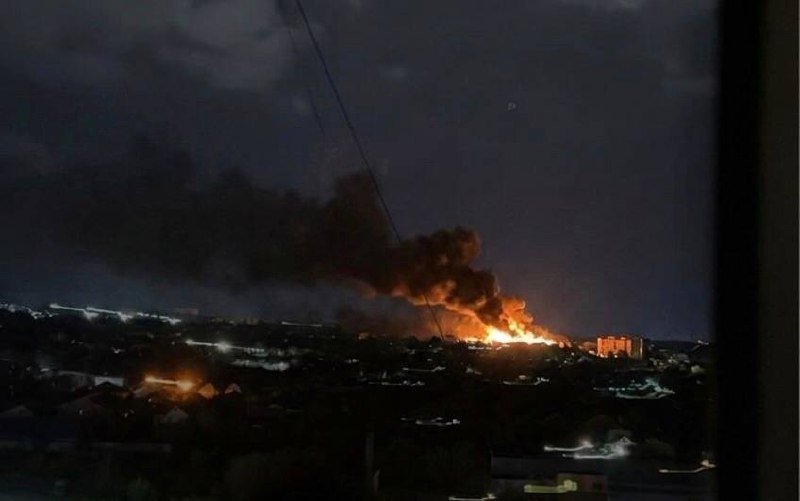
At approximately 12:06 local time, a series of loitering‑munition (kamikaze) drones struck an oil depot in Dnipropetrovsk Oblast, igniting a large fire that burned for several hours. Video released by the Telegram channel intelslava shows the depot’s storage tanks engulfed in flames, confirming the use of expendable drones capable of delivering high‑explosive payloads against static targets. While no immediate casualty figures were released, the incident underscores the expanding role of autonomous weapons in targeting Ukraine’s energy infrastructure.
More footage of the burning oil depot in Dnipropetrovsk, after attacks by kamikaze drones – https://t.me/intelslava/87040
Ukrainian Drone Operations in Occupied Luhansk
During the same night, Ukrainian drone operators conducted strikes on Russian‑occupied positions in Luhansk, triggering a large fire at the impact site. The operation, documented by monitor_the_situation, involved conventional reconnaissance‑type drones equipped with small explosive payloads. The strike demonstrates Ukraine’s continued capability to project kinetic force deep into contested territories, despite heightened Russian air defenses.
Ukrainian drones struck occupied Luhansk overnight, causing a large fire – https://t.me/monitor_the_situation/12840
British RAF Intercepts Russian Drones Over Reni
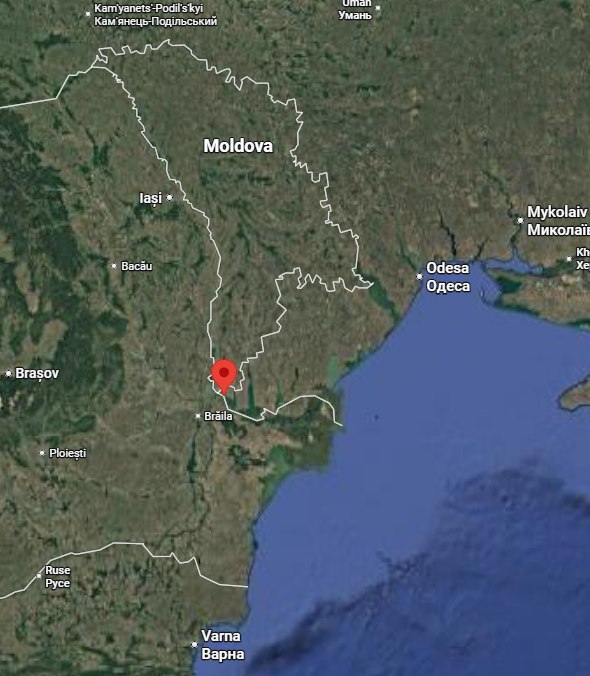
In the southwestern theater, British Eurofighter Typhoon squadrons operating from bases in Romania engaged Russian drone formations over the town of Reni, Odesa Oblast. According to the Romanian intelligence outlet rnintel, the Royal Air Force (RAF) shot down multiple Russian UAVs, preventing them from reaching Romanian airspace. A separate report from monitor_the_situation confirms the same engagement, noting that the interception marked the first combat action by UK forces over Ukrainian territory. The joint UK‑Romanian response illustrates the expanding multinational air‑defence coordination supporting Ukraine.
🇬🇧🇺🇦🇷🇺⚡- BREAKING: British Typhoon jets were shooting down Russian drones over Ukrainian airspace last night and early morning today – https://t.me/rnintel/59795
🟠 **RAF Typhoons Shoot Down Russian Drones Over Reni, Ukraine** – https://t.me/monitor_the_situation/12812
Additional Ukrainian Drone Deployments
Beyond the high‑profile SBU Alpha operation, Ukraine’s 1st Corps executed targeted drone strikes against Russian positions along the Donbas frontline, as reported by monitor_the_situation. Simultaneously, Ukraine’s Special Operations Forces launched long‑range drone missions from Kyiv, aiming at strategic Russian assets deeper within occupied territory. Both sets of actions employed conventional combat drones, highlighting a layered approach: tactical strikes at the front line, medium‑range attacks on logistical nodes, and strategic long‑range missions from secure rear bases.
1st Corps Conducts Drone Strikes in Donbas, Ukraine – https://t.me/monitor_the_situation/12834
Ukraine's Special Operations Forces Launch Long-Range Drone Strikes – https://t.me/monitor_the_situation/12828
Collectively, the events of 25 April illustrate a marked escalation in kinetic engagements across Ukraine. Ukrainian forces are leveraging a diversified drone portfolio—FPV combat platforms, loitering munitions, and longer‑range UAVs—to impose attritional losses on Russian ground forces and critical infrastructure. In response, Russia continues to rely on massed drone and missile barrages, while NATO allies provide air‑defence intercepts that blunt the effectiveness of Russian aerial attacks. The interplay of these capabilities suggests a sustained, high‑intensity kinetic environment in the coming weeks.