On 25 April 2026, Ukrainian air defenses engaged a coordinated Russian missile attack that involved approximately thirty cruise missiles and a number of Iskander‑M short‑range ballistic missiles, successfully neutralising the majority of the cruise missiles while the ballistic missiles reached their intended targets.
Ukrainian Air Defense Response
Ukrainian surface‑to‑air missile launchers, supported by fighter aircraft operating F‑16 and Mirage‑2000 platforms, intercepted the bulk of the cruise missile salvo. The engagement was reported by the open‑source monitoring channel GeoPWatch, which documented the use of integrated air‑defence systems to engage the incoming threats. No civilian casualties were reported in the immediate aftermath, and Ukrainian officials confirmed that the air‑defence actions prevented any damage to critical infrastructure.
Russian Missile Deployment
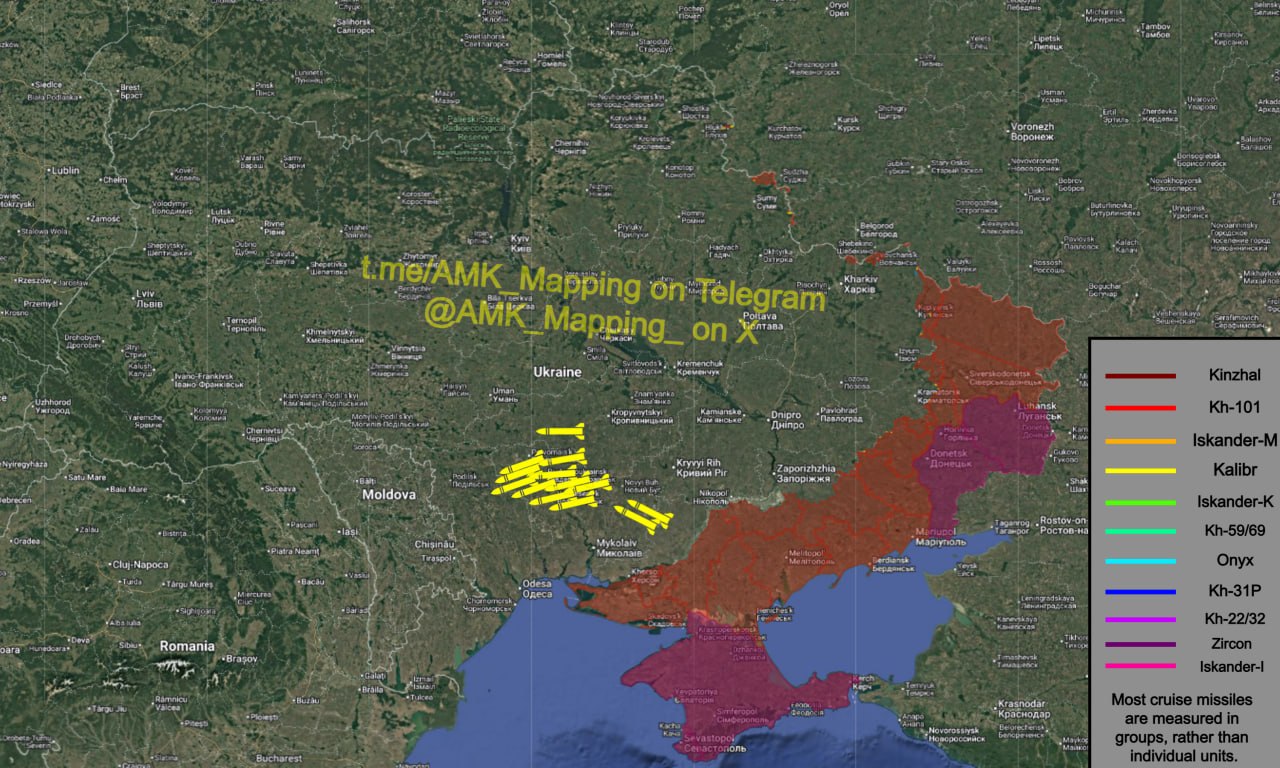
The Russian offensive comprised roughly thirty cruise missiles, identified by observers as likely belonging to the Kalibr family, launched from undisclosed launch sites. The missiles followed flight paths that exposed them to early detection and interception by Ukrainian radar and fighter patrols. In parallel, a contingent of Iskander‑M ballistic missiles was launched, employing a solid‑fuel propulsion system and a range of up to 500 kilometres. Unlike the cruise missiles, the Iskander‑M missiles were not intercepted and impacted their designated targets, though the specific locations and damage assessments remain classified.
Iskander‑M Impact Assessment
According to GeoPWatch, the Iskander‑M missiles achieved terminal impact, suggesting that Ukrainian air‑defence assets were either unable to engage the high‑speed, low‑altitude trajectory or that the missiles were launched from vectors that limited interception windows. The lack of reported casualties or infrastructure loss may indicate that the targets were military installations or decoys, but official confirmation has not been released.
"Probably one of the most unsuccessful Russian combined attacks I've ever seen," GeoPWatch noted in its analysis, emphasizing the vulnerability of the cruise missile routes to fighter interception.
North Korean Hwasong‑11 Ram Test
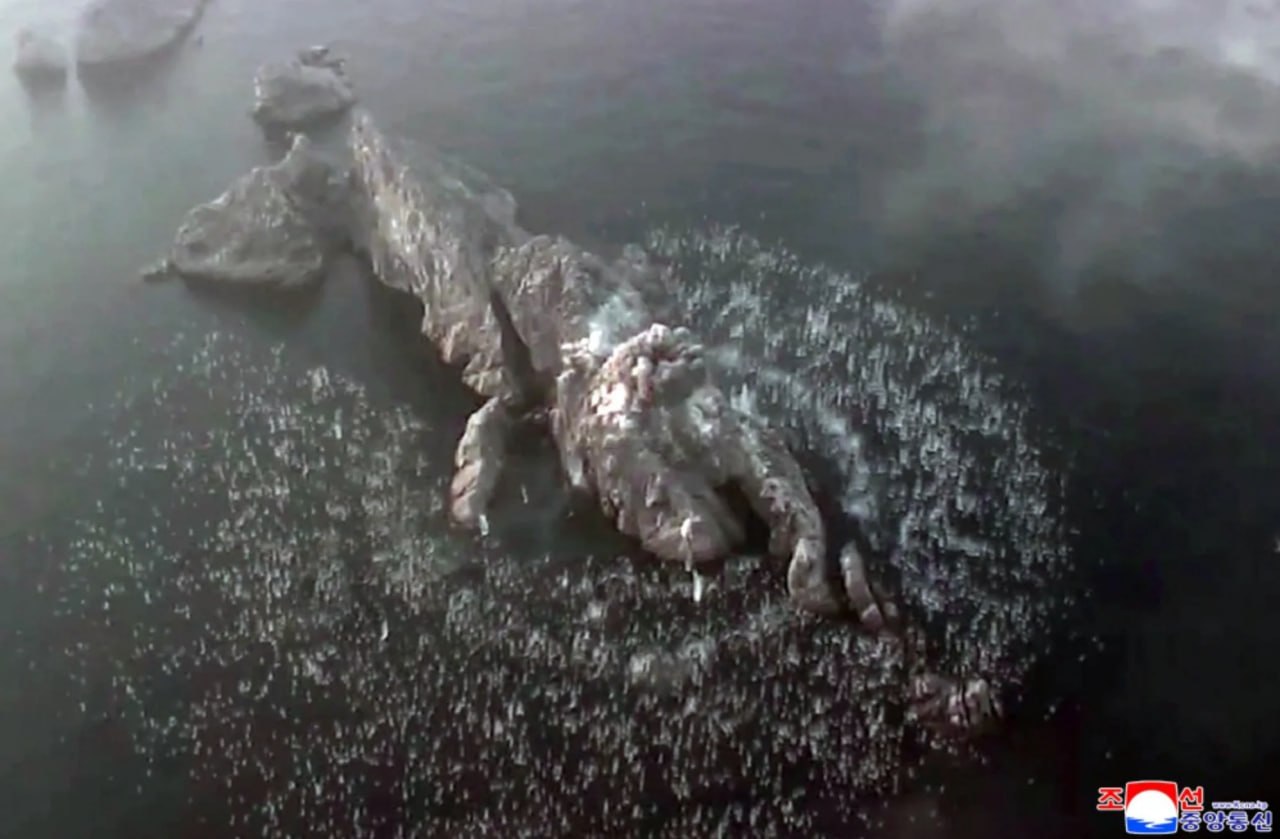
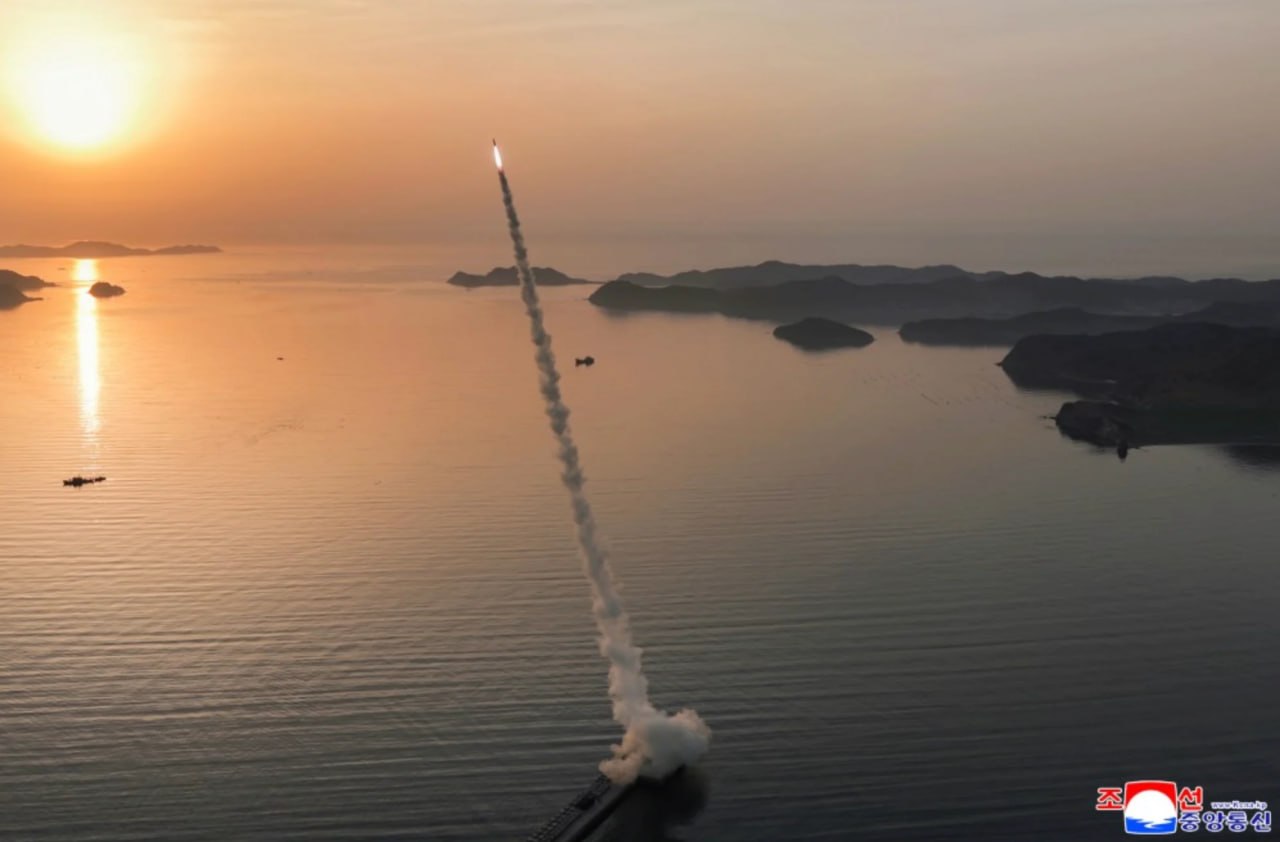
In a separate development, North Korean state media, cited by the intelligence channel rnintel, announced a successful test of the short‑range Hwasong‑11 Ram ballistic missile equipped with a new cluster munition warhead. The test was conducted over the Sea of Japan on 25 April 2026, and Kim Jong Un publicly expressed satisfaction with the performance of the warhead, stating that it meets operational demands. The Hwasong‑11 is an indigenous tactical ballistic missile with an estimated range of 200‑300 kilometres, and the addition of a cluster munition payload represents a notable evolution in North Korean munitions capability.
Detection of Kalibr‑Like Cruise Missiles
Earlier on the same day, GeoPWatch reported the detection of approximately twenty‑six cruise missiles in flight, describing their flight characteristics as similar to the Russian Kalibr system. The observation was based on satellite and radar tracking data, though no launch or impact details were provided. The presence of these missiles, separate from the later Ukrainian‑Russian engagement, suggests ongoing Russian missile activity in the region, potentially as part of broader kinetic posturing.
Analytical Overview
The events of 25 April illustrate a pattern of kinetic activity across multiple theaters, with advanced missile systems employed by state actors and countered by integrated air‑defence networks. Ukraine's ability to intercept the majority of cruise missiles demonstrates the effectiveness of combined surface‑to‑air and fighter‑based defenses when supported by real‑time intelligence. Conversely, the successful impact of Iskander‑M missiles underscores the persistent challenge posed by high‑speed ballistic weapons, which require layered defence architectures and rapid decision cycles.
North Korea's test of a cluster‑warhead‑equipped Hwasong‑11 adds a new dimension to its tactical missile inventory, potentially lowering the threshold for area‑effect attacks in the Korean Peninsula. The public endorsement by the North Korean leadership signals an intent to integrate such munitions into future operational planning.
The detection of additional Kalibr‑like cruise missiles, independent of the Ukrainian engagement, indicates that Russian missile launch activity remains elevated. While the specific targets of these flights are unknown, the pattern aligns with a broader strategy of maintaining pressure on regional adversaries through kinetic demonstrations.
Overall, the juxtaposition of successful defensive interceptions, continued ballistic missile threats, and the introduction of new warhead technologies highlights the evolving complexity of missile warfare in 2026. Monitoring agencies will continue to track these developments to assess their impact on regional stability and to inform defensive posture recommendations.