Joint forces of the Azawad Liberation Front (FLA) and Jamaat Nusrat al‑Islam wal‑Muslimin (JNIM) have captured more than 90% of the northern city of Kidal and are engaged in fighting in Tessalit, Anefil, Mopti, Segou and Gao. The offensive has also entered the capital, Bamako, marking the most significant territorial gain by insurgents in Mali this year.
🇲🇱⚡- BREAKING: Massive joint FLA (Tuareg separatists) and JNIM offensive across Mali! 90%+ of the major city of Kidal has fallen to FLA+JNIM, with fighting ongoing in the cities of Tessalit, Anefil, Mopti, Segou and Gao. FLA+JNIM have entered the capital city of Bamako. (Source: rnintel, https://t.me/rnintel/59796)
The rapid advance follows a series of coordinated attacks that began early on 25 April, including the seizure of the town of Sevaré and its airport, the capture of Kati northwest of Bamako, and the reported downing of a Russian‑operated helicopter near Gao. Rebel convoys have moved freely through Kidal and Gao, indicating that the cities are effectively under rebel control. The Malian junta’s forces, supported by the Russian‑backed African Corps, have been forced into defensive positions around Bamako and Kidal, with reports of intense urban fighting in the northern districts of the capital.
Key developments in Mali
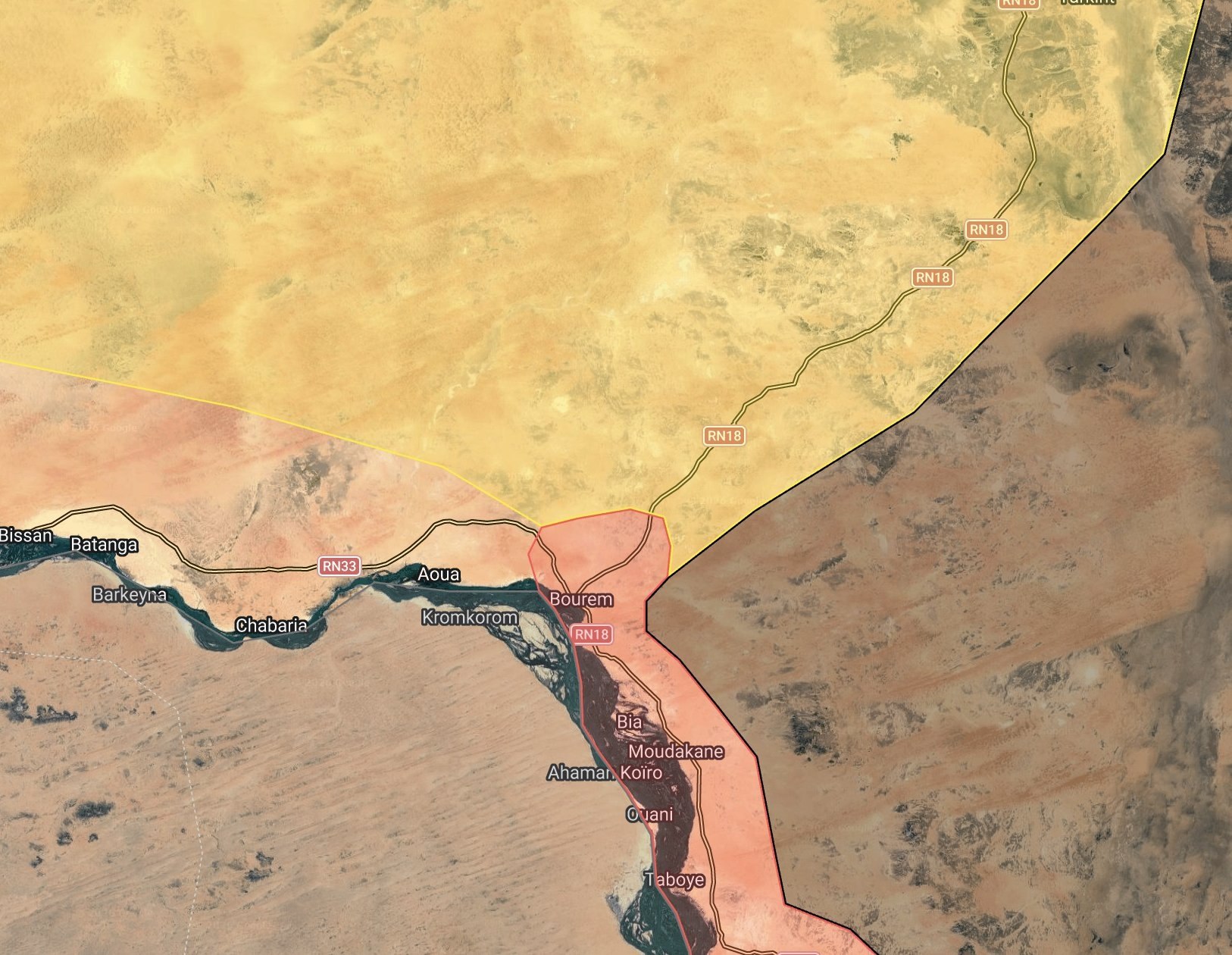
Territorial gains: By 08:59 UTC, FLA‑JNIM forces controlled the majority of Kidal and were pressing forward toward Bamako. Subsequent reports confirmed the capture of Sevaré, the town of Konna north of Mopti, and the strategic air base at Bourem. The rebels also seized the governor’s residence in Kidal after the Russian Africa Corps withdrew.
Leadership casualties: Mali’s Chief of Staff Oumar Diarra was killed in action near Kati, northwest of Bamako (Source: rnintel, https://t.me/rnintel/59839). SahelLeaks reported the death of Defense Minister Sadio Camara in an attack on his home, though later footage showed his residence severely damaged by a VBIED without confirming his death (Source: rnintel, https://t.me/rnintel/59822; https://t.me/rnintel/59811).
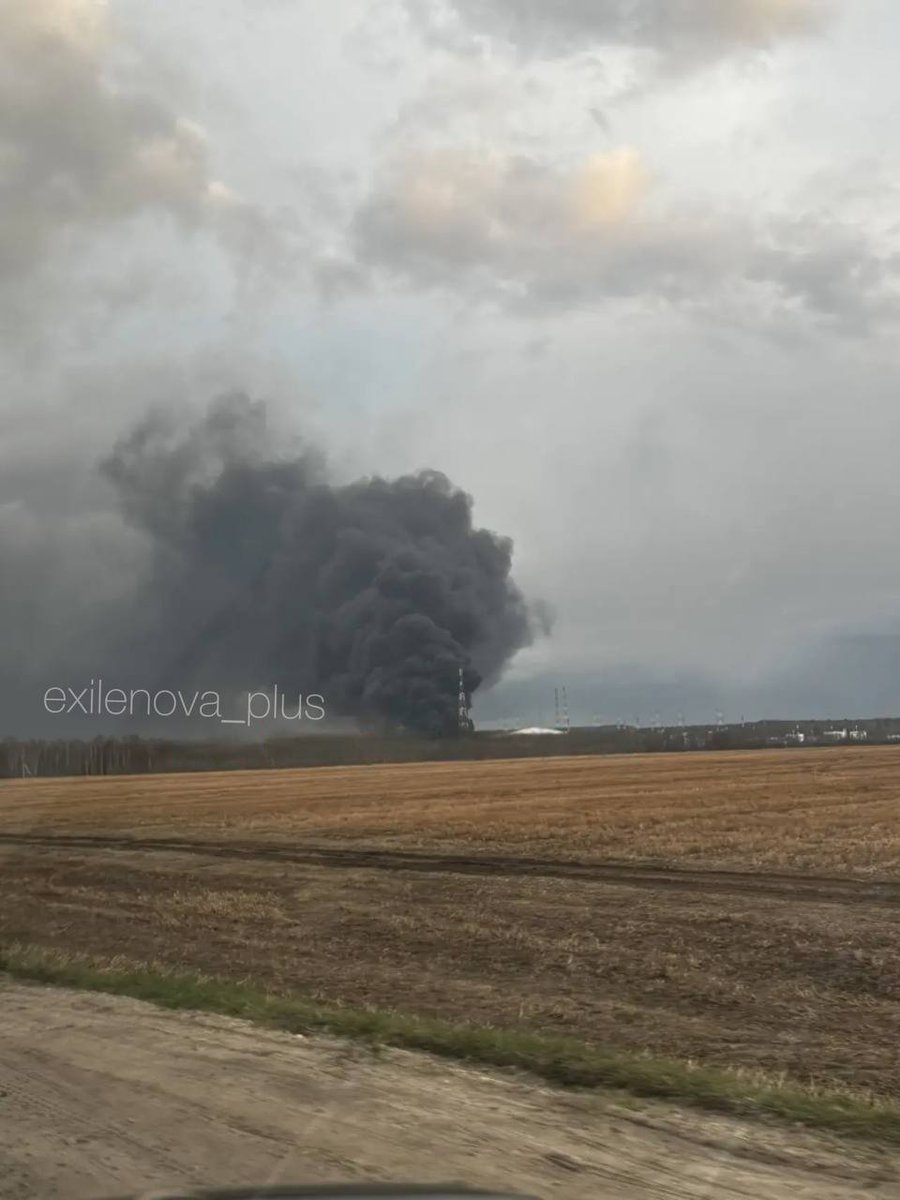
Combat dynamics: The rebels have employed a mix of small‑arms, technicals, motorbikes, and suicide‑vehicle‑borne improvised explosive devices (SVBIEDs). A reported downed Russian helicopter and the shooting down of a Malian Mi‑35M near Gao illustrate the heightened anti‑air capability of the insurgents. The African Corps claimed victories in Kati and Bamako, reporting the killing of numerous jihadists, but fighting remains ongoing.
Parallel kinetic events in other regions
Ukraine energy infrastructure: Russian forces struck key substations near the Zaporizhzhia nuclear plant, causing nationwide blackouts and raising the risk of grid failure at the occupied facility (Source: monitor_the_situation, https://t.me/monitor_the_situation/12900).
Sudan civilian casualties: Rapid Support Forces (RSF) drones hit civilian neighborhoods in El‑Obeid, North Kordofan, killing seven people and injuring 22 (Source: monitor_the_situation, https://t.me/monitor_the_situation/12883).
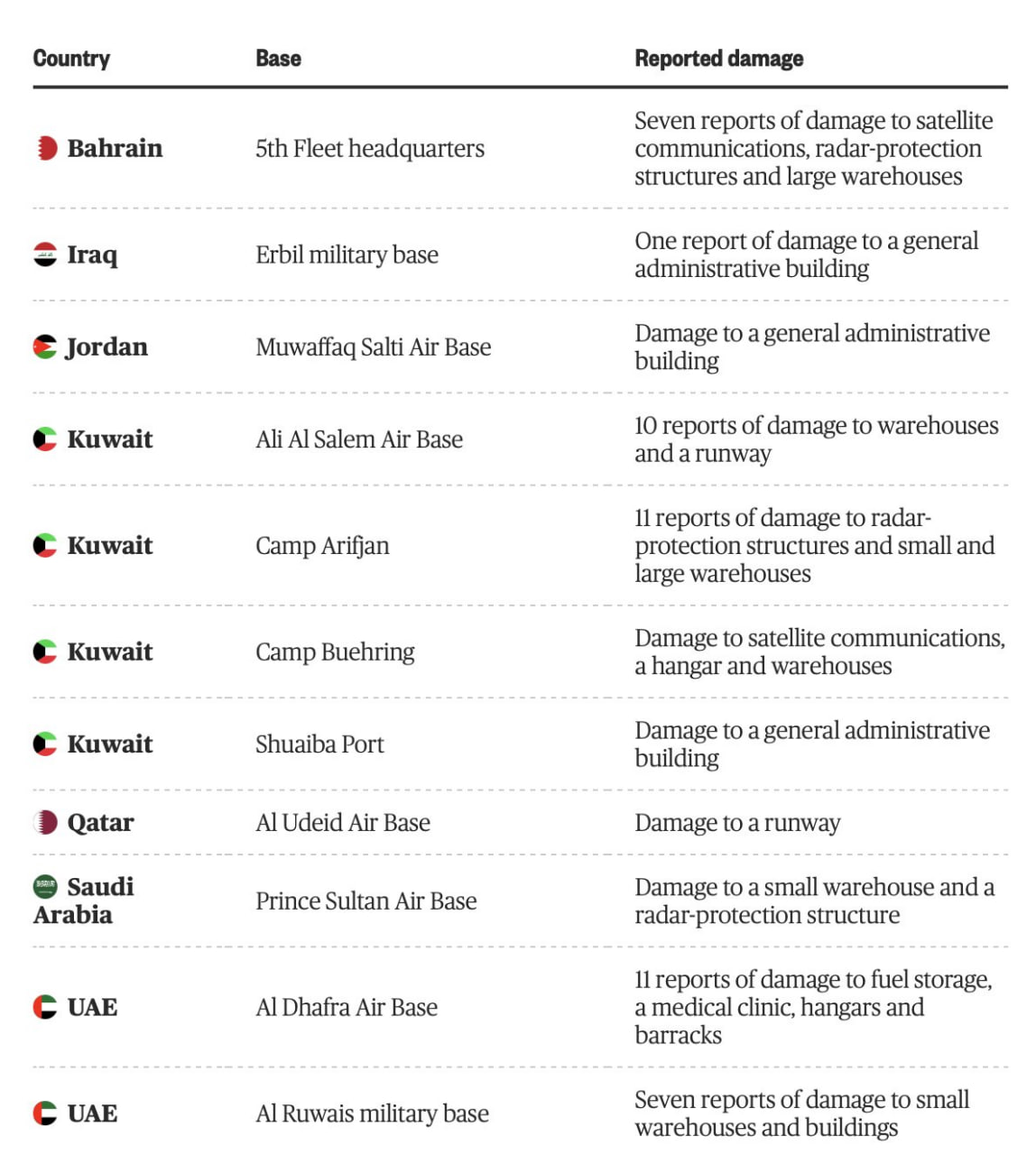
Iranian air strikes on U.S. bases: Iranian IRIAF F‑5 fighter jets reportedly struck Camp Buehring in Kuwait, causing extensive damage to U.S. CENTCOM facilities. Similar attacks were reported at U.S. installations in Bahrain, Iraq, Jordan, Qatar, Saudi Arabia and the United Arab Emirates (Source: GeoPWatch, https://t.me/GeoPWatch/31871; Source: rnintel, https://t.me/rnintel/59844).
Hezbollah rocket activity: Rocket alerts were issued in northern Israel, with mortars and rockets fired despite a cease‑fire, and an FPV drone destroyed an Israeli HMMWV and a Caterpillar excavator in Lebanon (Source: idkunim_il, https://t.me/idkunim_il/58612; Source: intelslava, https://t.me/intelslava/87058).
Naval and maritime tension: Iranian state media showcased the seized container ship Epaminondas in the Strait of Hormuz, while a U.S. Navy destroyer escorted an Iranian tanker in the Indian Ocean, underscoring the broader maritime standoff (Source: monitor_the_situation, https://t.me/monitor_the_situation/12893; https://t.me/monitor_the_situation/12857).
Analysis of the Mali offensive
The speed and breadth of the FLA‑JNIM advance suggest a high level of coordination between Tuareg separatists and Al‑Qaeda‑linked jihadists. The involvement of JNIM leader Iyad Agh Ghaly in the Kidal operation indicates direct command oversight, while the use of SVBIEDs and the downing of aerial assets demonstrate an escalation in tactical sophistication.
Russian involvement appears limited to defensive support for the junta. Reports of a Russian helicopter being shot down and the withdrawal of Russian forces from Kidal’s governor’s residence point to a deteriorating security posture for the African Corps. The junta’s reliance on air‑drop operations to retake Kidal further highlights its constrained ground capabilities.
Strategically, control of Kidal and Gao provides the rebels with access to key supply routes across the Sahel, potentially enabling the movement of weapons and fighters between northern Mali, Niger and Burkina Faso. The capture of Sevaré’s air base could facilitate future air‑borne logistics for the insurgents, complicating counter‑insurgency efforts.
Internationally, the Mali crisis adds to a pattern of simultaneous kinetic escalations across multiple theaters. While Ukraine endures large‑scale energy attacks, Sudan faces civilian‑targeted drone strikes, and the Gulf region experiences direct Iranian attacks on U.S. installations, the Sahel’s deteriorating security landscape may attract further foreign involvement, especially from regional powers seeking to curb jihadist expansion.
Outlook
Without a decisive response from the Malian junta and its Russian allies, the rebels are likely to consolidate control over Kidal, Gao and the surrounding regions. The continued presence of armed convoys in Bamako’s outskirts suggests that the capital remains vulnerable to further assaults. Monitoring of air‑defense capabilities, especially against SVBIEDs and hostile UAVs, will be critical for both Malian and foreign forces operating in the area.