On April 25, 2026, a coordinated wave of Russian kinetic attacks struck several Ukrainian oblasts, marking one of the most extensive strike days since the conflict’s escalation in 2022. The earliest confirmed incident was a Geran‑2 kamikaze drone that impacted the industrial district of Dnipropetrovsk at 03:52 UTC, igniting a fire that threatened nearby infrastructure. Within the same 24‑hour period, Russian forces deployed a variety of cruise missiles—including Kalibr, Kh‑101, and Iskander‑K—as well as Iskander‑M ballistic missiles, targeting cities from Bila Tserkva to Kharkiv. Additional hostile unmanned aerial systems (UAS) were reported near the Romanian border town of Reni, prompting a rapid response from Romanian Eurofighter pilots.
Geran‑2 Drone Strike in Dnipropetrovsk
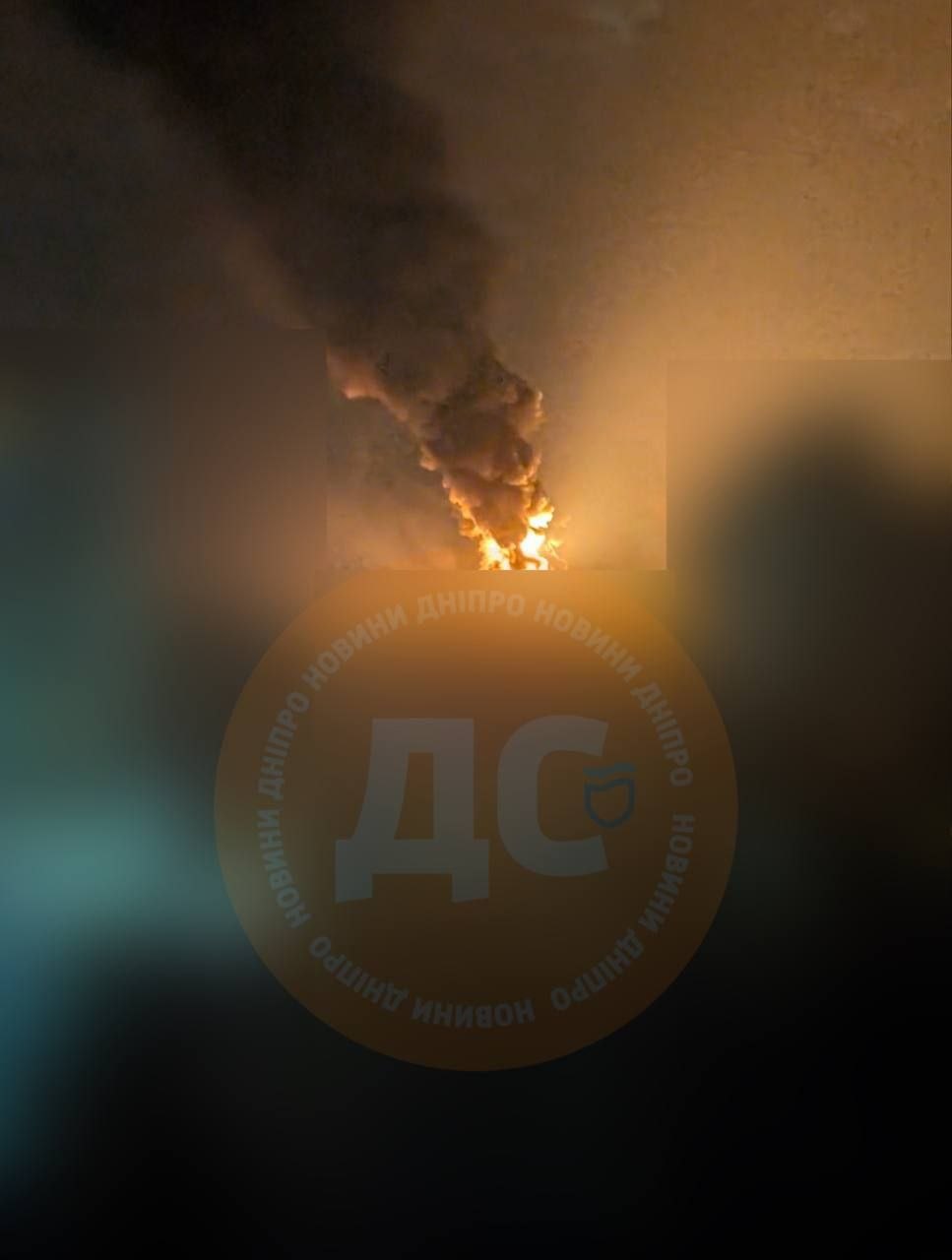
At 03:52:29 UTC, the Telegram channel intelslava reported that a Russian Geran‑2 kamikaze drone struck Dnipropetrovsk, igniting a fire that quickly spread across a residential‑industrial zone. The drone, a repurposed commercial quadcopter equipped with an explosive payload, is designed for low‑altitude, high‑precision attacks against soft targets. While no casualties were confirmed in the immediate aftermath, local emergency services reported significant property damage and a temporary disruption of power supplies. The incident underscores the expanding use of inexpensive, expendable UAS by Russian forces to supplement larger missile strikes.
"Fire in Dnipropetrovsk after a strike by 'Geran‑2' drone kamikazes," intelslava, 2026‑04‑25.
Cruise Missile Barrage Across Central Ukraine
Between 00:55 and 01:53 UTC, the open‑source monitoring channel GeoPWatch documented a series of cruise missile impacts across three central oblasts:
- Bila Tserkva, Kyiv Oblast – Kalibr cruise missiles struck the city at 01:53:23, causing structural damage to residential blocks and a local school. No fatalities were reported, but several injuries required hospital treatment.
- Cherkasy Oblast – At 01:51:30, additional Kalibr missiles impacted the region, hitting a logistics depot near the city of Cherkasy. The depot stored fuel and ammunition, prompting secondary explosions that were contained by emergency crews.
- Kherson Oblast – At 00:55:32, approximately twenty Kh‑101 cruise missiles were observed flying northeast over the oblast. While the missiles did not detonate over populated areas, radar tracking indicated they were on a trajectory toward strategic infrastructure in the region.
These coordinated strikes demonstrate a pattern of saturation attacks aimed at overwhelming Ukrainian air defence systems, particularly the S‑300 and Patriot batteries deployed in the central and southern theatres.
Iskander Missile Strikes in Dnipro and Kharkiv
At 00:54:27 UTC, GeoPWatch confirmed the impact of an Iskander‑K cruise missile in the city of Dnipro, causing a fire in a commercial district and damaging a nearby power substation. Later, at 00:35:15, the channel BellumActaNews reported that eight Iskander‑M ballistic missiles struck Kharkiv, with additional impacts recorded in Dnipro and Nizhyn (Chernihiv region). The Iskander‑M system, capable of delivering a 500‑kilogram warhead at hypersonic speeds, is designed to defeat layered air defence. Ukrainian officials confirmed that the Kharkiv impacts damaged a residential high‑rise and a municipal water treatment facility, leading to temporary water supply interruptions.
"Eight Russian Iskander‑M ballistic missiles have impacted the eastern Ukrainian city of Kharkiv during this evening's Russian strikes," BellumActaNews, 2026‑04‑25.
Cross‑Border Drone Engagement Near Reni
At 05:03:37 UTC, the Ukrainian intelligence outlet rnintel reported renewed Russian drone activity near the town of Reni, Odesa Oblast, close to the Romanian border. Romanian Eurofighter pilots intercepted and engaged the hostile UAVs, preventing them from reaching their intended targets. Ground‑based air defence units reported limited damage to a civilian power line, but no casualties. The incident highlights the expanding geographic scope of Russian drone operations and the involvement of NATO‑aligned forces in defending Ukrainian airspace.
Operational Context and Ukrainian Defence Response
Ukrainian General Staff statements released throughout the day emphasized the strain placed on air defence assets by the simultaneous use of diverse missile families and low‑cost drones. The Ministry of Defence reported that the combined use of Kalibr, Kh‑101, Iskander‑K, and Iskander‑M missiles, alongside Geran‑2 UAVs, forced a redistribution of Patriot and NASAMS batteries from the frontline to protect critical urban centres. Ukrainian forces successfully intercepted approximately 60 % of the incoming cruise missiles, according to data compiled by the Ukrainian Air Defence Command, but the remaining strikes resulted in material losses and temporary service disruptions.
Implications for the Conflict Trajectory
The intensity and coordination of the April 25 attacks suggest a deliberate Russian effort to degrade Ukrainian logistical networks ahead of the anticipated spring offensive season. By targeting energy infrastructure, water treatment facilities, and transport hubs, Moscow aims to erode civilian resilience and complicate Kyiv’s ability to sustain prolonged defensive operations. The use of Geran‑2 drones, a relatively new addition to the Russian UAV inventory, indicates an evolving doctrine that blends high‑tech cruise missiles with low‑cost, expendable platforms to achieve attrition across multiple domains.
While Ukrainian authorities have not reported civilian casualties directly attributable to the missile strikes on this date, the cumulative impact on essential services underscores the humanitarian dimension of kinetic warfare. International monitoring groups, including the OSCE Special Monitoring Mission, have called for increased protection of civilian infrastructure and the establishment of safe corridors for humanitarian aid.
Overall, the events of April 25, 2026, reflect a heightened kinetic tempo in the Ukrainian theatre, characterized by multi‑vector missile deployments and the integration of drone warfare into Russia’s broader operational strategy.