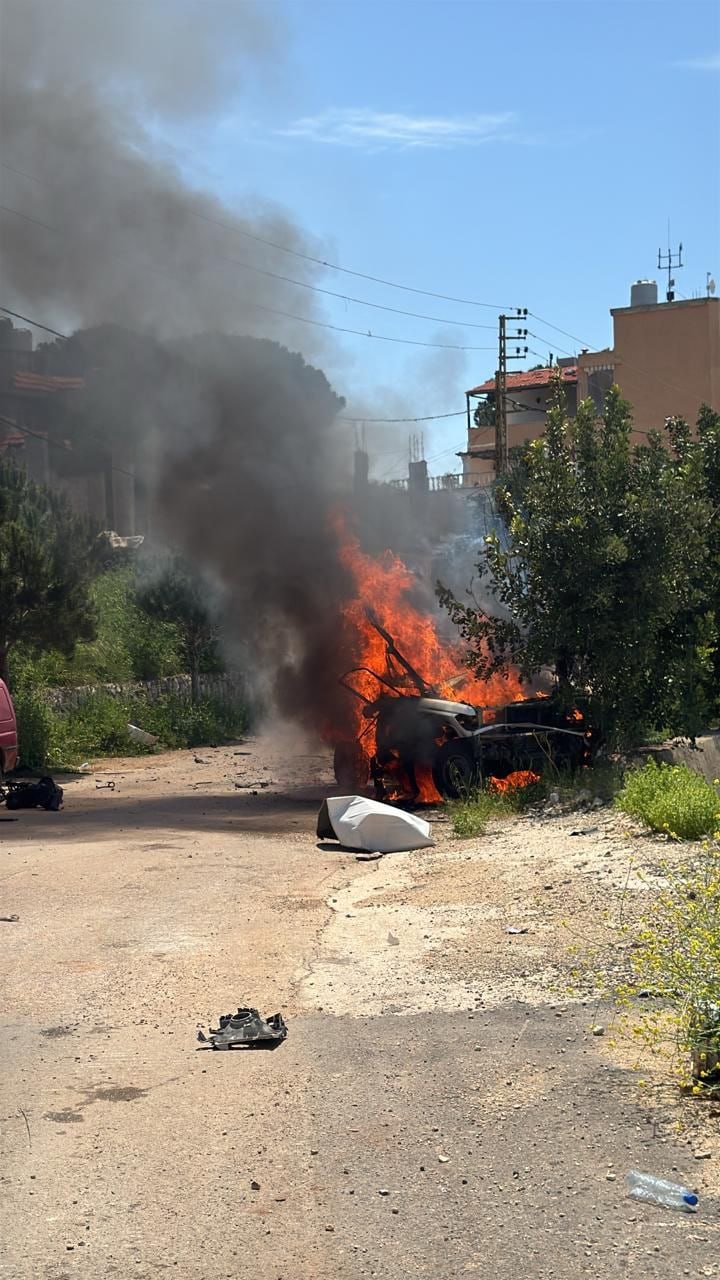
On April 25, Israeli forces conducted two coordinated raids on the Lebanese village of Yahmor al‑Shaqif, killing four civilians, according to Lebanon's Health Ministry. The operation, reported by the monitor_the_situation channel, represents the deadliest single incident recorded in the region for the day and signals a marked intensification of cross‑border hostilities.
"Israeli Raids Kill 4 in Yahmor al‑Shaqif, Southern Lebanon" – monitor_the_situation, 12:10 UTC
Airstrikes on Residential Areas in Khiam
Earlier in the morning, at 09:20 UTC, Israeli aircraft bombed residential blocks in the southern town of Khiam. The strike, also documented by monitor_the_situation, targeted civilian structures amid ongoing clashes with Hezbollah. No immediate casualty figures were released, but the use of airpower against populated zones raises concerns about collateral damage and potential displacement of residents.
IDF Targeted Hezbollah Installations Across Southern Lebanon
At 17:51 UTC, the Israeli Defense Forces (IDF) launched a series of strikes on identified Hezbollah positions throughout southern Lebanon. Prime Minister Netanyahu authorized the operation, describing it as a "powerful" response to recent provocations. While the exact number of targets was not disclosed, the attacks focused on command‑and‑control sites, weapons caches, and launch points for rocket fire. The monitor_the_situation feed noted the operation as a significant escalation, though no casualty numbers were provided.
UAV Engagements and Interceptions
Hezbollah demonstrated its growing anti‑air capability by shooting down an Israeli Hermes 450 reconnaissance drone over Tyre at 16:46 UTC, employing a surface‑to‑air missile. The incident, captured on video and shared by monitor_the_situation, marks a rare successful drone kill in the ongoing aerial contest.
Conversely, the Israeli Air Force intercepted an unidentified drone over southern Lebanon at 12:37 UTC, preventing any incursion into Israeli airspace. The IDF reported the interception without casualties or damage, underscoring the heightened vigilance on both sides.
FPV Drone Strikes by Hezbollah
Hezbollah employed first‑person‑view (FPV) drones in multiple attacks. At 15:00 UTC in Qantara, a Hezbollah‑operated FPV drone struck an IDF armored personnel carrier (APC), according to GeoPWatch. Two hours later, in Rchaf, Hezbollah released footage of an FPV drone hitting an IDF excavator, a claim also sourced from GeoPWatch. Earlier, at 09:53 UTC, a similar drone attack targeted an Israeli engineering vehicle in Rashaf, with video evidence posted by monitor_the_situation. These engagements illustrate the increasing reliance on low‑cost, maneuverable UAVs to challenge conventional ground forces.
Rocket Launches and Artillery Fire
At 13:25 UTC, an unspecified group launched rockets from southern Lebanon toward Israel. While the launchers were not identified, the incident aligns with a pattern of intermittent rocket fire that has persisted since the 2023 ceasefire. Later, Israeli jets struck Hezbollah rocket launcher sites in Deir al‑Zahrani, Kafr Reman, and Al‑Sa'miya, employing precision munitions to neutralize threats to IDF positions.
Artillery shelling intensified at 10:01 UTC when Israeli forces bombarded Yohmor al‑Shafiq with heavy artillery, as reported by monitor_the_situation. The shelling coincided with a separate Israeli demolition operation in Bint Jbeil at 10:26 UTC, where several buildings were destroyed during clashes with Hezbollah fighters.
Targeted Assassination Attempt
At 09:57 UTC, Israeli forces carried out an assassination strike on a vehicle in Yohmor, southern Lebanon. Lebanese media, cited by rnintel, confirmed the strike but did not disclose the target's identity or any casualties. The operation reflects a continued Israeli practice of precision strikes against perceived militant leadership.
Analytical Overview
The events of April 25 demonstrate a multi‑dimensional escalation: conventional air and artillery strikes, ground demolitions, and a pronounced increase in UAV‑based engagements. Both Israel and Hezbollah appear to be expanding their tactical repertoires, with Hezbollah leveraging FPV drones and surface‑to‑air missiles to contest Israeli aerial surveillance, while Israel continues to employ heavy artillery and precision airstrikes against Hezbollah infrastructure.
Casualty figures remain limited to the four civilian deaths in Yahmor al‑Shaqif, but the cumulative effect of building demolitions, vehicle destructions, and potential injuries from rocket and artillery fire suggests a broader humanitarian impact. The pattern of reciprocal strikes raises the risk of further civilian harm and may strain existing ceasefire mechanisms.