On April 24, 2026, the most consequential development in Lebanon’s southern conflict zone was the death of a United Nations Interim Force in Lebanon (UNIFIL) peacekeeper following an explosion that killed a fellow soldier at a UN position near Adchit Al Qusayr. The incident, reported by rnintel at 10:23:52, marked the second UNIFIL fatality in less than a month and underscored the heightened risk to international forces operating amid renewed Israel‑Hezbollah cease‑fire violations.
"A peacekeeper was tragically killed last night when a projectile exploded in a UNIFIL position near Adchit Al Qusayr [southern Lebanon]. Another was critically injured. No one should ever lose their life serving the cause of peace." – rnintel
The explosion, described as an "unknown projectile" that detonated within the UN compound, killed one peacekeeper and wounded another. The origin of the projectile remains under investigation, but the incident follows a separate UNIFIL fatality reported earlier that morning by monitor_the_situation at 10:38:36. A UN peacekeeper who had been wounded on March 29 succumbed to his injuries, bringing the total UNIFIL deaths in the region to two within a 48‑hour span.
Broader UNIFIL Casualties and Operational Strain
UNIFIL’s presence along the Israel‑Lebanon border has become increasingly precarious. In addition to the two fatalities, the force has faced multiple drone attacks. At 10:29:09, rnintel reported that Corporal Rico Pramudia of Indonesia died from injuries sustained in a drone strike on March 29, which also killed a teammate. The UNIFIL statement, quoted by rnintel, read:
"UNIFIL deplores the passing today of Corporal Rico Pramudia, who was critically injured in a drone attack on a UNIFIL position on 29 March." – UNIFIL spokesperson
These incidents illustrate a pattern of kinetic threats—ranging from projectile explosions to armed drones—directed at UN positions, complicating the mission’s mandate to monitor the cease‑fire and protect civilians.
Israeli Military Casualties and Retaliatory Strikes
Israeli forces have also suffered significant losses. According to a message from rnintel at 07:01:35, 45 Israel Defense Forces (IDF) soldiers were wounded in southern Lebanon over the preceding 48 hours. The report, which quoted the Israeli army, stated:
"45 IDF soldiers have been wounded in southern Lebanon in the past 48 hours, according to the Israeli army." – rnintel
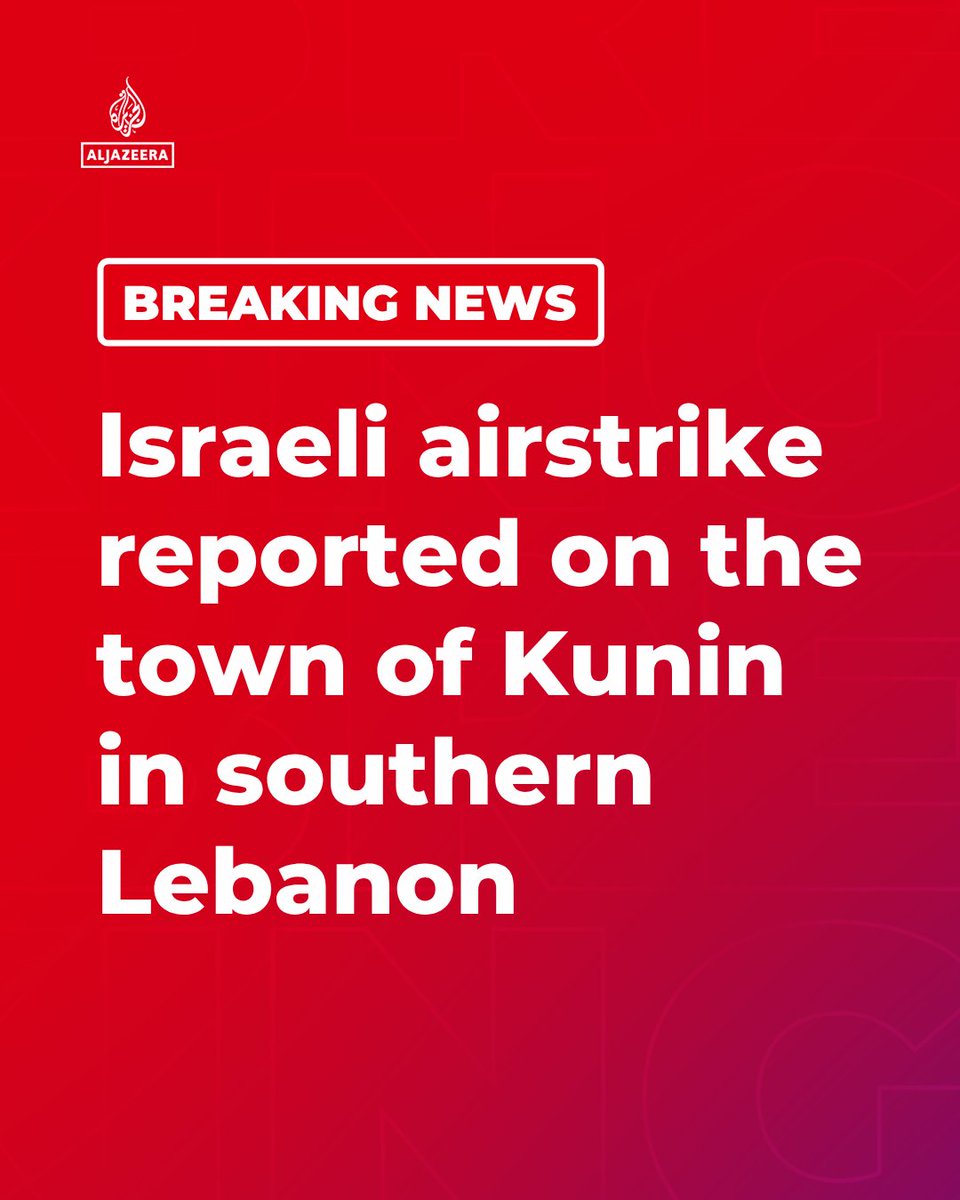
In response, the IDF conducted a series of airstrikes. At 07:23:33, rnintel documented an Israeli Air Force bombing of Hezbollah military structures in the Khirbet Salam and Tulin areas, citing retaliation for rocket fire toward the Israeli town of Shlomi. Later, at 13:45:54, monitor_the_situation reported an Israeli airstrike on the town of Kunin, despite a three‑week cease‑fire extension announced by the United States. The strike targeted what Israeli sources described as Hezbollah‑operated facilities.
Drone and UAV Engagements Across the Border
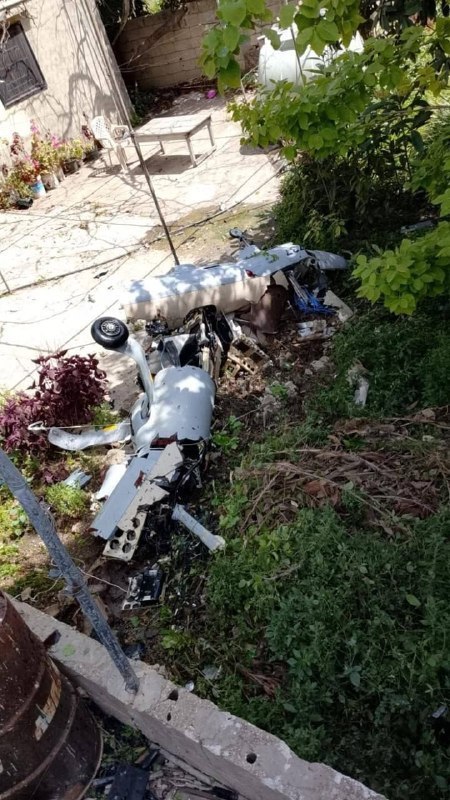
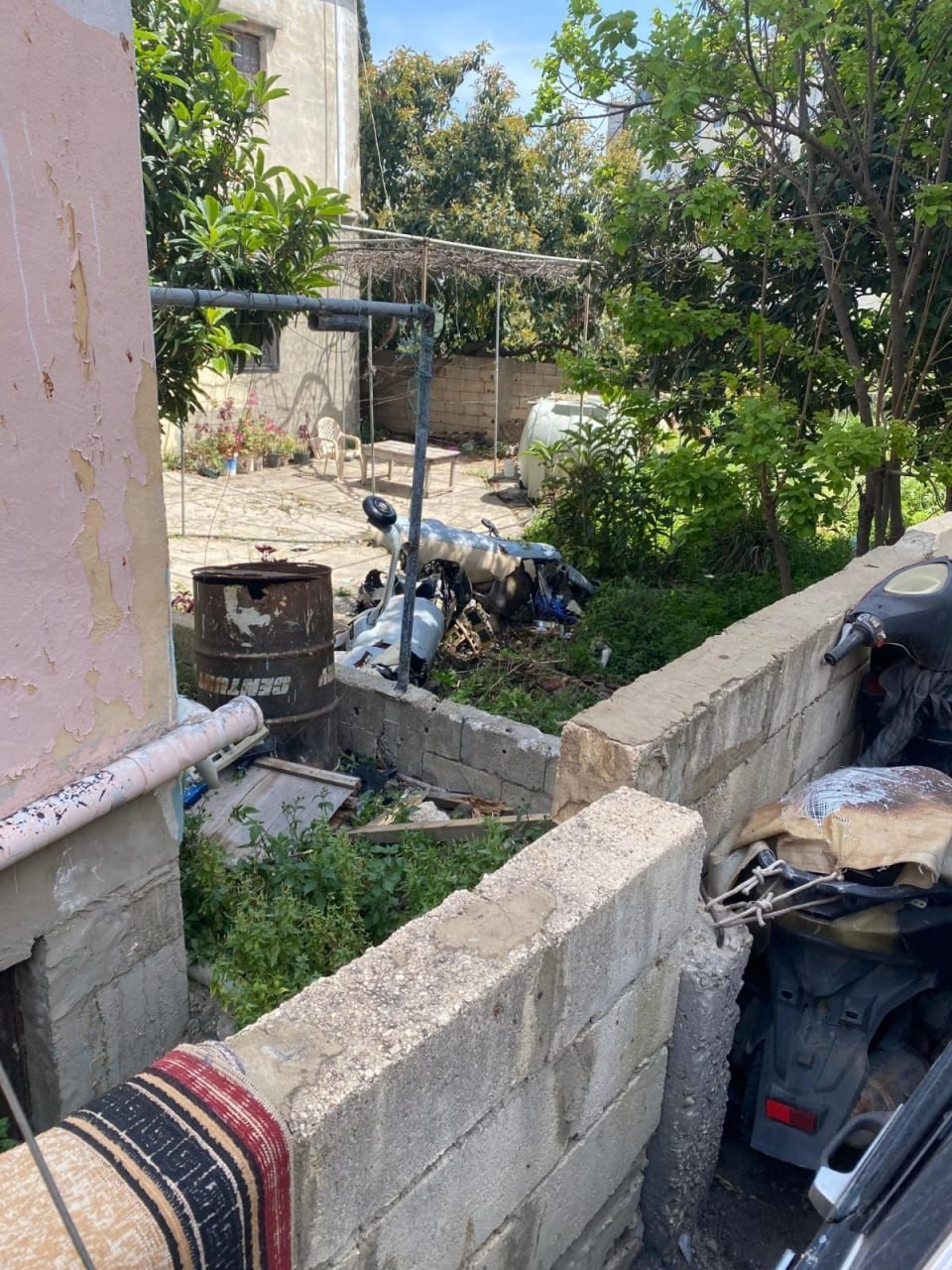
Unmanned aerial systems (UAS) have become a defining feature of the April 24 confrontations. Hezbollah deployed multiple first‑person view (FPV) drones, while Israeli forces employed both reconnaissance and combat drones.
- At 17:40:38, monitor_the_situation recorded an FPV drone striking an Israeli engineering vehicle in Bint Jbeil, a town that has repeatedly been a flashpoint for ground clashes.
- At 16:31:08, an Israeli drone hit a building in Bint Jbeil, killing two Hezbollah fighters, as reported by monitor_the_situation.
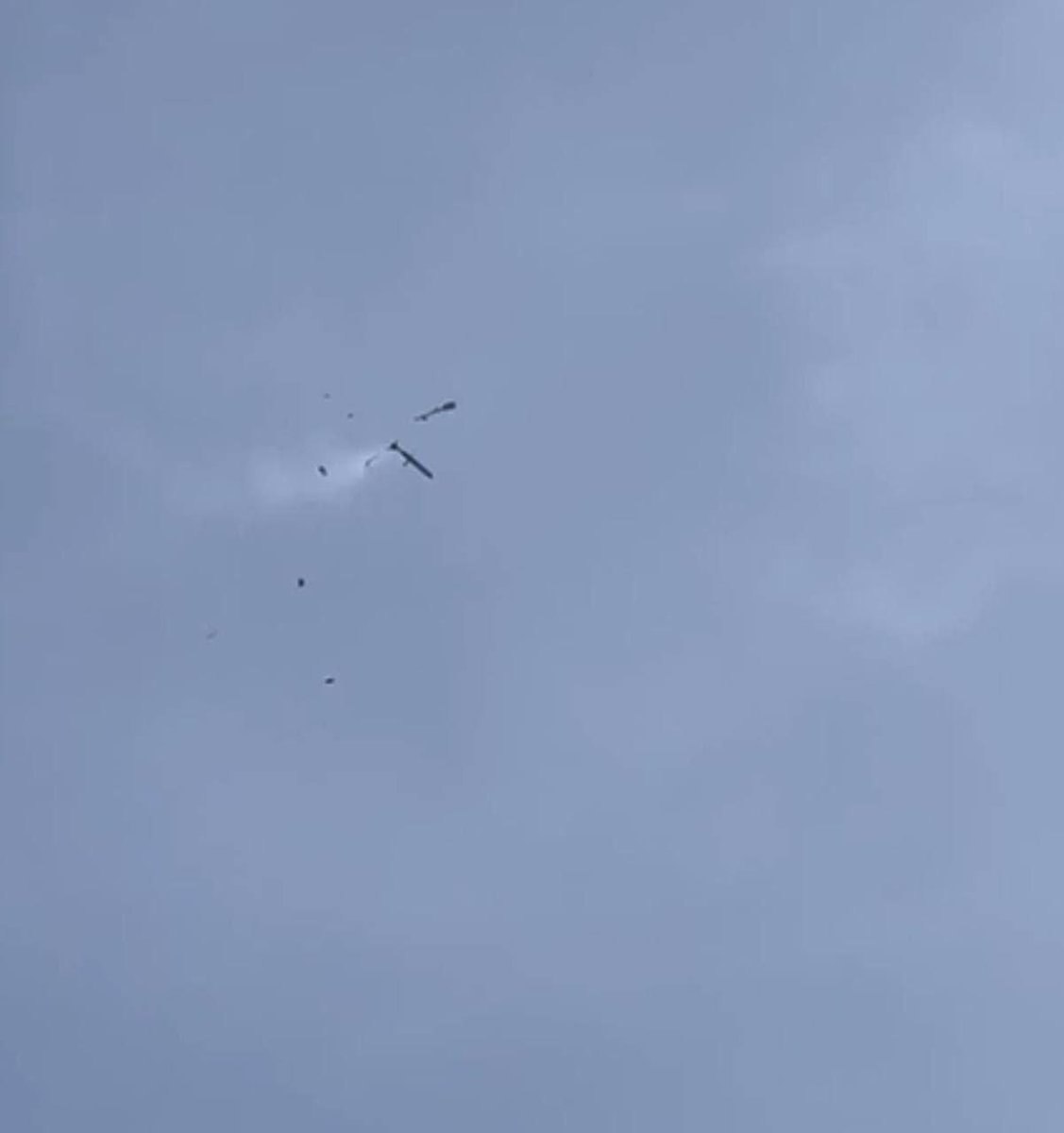
- Hezbollah claimed to have shot down an Israeli Hermes‑450 UAV over Tyre at 14:06:41, using a surface‑to‑air missile, according to GeoPWatch.
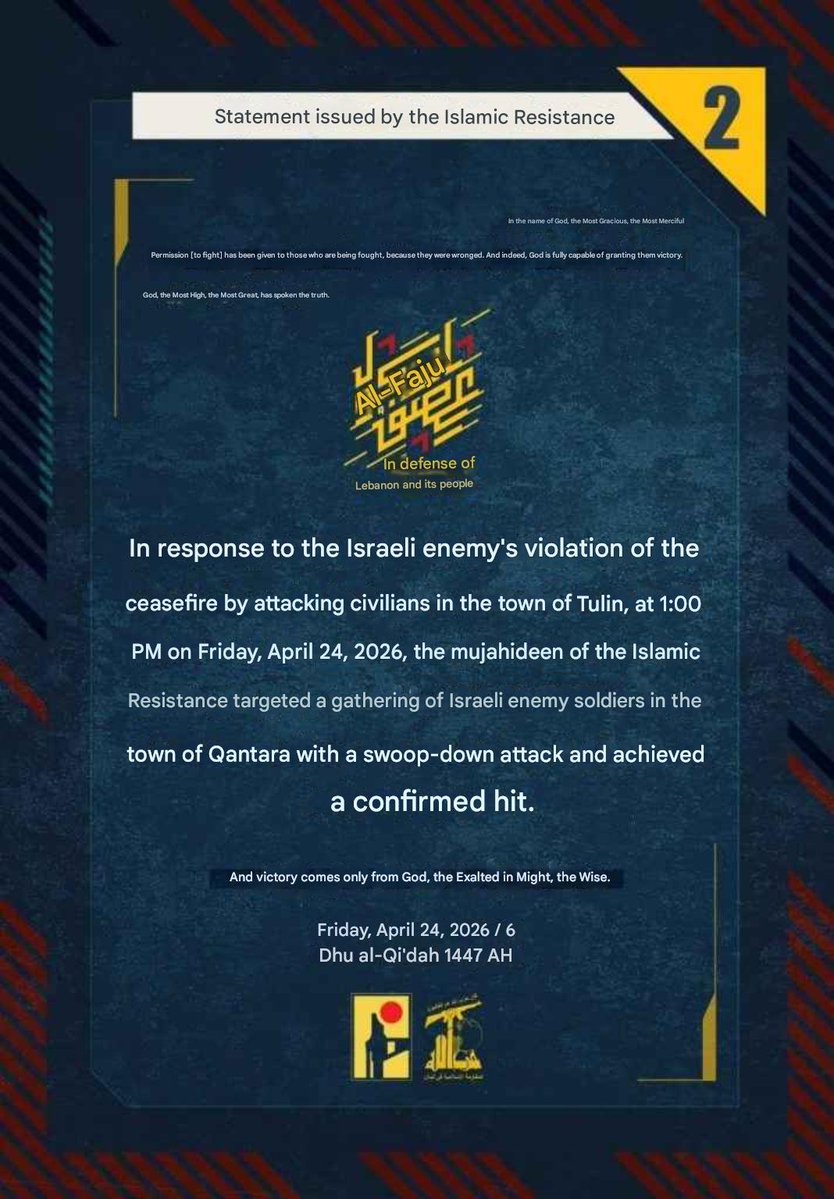
- At 12:41:05, Hezbollah announced a kamikaze drone strike on Israeli soldiers in Al‑Qanatra, citing retaliation for alleged Israeli cease‑fire violations.
These engagements demonstrate a rapid escalation in low‑altitude kinetic warfare, with both sides employing drones for targeted strikes and anti‑aircraft defenses.
Ground Clashes and Infrastructure Damage
Heavy ground combat continued in Bint Jbeil. GeoPWatch reported at 16:10:37 that intense clashes erupted between Israeli forces and Hezbollah fighters, with the fighting centered on urban streets and surrounding high‑ground positions. Simultaneously, Israeli forces demolished residential structures in the Lebanese town of Khiam at 08:53:02, an action described by monitor_the_situation as a violation of the cease‑fire agreement.
Hezbollah also launched small‑arms attacks on Israeli soldiers in Taybeh at 07:40:25, executing six separate operations that targeted patrols and outposts. These attacks were framed by Hezbollah as retaliation for perceived Israeli incursions.
Casualty Summary for Lebanon‑Centric Kinetic Events
Across the day’s events, the following casualty figures were recorded for Lebanon‑related kinetic actions:
- UNIFIL peacekeepers: 2 killed (one from projectile explosion, one from earlier wounds), 1 injured.
- IDF soldiers: 45 wounded.
- Hezbollah fighters: at least 2 killed in the Bint Jbeil drone strike, additional unspecified casualties in other engagements.
- Civilians: No civilian deaths were reported in the documented incidents, though demolition of homes in Khiam displaced residents.
Operational Context and Implications
The concentration of kinetic events on April 24 reflects a broader pattern of cease‑fire erosion since the March 2024 truce. UNIFIL’s deteriorating security environment, combined with the increased use of drones by both state and non‑state actors, raises the risk of inadvertent escalation. The Israeli military’s airstrike campaign, coupled with Hezbollah’s drone and missile attacks, suggests a tit‑for‑tat dynamic that could expand beyond the border if either side escalates further.
International observers, including the United Nations and regional diplomatic channels, have called for renewed de‑escalation measures. However, the dual pressures of protecting national security interests and maintaining the credibility of peacekeeping mandates create a complex operational calculus for all parties involved.