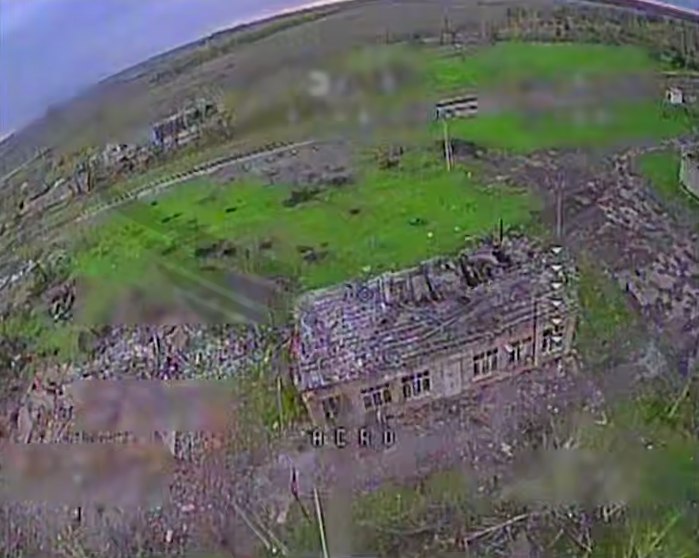
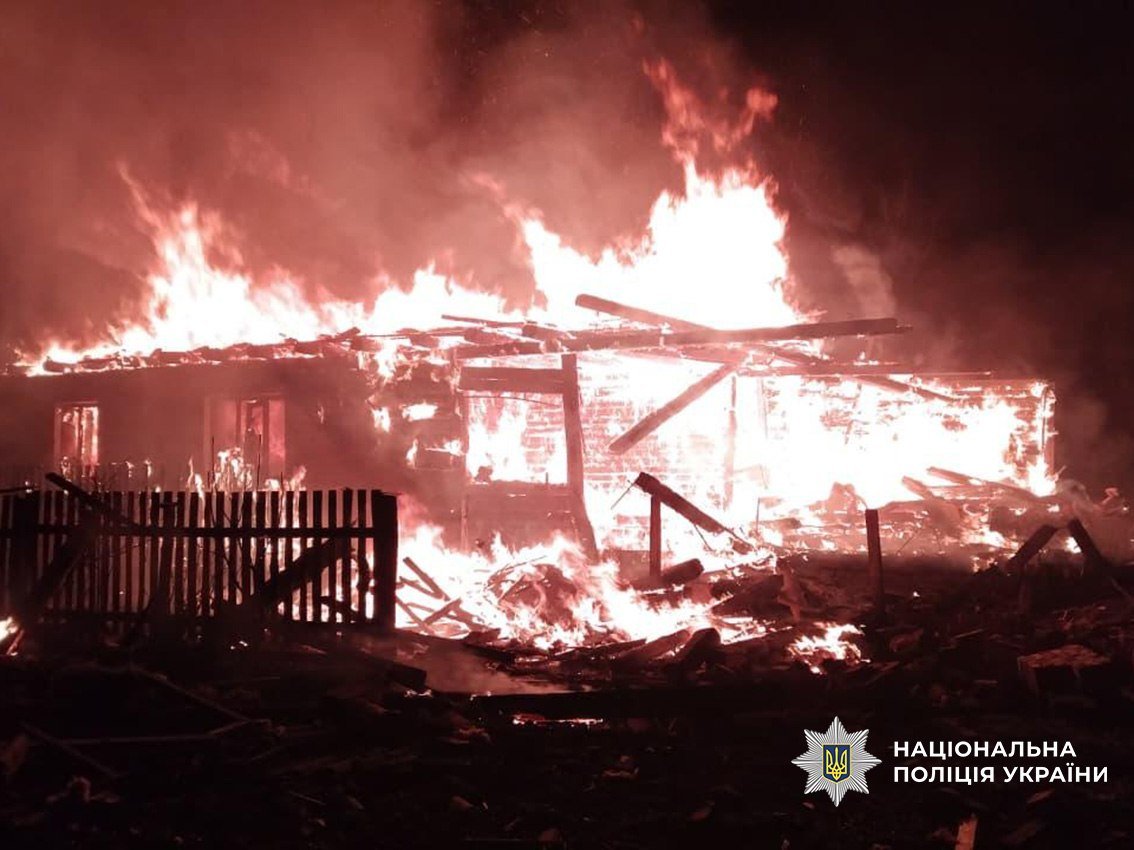
On April 24, 2026, Ukraine’s 425th Skelia Regiment executed a decisive ground offensive along the Oleksandrivka axis, advancing 15 kilometres to seize the village of Ternove in Donetsk Oblast. According to the monitoring channel monitor_the_situation, the operation resulted in the elimination of over 600 Russian troops, marking the most significant kinetic event of the day and a notable shift in the front‑line dynamics of the Donbas region.
"Ukrainian 425th Regiment Advances 15km Capturing Ternove, Donetsk. Ukraine's 425th Skelia Regiment pushes 15 km into Russian positions on Oleksandrivka axis, capturing Ternove and eliminating over 600 Russian troops in first month of fighting." – https://t.me/monitor_the_situation/12712
Ground Operations and Territorial Gains
The capture of Ternove follows a series of incremental advances by Ukrainian forces in the Donetsk sector. Earlier in the day, Ukrainian units near Kupyansk in Kharkiv Oblast reported the capture of several Russian soldiers, underscoring a broader pattern of localized breakthroughs (source). While the Ternove operation did not involve reported heavy weaponry, the scale of personnel losses inflicted on Russian forces suggests effective combined‑arms coordination, likely integrating artillery preparation, reconnaissance drones, and close‑quarter infantry tactics.
Russian Aerial Campaign Intensifies
Concurrently, Russian forces launched a massive aerial barrage targeting the Donbas region. Two Iskander‑M ballistic missiles and a swarm of 107 drones were deployed overnight, killing six civilians and injuring forty across Ukraine (source). The use of Iskander‑M missiles, a short‑range, high‑precision system, indicates an intent to strike strategic infrastructure and command nodes, while the extensive drone swarm reflects a saturation strategy aimed at overwhelming Ukrainian air defenses.
Ukrainian Drone Counter‑Offensives
Ukrainian drone units demonstrated notable effectiveness across multiple fronts. The 53rd Mechanized Brigade employed combat drones to destroy a North Korean‑manufactured Type‑75 multiple launch rocket system (MLRS) and four artillery pieces near Lyman, Donetsk Oblast (source). This engagement highlights Ukraine’s reliance on commercially available and reverse‑engineered UAV platforms to neutralize high‑value enemy assets.
In the Donbas frontline, the 3rd Operational Brigade Spartan conducted precision strikes on a Russian supply convoy, destroying vehicles, ammunition stocks, and personnel (source). These actions, combined with the earlier ground capture of Ternove, suggest a coordinated effort to disrupt Russian logistics while applying pressure on the front line.
Geran‑2 and FPV Drone Deployments
Russian aerial assets continued to feature prominently. At 14:50, the Rubicon drone unit launched an FPV (first‑person view) drone strike on a Ukrainian position in Rodynske, Donetsk Oblast, confirming the presence of Ukrainian forces in the area (source). Later, at 17:02, Geran‑2 drones were dispatched from the Donbas region toward Ukrainian territory, though no immediate casualties were reported (source).
In Zaporizhzhia Oblast, Russian operators deployed at least seven Geran‑2 drones against the towns of Vilnyansk and Mykhailo‑Lukasheve, targeting civilian infrastructure and potentially rear‑area logistics (source). The persistence of Geran‑2 attacks across multiple oblasts underscores Russia’s strategy of leveraging low‑cost, expendable UAVs to maintain pressure on Ukrainian supply lines and morale.
Ukrainian Special Forces Infiltration
Beyond conventional front‑line combat, Ukrainian special forces conducted deep‑penetration raids into occupied territories of Donetsk and Zaporizhzhia. Operating up to 130 kilometres behind Russian lines, these units struck arsenals, fuel depots, and repair facilities in Manhush, Berdyansk, and along the Azov coast (source). While casualty figures were not disclosed, the targeting of logistical hubs is likely to degrade Russian sustainment capabilities in the short term.
Air Defense and Interception Efforts
Ukrainian air defense responded to the heightened aerial threat with several notable actions. At 06:30, the Ukrainian Air Force deployed STING air‑defense interceptors from AN‑28 transport aircraft to protect frontline sectors (source). Simultaneously, ground‑based units shot down multiple drones over the Donbas frontline (source), and naval forces intercepted a Russian maritime drone approaching Odesa, preventing a potential strike on the Black Sea port (source).
Civilian Impact and Casualties
In addition to the military engagements, civilian populations continued to bear the brunt of the conflict. Strikes on civilian infrastructure across Ukraine and Russia resulted in nine civilian deaths and 58 injuries, including a UAV‑related injury in the Chernihiv region (source). A Shahed drone over Kyiv self‑destructed in a lake without causing casualties, yet the incident reflects the ongoing risk to urban centers (source).
Operational Assessment
The events of April 24 illustrate a multi‑dimensional escalation in kinetic activity. Ukraine’s ground advance in Donetsk demonstrates renewed offensive capability, while its drone‑centric counter‑measures effectively neutralize high‑value Russian assets. Conversely, Russia’s reliance on ballistic missiles and large‑scale drone swarms indicates an attempt to compensate for ground setbacks through aerial saturation. The simultaneous deployment of special‑forces raids and persistent UAV attacks suggests both sides are intensifying efforts to disrupt each other’s logistics and command structures.
Continued monitoring of casualty trends, equipment losses, and the effectiveness of air‑defense deployments will be essential for assessing the evolving balance of power on the Ukrainian front lines.