Early on 23 April 2026, unconfirmed reports indicated that the United States and Israel resumed coordinated strikes against Iranian targets in the Strait of Hormuz. The reported operation follows a series of kinetic incidents inside Iran, including multiple explosions in Tehran and surrounding provinces, a high‑altitude drone presence over the capital, and anti‑aircraft fire in Ahwaz. Together, these events mark a sharp escalation in regional hostilities and underscore the heightened risk of broader confrontation.
US‑Israeli Joint Strikes in the Strait of Hormuz
At 00:20 UTC, the monitoring channel monitor_the_situation posted a brief stating that “
US‑Israel Joint Strikes Resume Against Iran in Strait of Hormuz”. The notice described “early unconfirmed reports” of coordinated military action targeting Iranian assets in the strategic waterway. No specific casualty figures or weapon systems were disclosed, but the language suggests the use of precision‑guided munitions, consistent with prior US‑Israeli joint operations in the region.
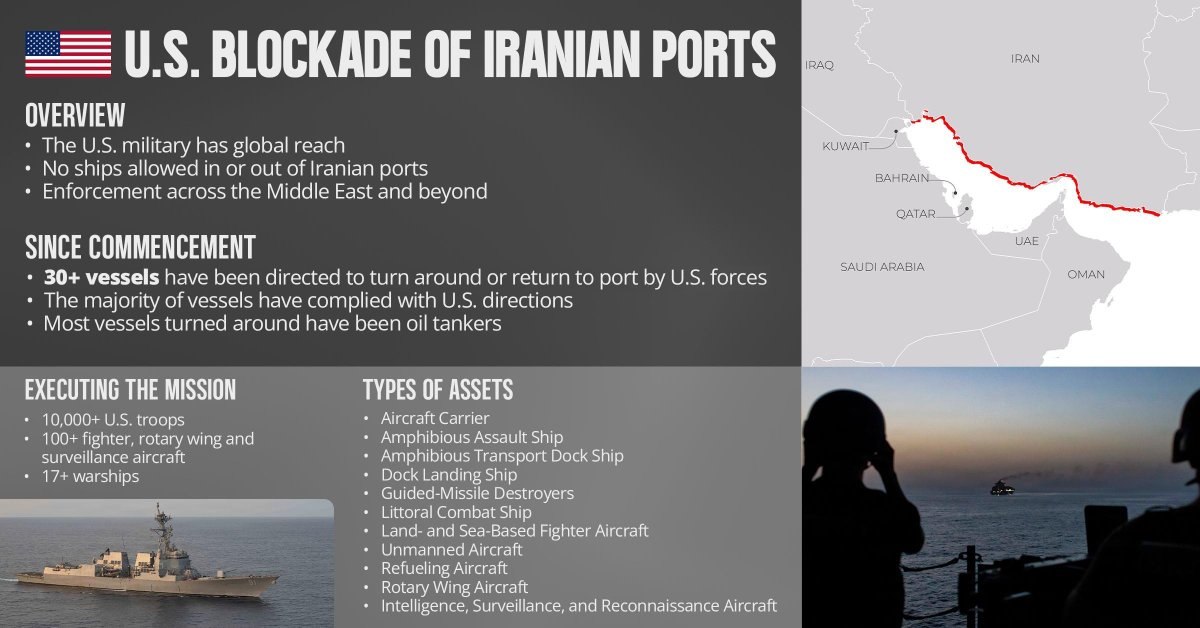
The strikes come amid ongoing US naval blockade enforcement, as evidenced by a separate monitor_the_situation report at 00:40 UTC that CENTCOM ordered 31 vessels to return to port or turn around, reinforcing the blockade. The simultaneous naval activity reflects a concerted effort to pressure Iran’s maritime logistics and signal deterrence to Tehran.
IRGC Seizure of a Container Ship
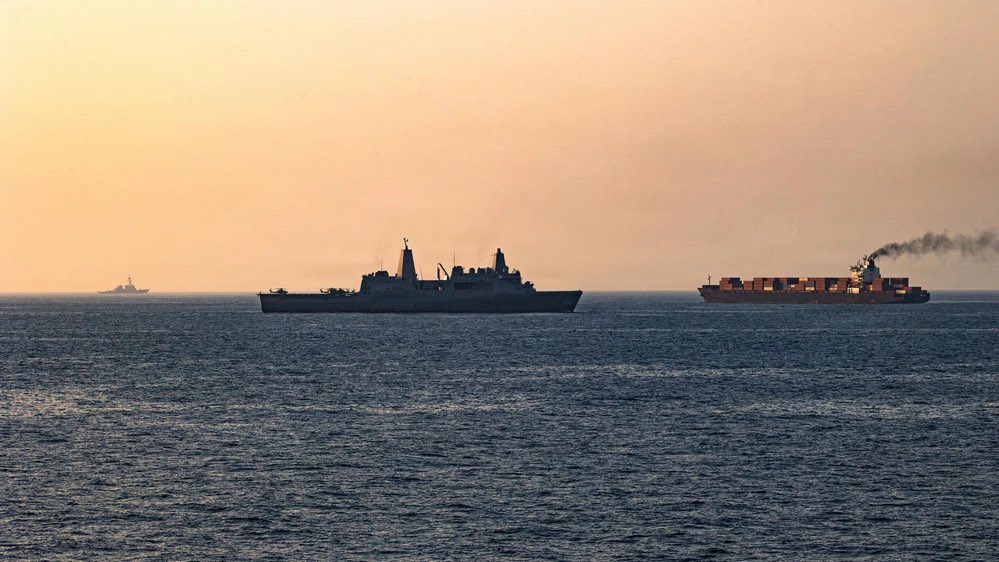
At 01:05 UTC, the Iranian Revolutionary Guard Corps (IRGC) captured one of two container ships transiting the Strait of Hormuz. The event was documented in a video released by monitor_the_situation, which highlighted the IRGC’s “assertive control” over the waterway. While the seizure did not result in reported casualties, it demonstrates Iran’s willingness to employ kinetic force to challenge the US‑led naval presence and protect perceived sovereign interests.
Series of Explosions Across Iran
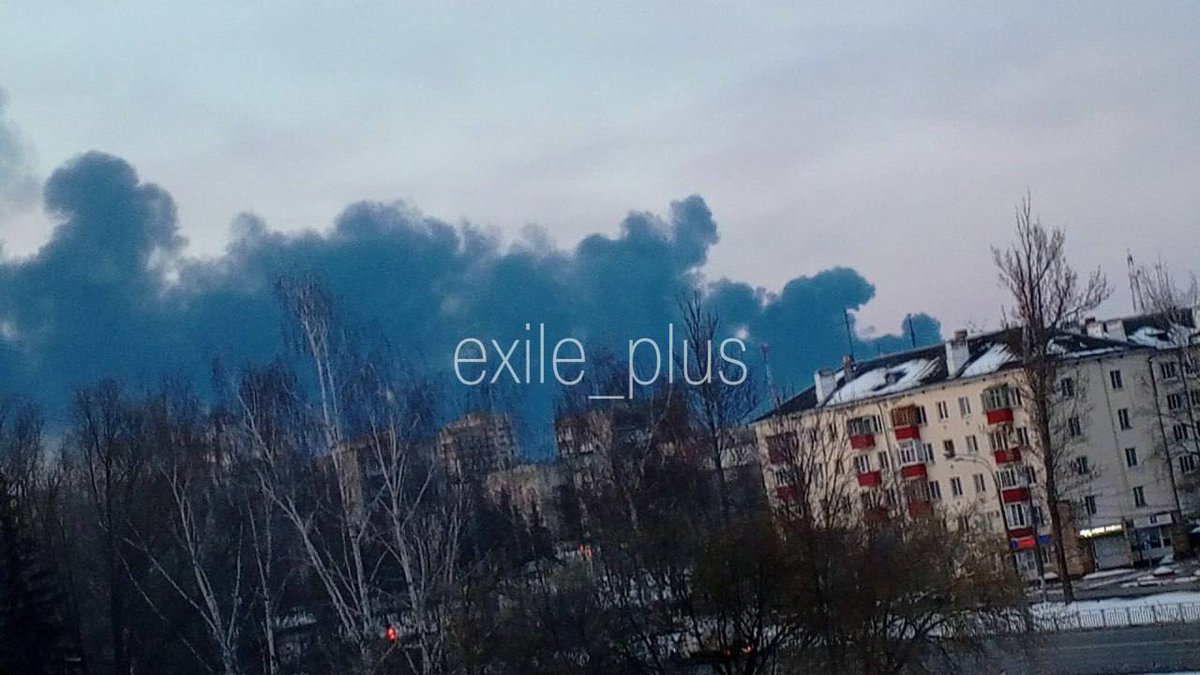
Between 00:00 and 03:30 UTC, a cascade of explosions was reported in several Iranian cities:
- Tehran, Qom, Shahriar, Karaj, and Chitgar – reported by rnintel at 00:00 UTC.
- Shahr‑e‑Qods (Tehran Province) – at least 17 explosions recorded around 03:30 am Tehran time, reported by BellumActaNews.
- Isfahan – explosions noted by rnintel at 00:01 UTC.
The BellumActaNews report described the Shahr‑e‑Qods blasts as “likely air‑defence activity,” implying that Iranian surface‑to‑air systems were engaging aerial threats, possibly drones or missiles. No civilian casualty figures were released, but the widespread nature of the incidents suggests a coordinated air‑defence response to multiple inbound threats.
High‑Altitude Drone Activity Over Tehran
At 00:12 UTC, the channel CIG_telegram observed “high‑altitude drones” over western Tehran, prompting activation of air‑defence systems. The drones’ origin remains unidentified, and there is no confirmation of successful interceptions. The presence of such UAVs aligns with the pattern of kinetic engagements reported earlier in the day and may be linked to the explosions in the capital.
Anti‑Aircraft Artillery and Small‑Arms Fire in Ahwaz
In Ahwaz, Khuzestan Province, local residents reported “anti‑aircraft artillery and small‑arms fire” over the city’s skies, according to a BellumActaNews post at 00:27 UTC. The report did not specify the actors involved, but the use of anti‑aircraft weapons indicates a direct kinetic confrontation, possibly aimed at neutralising low‑flying UAVs or missiles.
Context and Potential Implications
The convergence of naval, aerial, and ground kinetic events on 23 April 2026 reflects a multi‑domain pressure campaign against Iran. The US‑Israeli strikes and the IRGC’s ship seizure illustrate the contested nature of the Strait of Hormuz, a vital artery for global oil shipments. Simultaneously, the series of explosions and drone sightings within Iran’s interior suggest that Iranian air‑defence forces are actively engaging perceived threats, whether state‑backed or non‑state actors.
While casualty numbers remain limited in the open‑source record, the intensity of kinetic activity raises the risk of inadvertent escalation. The lack of confirmed attribution for the drones and explosions complicates diplomatic assessments, and the continued enforcement of a naval blockade by CENTCOM adds a layer of strategic pressure that could influence Iran’s future operational choices.
Analysts will monitor subsequent communications from the Iranian Ministry of Defence, US Central Command, and Israeli defence officials for clarification on the targets, weapon systems employed, and any reported losses. The evolving situation underscores the importance of real‑time intelligence to differentiate between defensive air‑defence actions and offensive kinetic strikes.