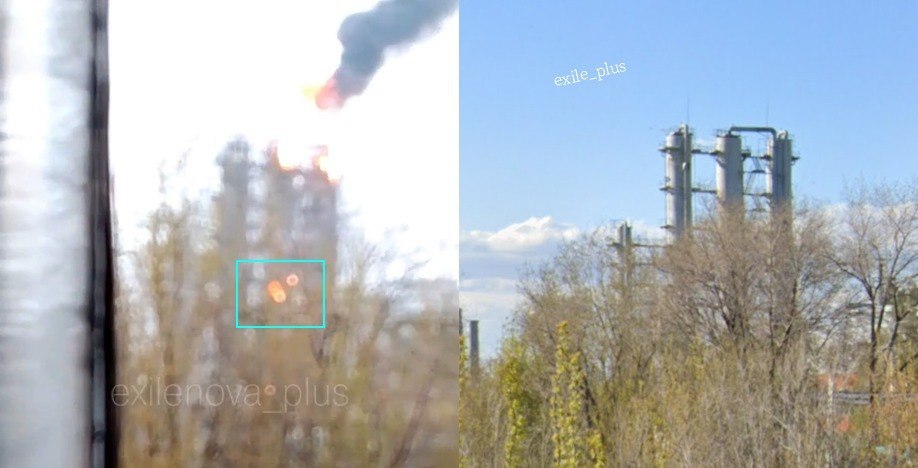
On 23 April 2026, a series of hostile unmanned aerial vehicle (UAV) attacks attributed to Ukrainian forces struck three major energy installations deep within Russian territory. The most consequential incident occurred at the Novokuybyshevsk petrochemical complex in Samara Oblast, where a drone‑delivered payload ignited a fuel‑additive production unit, prompting an emergency response and temporary shutdown of the facility. The attacks underscore a pattern of targeting critical energy infrastructure far from front‑line combat zones, extending the kinetic dimension of the conflict into the Russian heartland.
Novokuybyshevsk Petrochemical Plant Attack
At approximately 05:47 GMT, a hostile UAV penetrated the perimeter of the Novokuybyshevsk petrochemical plant, located in the city of Novokuybyshevsk, Samara Oblast. The drone struck the plant’s fuel‑additive unit, igniting a fire that rapidly spread across the processing area. Regional authorities reported no casualties among plant personnel, but the blaze forced the evacuation of nearby workers and halted production pending damage assessment.
"The drone impact ignited the fuel‑additive unit, causing a significant fire that required immediate containment measures," the governor of Samara Oblast stated in a televised briefing. "All emergency services are on site, and we are evaluating the extent of material loss."
The incident was documented by the monitoring channel monitor_the_situation, which posted a photo of the smoldering facility and linked to the original Telegram post (https://t.me/monitor_the_situation/12372). No armed groups or formal military units were claimed to have participated; the operation is attributed solely to Ukrainian drone operators.
Tuapse Oil Refinery Fire Continues
Earlier that morning, at 05:35 GMT, a second UAV strike targeted the Tuapse oil refinery on the Black Sea coast of Krasnodar Krai. The drone’s impact set fire to a processing unit, and the resulting blaze persisted into its second day, disrupting the refinery’s output of gasoline and diesel products. As with the Novokuybyshevsk incident, no injuries were reported, but the fire forced a temporary reduction in the refinery’s throughput, affecting regional fuel supplies.
"The fire at Tuapse continues to burn despite firefighting efforts," the refinery’s spokesperson reported via the same monitoring channel. "We are working to contain the blaze and assess damage to critical equipment."
Details of the attack were posted by monitor_the_situation with a link to the original Telegram message (https://t.me/monitor_the_situation/12358). The strike demonstrates the ability of UAVs to reach coastal installations that are traditionally considered well‑defended due to their strategic importance to Russia’s energy export capacity.
Almetyevsk Oil Refinery Set Ablaze
At 05:00 GMT, a third UAV strike hit an oil refinery in Almetyevsk, Republic of Tatarstan, approximately 800 km from the Ukrainian border. The drone’s payload ignited a refinery unit, causing a fire that required immediate response from local fire brigades. No fatalities or injuries were reported, and the refinery’s management indicated that production would be suspended until a thorough safety inspection could be completed.
"The incident in Almetyevsk confirms that UAV threats are no longer confined to border regions," the Tatarstan regional administration noted in its statement, citing the need for heightened air‑defense measures across the federation."
The event was also recorded by monitor_the_situation, with a reference to the original post (https://t.me/monitor_the_situation/12356). The Almetyevsk strike marks the deepest penetration of hostile UAV activity into the Russian interior reported to date.
Operational Context and Implications
All three incidents share common characteristics: they were executed by unmanned aerial systems, involved no reported casualties, and targeted high‑value energy assets. The attacks were documented by a single open‑source channel, monitor_the_situation, which aggregates real‑time conflict data from Telegram and other social media platforms. While the precise technical specifications of the UAVs were not disclosed, the ability to reach facilities located hundreds of kilometres from the front line suggests either long‑range drone capabilities or the use of relay launch points within occupied territories.
The cumulative effect of these strikes is a measurable disruption to Russia’s domestic fuel processing capacity. The Novokuybyshevsk plant contributes a notable share of the nation’s fuel‑additive output, the Tuapse refinery processes a substantial portion of Black Sea‑bound crude, and the Almetyevsk refinery supplies a significant fraction of the Volga‑region’s gasoline market. Temporary shutdowns at each site translate into short‑term reductions in refined product availability, potentially prompting price adjustments in regional fuel markets.
From a strategic perspective, the coordinated timing of the attacks—within a 48‑minute window—indicates a level of operational planning aimed at overwhelming emergency response resources and maximizing media impact. The absence of claimed responsibility by any formal Ukrainian military unit aligns with a broader pattern of plausible deniability, allowing Kyiv to attribute the actions to “patriotic” drone operators while avoiding direct escalation.
Russian authorities have not yet released an official assessment of the material damage or projected downtime for the affected facilities. However, the repeated targeting of energy infrastructure may prompt a reassessment of air‑defense postures, particularly in regions previously considered low‑risk for aerial attacks.